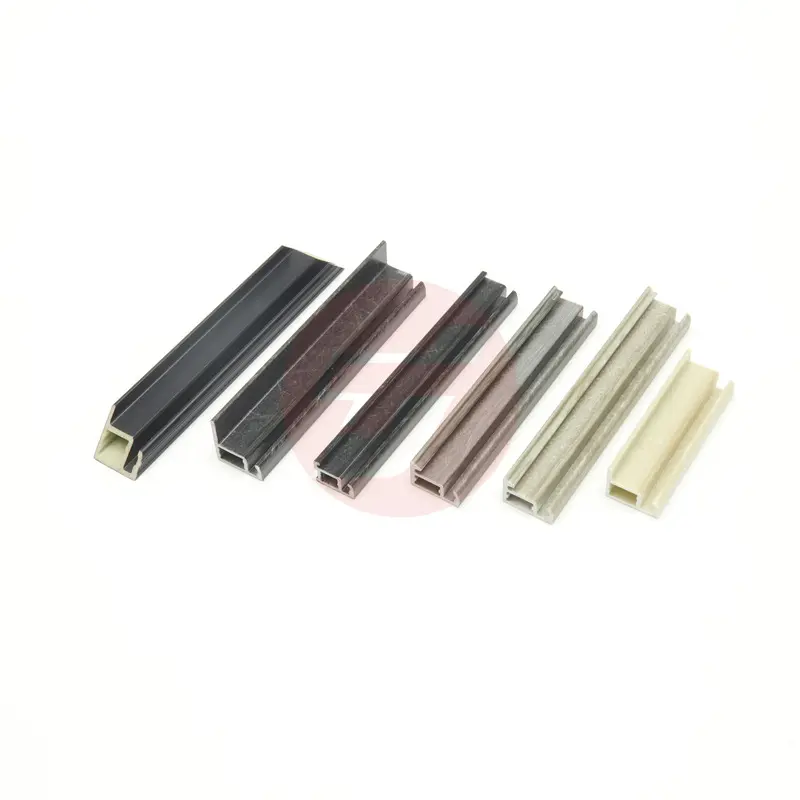
Carbon Profile Mold Solutions: Advanced Composite Manufacturing Technology for Precision Carbon Fiber Components

All Categories

Get a Free Quote

A professional manufacturer of composite material molds.
Email
WhatsApp
Name
Company Name
Message
0/1000
Attachment
Please upload at least an attachment
Up to 3 files,more 30mb,suppor jpg、jpeg、png、pdf、doc、docx、xls、xlsx、csv、txt

carbon profile mold

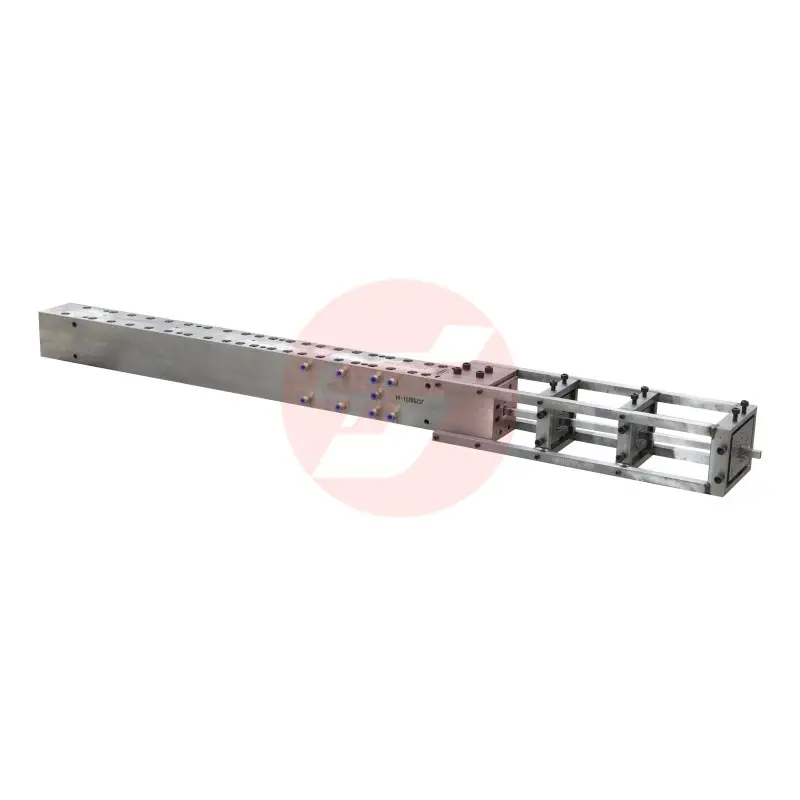
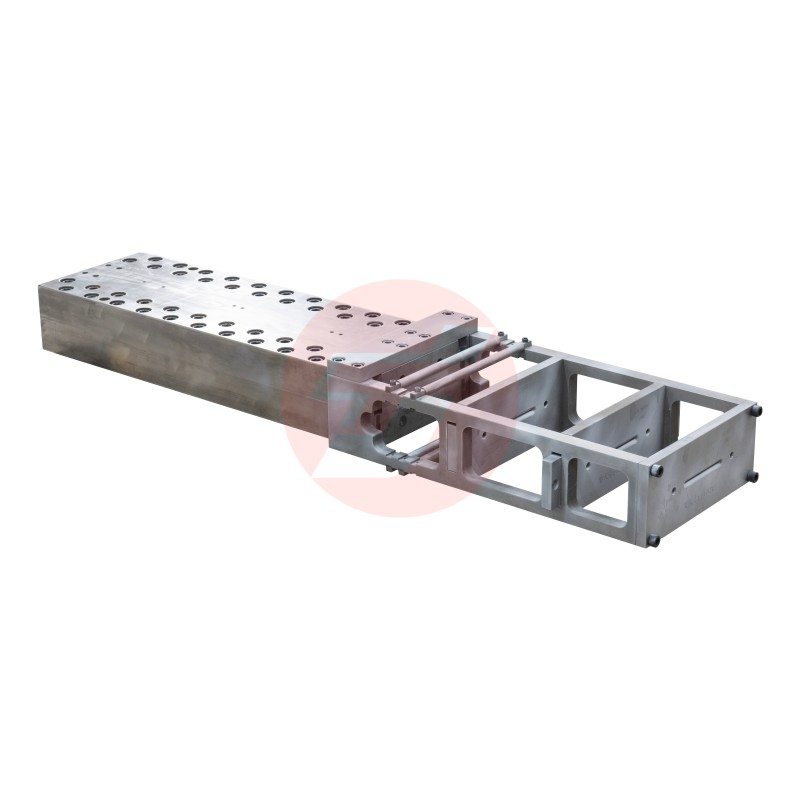
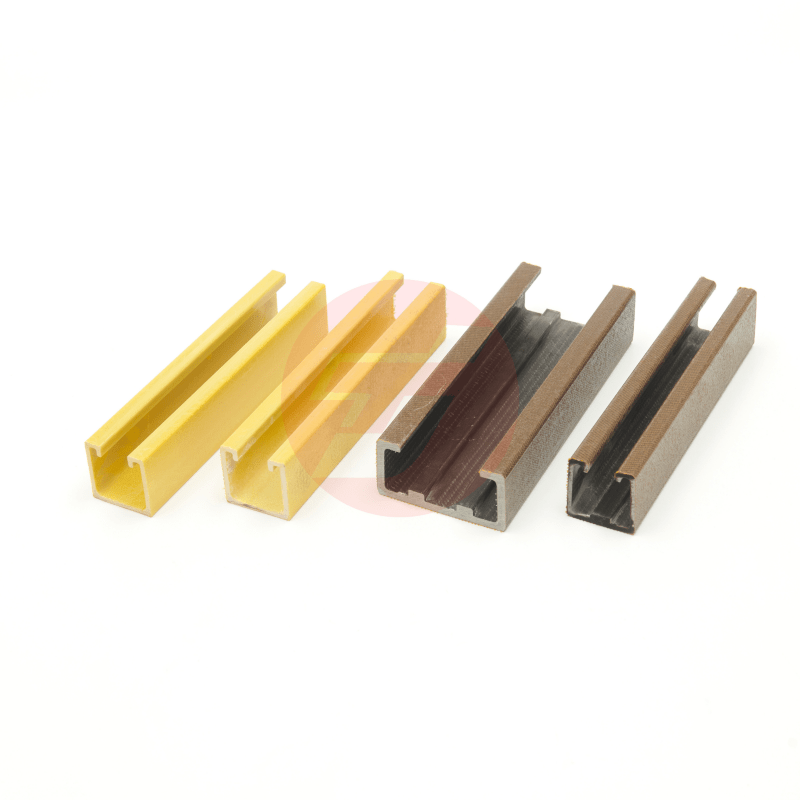
The carbon profile mold represents a revolutionary advancement in composite manufacturing technology, specifically engineered to produce high-precision carbon fiber components with exceptional dimensional accuracy and surface quality. This sophisticated tooling system serves as the foundation for creating complex carbon fiber profiles used across aerospace, automotive, marine, and industrial applications. The carbon profile mold incorporates advanced materials science and precision engineering to deliver consistent, repeatable results in carbon fiber component production. Its primary functions include shaping carbon fiber preforms, maintaining precise geometries during the curing process, and ensuring optimal fiber orientation throughout the molding cycle. The mold system features integrated heating elements that provide uniform temperature distribution, essential for achieving proper resin cure and eliminating defects such as voids or delamination. The technological features of the carbon profile mold include CNC-machined precision surfaces that guarantee dimensional tolerances within micrometers, advanced release systems that prevent component adhesion, and modular designs that accommodate various profile configurations. The mold construction typically utilizes high-grade aluminum or steel substrates with specialized coatings that resist chemical interaction with resin systems while maintaining thermal conductivity for efficient heat transfer. Temperature monitoring systems ensure precise thermal control throughout the curing cycle, while vacuum integration capabilities enable proper consolidation of carbon fiber layers. Applications for the carbon profile mold span multiple industries, from manufacturing aircraft structural components and automotive chassis elements to producing marine hulls and industrial equipment housings. The versatility of this molding system allows manufacturers to create everything from simple flat panels to complex three-dimensional geometries with intricate curves and varying cross-sections, making it an indispensable tool for modern composite manufacturing operations.

New Products

Carbon profile mold technology delivers substantial benefits that directly impact manufacturing efficiency, product quality, and overall operational costs for composite manufacturers. The primary advantage lies in its ability to produce carbon fiber components with exceptional dimensional precision, eliminating the need for extensive post-processing operations that traditionally consume significant time and resources. This precision translates into immediate cost savings by reducing material waste and minimizing rework requirements. The mold system enables manufacturers to achieve consistent wall thickness throughout complex geometries, ensuring structural integrity and performance reliability in finished components. Another significant advantage involves the enhanced surface finish quality achieved through optimized mold design. The carbon profile mold produces components with smooth, cosmetically appealing surfaces that often eliminate secondary finishing operations. This capability proves particularly valuable in applications where aesthetic appearance matters alongside functional performance, such as automotive exterior panels or architectural elements. The improved surface quality also contributes to better aerodynamic properties in aerospace applications and reduced maintenance requirements in marine environments. The thermal management capabilities of the carbon profile mold provide superior control over curing processes, resulting in more predictable mechanical properties in finished components. This controlled environment ensures optimal cross-linking of resin systems while preventing thermal degradation that can compromise component strength. The uniform heat distribution eliminates hot spots and cold zones that often lead to inconsistent curing and potential failure points in critical applications. Production efficiency represents another major advantage, as the carbon profile mold enables faster cycle times through optimized heat transfer and integrated automation capabilities. The system supports continuous production workflows that maximize throughput while maintaining quality standards. This efficiency improvement directly impacts manufacturing costs by increasing production capacity without requiring additional equipment investments. The modular design philosophy offers exceptional flexibility, allowing manufacturers to adapt the same basic mold system for multiple component configurations. This adaptability reduces tooling costs and inventory requirements while enabling rapid response to changing customer demands. The system also facilitates easy maintenance and repair operations, minimizing downtime and extending overall service life compared to traditional molding approaches.

Latest News

Why Are Photovoltaic Frame Pultrusion Molds Key to Panel Stability?

05

Jan

Why Are Photovoltaic Frame Pultrusion Molds Key to Panel Stability?

Solar panel manufacturing requires precision engineering at every stage, particularly when it comes to creating the structural frames that protect and support photovoltaic cells. The photovoltaic frame pultrusion mold represents a critical component ...
View More
How Do Carbon Fiber Pultruded Products Improve Structural Strength?

13

Feb

How Do Carbon Fiber Pultruded Products Improve Structural Strength?

Carbon fiber pultruded products represent a revolutionary advancement in structural engineering, offering exceptional strength-to-weight ratios that surpass traditional materials like steel and aluminum. These advanced composite materials are manufac...
View More
What Factors Determine the Lifespan of Carbon Fiber Pultruded Products?

13

Feb

What Factors Determine the Lifespan of Carbon Fiber Pultruded Products?

Carbon fiber pultrusion represents one of the most advanced manufacturing processes for creating high-performance composite materials with exceptional strength-to-weight ratios. This innovative technique produces continuous fiber-reinforced profiles ...
View More
Which Industries Rely Most on Glass Fiber Pultruded Profiles?

13

Feb

Which Industries Rely Most on Glass Fiber Pultruded Profiles?

Modern manufacturing across diverse industries increasingly depends on advanced composite materials that deliver exceptional strength, durability, and versatility. Glass fiber pultruded profiles have emerged as a cornerstone solution for applications...
View More

Get a Free Quote

A professional manufacturer of composite material molds.
Email
WhatsApp
Name
Company Name
Message
0/1000
Attachment
Please upload at least an attachment
Up to 3 files,more 30mb,suppor jpg、jpeg、png、pdf、doc、docx、xls、xlsx、csv、txt

carbon profile mold

Advanced Thermal Management System for Optimal Curing Performance

Advanced Thermal Management System for Optimal Curing Performance

The carbon profile mold incorporates a sophisticated thermal management system that represents a quantum leap in composite curing technology. This advanced heating system utilizes strategically positioned heating elements throughout the mold structure, creating uniform temperature zones that ensure consistent resin cure across the entire component geometry. The thermal management system features precision temperature controllers that maintain curing temperatures within ±2°C tolerance, eliminating the thermal variations that often plague conventional molding processes. This level of thermal control proves critical for achieving optimal mechanical properties in carbon fiber components, as temperature fluctuations during curing can significantly impact fiber-matrix adhesion and overall structural integrity. The system employs multiple temperature sensors distributed throughout the mold cavity, providing real-time feedback that enables automatic adjustment of heating elements to compensate for thermal losses or environmental variations. This closed-loop control system ensures that every portion of the carbon fiber component receives the precise thermal treatment required for optimal resin cross-linking. The benefits extend beyond simple temperature control, as the advanced thermal management system also enables precise control of heating and cooling rates during the curing cycle. This capability allows manufacturers to implement specialized curing profiles that optimize resin flow characteristics, minimize residual stresses, and achieve superior surface finish quality. The controlled cooling phase prevents thermal shock that can cause microcracking or delamination in sensitive carbon fiber structures. Additionally, the thermal management system incorporates energy-efficient heating technologies that reduce operational costs while maintaining superior performance. The intelligent control algorithms optimize energy consumption by maintaining temperatures only where and when needed, resulting in significant cost savings over traditional heating methods. The system also features rapid heating capabilities that reduce cycle times, enabling higher production throughput without compromising quality standards. This combination of precision control, energy efficiency, and production speed makes the carbon profile mold an invaluable asset for manufacturers seeking to optimize their composite production operations while maintaining the highest quality standards.
Precision Engineering for Dimensional Accuracy and Surface Quality Excellence

Precision Engineering for Dimensional Accuracy and Surface Quality Excellence

The carbon profile mold achieves unprecedented levels of dimensional accuracy through precision engineering techniques that surpass traditional composite molding standards. Every surface of the mold cavity undergoes CNC machining operations that maintain tolerances within ±0.025mm, ensuring that finished carbon fiber components meet the most stringent dimensional requirements demanded by aerospace, automotive, and precision industrial applications. This level of precision engineering extends throughout the entire mold system, from the primary shaping surfaces to the intricate details of parting lines and trim edges. The precision engineering approach incorporates advanced metrology techniques during mold fabrication, utilizing coordinate measuring machines and laser scanning systems to verify dimensional accuracy before the mold enters production service. This comprehensive quality assurance process guarantees that the carbon profile mold will consistently produce components that meet or exceed specified tolerances throughout its operational lifetime. The mold surfaces receive specialized treatments that enhance both dimensional stability and surface quality characteristics. These treatments include precision grinding operations that achieve surface roughness values below 0.2 microns, creating mirror-like finishes that transfer directly to the carbon fiber component surface. The exceptional surface quality eliminates the need for secondary polishing operations while providing optimal conditions for resin flow and fiber wet-out during the molding process. The precision engineering philosophy extends to the mold's structural design, incorporating features that maintain dimensional stability under varying thermal and mechanical loads. Strategic ribbing patterns and reinforcement structures prevent deflection during high-pressure molding operations, ensuring consistent part geometry even when processing large or complex components. The mold design also incorporates precision alignment systems that guarantee proper mold closure and eliminate the dimensional variations that can occur with conventional alignment methods. This attention to precision engineering detail results in carbon fiber components with exceptional geometric accuracy that often exceed the capabilities of post-machining operations. The combination of precision surfaces, structural stability, and advanced alignment systems enables manufacturers to produce carbon fiber components that require minimal or no secondary processing, significantly reducing production costs and lead times while maintaining superior quality standards throughout high-volume production runs.
Modular Design Architecture for Maximum Manufacturing Flexibility

Modular Design Architecture for Maximum Manufacturing Flexibility

The carbon profile mold features an innovative modular design architecture that provides unprecedented flexibility for composite manufacturers seeking to optimize their production capabilities and respond rapidly to changing market demands. This modular approach enables manufacturers to reconfigure the same basic mold system for multiple component geometries, dramatically reducing tooling costs while expanding production capabilities. The modular design philosophy incorporates standardized interface systems that allow rapid interchange of mold sections, enabling manufacturers to modify component configurations without requiring entirely new tooling investments. Each modular section undergoes precision manufacturing to ensure perfect alignment and compatibility with other system components, maintaining the dimensional accuracy and surface quality standards required for high-performance carbon fiber applications. The modular architecture proves particularly valuable for manufacturers serving diverse markets with varying component requirements, as the same mold system can accommodate different profile shapes, cross-sections, and dimensional specifications through strategic module selection and arrangement. The design incorporates quick-change mechanisms that minimize setup times between different component configurations, enabling efficient production scheduling and reduced manufacturing lead times. This flexibility allows manufacturers to respond quickly to customer requirements while maintaining efficient production workflows that maximize equipment utilization. The modular system also facilitates incremental capacity expansion, as manufacturers can add additional modules to increase production capability or accommodate larger component sizes without replacing the entire mold system. This scalability provides excellent return on investment protection while enabling growth-oriented manufacturing strategies. The modular design extends to maintenance and repair operations, allowing replacement of individual sections without disrupting the entire production system. This approach minimizes downtime and reduces maintenance costs while extending overall system service life. Each module incorporates self-contained utility connections for heating, cooling, and vacuum systems, enabling independent operation and simplified troubleshooting procedures. The standardized interface design also facilitates inventory management, as spare modules can serve multiple mold configurations within the same facility. Additionally, the modular architecture supports advanced manufacturing techniques such as multi-cavity molding and progressive forming operations that further enhance production efficiency. The system's inherent flexibility enables manufacturers to implement lean manufacturing principles while maintaining the precision and quality standards essential for carbon fiber component production, making it an ideal solution for dynamic manufacturing environments that demand both efficiency and adaptability.


Get a Free Quote

A professional manufacturer of composite material molds.
Email
WhatsApp
Name
Company Name
Message
0/1000
Attachment
Please upload at least an attachment
Up to 3 files,more 30mb,suppor jpg、jpeg、png、pdf、doc、docx、xls、xlsx、csv、txt