Custom Composite Molds: Advanced Manufacturing Solutions for Precision Composite Parts

All Categories

Get a Free Quote

A professional manufacturer of composite material molds.
Email
WhatsApp
Name
Company Name
Message
0/1000
Attachment
Please upload at least an attachment
Up to 3 files,more 30mb,suppor jpg、jpeg、png、pdf、doc、docx、xls、xlsx、csv、txt

custom composite molds

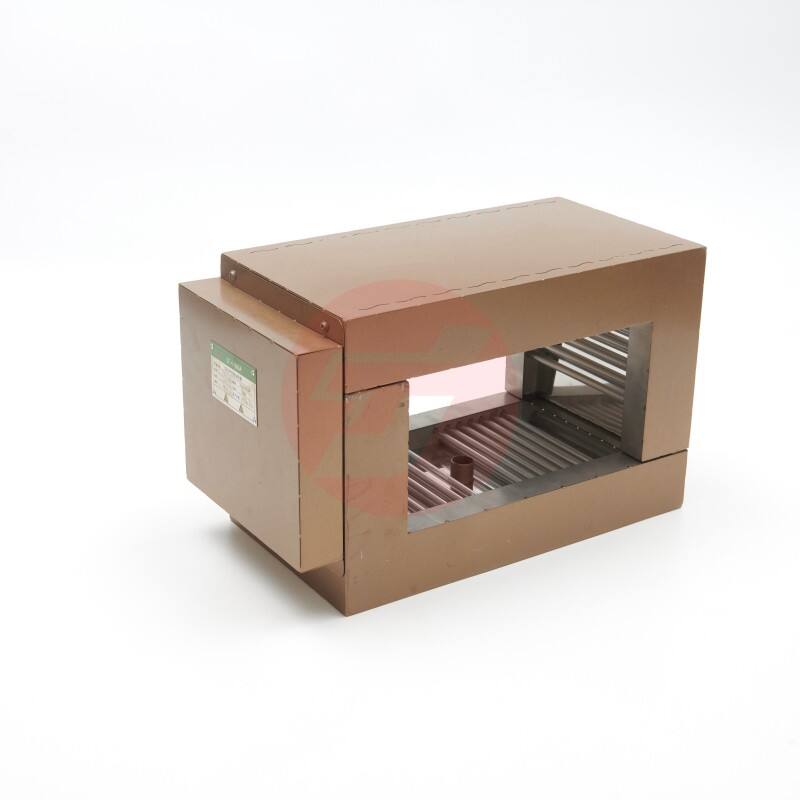
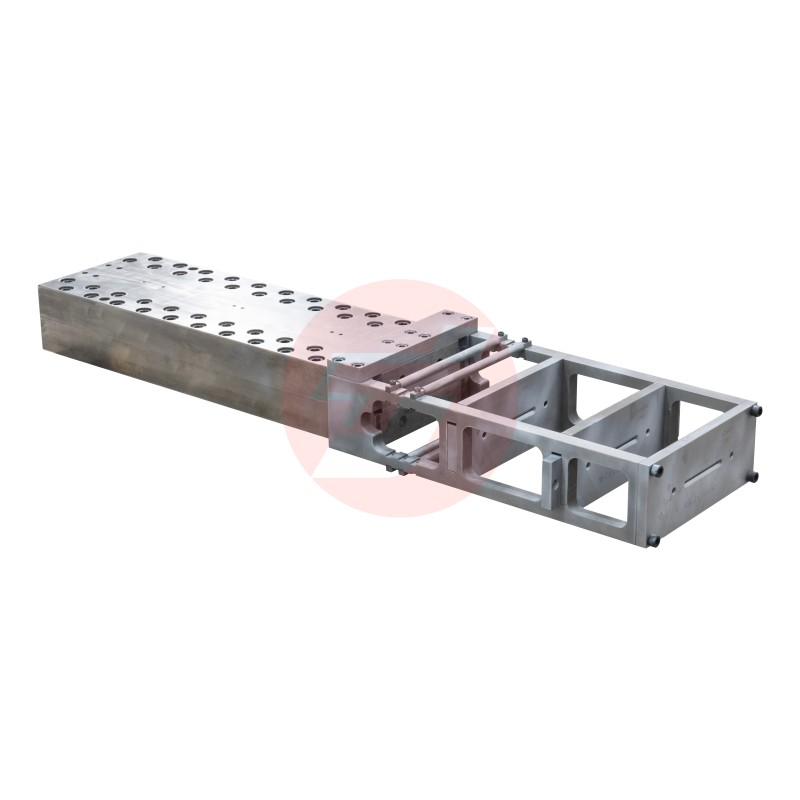
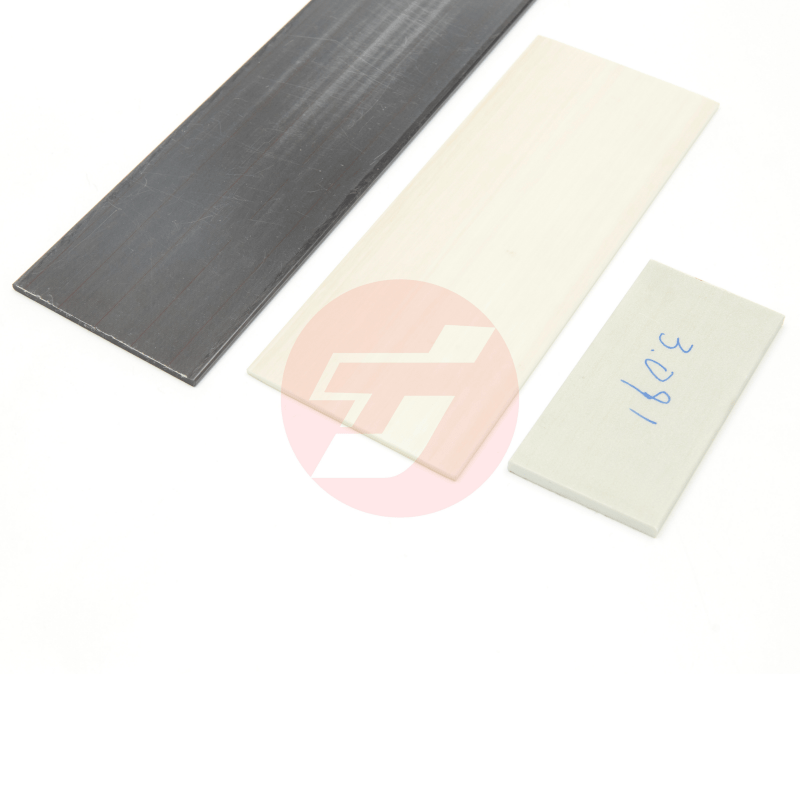
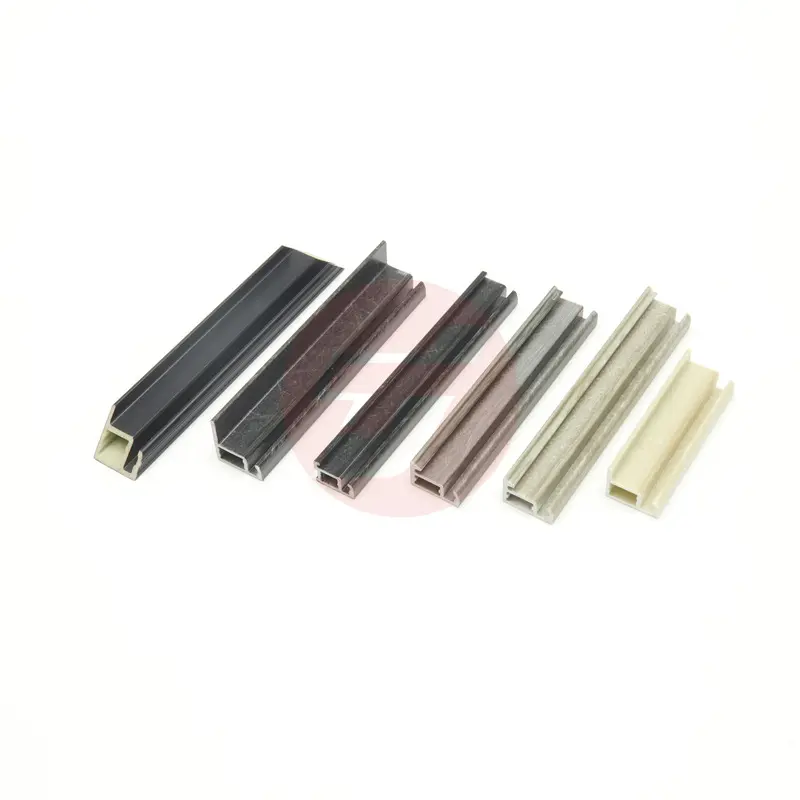
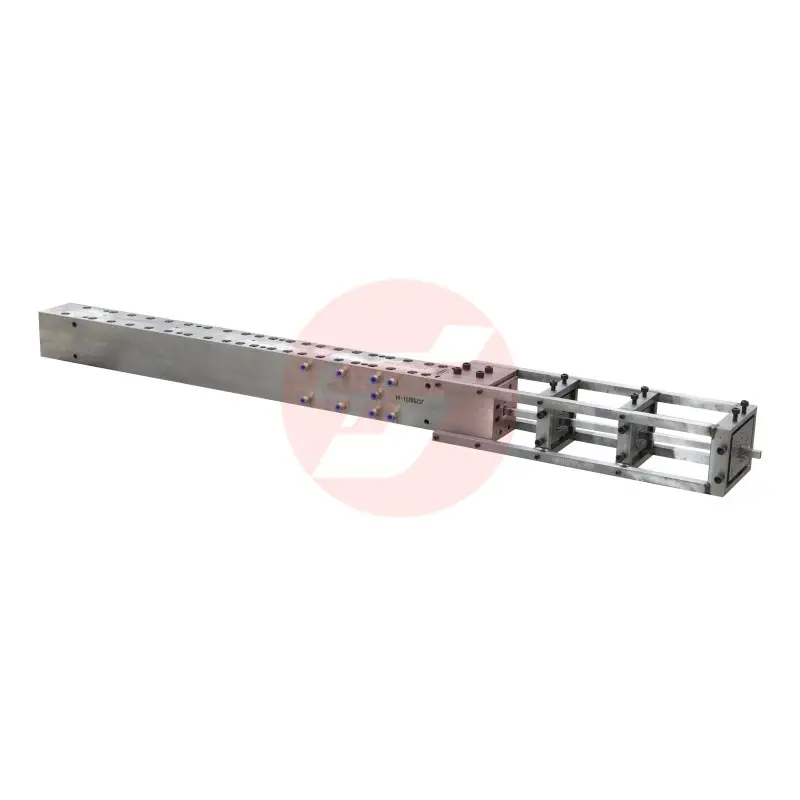
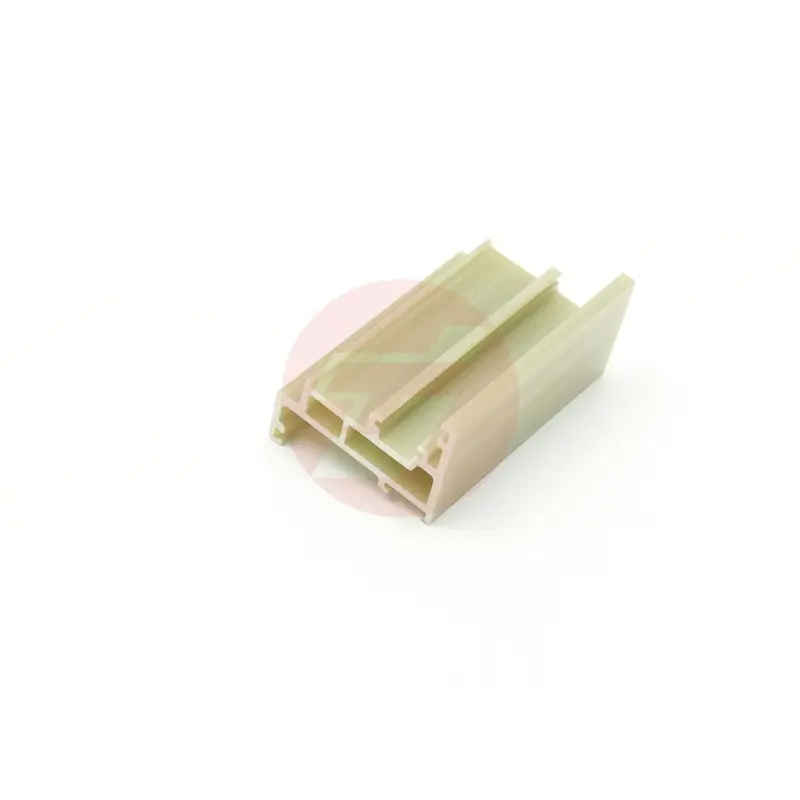
Custom composite molds represent a revolutionary advancement in manufacturing technology, offering businesses the ability to create precise, complex shapes from composite materials with exceptional efficiency and quality. These specialized tooling systems are engineered to accommodate the unique requirements of each project, delivering solutions that standard molds simply cannot match. The primary function of custom composite molds involves shaping reinforced plastic materials, carbon fiber components, fiberglass parts, and other advanced composites into desired configurations through various molding processes including compression molding, resin transfer molding, and vacuum infusion techniques. The technological features of custom composite molds include advanced thermal management systems that ensure uniform heat distribution throughout the molding process, precision-machined surfaces that guarantee dimensional accuracy, and specialized release coatings that facilitate easy part removal while maintaining surface quality. These molds incorporate sophisticated venting systems that eliminate air entrapment and prevent defects, while their robust construction withstands repeated thermal cycling and mechanical stresses inherent in composite manufacturing. The applications for custom composite molds span numerous industries, from aerospace and automotive sectors where lightweight yet strong components are essential, to marine applications requiring corrosion-resistant parts, and architectural projects demanding both aesthetic appeal and structural integrity. In the renewable energy sector, custom composite molds produce wind turbine blades, solar panel frames, and other sustainable technology components. Medical device manufacturers rely on these molds for creating biocompatible implants and prosthetics, while sporting goods companies use them for high-performance equipment like bicycle frames, golf clubs, and protective gear. The versatility of custom composite molds extends to industrial applications including chemical processing equipment, electrical insulators, and transportation components, making them indispensable tools for modern manufacturing operations seeking to leverage the superior properties of composite materials.


Popular Products

Custom composite molds deliver substantial cost savings by eliminating the need for multiple standard molds when producing complex or varied parts. Companies reduce inventory costs significantly because one custom mold can often replace several standard options, streamlining storage requirements and reducing capital investment. The precision engineering inherent in custom composite molds ensures consistent part quality, which translates directly to reduced waste, fewer rejected components, and lower overall production costs. These molds enable faster production cycles through optimized design features that facilitate quicker heating, cooling, and part release times. Manufacturers experience improved operational efficiency as custom molds integrate seamlessly with existing production lines and equipment, minimizing setup time and maximizing throughput. The enhanced durability of custom composite molds means longer service life compared to standard alternatives, providing better return on investment through extended productive use. Quality improvements represent another significant advantage, as custom composite molds produce parts with superior surface finish, dimensional accuracy, and mechanical properties. The ability to incorporate specific design elements directly into the mold eliminates secondary operations, reducing handling costs and potential quality issues. Custom composite molds offer unmatched design flexibility, allowing engineers to create parts with complex geometries, undercuts, and intricate details that would be impossible or extremely difficult with standard molding solutions. This flexibility enables innovation in product design, giving companies competitive advantages through unique component capabilities. The thermal efficiency of properly designed custom composite molds reduces energy consumption during production, contributing to lower operational costs and environmental sustainability goals. Material optimization becomes possible when using custom composite molds, as the precise control over molding parameters allows for thinner wall sections, reduced material usage, and improved strength-to-weight ratios in finished parts. Companies gain significant lead time advantages because custom composite molds can be designed and manufactured while other project elements are being developed, enabling faster time-to-market for new products. The scalability offered by custom composite molds supports business growth, as the same tooling can often be modified or adapted for increased production volumes or design variations without requiring complete replacement.

Tips And Tricks

How Can Carbon Fiber Pultrusion Reduce Manufacturing Costs for B2B Buyers?

29

Dec

How Can Carbon Fiber Pultrusion Reduce Manufacturing Costs for B2B Buyers?

Manufacturing costs continue to challenge B2B buyers across industries, driving the need for innovative production methods that deliver superior performance while maintaining economic efficiency. Carbon fiber pultrusion has emerged as a transformativ...
View More
What Advantages Do Glass Fiber Pultruded Products Offer in Construction?

29

Dec

What Advantages Do Glass Fiber Pultruded Products Offer in Construction?

Construction professionals are increasingly turning to advanced composite materials to meet the demanding requirements of modern infrastructure projects. Among these innovative solutions, glass fiber pultruded products have emerged as a superior alte...
View More
How to Evaluate the Quality of Glass Fiber Pultrusion Molds?

29

Dec

How to Evaluate the Quality of Glass Fiber Pultrusion Molds?

Manufacturing high-quality composite products requires precise tooling, and glass fiber pultrusion molds serve as the foundation for successful pultrusion processes. These specialized molds determine the dimensional accuracy, surface finish, and over...
View More
Which Applications Benefit Most From Carbon Fiber Pultruded Components?

13

Feb

Which Applications Benefit Most From Carbon Fiber Pultruded Components?

Carbon fiber pultruded components have revolutionized manufacturing across numerous industries, offering exceptional strength-to-weight ratios and superior durability compared to traditional materials. These advanced composite structures are created ...
View More

Get a Free Quote

A professional manufacturer of composite material molds.
Email
WhatsApp
Name
Company Name
Message
0/1000
Attachment
Please upload at least an attachment
Up to 3 files,more 30mb,suppor jpg、jpeg、png、pdf、doc、docx、xls、xlsx、csv、txt

custom composite molds

Advanced Thermal Management Technology

Advanced Thermal Management Technology

The sophisticated thermal management systems integrated into custom composite molds represent a breakthrough in manufacturing precision and efficiency. These advanced systems utilize precisely controlled heating elements strategically positioned throughout the mold structure to ensure uniform temperature distribution across all molding surfaces. This technology eliminates hot spots and cold zones that can cause part defects, warping, or inconsistent curing in composite materials. The thermal management system includes multiple temperature sensors that continuously monitor conditions throughout the molding process, providing real-time feedback to automated control systems that make instantaneous adjustments to maintain optimal temperatures. Custom composite molds feature advanced insulation technologies that minimize heat loss while ensuring rapid thermal response, reducing energy consumption and cycle times. The heating elements are designed for longevity and reliability, featuring corrosion-resistant materials and protective coatings that withstand the chemical environments common in composite manufacturing. Temperature uniformity achieved through these systems ensures that resin systems cure evenly, preventing internal stresses that could compromise part integrity or dimensional stability. The thermal management technology also incorporates rapid cooling capabilities through integrated cooling channels that circulate temperature-controlled fluids, enabling faster cycle times and improved productivity. These systems support a wide range of composite materials and processing temperatures, from low-temperature thermoplastic forming to high-temperature aerospace-grade composite curing. The precise thermal control enables manufacturers to optimize cure cycles for specific resin systems, achieving maximum mechanical properties while minimizing processing time. Advanced thermal management also supports complex multi-stage curing profiles required for specialized composite applications, automatically transitioning between different temperature phases according to programmed parameters. This technology reduces the skill level required for operators while improving process repeatability and part quality consistency across production runs.
Precision Manufacturing and Surface Quality Excellence

Precision Manufacturing and Surface Quality Excellence

Custom composite molds achieve unprecedented levels of precision through advanced manufacturing techniques and quality control processes that set new industry standards for dimensional accuracy and surface quality. The manufacturing process begins with sophisticated computer-aided design systems that optimize mold geometry for specific applications, incorporating features that enhance part quality while minimizing production challenges. Precision machining operations utilize state-of-the-art CNC equipment capable of achieving tolerances measured in thousandths of an inch, ensuring that every surface meets exact specifications. The surface finishing processes employed in creating custom composite molds involve multiple stages of progressively finer treatments, resulting in mirror-like finishes that translate directly to superior part surface quality. These surfaces require minimal post-processing of molded parts, reducing labor costs and improving overall production efficiency. Advanced measurement and inspection technologies verify dimensional accuracy throughout the manufacturing process, with coordinate measuring machines and laser scanning systems providing comprehensive quality documentation. The precision manufacturing approach extends to specialized surface treatments that enhance mold performance, including application of advanced release coatings that prevent part adhesion while maintaining surface integrity through thousands of molding cycles. Custom composite molds incorporate precision-engineered parting lines and draft angles that facilitate easy part removal while maintaining tight tolerances on critical dimensions. The manufacturing process includes rigorous testing protocols that verify mold performance under actual production conditions, ensuring that precision specifications are maintained throughout the expected service life. Surface quality excellence achieved through precision manufacturing eliminates common defects such as flow marks, sink marks, and surface irregularities that can compromise part appearance and performance. The investment in precision manufacturing pays dividends through reduced part rejection rates, minimized secondary operations, and improved customer satisfaction with final product quality. Advanced surface treatments also provide enhanced wear resistance, extending mold life and maintaining surface quality even under demanding production schedules.
Unmatched Design Flexibility and Customization Capabilities

Unmatched Design Flexibility and Customization Capabilities

The extraordinary design flexibility inherent in custom composite molds empowers manufacturers to push the boundaries of what is possible in composite part production, enabling the creation of components with complex geometries, innovative features, and optimized performance characteristics that would be unachievable with standard molding solutions. This flexibility begins with the ability to incorporate virtually any shape or configuration into the mold design, including complex curves, varying wall thicknesses, integrated mounting features, and intricate internal structures that eliminate the need for assembly operations. Custom composite molds can accommodate multiple part variations within a single tool through modular insert systems, allowing manufacturers to produce different configurations without investing in separate tooling for each variant. The design process leverages advanced simulation software that predicts material flow patterns, identifies potential problem areas, and optimizes mold geometry before manufacturing begins, reducing development time and ensuring first-time success. Customization capabilities extend to specialized venting systems designed for specific part geometries and material combinations, ensuring complete air evacuation and preventing defects that could compromise part integrity. The flexibility to incorporate multiple molding processes within a single tool enables hybrid manufacturing approaches that combine different techniques to achieve optimal results for complex parts. Custom composite molds can integrate features such as metal inserts, threaded connections, gasket grooves, and precision alignment features directly into the molding process, eliminating secondary operations and reducing assembly costs. The design flexibility also supports innovative approaches to part consolidation, where multiple components that would traditionally require assembly can be molded as single integrated parts, reducing weight, improving strength, and lowering overall system costs. Advanced tooling concepts enable the production of parts with varying material properties within a single component, using selective reinforcement placement and multi-material molding techniques. This design freedom supports rapid prototyping and development iterations, allowing engineers to test and refine designs quickly without the constraints imposed by standard tooling limitations, accelerating innovation cycles and reducing time-to-market for new products.

Get a Free Quote

A professional manufacturer of composite material molds.
Email
WhatsApp
Name
Company Name
Message
0/1000
Attachment
Please upload at least an attachment
Up to 3 files,more 30mb,suppor jpg、jpeg、png、pdf、doc、docx、xls、xlsx、csv、txt