Glass Fiber Pultruded Molds: Advanced Composite Manufacturing Solutions for Industrial Applications

All Categories

Get a Free Quote

A professional manufacturer of composite material molds.
Email
WhatsApp
Name
Company Name
Message
0/1000
Attachment
Please upload at least an attachment
Up to 3 files,more 30mb,suppor jpg、jpeg、png、pdf、doc、docx、xls、xlsx、csv、txt

glass fiber pultruded molds

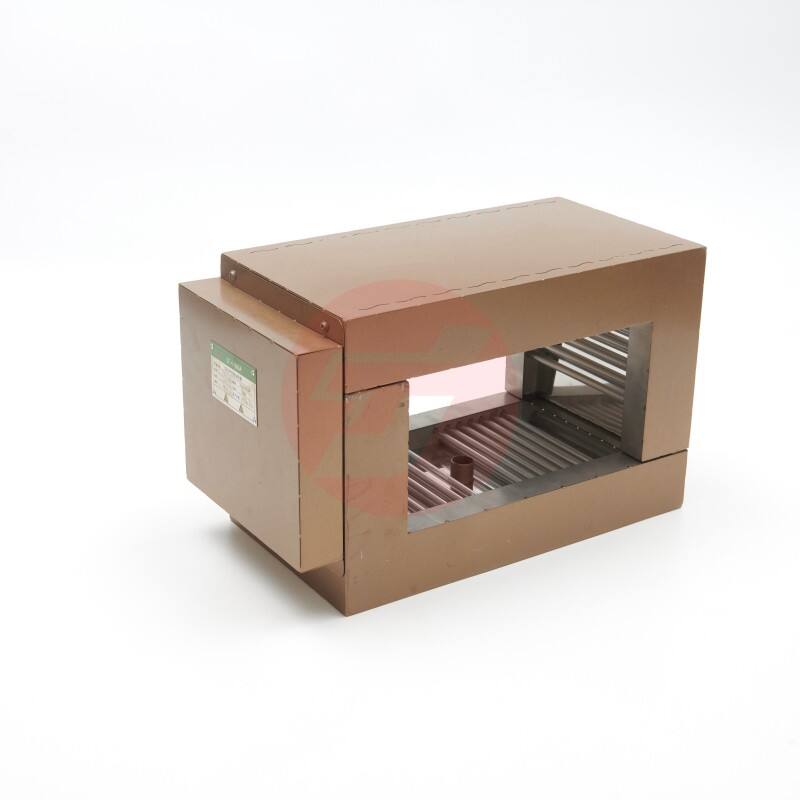
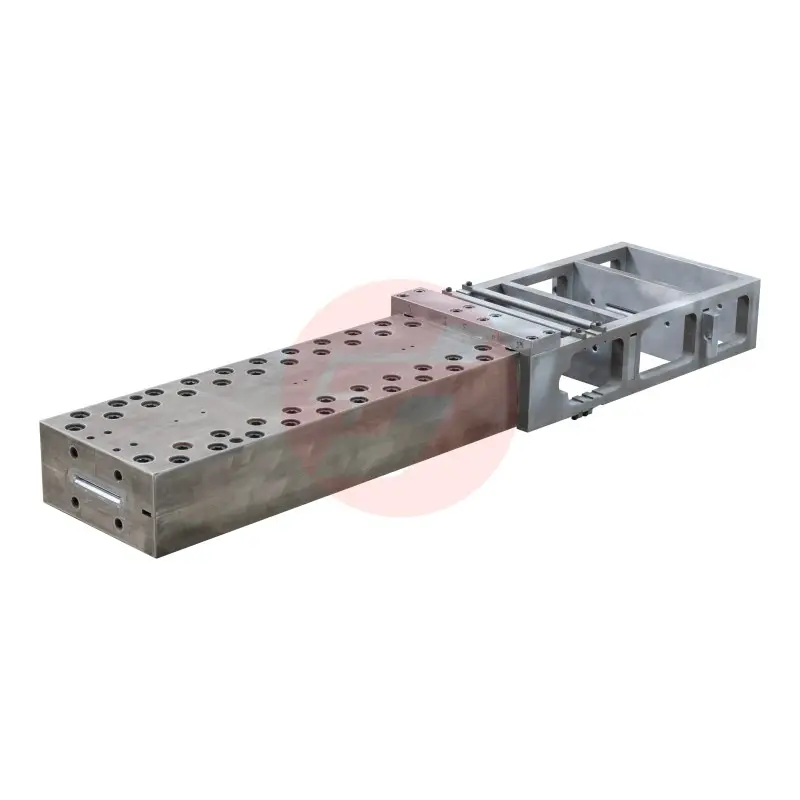
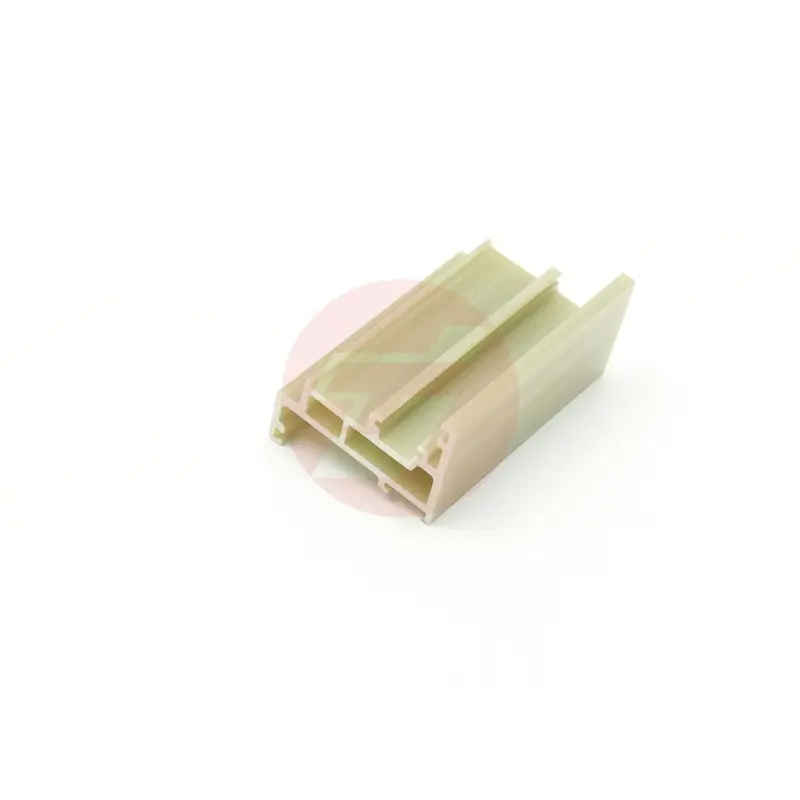
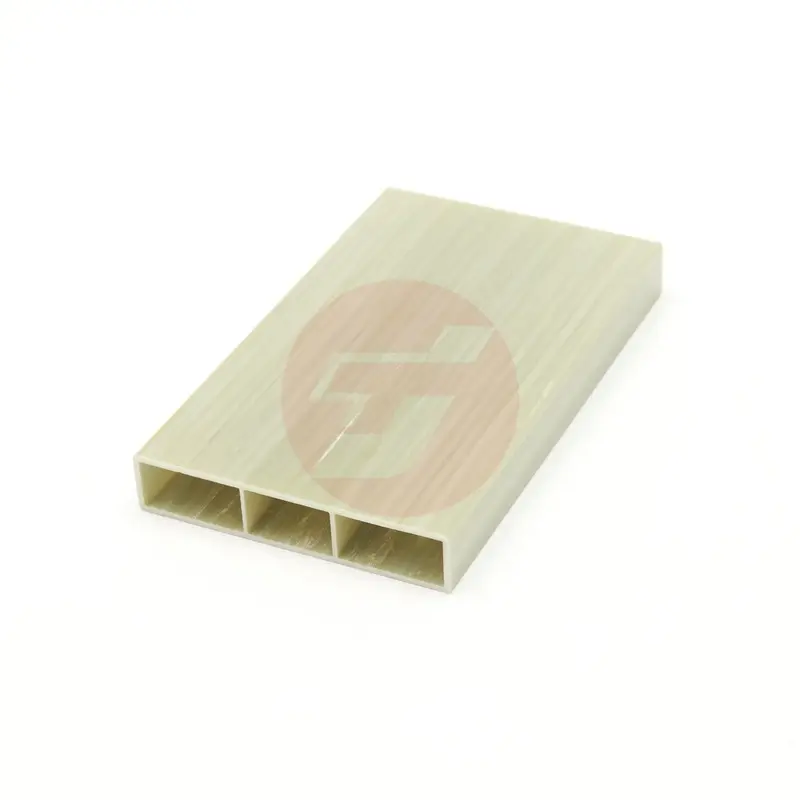
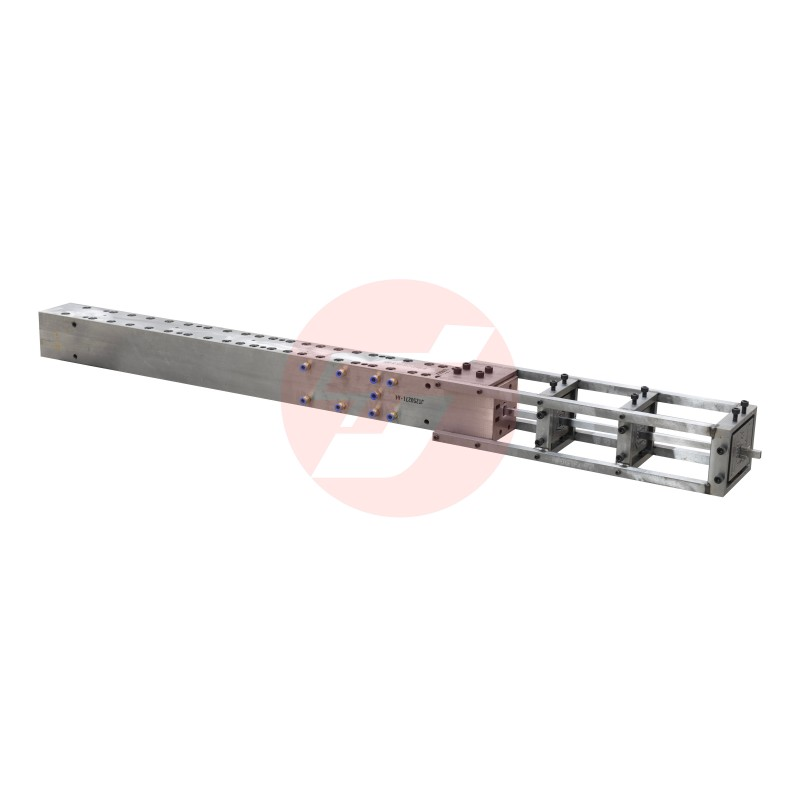
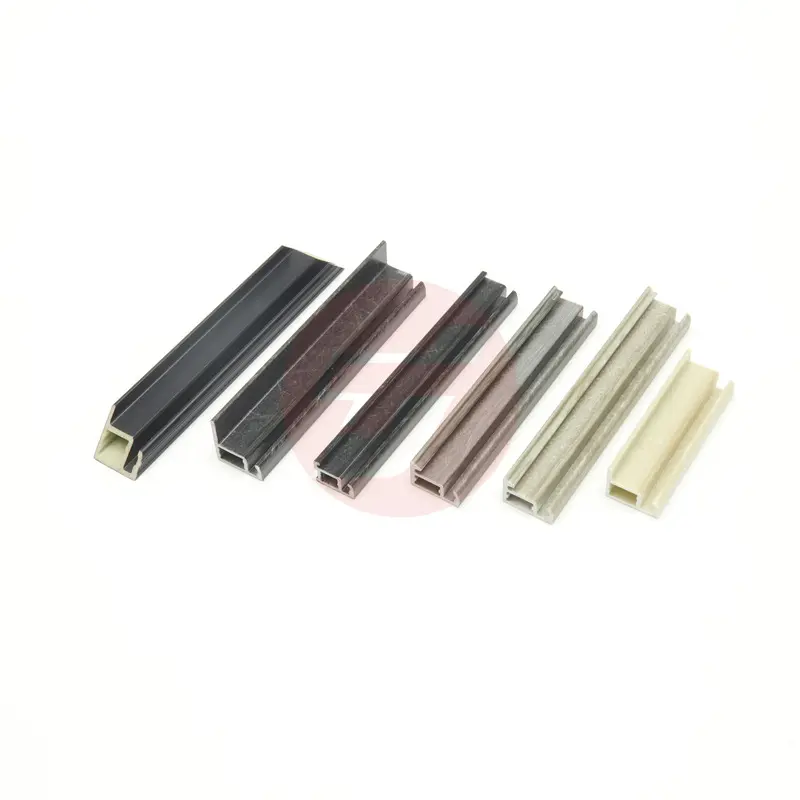
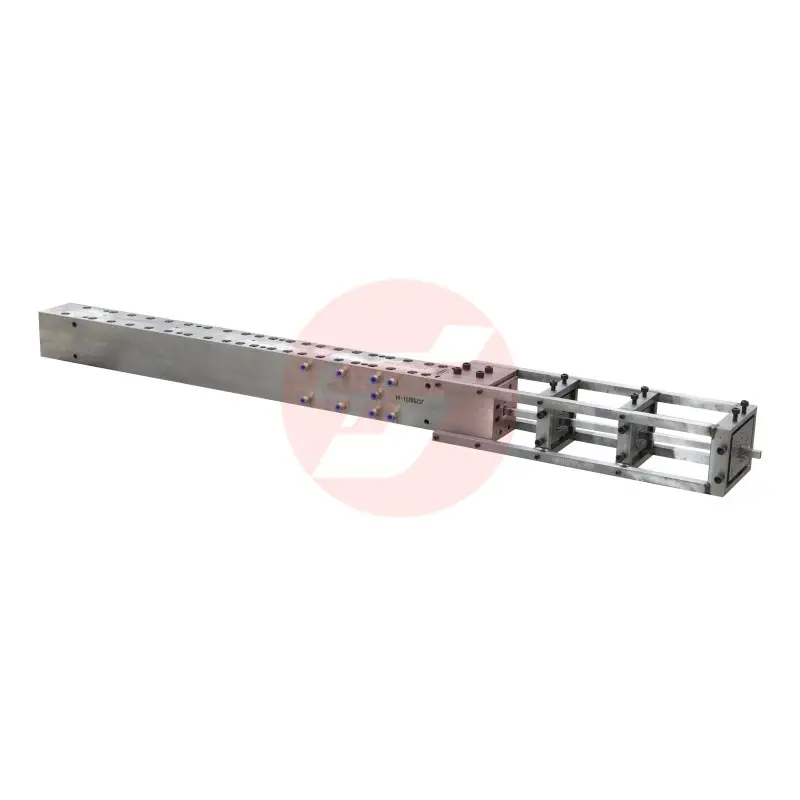
Glass fiber pultruded molds represent a revolutionary manufacturing solution that transforms the production of composite materials through advanced engineering processes. These specialized molds serve as the foundation for creating high-performance composite products using the pultrusion method, where continuous glass fiber reinforcements are pulled through a heated die system. The primary function of glass fiber pultruded molds involves shaping and curing thermosetting resins combined with glass fiber reinforcements to produce structural profiles with exceptional strength-to-weight ratios. The technological framework of these molds incorporates precision-engineered heating systems, temperature control mechanisms, and carefully designed forming chambers that ensure consistent product quality. Modern glass fiber pultruded molds feature advanced materials that withstand repeated thermal cycling while maintaining dimensional accuracy throughout extended production runs. The forming process begins when continuous glass fiber rovings, mats, or fabrics are saturated with liquid resin systems before entering the heated mold cavity. Temperature control systems within the molds activate the crosslinking process, transforming the liquid resin into a solid composite material with superior mechanical properties. Applications for glass fiber pultruded molds span numerous industries including construction, infrastructure development, aerospace, automotive, and marine sectors. These molds enable the production of structural beams, bridge decking systems, utility poles, handrails, and specialized profiles required for demanding engineering applications. The versatility of glass fiber pultruded molds allows manufacturers to create custom profiles that meet specific dimensional requirements while maintaining consistent material properties. Quality control features integrated into modern mold designs include monitoring systems that track temperature distribution, cure rates, and production speeds to ensure optimal product characteristics. The economic benefits of glass fiber pultruded molds become evident through their ability to produce high-volume quantities of composite materials with minimal waste generation and reduced labor requirements compared to traditional manufacturing methods.


New Product Releases

Glass fiber pultruded molds deliver substantial benefits that transform manufacturing operations and enhance product quality across multiple dimensions. Cost efficiency emerges as a primary advantage since these molds enable continuous production processes that significantly reduce labor costs while maximizing output capacity. Manufacturers experience faster production cycles because glass fiber pultruded molds operate continuously rather than requiring batch processing methods that consume additional time and resources. The automated nature of pultrusion using these specialized molds minimizes human intervention, reducing the likelihood of production errors while ensuring consistent quality standards throughout manufacturing runs. Material waste reduction represents another significant advantage as glass fiber pultruded molds utilize precise resin metering systems that eliminate excess material consumption commonly associated with alternative manufacturing processes. Energy efficiency improvements occur because these molds incorporate optimized heating systems that maintain required temperatures while minimizing power consumption compared to traditional molding methods. Product quality consistency becomes achievable through the controlled environment that glass fiber pultruded molds provide, ensuring uniform fiber distribution and complete resin cure throughout the composite structure. Dimensional accuracy remains superior with these molds since the continuous pulling process combined with precision tooling creates products that meet tight tolerances without requiring secondary machining operations. Flexibility in design allows glass fiber pultruded molds to accommodate various profile shapes and sizes, enabling manufacturers to respond quickly to changing market demands without significant tooling investments. Environmental benefits include reduced volatile organic compound emissions since the enclosed mold system contains resin vapors more effectively than open molding processes. Maintenance requirements decrease because glass fiber pultruded molds feature durable construction materials that resist wear and corrosion, extending operational life cycles. Production scalability becomes possible as manufacturers can easily increase output by adjusting pulling speeds and installing additional mold systems without complex facility modifications. Quality control integration within glass fiber pultruded molds enables real-time monitoring of critical process parameters, allowing immediate adjustments that prevent defective products from entering the market.

Tips And Tricks

How to Select Carbon Fiber Pultruded Profiles for Engineering Projects?

29

Dec

How to Select Carbon Fiber Pultruded Profiles for Engineering Projects?

Carbon fiber pultruded profiles represent one of the most advanced composite materials available for modern engineering applications. These lightweight yet incredibly strong structural components have revolutionized industries ranging from aerospace ...
View More
Why Are Epoxy Pultrusion Products Ideal for High-Strength Applications?

29

Dec

Why Are Epoxy Pultrusion Products Ideal for High-Strength Applications?

Epoxy pultrusion represents a revolutionary manufacturing process that combines the superior strength properties of epoxy resins with the continuous production capabilities of pultrusion technology. This advanced composite manufacturing method has tr...
View More
How Do Pultrusion Molds Enhance Durability in Solar Frame Manufacturing?

05

Jan

How Do Pultrusion Molds Enhance Durability in Solar Frame Manufacturing?

Solar frame manufacturing has undergone significant technological advancement in recent years, with pultrusion molds emerging as a critical component in producing durable, high-performance photovoltaic frames. The integration of advanced pultrusion t...
View More
How to Maintain Carbon Fiber Pultrusion Molds for Long-Term Stability?

13

Feb

How to Maintain Carbon Fiber Pultrusion Molds for Long-Term Stability?

Carbon fiber pultrusion molds represent one of the most critical components in manufacturing high-performance composite materials for industries ranging from aerospace to renewable energy. These precision-engineered tools require meticulous maintenan...
View More

Get a Free Quote

A professional manufacturer of composite material molds.
Email
WhatsApp
Name
Company Name
Message
0/1000
Attachment
Please upload at least an attachment
Up to 3 files,more 30mb,suppor jpg、jpeg、png、pdf、doc、docx、xls、xlsx、csv、txt

glass fiber pultruded molds

Advanced Temperature Control Technology

Advanced Temperature Control Technology

Glass fiber pultruded molds incorporate sophisticated temperature control technology that revolutionizes composite manufacturing precision and product quality. The integrated heating systems within these molds utilize advanced thermal management solutions that maintain optimal curing temperatures across the entire profile cross-section, ensuring complete resin crosslinking without thermal degradation. Multiple heating zones allow operators to create temperature gradients that match specific resin cure profiles, optimizing mechanical property development while preventing thermal stress formation. Precision temperature sensors positioned throughout the mold cavity provide continuous feedback to automated control systems that adjust heating power in real-time, maintaining temperature stability within narrow tolerances. This technological advancement eliminates hot spots and cold zones that can compromise product integrity, resulting in composite materials with superior strength and durability characteristics. The thermal control systems in glass fiber pultruded molds feature programmable logic controllers that store multiple temperature profiles for different product specifications, enabling quick changeovers between production runs without manual recalibration. Advanced insulation materials surrounding the heating elements maximize energy efficiency while protecting operators from high-temperature surfaces during production operations. The uniform heat distribution achieved through these control systems ensures consistent gel times and cure rates throughout the composite structure, preventing internal stresses that could lead to delamination or cracking. Manufacturers benefit from reduced scrap rates because the precise temperature control eliminates undercured or overcured products that fail to meet quality specifications. The thermal management technology also extends mold life by preventing thermal cycling damage that occurs when temperature fluctuations exceed material expansion limits. Remote monitoring capabilities allow production supervisors to track temperature performance from central control rooms, enabling proactive maintenance scheduling and process optimization. This advanced temperature control technology positions glass fiber pultruded molds as essential tools for producing high-performance composites that meet stringent industry standards while maintaining cost-effective manufacturing operations.
Superior Fiber Reinforcement Integration

Superior Fiber Reinforcement Integration

Glass fiber pultruded molds excel at integrating multiple fiber reinforcement types to create composite materials with optimized mechanical properties tailored to specific application requirements. The mold design accommodates various fiber architectures including unidirectional rovings, woven fabrics, chopped strand mats, and specialty reinforcements that enhance specific performance characteristics. Fiber guiding systems within the molds ensure proper fiber placement and tension control, preventing fiber distortion or breakage that could compromise structural integrity. The continuous fiber feeding mechanism maintains consistent fiber volume fractions throughout the production process, resulting in predictable mechanical properties that meet design specifications. Advanced fiber distribution systems integrated into glass fiber pultruded molds enable the creation of hybrid reinforcement structures that combine different fiber types within single profiles, optimizing strength-to-weight ratios for demanding applications. Resin impregnation systems ensure complete wetting of all fiber surfaces, eliminating dry spots that could serve as failure initiation points under load conditions. The controlled environment within glass fiber pultruded molds prevents fiber contamination during processing, maintaining the purity required for high-performance applications in aerospace and infrastructure sectors. Fiber orientation control mechanisms allow manufacturers to align reinforcements precisely with primary load directions, maximizing structural efficiency while minimizing material usage. The molds accommodate various fiber surface treatments and sizing systems that enhance fiber-matrix adhesion, improving load transfer efficiency throughout the composite structure. Quality monitoring systems track fiber placement accuracy and detect any irregularities that could affect final product performance, enabling immediate corrective actions. The flexibility of glass fiber pultruded molds supports the incorporation of specialty fibers such as carbon or aramid reinforcements for applications requiring enhanced stiffness or impact resistance. Automated fiber handling systems reduce labor requirements while ensuring consistent fiber management throughout extended production runs, maintaining quality standards without operator fatigue factors.
Exceptional Dimensional Precision and Repeatability

Exceptional Dimensional Precision and Repeatability

Glass fiber pultruded molds deliver exceptional dimensional precision and repeatability that surpasses alternative composite manufacturing methods, enabling the production of structural components with tight tolerances required for critical applications. The rigid mold construction utilizing high-strength tool steels and specialized alloys maintains dimensional stability throughout thermal cycling and mechanical stresses associated with continuous production operations. Precision machining processes create mold cavities with surface finishes and dimensional accuracies measured in thousandths of inches, translating directly to superior product quality. The continuous pulling process inherent in glass fiber pultruded molds eliminates variability associated with batch molding methods, ensuring consistent cross-sectional dimensions throughout entire production runs. Advanced die design principles incorporated into these molds minimize material flow restrictions while maintaining precise profile geometry, preventing dimensional distortions that occur with improper tooling design. Temperature uniformity achieved through sophisticated heating systems prevents differential thermal expansion that could alter product dimensions during the curing process. The controlled resin flow patterns within glass fiber pultruded molds ensure consistent wall thickness and eliminate variations that compromise structural performance or aesthetic appearance. Automated dimensional monitoring systems integrated with production equipment provide real-time feedback on product dimensions, enabling immediate process adjustments to maintain specifications. The inherent stability of the pultrusion process using these specialized molds reduces setup time and eliminates the need for extensive trial-and-error adjustments common with other manufacturing methods. Quality assurance protocols built into glass fiber pultruded molds include automated rejection systems that remove out-of-tolerance products before they enter downstream processes, maintaining consistent quality standards. Long-term dimensional stability remains superior because the mold materials resist wear and maintain their original geometry throughout extended service life. The precision capabilities of glass fiber pultruded molds enable manufacturers to produce components that fit together without gaps or interference, reducing assembly time and improving overall system performance in critical applications such as structural frameworks and precision mechanical components.

Get a Free Quote

A professional manufacturer of composite material molds.
Email
WhatsApp
Name
Company Name
Message
0/1000
Attachment
Please upload at least an attachment
Up to 3 files,more 30mb,suppor jpg、jpeg、png、pdf、doc、docx、xls、xlsx、csv、txt