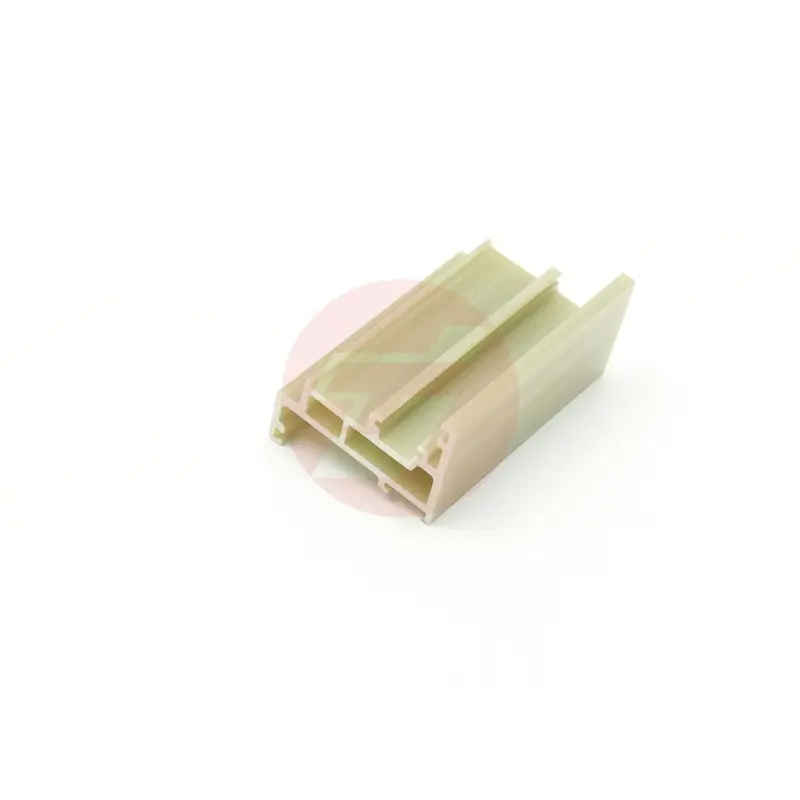
Premium Composite Material Molds - Advanced Manufacturing Solutions for Precision Components

All Categories

Get a Free Quote

A professional manufacturer of composite material molds.
Email
WhatsApp
Name
Company Name
Message
0/1000
Attachment
Please upload at least an attachment
Up to 3 files,more 30mb,suppor jpg、jpeg、png、pdf、doc、docx、xls、xlsx、csv、txt

composite material molds

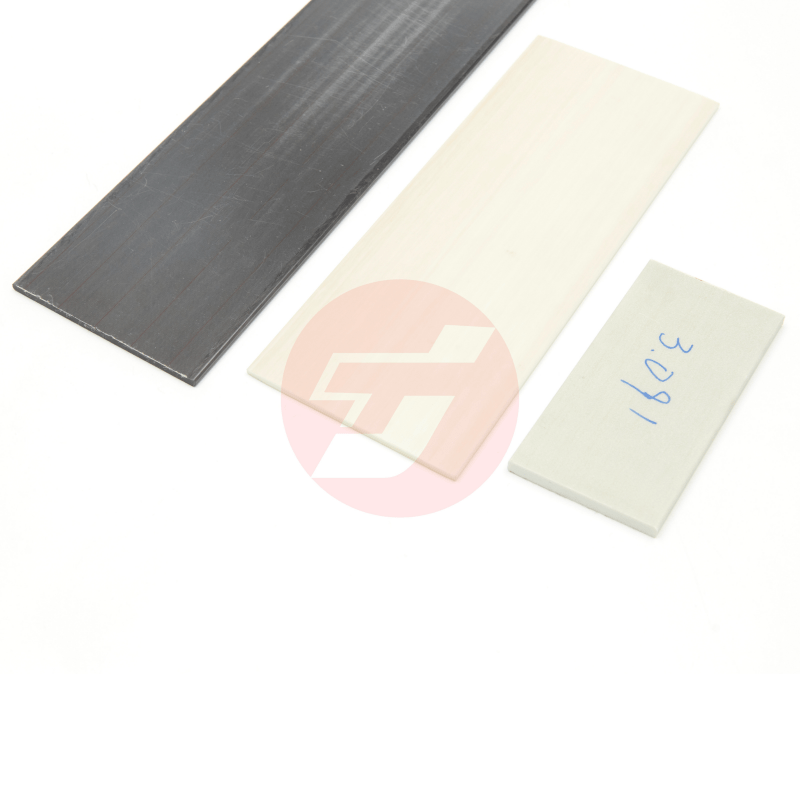
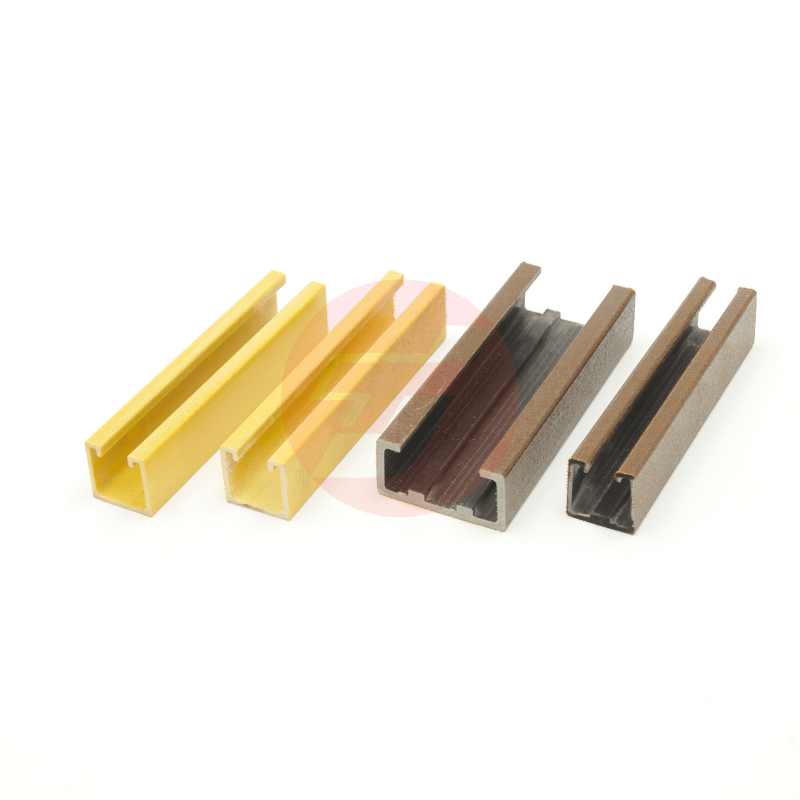
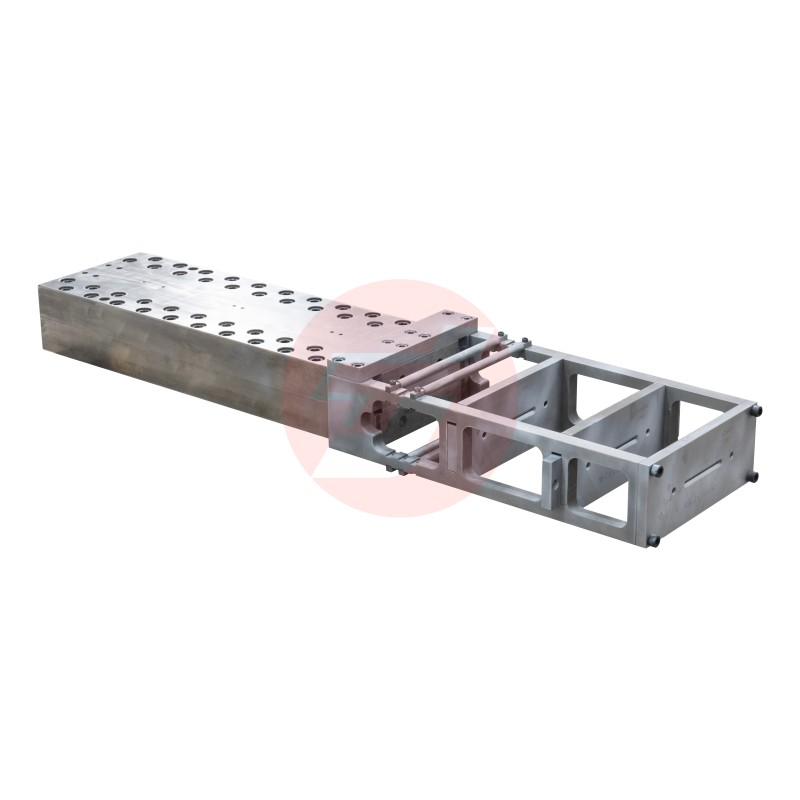
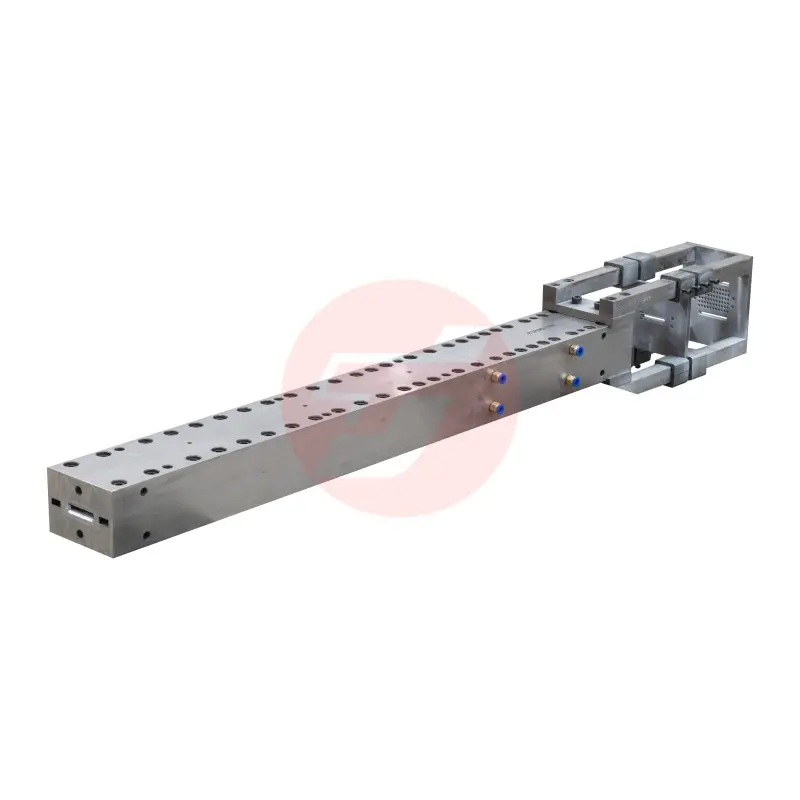
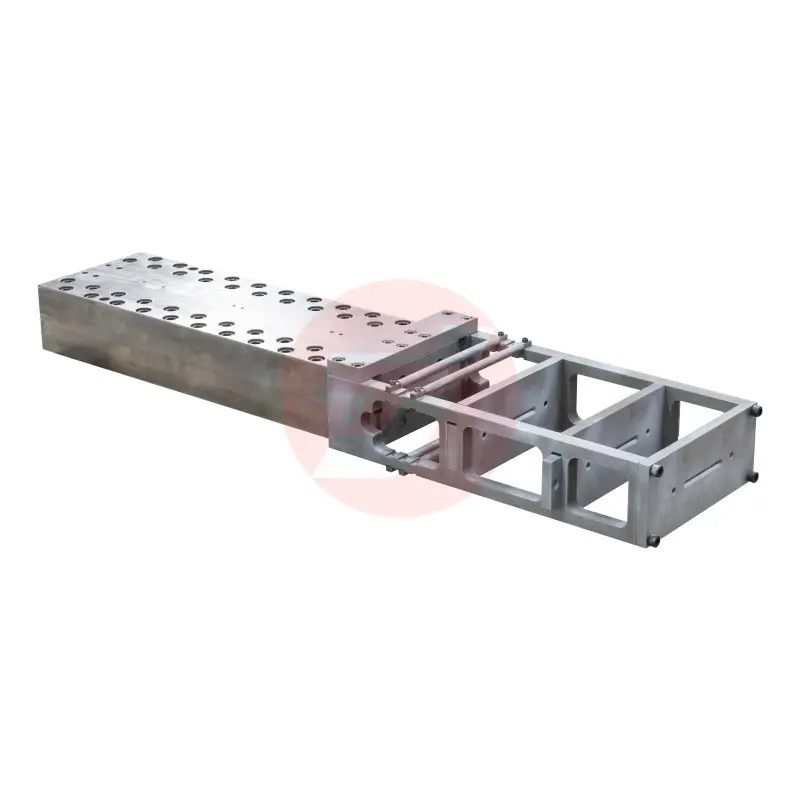
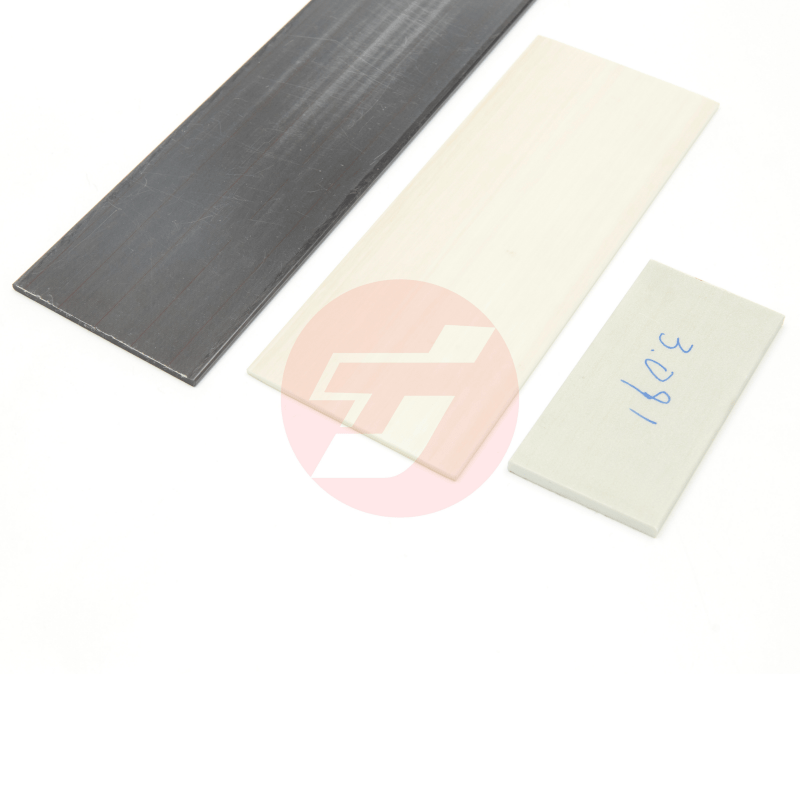
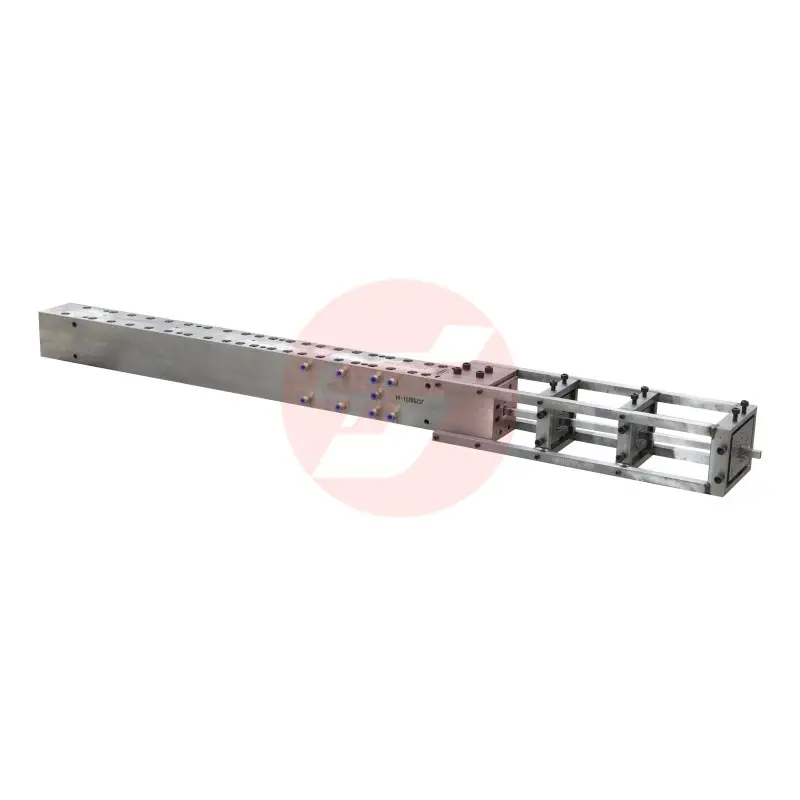
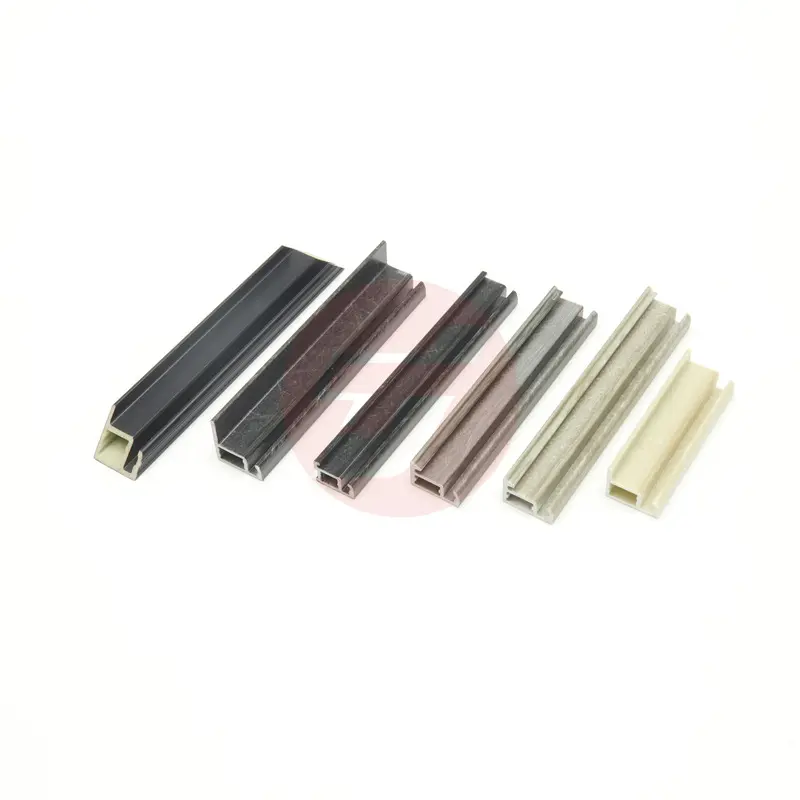
Composite material molds represent a revolutionary advancement in manufacturing technology, serving as specialized tools designed to shape and form composite materials into precise configurations. These sophisticated molds utilize advanced engineering principles to transform raw composite materials such as carbon fiber, fiberglass, and aramid fibers into finished products with exceptional accuracy and consistency. The primary function of composite material molds involves creating a controlled environment where resin systems can cure while maintaining the desired shape and dimensional specifications of the final component. These molds operate through various manufacturing processes including compression molding, resin transfer molding, and vacuum-assisted resin transfer molding, each offering distinct advantages for specific applications. The technological features of composite material molds include precise temperature control systems, integrated heating elements, and sophisticated release mechanisms that ensure consistent part quality and efficient production cycles. Modern composite material molds incorporate advanced materials such as steel, aluminum, and composite tooling materials that provide excellent thermal conductivity and dimensional stability throughout the manufacturing process. The surface finish quality of these molds directly impacts the final product appearance, making precision machining and surface treatment critical aspects of mold design. Applications for composite material molds span numerous industries including aerospace, automotive, marine, construction, and sporting goods manufacturing. In aerospace applications, these molds produce lightweight structural components such as wing panels, fuselage sections, and interior components that meet stringent safety and performance requirements. Automotive manufacturers utilize composite material molds to create body panels, chassis components, and interior elements that reduce vehicle weight while maintaining structural integrity. The marine industry relies on these molds for hull construction, deck components, and specialized marine equipment that must withstand harsh environmental conditions. Construction applications include architectural panels, structural elements, and infrastructure components that offer superior strength-to-weight ratios compared to traditional materials.


New Products

Composite material molds deliver exceptional precision and repeatability that significantly enhance manufacturing efficiency and product quality across diverse industrial applications. These advanced manufacturing tools provide superior dimensional accuracy, ensuring that every produced component meets exact specifications while maintaining consistent quality standards throughout extended production runs. The precision capabilities of composite material molds eliminate costly material waste and reduce the need for secondary machining operations, resulting in substantial cost savings for manufacturers. Temperature control systems integrated into composite material molds enable optimal curing conditions, which directly translates to improved mechanical properties and enhanced durability of finished components. This controlled curing environment prevents common defects such as porosity, delamination, and incomplete resin cure that can compromise product performance and reliability. Manufacturing flexibility represents another significant advantage, as composite material molds accommodate various composite systems including thermoset and thermoplastic materials, allowing manufacturers to optimize material selection based on specific performance requirements and cost considerations. The durability and longevity of composite material molds provide exceptional return on investment, with properly maintained molds capable of producing thousands of high-quality components before requiring refurbishment or replacement. This extended service life reduces tooling costs per component and minimizes production downtime associated with mold maintenance and replacement. Production speed improvements achieved through composite material molds enable manufacturers to meet demanding delivery schedules while maintaining quality standards, providing competitive advantages in fast-paced markets. The surface quality delivered by composite material molds often eliminates the need for additional finishing operations, reducing labor costs and production time while ensuring consistent aesthetic appearance across all manufactured components. Energy efficiency benefits result from optimized heating systems and thermal management features that reduce overall energy consumption during the manufacturing process. Environmental advantages include reduced material waste, lower energy requirements, and the ability to produce lightweight components that contribute to improved fuel efficiency in transportation applications. Quality consistency achieved through composite material molds reduces warranty claims, customer complaints, and product recalls, protecting brand reputation and reducing long-term costs associated with product defects. Scalability advantages allow manufacturers to increase production volumes without compromising quality, supporting business growth and market expansion initiatives while maintaining competitive pricing structures.

Latest News

How Can Carbon Fiber Pultrusion Reduce Manufacturing Costs for B2B Buyers?

29

Dec

How Can Carbon Fiber Pultrusion Reduce Manufacturing Costs for B2B Buyers?

Manufacturing costs continue to challenge B2B buyers across industries, driving the need for innovative production methods that deliver superior performance while maintaining economic efficiency. Carbon fiber pultrusion has emerged as a transformativ...
View More
How Does Polyurethane Enhance Performance in Pultruded Components?

05

Jan

How Does Polyurethane Enhance Performance in Pultruded Components?

The construction and manufacturing industries are constantly seeking materials that deliver superior performance while maintaining cost-effectiveness. Polyurethane pultrusion has emerged as a revolutionary process that combines the excellent properti...
View More
Why Do Wind Turbine OEMs Prefer High-Accuracy Carbon Fiber Beam Molds?

05

Jan

Why Do Wind Turbine OEMs Prefer High-Accuracy Carbon Fiber Beam Molds?

The wind energy sector has experienced unprecedented growth as global demand for renewable energy solutions continues to surge. Original Equipment Manufacturers (OEMs) in the wind turbine industry face increasing pressure to deliver high-performance,...
View More
Which Applications Benefit Most From Carbon Fiber Pultruded Components?

13

Feb

Which Applications Benefit Most From Carbon Fiber Pultruded Components?

Carbon fiber pultruded components have revolutionized manufacturing across numerous industries, offering exceptional strength-to-weight ratios and superior durability compared to traditional materials. These advanced composite structures are created ...
View More

Get a Free Quote

A professional manufacturer of composite material molds.
Email
WhatsApp
Name
Company Name
Message
0/1000
Attachment
Please upload at least an attachment
Up to 3 files,more 30mb,suppor jpg、jpeg、png、pdf、doc、docx、xls、xlsx、csv、txt

composite material molds

Advanced Temperature Management Systems

Advanced Temperature Management Systems

The sophisticated temperature management systems integrated into composite material molds represent a cornerstone technology that ensures optimal manufacturing outcomes and superior product quality. These advanced thermal control mechanisms utilize precision heating elements, temperature sensors, and automated control systems to maintain exact temperature profiles throughout the entire curing cycle. The importance of precise temperature control cannot be overstated, as it directly influences resin flow characteristics, cure kinetics, and final mechanical properties of composite components. Modern composite material molds feature multiple heating zones that can be independently controlled, allowing manufacturers to create specific temperature gradients that optimize resin impregnation and minimize thermal stress development during the curing process. This multi-zone approach prevents hot spots and ensures uniform heat distribution across complex geometries, resulting in consistent material properties throughout the entire component. The thermal management systems incorporate advanced insulation materials and heat distribution plates that maximize energy efficiency while maintaining temperature uniformity. Real-time temperature monitoring capabilities provide continuous feedback to automated control systems, enabling immediate adjustments to maintain optimal processing conditions and prevent temperature excursions that could compromise product quality. The value proposition extends beyond quality improvements to include significant cost savings through reduced energy consumption, minimized material waste, and elimination of defective components that would otherwise require rework or disposal. Advanced composite material molds utilize predictive temperature control algorithms that anticipate thermal requirements based on component geometry, material properties, and environmental conditions, further enhancing process reliability and efficiency. The thermal management systems also incorporate rapid heating and cooling capabilities that reduce cycle times and increase production throughput, providing substantial competitive advantages in high-volume manufacturing environments. Safety features integrated into temperature management systems include automatic shutdown protocols, over-temperature protection, and emergency cooling systems that protect both equipment and personnel while ensuring compliance with industrial safety standards. The long-term benefits include extended mold life through controlled thermal cycling, reduced maintenance requirements, and consistent product quality that builds customer confidence and supports premium pricing strategies.
Superior Surface Finish and Dimensional Accuracy

Superior Surface Finish and Dimensional Accuracy

Composite material molds deliver exceptional surface finish quality and dimensional accuracy that directly translate to superior product appearance and performance characteristics, eliminating costly secondary operations and enhancing overall manufacturing efficiency. The precision machining capabilities employed in composite material mold fabrication create mirror-like surface finishes that transfer directly to molded components, producing parts with cosmetic quality surfaces suitable for high-visibility applications without additional finishing requirements. This surface quality advantage extends beyond aesthetics to include functional benefits such as reduced drag coefficients in aerospace applications, improved corrosion resistance through elimination of surface irregularities, and enhanced fatigue life through minimized stress concentration points. Dimensional accuracy achieved through composite material molds reaches tolerances measured in thousandths of an inch, ensuring perfect fit and function in critical assemblies where precise component interfaces are essential for optimal performance. The manufacturing process benefits from computer numerical control machining technologies that create complex geometries with repeatability that exceeds traditional manufacturing methods, enabling production of intricate shapes and features that would be impossible or prohibitively expensive using conventional techniques. Surface treatment technologies applied to composite material molds include specialized coatings and release systems that provide consistent part release while maintaining surface quality throughout extended production runs. The value delivered to customers includes reduced inspection requirements, elimination of finishing operations, and improved assembly efficiency through consistent dimensional accuracy that ensures proper component fit without modification or adjustment. Quality assurance benefits extend to reduced material waste, lower labor costs, and elimination of rework associated with dimensional variations or surface defects that compromise product acceptance. Advanced composite material molds utilize precision measurement systems and quality control protocols that verify dimensional accuracy and surface quality throughout the manufacturing process, providing documentation and traceability required for aerospace and automotive applications. The competitive advantages include ability to produce complex components with tight tolerances that competitors cannot match using alternative manufacturing methods, enabling access to premium market segments and specialized applications that command higher profit margins. Long-term value includes consistent product quality that builds brand reputation, reduces warranty claims, and supports customer loyalty through reliable delivery of components that meet or exceed performance expectations without variation or defects.
Exceptional Durability and Production Efficiency

Exceptional Durability and Production Efficiency

The exceptional durability characteristics of composite material molds provide outstanding return on investment through extended service life and consistent performance that enables high-volume production while maintaining strict quality standards throughout thousands of manufacturing cycles. These robust manufacturing tools utilize premium materials including hardened steel, aerospace-grade aluminum alloys, and advanced composite tooling materials that resist wear, corrosion, and thermal degradation even under demanding production conditions. The engineering design incorporates stress analysis and fatigue resistance calculations that ensure structural integrity throughout extended service life, preventing premature failure and associated production interruptions that compromise delivery schedules and customer satisfaction. Durability features include reinforced critical areas, wear-resistant surface treatments, and protective coatings that extend operational life while maintaining dimensional stability and surface quality required for precision manufacturing applications. The production efficiency advantages stem from optimized cycle times, automated operation capabilities, and consistent processing parameters that maximize throughput while minimizing labor requirements and operational costs. Advanced composite material molds incorporate quick-change features, automated part ejection systems, and integrated quality monitoring capabilities that reduce manual intervention and enable lights-out manufacturing operations for maximum productivity. The economic value includes reduced per-part tooling costs through extended mold life, minimized maintenance requirements, and elimination of production delays associated with tool failure or quality issues. Efficiency improvements extend to reduced setup times through precision alignment systems, standardized interfaces, and modular design features that enable rapid changeover between different component configurations or production requirements. The reliability factor ensures consistent production capacity for long-term planning and customer commitment fulfillment, supporting business growth through dependable manufacturing capabilities that meet demanding delivery schedules. Maintenance optimization features include accessible service points, diagnostic capabilities, and preventive maintenance protocols that minimize downtime while extending overall service life through proper care and monitoring. Investment protection benefits include retained resale value, upgrade compatibility, and technology refresh capabilities that preserve capital investment while enabling adoption of advancing manufacturing technologies. Quality consistency maintained throughout extended production runs reduces variability, improves process capability indices, and supports lean manufacturing initiatives that eliminate waste and optimize resource utilization for maximum profitability.

Get a Free Quote

A professional manufacturer of composite material molds.
Email
WhatsApp
Name
Company Name
Message
0/1000
Attachment
Please upload at least an attachment
Up to 3 files,more 30mb,suppor jpg、jpeg、png、pdf、doc、docx、xls、xlsx、csv、txt