Advanced Structural Composite Pultrusion Molds - Precision Manufacturing Solutions for High-Performance Composites

All Categories

Get a Free Quote

A professional manufacturer of composite material molds.
Email
WhatsApp
Name
Company Name
Message
0/1000
Attachment
Please upload at least an attachment
Up to 3 files,more 30mb,suppor jpg、jpeg、png、pdf、doc、docx、xls、xlsx、csv、txt

structural composite pultrusion mold

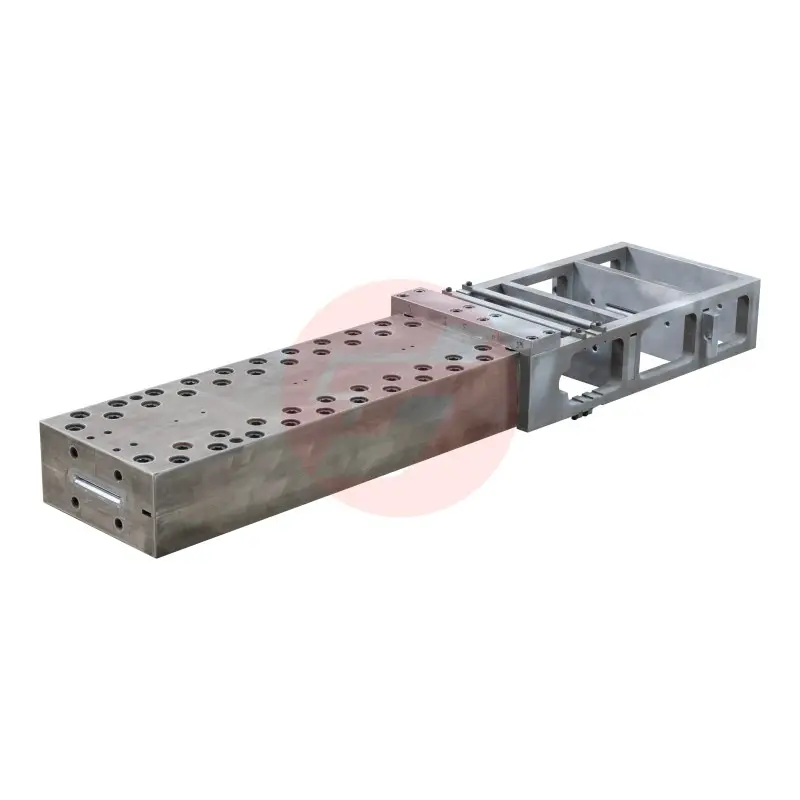
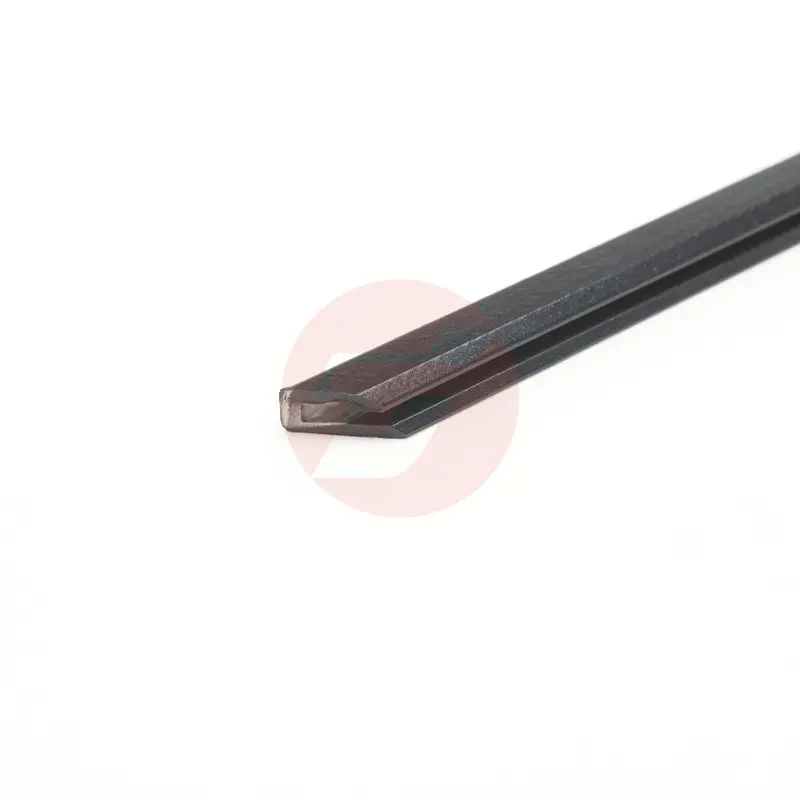
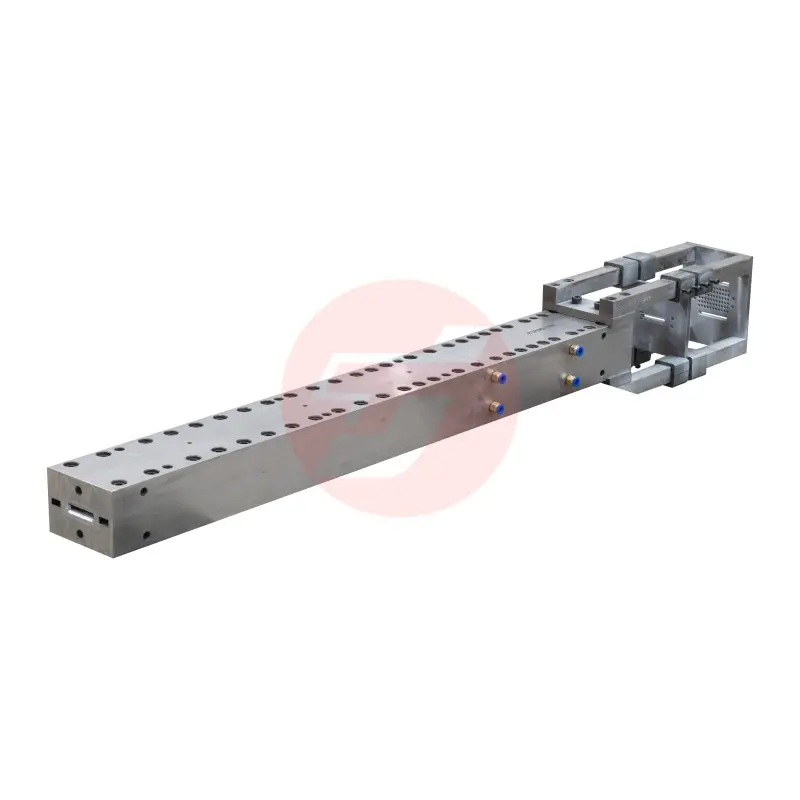
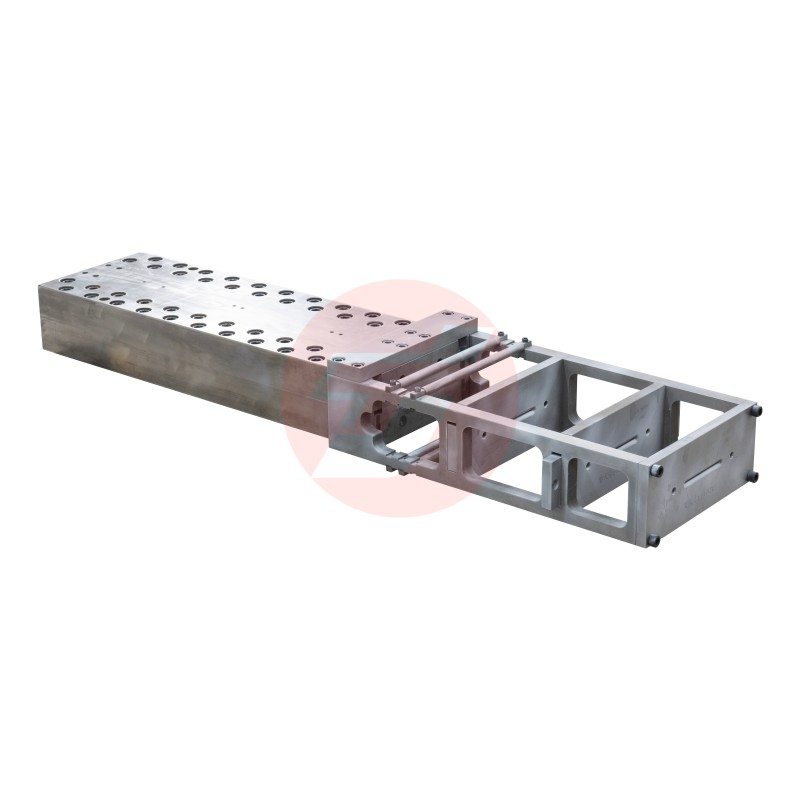
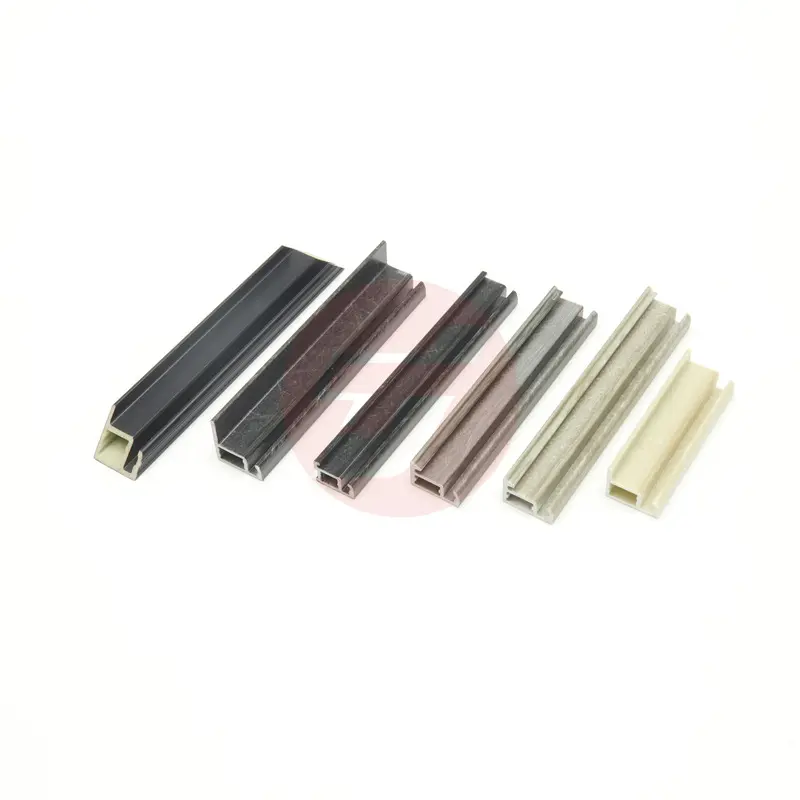
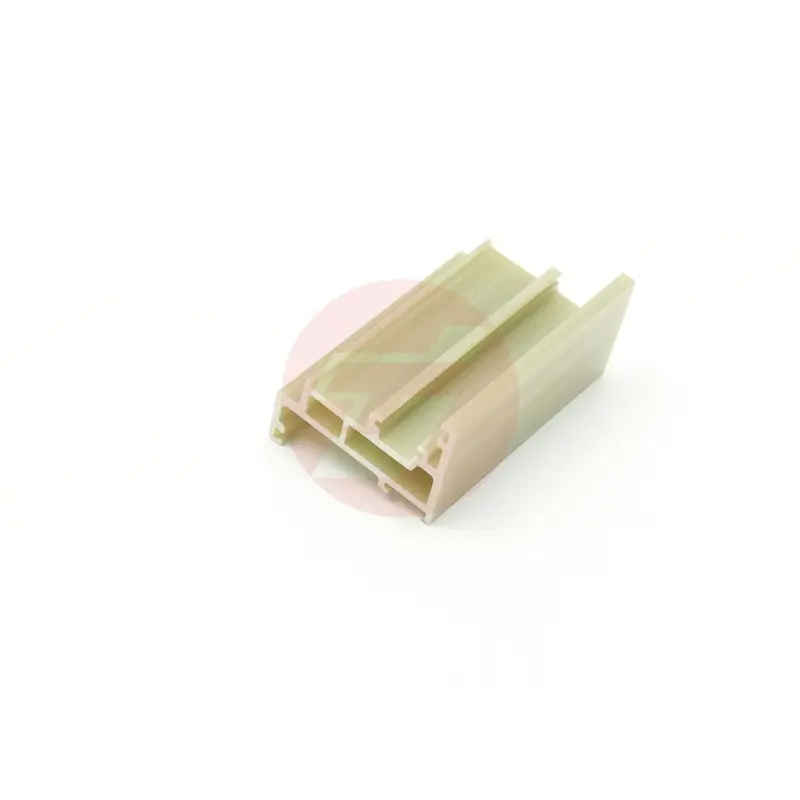
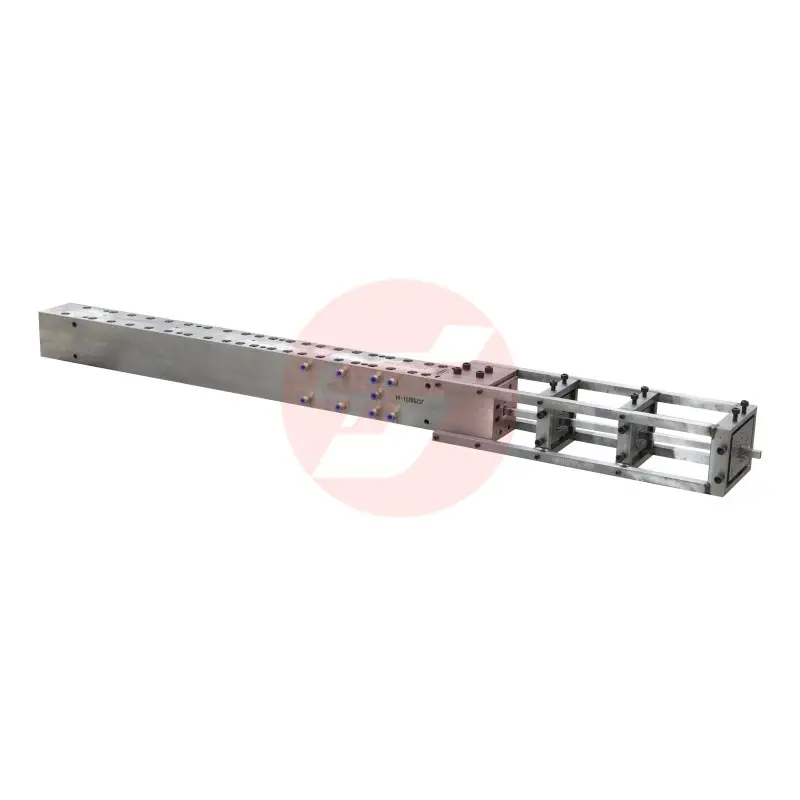
The structural composite pultrusion mold represents a sophisticated manufacturing tool designed specifically for producing continuous fiber-reinforced composite profiles through the pultrusion process. This specialized mold system serves as the foundation for creating high-performance structural components that combine exceptional strength-to-weight ratios with dimensional precision. The structural composite pultrusion mold operates by guiding continuous fibers, such as glass, carbon, or aramid, through a heated die cavity where they are impregnated with thermosetting resin and cured under controlled temperature and pressure conditions. The main functions of the structural composite pultrusion mold include fiber alignment, resin distribution, heat transfer, and profile shaping. The mold ensures consistent cross-sectional geometry while maintaining optimal fiber volume fractions throughout the manufacturing process. Technological features of the structural composite pultrusion mold encompass advanced heating systems, precision-machined cavities, and specialized coating technologies that prevent resin adhesion and ensure smooth part release. The mold incorporates multiple heating zones that allow for precise temperature control, enabling proper resin cure profiles and minimizing internal stresses. Surface treatments and release agents are carefully selected to extend mold life and maintain surface quality of finished products. Applications of the structural composite pultrusion mold span diverse industries including construction, infrastructure, transportation, and renewable energy. In construction applications, these molds produce structural beams, columns, and reinforcement bars that offer superior corrosion resistance compared to traditional steel components. Transportation sectors utilize structural composite pultrusion molds to manufacture lightweight yet robust components for automotive, aerospace, and marine applications. The renewable energy industry relies on these molds for producing wind turbine components, solar panel frames, and support structures that withstand harsh environmental conditions while maintaining structural integrity over extended service lives.


New Product Recommendations

The structural composite pultrusion mold delivers numerous practical benefits that directly impact manufacturing efficiency and product quality for businesses seeking advanced composite solutions. Cost effectiveness stands as a primary advantage, as the structural composite pultrusion mold enables continuous production processes that significantly reduce labor costs compared to traditional manufacturing methods. The automated nature of pultrusion using these specialized molds eliminates the need for manual layup procedures, resulting in consistent production rates and reduced manufacturing overhead. Material waste reduction represents another significant benefit, as the structural composite pultrusion mold utilizes precise fiber placement and resin metering systems that minimize excess material usage. This efficiency translates directly into lower raw material costs and improved profit margins for manufacturers. Quality consistency emerges as a crucial advantage, with the structural composite pultrusion mold ensuring uniform cross-sectional properties and dimensional accuracy across entire production runs. This reliability eliminates the variability associated with manual manufacturing processes and reduces quality control costs. Production speed advantages become evident through the continuous nature of the pultrusion process, where the structural composite pultrusion mold enables non-stop manufacturing once steady-state conditions are achieved. This capability allows manufacturers to meet tight delivery schedules and handle large-volume orders efficiently. Design flexibility benefits manufacturers by accommodating complex cross-sectional geometries that would be difficult or impossible to achieve through other composite manufacturing methods. The structural composite pultrusion mold can incorporate hollow sections, multiple chambers, and integrated features that enhance structural performance while reducing assembly requirements. Durability advantages ensure long-term value, as properly maintained structural composite pultrusion molds can produce thousands of linear feet of composite profiles before requiring refurbishment. This longevity amortizes tooling costs over extended production campaigns, improving overall manufacturing economics. Environmental benefits include reduced energy consumption compared to alternative manufacturing processes, as the structural composite pultrusion mold operates at relatively low temperatures and pressures while maintaining efficient heat transfer characteristics.

Latest News

How to Select Carbon Fiber Pultruded Profiles for Engineering Projects?

29

Dec

How to Select Carbon Fiber Pultruded Profiles for Engineering Projects?

Carbon fiber pultruded profiles represent one of the most advanced composite materials available for modern engineering applications. These lightweight yet incredibly strong structural components have revolutionized industries ranging from aerospace ...
View More
How to Evaluate the Quality of Glass Fiber Pultrusion Molds?

29

Dec

How to Evaluate the Quality of Glass Fiber Pultrusion Molds?

Manufacturing high-quality composite products requires precise tooling, and glass fiber pultrusion molds serve as the foundation for successful pultrusion processes. These specialized molds determine the dimensional accuracy, surface finish, and over...
View More
How Does Polyurethane Enhance Performance in Pultruded Components?

05

Jan

How Does Polyurethane Enhance Performance in Pultruded Components?

The construction and manufacturing industries are constantly seeking materials that deliver superior performance while maintaining cost-effectiveness. Polyurethane pultrusion has emerged as a revolutionary process that combines the excellent properti...
View More
How Do Carbon Fiber Pultruded Products Improve Structural Strength?

13

Feb

How Do Carbon Fiber Pultruded Products Improve Structural Strength?

Carbon fiber pultruded products represent a revolutionary advancement in structural engineering, offering exceptional strength-to-weight ratios that surpass traditional materials like steel and aluminum. These advanced composite materials are manufac...
View More

Get a Free Quote

A professional manufacturer of composite material molds.
Email
WhatsApp
Name
Company Name
Message
0/1000
Attachment
Please upload at least an attachment
Up to 3 files,more 30mb,suppor jpg、jpeg、png、pdf、doc、docx、xls、xlsx、csv、txt

structural composite pultrusion mold

Precision Engineering and Dimensional Accuracy

Precision Engineering and Dimensional Accuracy

The structural composite pultrusion mold showcases exceptional precision engineering that ensures dimensional accuracy and consistency throughout the manufacturing process. This precision begins with computer-aided design and manufacturing techniques that create mold cavities with tolerances measured in thousandths of an inch. The structural composite pultrusion mold utilizes advanced machining centers and quality control systems that verify dimensional accuracy before production begins. Temperature uniformity across the mold surface represents a critical aspect of precision engineering, as thermal variations can cause dimensional distortions in finished products. The structural composite pultrusion mold incorporates sophisticated heating element arrangements and thermal management systems that maintain consistent temperatures across all mold surfaces. This temperature control prevents warping, ensures proper resin cure, and maintains consistent material properties throughout the cross-section. Surface finish quality directly impacts both the appearance and performance of pultruded profiles, making it a crucial consideration in structural composite pultrusion mold design. Premium surface treatments, including specialized coatings and polishing procedures, ensure that finished products exhibit smooth surfaces that require minimal post-processing. The precision engineering of the structural composite pultrusion mold also extends to fiber guiding systems that maintain proper fiber alignment and prevent fiber bunching or separation during the pulling process. These guidance systems incorporate carefully designed entry angles and fiber tensioning mechanisms that ensure uniform fiber distribution across the cross-section. Quality assurance protocols built into the structural composite pultrusion mold manufacturing process include dimensional verification, surface roughness measurements, and thermal performance testing. These comprehensive quality checks ensure that each mold meets exacting specifications before delivery to customers. The precision engineering advantages translate into reduced scrap rates, improved surface quality, and enhanced structural properties in finished composite profiles, providing manufacturers with competitive advantages in their respective markets.
Advanced Thermal Management Systems

Advanced Thermal Management Systems

The structural composite pultrusion mold incorporates state-of-the-art thermal management systems that optimize the curing process and ensure consistent product quality throughout production runs. These advanced heating systems represent a significant technological advancement over conventional mold designs, providing precise temperature control that directly impacts resin cure kinetics and final material properties. The structural composite pultrusion mold utilizes multiple heating zones that can be independently controlled to create optimal temperature profiles for different resin systems and part geometries. This zonal heating capability allows manufacturers to fine-tune the curing process, preventing premature gelation while ensuring complete cross-linking of the resin matrix. Temperature sensors embedded throughout the structural composite pultrusion mold provide real-time feedback to control systems, enabling automatic adjustments that maintain target temperatures despite variations in ambient conditions or production parameters. The thermal mass characteristics of the structural composite pultrusion mold are carefully engineered to provide stable operating temperatures while minimizing energy consumption and startup times. Heat distribution uniformity across the mold surface eliminates hot spots and cold zones that could compromise product quality or cause processing difficulties. The structural composite pultrusion mold incorporates insulation systems that minimize heat loss to the environment while protecting operators from high-temperature surfaces. Advanced materials used in thermal management components resist thermal cycling damage and maintain performance characteristics over extended service periods. Cooling systems integrated into the structural composite pultrusion mold enable rapid temperature changes when switching between different resin formulations or part configurations, reducing downtime and improving production flexibility. Energy efficiency features built into the thermal management systems reduce operating costs while maintaining optimal processing conditions. The sophisticated thermal control capabilities of the structural composite pultrusion mold enable processing of advanced resin systems that require precise temperature profiles for optimal performance, expanding the range of applications and material options available to manufacturers.
Durability and Long-Term Performance

Durability and Long-Term Performance

The structural composite pultrusion mold demonstrates exceptional durability and long-term performance characteristics that provide sustained value for manufacturing operations over many years of continuous use. Material selection for the structural composite pultrusion mold focuses on tool steels and specialized alloys that resist wear, corrosion, and thermal fatigue while maintaining dimensional stability under repeated heating and cooling cycles. These premium materials undergo specialized heat treatment procedures that optimize hardness, toughness, and thermal conductivity properties essential for extended service life. Surface treatments applied to the structural composite pultrusion mold include advanced coatings that prevent resin adhesion while resisting chemical attack from aggressive resin systems and cleaning solvents. The durability engineering of the structural composite pultrusion mold incorporates stress analysis and fatigue testing to identify potential failure modes before they occur in production environments. Reinforcement features built into critical stress areas extend mold life by distributing loads evenly and preventing crack initiation. The structural composite pultrusion mold design accommodates thermal expansion and contraction through carefully engineered clearances and expansion joints that prevent binding or distortion during temperature cycling. Maintenance accessibility features enable routine inspection and servicing procedures that preserve mold performance throughout its operational lifetime. Modular construction techniques used in structural composite pultrusion mold fabrication allow replacement of individual components without complete mold replacement, reducing maintenance costs and minimizing production downtime. Predictive maintenance capabilities built into modern structural composite pultrusion mold monitoring systems track performance parameters and alert operators to developing issues before they cause production interruptions. Quality documentation provided with each structural composite pultrusion mold includes material certifications, dimensional reports, and performance test results that establish baseline conditions for future reference. The exceptional durability characteristics of the structural composite pultrusion mold translate into lower total cost of ownership, improved production reliability, and consistent product quality that enhances customer satisfaction and market competitiveness for manufacturing operations across diverse industrial applications.

Get a Free Quote

A professional manufacturer of composite material molds.
Email
WhatsApp
Name
Company Name
Message
0/1000
Attachment
Please upload at least an attachment
Up to 3 files,more 30mb,suppor jpg、jpeg、png、pdf、doc、docx、xls、xlsx、csv、txt