
 EN
EN
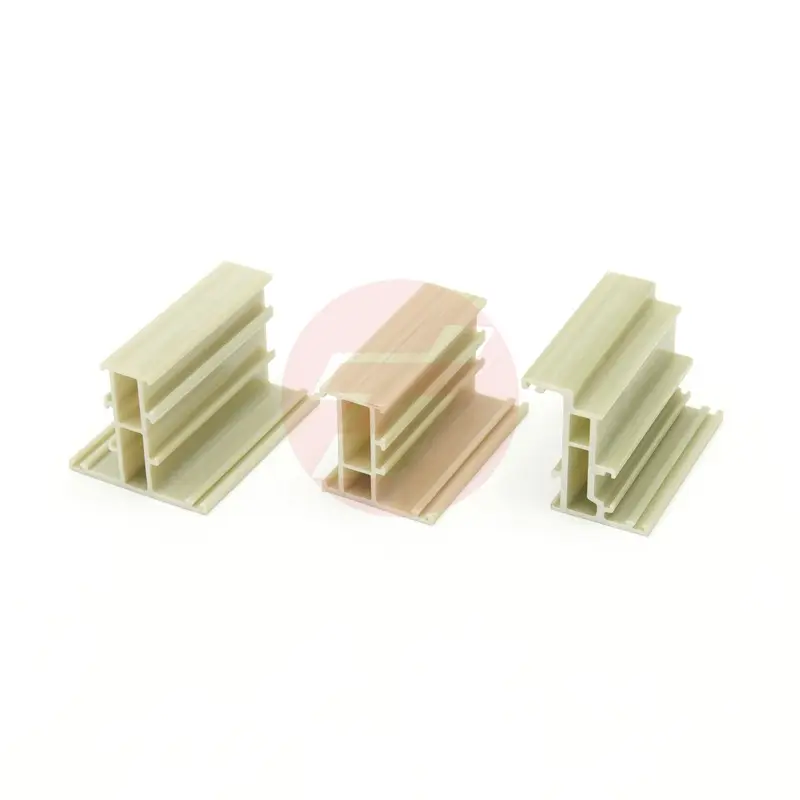
Composite material pultrusion molds represent a critical advancement in modern materials engineering, enabling manufacturers to produce consistently strong, lightweight profiles for demanding industrial applications. The precision and durability of composite material pultrusion molds directly determine the quality, dimensional accuracy, and performance characteristics of the final composite profiles. Whether designing aerospace components, automotive structures, or infrastructure elements, understanding how composite material pultrusion molds function is essential for engineers and procurement professionals seeking to optimize both production efficiency and end-product reliability.
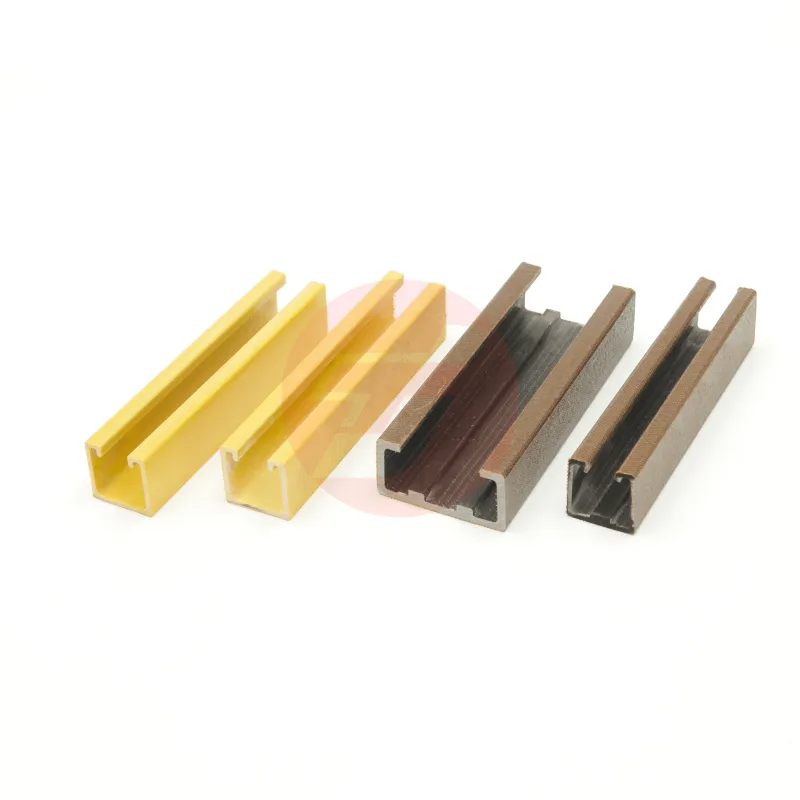
The role of composite material pultrusion molds extends far beyond simple shape definition. These specialized tooling solutions actively shape fiber orientation, control resin flow, regulate cure temperature distribution, and ensure uniform cross-sectional properties throughout the manufactured profile. By maintaining precise thermal and mechanical conditions, composite material pultrusion molds deliver the dimensional stability and structural integrity required in high-performance applications where material failure poses unacceptable operational and safety risks.
How Composite Material Pultrusion Molds Control Profile Architecture
Fiber Alignment and Directional Strength
Composite material pultrusion molds guide continuous fiber reinforcement through their internal channels with exacting precision, establishing the fiber orientation that determines directional strength properties. The mold cavity geometry directly influences whether fibers remain aligned longitudinally for maximum tensile strength or achieve multi-directional orientation for enhanced shear and torsional resistance. Advanced composite material pultrusion molds incorporate specialized guide surfaces that minimize fiber waviness and prevent random fiber buckling, which would otherwise create stress concentration points and premature failure zones within the final profile.
The internal surface finish of composite material pultrusion molds significantly affects fiber contact and pack density. Smooth, precisely machined surfaces within composite material pultrusion molds allow fibers to slide smoothly without snagging, breakage, or localized displacement that compromises structural continuity. Engineers designing composite material pultrusion molds must balance fiber pack density against resin flow requirements, as excessive fiber compression blocks resin penetration while insufficient fiber density reduces load-bearing capacity and overall profile strength.
Resin Distribution and Saturation Control
Composite material pultrusion molds function as sophisticated resin delivery systems, controlling the quantity, viscosity, and flow rate of thermosetting resins that bind fiber reinforcement into solid composite structures. The mold cavity design within composite material pultrusion molds establishes pressure zones that force resin into every fiber interstitial space, eliminating voids that would otherwise create weak points susceptible to moisture ingress, microcracking, and accelerated fatigue failure. Properly designed composite material pultrusion molds maintain controlled backpressure that prevents excessive resin bleeding while ensuring complete fiber wet-out across the entire cross-section.
Resin flow pathways within composite material pultrusion molds must be optimized to prevent starvation zones where insufficient resin reaches certain areas, leaving dry fiber bundles with minimal binder and compromised mechanical properties. Advanced composite material pultrusion molds incorporate graduated channel widths, strategic flow gates, and pressure distribution features that equalize resin flow across complex profile geometries, ensuring homogeneous composite density and consistent strength throughout the entire manufactured part.
Thermal Management and Cure Process Integration
Temperature Control for Optimal Resin Curing
Composite material pultrusion molds operate as precision thermal instruments, maintaining controlled temperature environments that accelerate resin polymerization while preventing thermal degradation or incomplete cross-linking that weakens the final composite structure. The heating systems integrated into composite material pultrusion molds must provide uniform temperature distribution across all mold surfaces, preventing hot spots that accelerate local curing and create internal stress concentrations. Thermocouples embedded throughout composite material pultrusion molds allow real-time temperature monitoring and closed-loop control systems that maintain cure temperature within strict tolerances, typically ±2–5°C, depending on resin chemistry requirements.
The cure rate directly correlates with final composite properties, including glass transition temperature, crosslink density, and mechanical strength. Composite material pultrusion molds designed with efficient thermal pathways reduce overall cure time while improving throughput, but excessive heating rate within composite material pultrusion molds can trap volatile byproducts and create internal porosity that reduces structural reliability. Optimal thermal profiles within composite material pultrusion molds balance production speed against quality requirements, typically maintaining steady-state temperatures between 120–180°C depending on polyester, vinyl ester, or epoxy resin formulation.
Dimensional Stability During and After Curing
Composite material pultrusion molds must accommodate thermal expansion and contraction cycles while maintaining fixed dimensional boundaries that define the final profile geometry. The material composition and thermal expansion coefficients of composite material pultrusion molds significantly influence the degree of dimensional consistency achieved across successive production runs. Steel or aluminum-based composite material pultrusion molds expand predictably under heating, but their mold cavity dimensions must be pre-adjusted during design to compensate for thermal growth, ensuring the final composite profile meets specified tolerances after cooling to room temperature.
Post-cure shrinkage in composite material pultrusion molds represents another critical consideration, as thermosetting resins experience volumetric contraction during and after the exothermic curing reaction. Composite material pultrusion molds engineered with slightly over-sized cavities can accommodate this shrinkage, releasing the composite profile at its intended final dimensions. Inadequate shrinkage compensation in composite material pultrusion molds results in undersized profiles that fail to meet dimensional requirements or require costly secondary machining operations.
Material Selection and Durability Optimization
Mold Material Composition for Extended Service Life
Composite material pultrusion molds must withstand aggressive chemical exposure from uncured resins, thermal cycling stress from repeated heating and cooling, and mechanical wear from continuous fiber passage. High-carbon steel, stainless steel, and aluminum-copper alloys represent the primary material choices for composite material pultrusion molds, each offering distinct advantages in terms of thermal conductivity, hardness, corrosion resistance, and cost-effectiveness. Composite material pultrusion molds fabricated from tool steel provide superior hardness and wear resistance, extending service life across thousands of production cycles while maintaining dimensional consistency and surface finish quality that directly influences composite profile surface texture and integrity.
Surface coatings applied to composite material pultrusion molds provide additional protection against resin adhesion, chemical attack, and erosive wear from fiber reinforcement. Chromium plating, nickel-based coatings, and specialized polymeric release agents enhance the performance characteristics of composite material pultrusion molds while reducing maintenance requirements and unplanned production downtime. The investment in high-quality composite material pultrusion molds and protective coatings directly translates into lower production costs per unit when amortized across extended operational lifespans and consistent quality output.
Precision Manufacturing of Mold Cavities
The cavity geometry within composite material pultrusion molds must be machined to exacting tolerances, typically ±0.05–0.1 mm across critical profile dimensions, ensuring consistent composite profile dimensions and properties throughout the production run. CNC machining, wire EDM (electrical discharge machining), and precision polishing operations create the smooth, accurately dimensioned cavities that define composite material pultrusion molds' core functionality. Investment in high-precision machining centers and skilled technical expertise during fabrication of composite material pultrusion molds directly determines whether the final manufactured profiles meet customer specifications and performance requirements consistently.
Quality control procedures during fabrication of composite material pultrusion molds include coordinate measuring machine (CMM) verification, surface profilometry analysis, and flow simulation software validation that confirms mold cavity geometry, resin distribution characteristics, and thermal performance before production startup. Composite material pultrusion molds that fail to meet manufacturing tolerances during the fabrication phase may produce out-of-specification profiles throughout their operational lifetime, resulting in customer returns, warranty claims, and reputational damage.
FAQ
What specific advantages do composite material pultrusion molds provide compared to other molding technologies?
Composite material pultrusion molds enable continuous fiber-reinforced profile production at significantly higher throughput rates than alternative molding methods such as injection molding, compression molding, or filament winding. The composite material pultrusion molds create profiles with exceptional strength-to-weight ratios, superior dimensional accuracy, and consistent mechanical properties across lengthy production runs. Pultrusion technology utilizing composite material pultrusion molds reduces production waste, material costs, and energy consumption while delivering finished composite profiles with minimal post-production finishing requirements.
How do manufacturers ensure quality consistency in profiles produced from composite material pultrusion molds?
Quality consistency in composite material pultrusion molds depends on stable resin chemistry formulation, precise mold temperature control, consistent fiber tension during pulling, and regular mold maintenance including cleaning and release agent reapplication. In-line quality monitoring systems inspect composite profiles emerging from composite material pultrusion molds for dimensional accuracy, surface defects, and fiber content verification. Composite material pultrusion molds require periodic recalibration and surface restoration as wear accumulates from extended production runs, ensuring dimensional stability and minimizing dimensional drift that compromises final product quality.
What industries benefit most from high-performance profiles manufactured using composite material pultrusion molds?
Industries including aerospace, automotive, infrastructure, renewable energy, marine, and construction extensively utilize profiles manufactured from composite material pultrusion molds where lightweight, high-strength, corrosion-resistant structural elements are essential. Wind turbine blade spars, aircraft fuselage stiffeners, automotive crash structures, bridge reinforcement beams, and piping systems all depend on the consistent high-performance characteristics delivered by composite material pultrusion molds. Chemical processing, utility construction, and industrial equipment manufacturing industries increasingly specify pultrusion-molded composites for their superior properties and cost-competitive production economics.
Table of Contents
- How Composite Material Pultrusion Molds Control Profile Architecture
- Thermal Management and Cure Process Integration
- Material Selection and Durability Optimization
-
FAQ
- What specific advantages do composite material pultrusion molds provide compared to other molding technologies?
- How do manufacturers ensure quality consistency in profiles produced from composite material pultrusion molds?
- What industries benefit most from high-performance profiles manufactured using composite material pultrusion molds?