Thermal Resistant Unsaturated Pultruded Components - High-Performance Solutions for Extreme Temperature Applications

All Categories

Get a Free Quote

A professional manufacturer of composite material molds.
Email
WhatsApp
Name
Company Name
Message
0/1000
Attachment
Please upload at least an attachment
Up to 3 files,more 30mb,suppor jpg、jpeg、png、pdf、doc、docx、xls、xlsx、csv、txt

thermal resistant unsaturated pultruded components

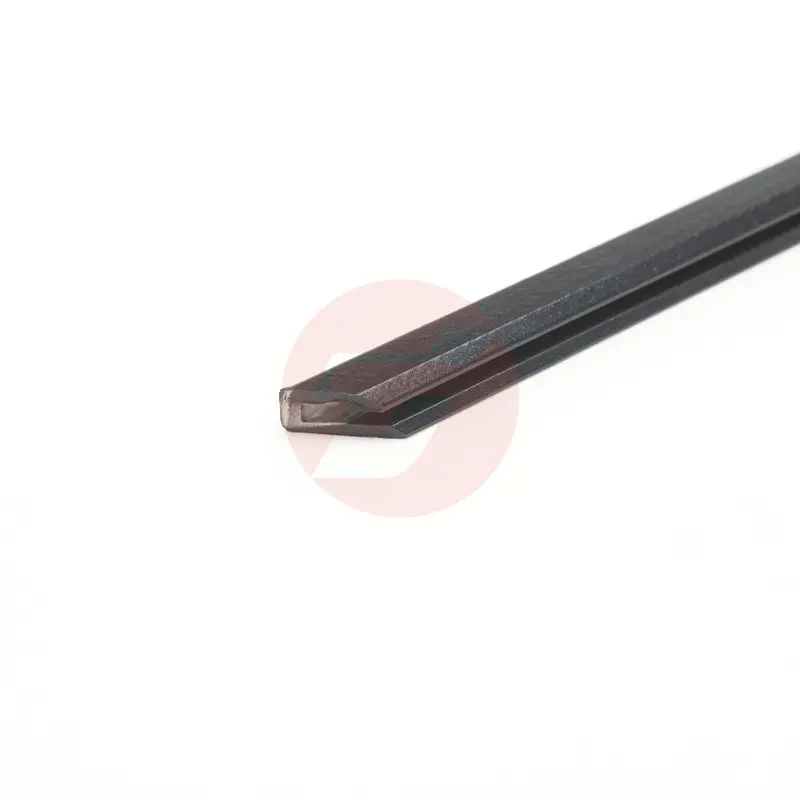
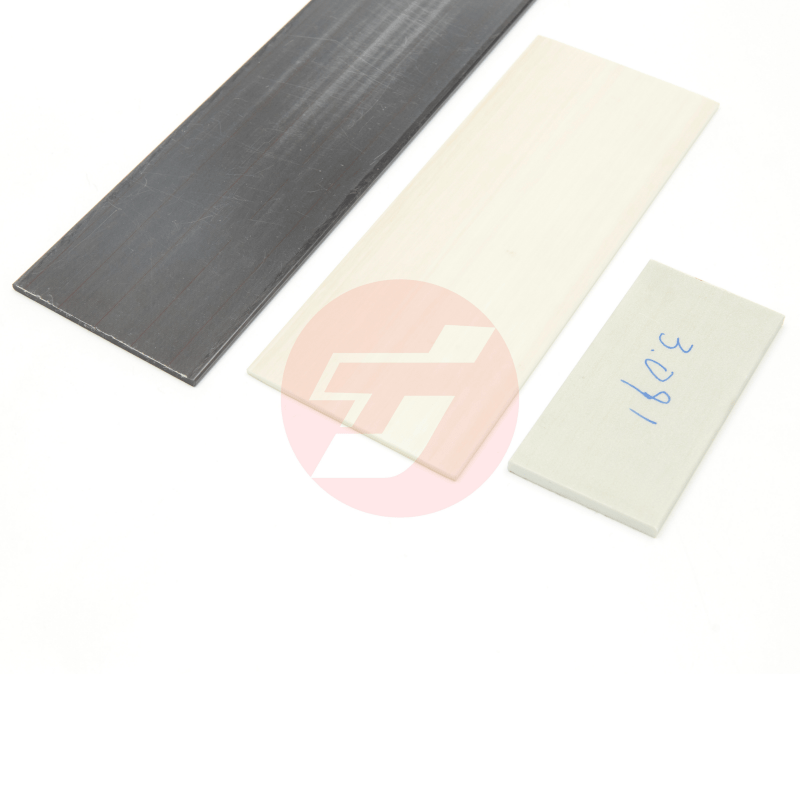
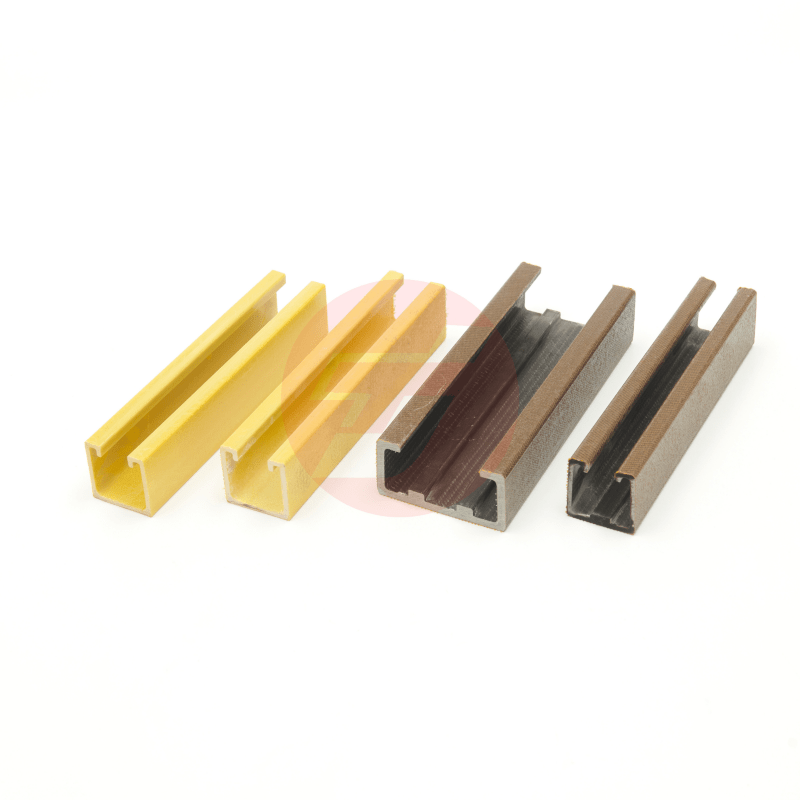
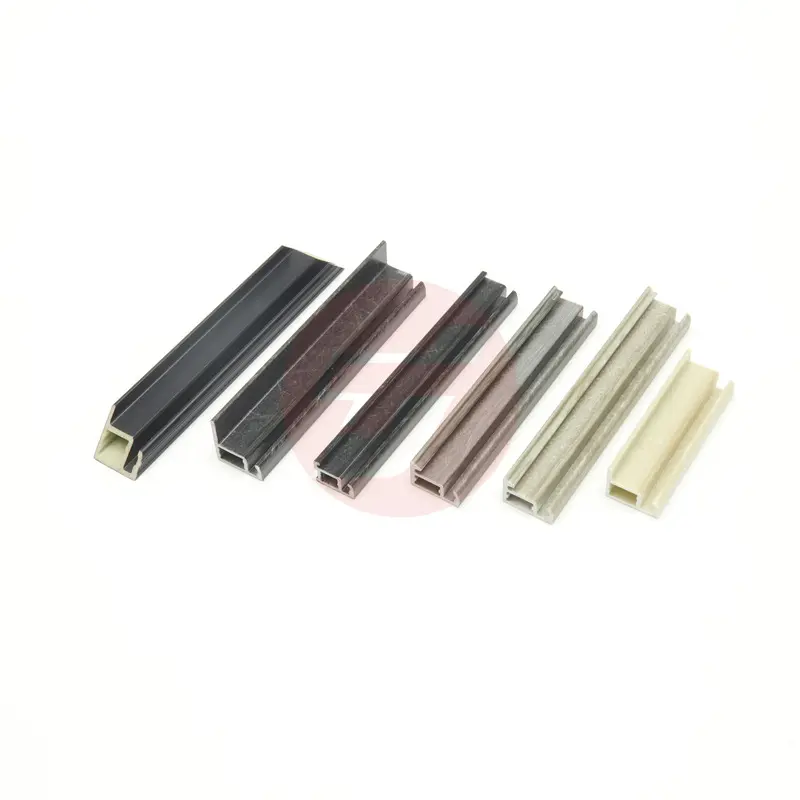
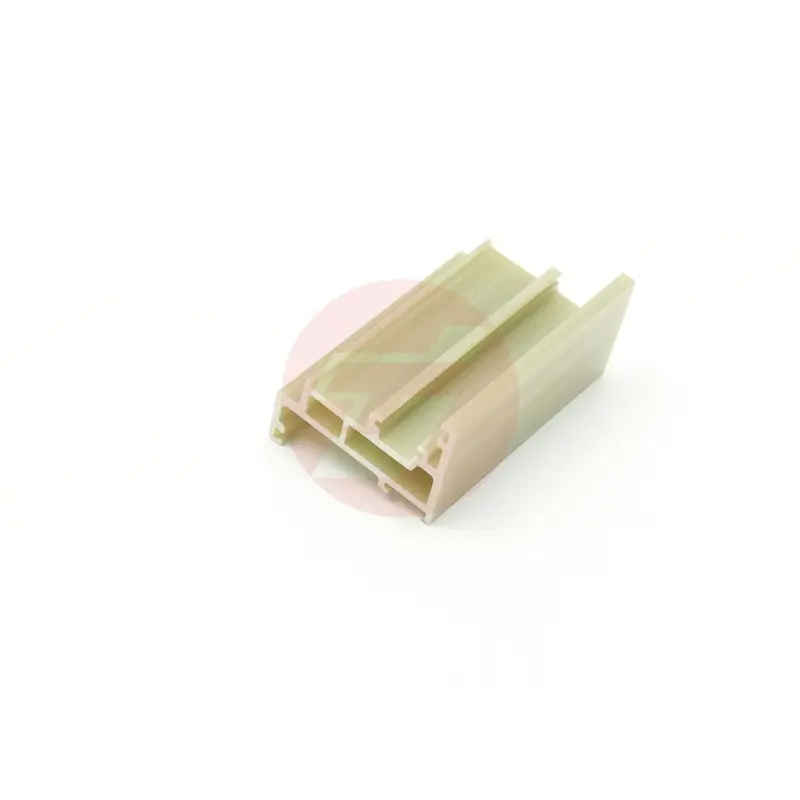
Thermal resistant unsaturated pultruded components represent a revolutionary advancement in composite material technology, engineered to withstand extreme temperature conditions while maintaining structural integrity and performance. These components utilize specialized unsaturated polyester or vinyl ester resin systems combined with high-quality fiber reinforcements, primarily fiberglass, through the pultrusion manufacturing process. The main functions of thermal resistant unsaturated pultruded components include providing structural support in high-temperature environments, offering dimensional stability under thermal cycling, and delivering consistent mechanical properties across varying temperature ranges. The technological features of these components encompass enhanced heat deflection temperatures, superior chemical resistance, and optimized fiber-to-resin ratios that maximize thermal performance. The pultrusion process ensures continuous fiber alignment, resulting in exceptional directional strength and thermal conductivity management. These components incorporate specialized flame retardant additives and thermal stabilizers that prevent degradation at elevated temperatures, typically performing reliably up to 200°C depending on the specific formulation. Applications for thermal resistant unsaturated pultruded components span multiple industries including power generation, chemical processing, aerospace, automotive, and industrial manufacturing. In power plants, these components serve as structural elements in cooling systems and electrical enclosures. Chemical processing facilities utilize them for piping supports, walkways, and equipment housings where corrosive chemicals and high temperatures coexist. The aerospace industry employs these components in engine compartments and thermal barriers. Automotive applications include exhaust system components and heat shields. Industrial manufacturing benefits from their use in oven frameworks, heat exchanger supports, and thermal insulation systems. The unique combination of thermal resistance, mechanical strength, and corrosion resistance makes thermal resistant unsaturated pultruded components ideal for replacing traditional materials like steel and aluminum in demanding environments.

New Product Releases

Thermal resistant unsaturated pultruded components offer substantial advantages that directly translate to cost savings, improved performance, and enhanced operational efficiency for businesses across various sectors. These components deliver exceptional longevity in high-temperature applications, reducing replacement frequency and maintenance costs significantly compared to traditional materials. The lightweight nature of these components, typically 70-80% lighter than steel equivalents, simplifies installation procedures and reduces structural load requirements, leading to decreased foundation costs and easier handling during construction or maintenance activities. Manufacturing facilities benefit from the superior corrosion resistance these components provide, eliminating the need for protective coatings and regular painting schedules required by metal alternatives. This corrosion immunity extends service life substantially, often exceeding 25-30 years in harsh chemical environments where steel would fail within years. The electrical insulation properties of thermal resistant unsaturated pultruded components eliminate the risk of electrical conductivity issues, enhancing safety in electrical applications and reducing insurance premiums. These components maintain dimensional stability under thermal cycling, preventing warping, expansion, or contraction that could compromise system integrity or require frequent adjustments. The smooth surface finish naturally resists bacterial growth and chemical buildup, reducing cleaning requirements and maintaining hygiene standards in food processing or pharmaceutical applications. Installation teams appreciate the ease of machining and fabrication these components offer, allowing for on-site modifications without specialized equipment or extensive training. The fire-retardant properties built into thermal resistant unsaturated pultruded components meet stringent safety codes without additional treatment, streamlining approval processes and ensuring compliance. Energy efficiency improves through the low thermal conductivity of these components, reducing heat loss in thermal systems and lowering operational costs. The consistent quality achieved through the pultrusion process eliminates material variability concerns, ensuring predictable performance and reducing quality control expenses. Supply chain advantages include lighter shipping weights, reduced freight costs, and easier inventory management compared to heavy metal alternatives.

Latest News

How to Evaluate the Quality of Glass Fiber Pultrusion Molds?

29

Dec

How to Evaluate the Quality of Glass Fiber Pultrusion Molds?

Manufacturing high-quality composite products requires precise tooling, and glass fiber pultrusion molds serve as the foundation for successful pultrusion processes. These specialized molds determine the dimensional accuracy, surface finish, and over...
View More
Why Are Photovoltaic Frame Pultrusion Molds Key to Panel Stability?

05

Jan

Why Are Photovoltaic Frame Pultrusion Molds Key to Panel Stability?

Solar panel manufacturing requires precision engineering at every stage, particularly when it comes to creating the structural frames that protect and support photovoltaic cells. The photovoltaic frame pultrusion mold represents a critical component ...
View More
Which Applications Benefit Most From Carbon Fiber Pultruded Components?

13

Feb

Which Applications Benefit Most From Carbon Fiber Pultruded Components?

Carbon fiber pultruded components have revolutionized manufacturing across numerous industries, offering exceptional strength-to-weight ratios and superior durability compared to traditional materials. These advanced composite structures are created ...
View More
What Factors Determine the Lifespan of Carbon Fiber Pultruded Products?

13

Feb

What Factors Determine the Lifespan of Carbon Fiber Pultruded Products?

Carbon fiber pultrusion represents one of the most advanced manufacturing processes for creating high-performance composite materials with exceptional strength-to-weight ratios. This innovative technique produces continuous fiber-reinforced profiles ...
View More

Get a Free Quote

A professional manufacturer of composite material molds.
Email
WhatsApp
Name
Company Name
Message
0/1000
Attachment
Please upload at least an attachment
Up to 3 files,more 30mb,suppor jpg、jpeg、png、pdf、doc、docx、xls、xlsx、csv、txt

thermal resistant unsaturated pultruded components

Superior Temperature Performance and Thermal Stability

Superior Temperature Performance and Thermal Stability

Thermal resistant unsaturated pultruded components excel in maintaining structural integrity and mechanical properties under extreme temperature conditions, setting them apart from conventional materials in demanding industrial applications. These components withstand continuous operating temperatures up to 200°C while preserving their load-bearing capacity, dimensional accuracy, and surface quality throughout extended exposure periods. The advanced resin matrix system incorporates specialized thermal stabilizers and heat-resistant additives that prevent polymer degradation, chain scission, and property deterioration commonly experienced by standard composite materials. This thermal stability directly translates to reduced downtime, lower replacement costs, and improved system reliability for operations requiring consistent performance under heat stress. Industries such as power generation, steel production, and chemical processing benefit enormously from this temperature resilience, as equipment can operate continuously without the thermal expansion issues, warping, or strength reduction associated with metal components. The glass transition temperature of these thermal resistant unsaturated pultruded components remains significantly higher than operating conditions, ensuring the material maintains its rigid, load-bearing characteristics rather than becoming flexible or soft. This property proves crucial in applications like furnace supports, kiln frameworks, and high-temperature piping systems where structural failure could result in catastrophic equipment damage or safety hazards. The thermal cycling resistance prevents fatigue failure from repeated heating and cooling cycles, a common failure mode in industrial environments where temperatures fluctuate regularly. Manufacturing facilities appreciate how these components maintain precise tolerances even after thousands of thermal cycles, eliminating the need for constant readjustment or replacement of worn parts. The consistent performance across temperature ranges allows engineers to design systems with greater confidence, knowing that thermal resistant unsaturated pultruded components will deliver predictable results regardless of seasonal temperature variations or process heat fluctuations.
Enhanced Chemical Resistance and Environmental Durability

Enhanced Chemical Resistance and Environmental Durability

The exceptional chemical resistance of thermal resistant unsaturated pultruded components provides unmatched protection against aggressive chemicals, corrosive environments, and harsh atmospheric conditions that rapidly degrade traditional materials. These components demonstrate superior performance when exposed to acids, bases, solvents, and salt solutions, maintaining their structural properties and appearance without requiring protective coatings or frequent maintenance interventions. The crosslinked polymer matrix creates an impermeable barrier that prevents chemical penetration, eliminating the electrochemical corrosion processes that destroy metal components in similar environments. This chemical immunity proves invaluable in wastewater treatment facilities, chemical processing plants, marine applications, and industrial environments where equipment faces constant exposure to corrosive substances. Unlike steel or aluminum components that require expensive protective systems, regular inspection schedules, and frequent replacement due to corrosion damage, thermal resistant unsaturated pultruded components maintain their integrity for decades without degradation. The surface smoothness naturally resists chemical buildup and scaling, reducing cleaning requirements and maintaining optimal flow characteristics in piping applications. Environmental durability extends beyond chemical resistance to include UV stability, preventing the brittleness and color degradation that affects many polymer materials under prolonged sunlight exposure. This UV resistance ensures outdoor installations maintain their mechanical properties and aesthetic appearance throughout their service life without requiring protective covers or frequent replacement. The non-porous surface prevents moisture absorption that could compromise dimensional stability or promote microbial growth in humid environments. Salt spray resistance makes these components ideal for coastal installations where traditional materials suffer rapid deterioration from salt-laden air. The combination of chemical resistance and environmental durability eliminates the lifecycle costs associated with protective treatments, replacement schedules, and system downtime, providing substantial economic advantages over traditional material alternatives while ensuring reliable long-term performance in the most challenging operating conditions.
Manufacturing Precision and Customization Capabilities

Manufacturing Precision and Customization Capabilities

The pultrusion manufacturing process used to create thermal resistant unsaturated pultruded components delivers exceptional dimensional accuracy, consistent quality, and extensive customization options that meet specific application requirements while maintaining cost-effectiveness for both standard and specialized designs. This continuous manufacturing process ensures uniform fiber distribution, precise wall thickness control, and consistent mechanical properties throughout the entire length of each component, eliminating the quality variations common in hand-layup or other composite manufacturing methods. Engineers benefit from the ability to specify exact dimensions, cross-sectional shapes, and performance characteristics, knowing that thermal resistant unsaturated pultruded components will meet these specifications consistently across production runs. The process accommodates complex hollow shapes, integrated features, and multi-chamber designs that would be difficult or impossible to achieve with traditional materials or manufacturing methods. Customization extends to fiber architecture, allowing optimization of strength-to-weight ratios for specific load conditions and directional requirements. Surface treatments, colors, and textures can be incorporated during manufacturing, eliminating secondary operations and reducing overall project costs. The tooling flexibility enables rapid prototype development and small-batch production runs, supporting innovation and quick response to changing market demands. Quality control systems integrated throughout the pultrusion process ensure consistent resin content, fiber alignment, and cure completion, resulting in predictable performance and reduced field failures. The manufacturing precision achieves tolerances typically associated with machined metal components while maintaining the lightweight and corrosion-resistant advantages of composite construction. Design engineers appreciate the ability to incorporate mounting features, connection points, and assembly aids directly into the component geometry, simplifying installation and reducing assembly time. The scalability of the pultrusion process accommodates everything from small precision components to large structural elements while maintaining the same quality standards and performance characteristics. This manufacturing capability enables thermal resistant unsaturated pultruded components to replace multiple traditional components with single integrated solutions, reducing part count, assembly complexity, and potential failure points in critical applications.


Get a Free Quote

A professional manufacturer of composite material molds.
Email
WhatsApp
Name
Company Name
Message
0/1000
Attachment
Please upload at least an attachment
Up to 3 files,more 30mb,suppor jpg、jpeg、png、pdf、doc、docx、xls、xlsx、csv、txt