Advanced Composite Frame Products - Lightweight, Durable Structural Solutions for Modern Applications

All Categories

Get a Free Quote

A professional manufacturer of composite material molds.
Email
WhatsApp
Name
Company Name
Message
0/1000
Attachment
Please upload at least an attachment
Up to 3 files,more 30mb,suppor jpg、jpeg、png、pdf、doc、docx、xls、xlsx、csv、txt

composite frame products

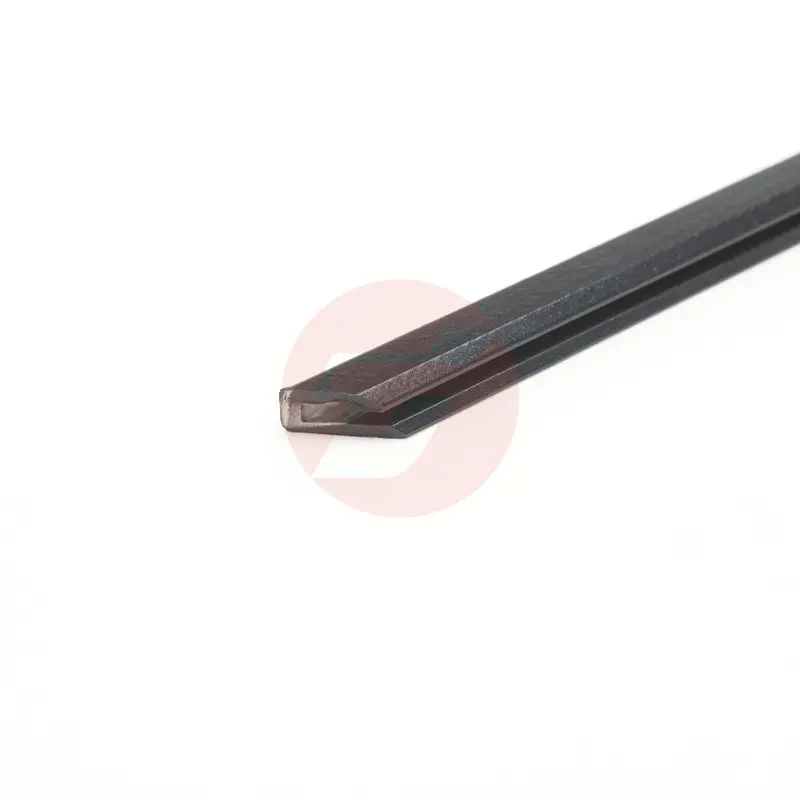
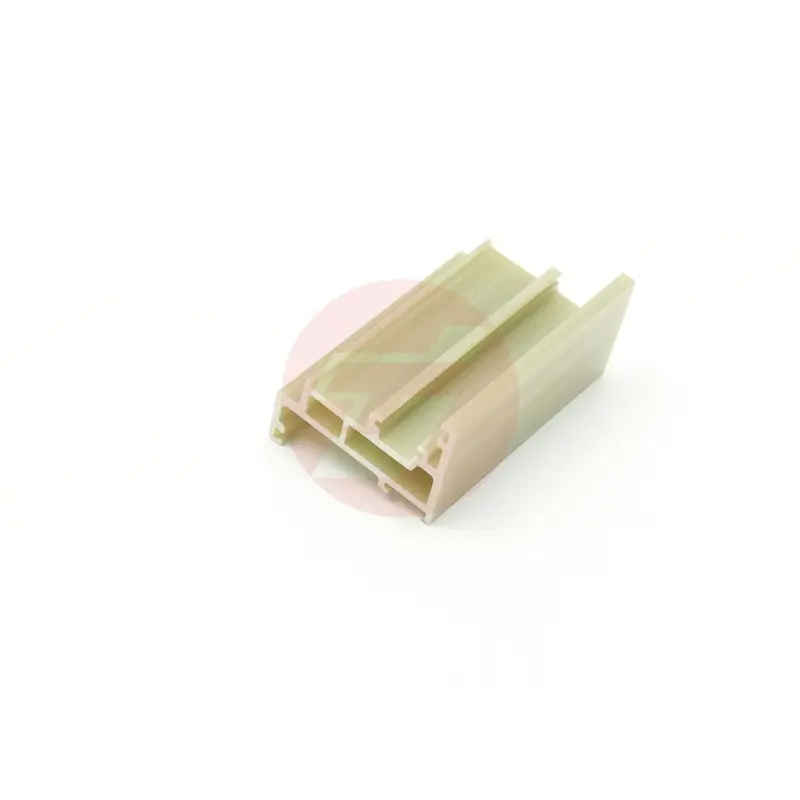
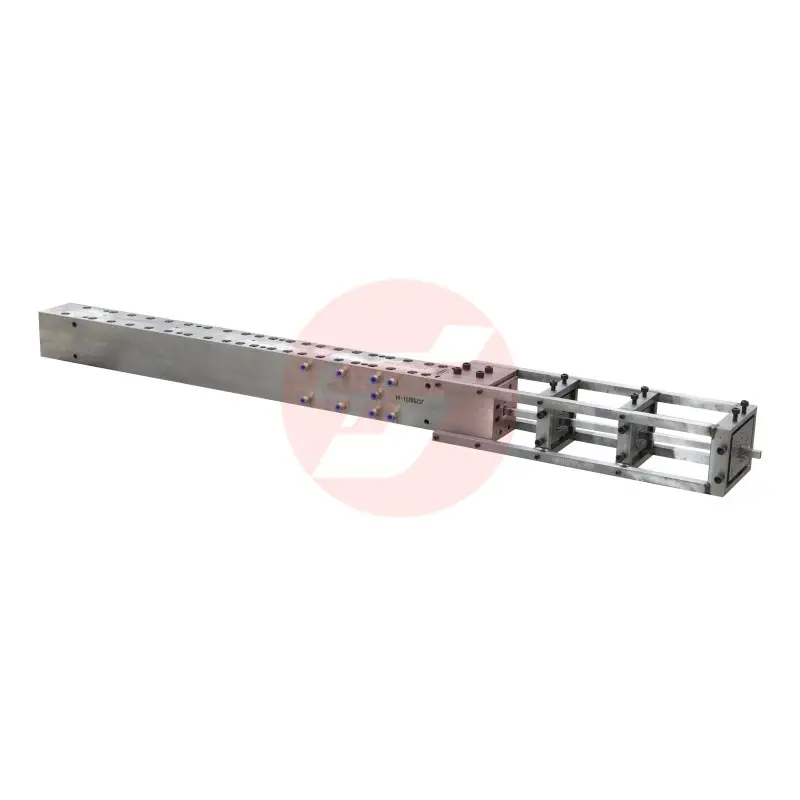
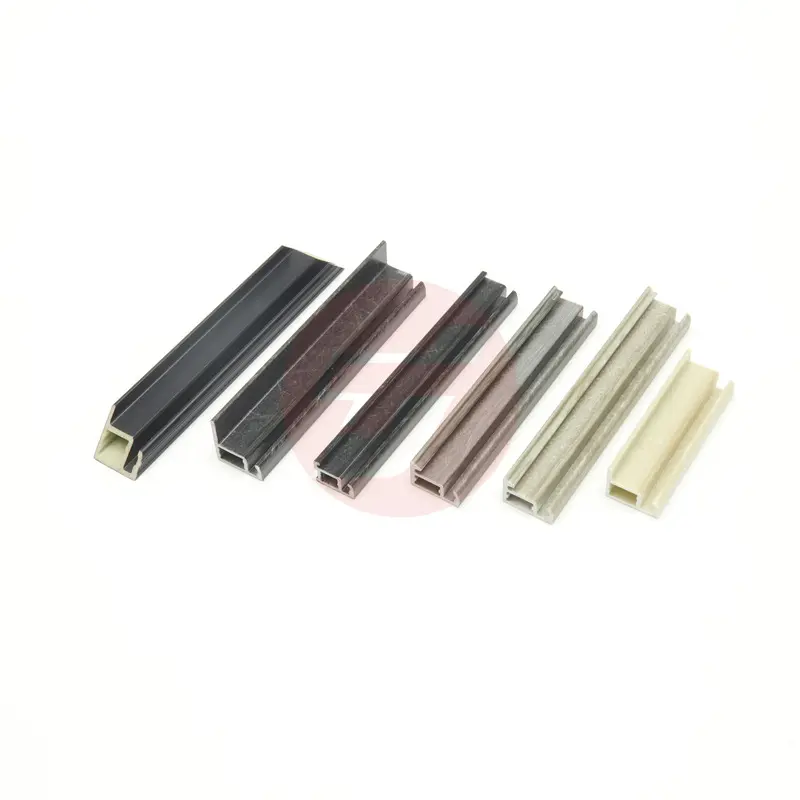
Composite frame products represent a revolutionary advancement in structural engineering and construction technology, combining multiple materials to create lightweight yet incredibly strong frameworks. These innovative solutions merge the best properties of different materials such as carbon fiber, fiberglass, aluminum, and advanced polymers to deliver superior performance across diverse applications. The primary function of composite frame products centers on providing structural support while maintaining exceptional strength-to-weight ratios that traditional materials cannot match. These frameworks excel in environments where weight reduction is critical without compromising structural integrity or load-bearing capacity. The technological features of composite frame products include advanced fiber orientation techniques that optimize directional strength, proprietary resin systems that enhance durability and weather resistance, and precision manufacturing processes that ensure consistent quality and dimensional accuracy. Manufacturing involves sophisticated layup techniques, automated fiber placement, and controlled curing processes that maximize material properties. The applications for composite frame products span numerous industries including aerospace, automotive, marine, construction, and renewable energy sectors. In aerospace applications, these frames provide essential structural components for aircraft fuselages, wing assemblies, and control surfaces where weight savings directly translate to fuel efficiency improvements. Automotive manufacturers utilize composite frame products in high-performance vehicles, electric car chassis, and body panels to enhance performance while reducing overall vehicle weight. Marine applications include boat hulls, deck structures, and mast assemblies that benefit from corrosion resistance and reduced maintenance requirements. Construction projects incorporate composite frame products in curtain wall systems, bridge components, and architectural elements that demand both aesthetic appeal and structural performance. Wind energy applications utilize composite frame products in turbine blade structures and tower components that must withstand extreme environmental conditions while maintaining operational efficiency over decades of service life.


Popular Products

Composite frame products deliver exceptional weight reduction benefits that significantly outperform traditional metal alternatives, often achieving weight savings of thirty to fifty percent while maintaining equivalent or superior strength characteristics. This dramatic weight reduction translates directly into improved fuel efficiency for vehicles, reduced foundation requirements for buildings, and enhanced portability for portable structures. The strength advantages of composite frame products stem from their ability to be engineered with directional properties that match specific load requirements, creating optimized performance that exceeds what uniform materials can achieve. These products resist fatigue failure much better than metals, maintaining structural integrity through millions of load cycles without developing crack propagation or stress concentration points that plague conventional materials. Corrosion resistance represents another major advantage, as composite frame products do not rust, corrode, or degrade when exposed to harsh environmental conditions including saltwater, acids, or alkaline substances that destroy metal frameworks over time. This corrosion immunity eliminates expensive protective coating requirements and reduces long-term maintenance costs substantially. Thermal properties of composite frame products provide excellent insulation characteristics and low thermal expansion coefficients, preventing structural distortion during temperature fluctuations that cause metal frames to expand and contract problematically. The manufacturing flexibility of composite frame products allows for complex geometries and integrated features that would require multiple components and assembly steps with traditional materials, reducing part counts and assembly time while improving overall system reliability. Design freedom enables engineers to create optimized shapes that follow load paths efficiently, eliminating stress concentrations and material waste common in metal fabrication constraints. Electrical properties of composite frame products include excellent electrical insulation and electromagnetic transparency, making them ideal for applications near sensitive electronic equipment or radar systems where metal interference creates operational problems. Vibration damping characteristics inherent in composite materials reduce noise transmission and improve user comfort in applications ranging from automotive panels to building facades. The longevity advantages of composite frame products include resistance to environmental degradation, minimal maintenance requirements, and service lives that often exceed fifty years with proper design and manufacturing quality control measures.

Latest News

How to Evaluate the Quality of Glass Fiber Pultrusion Molds?

29

Dec

How to Evaluate the Quality of Glass Fiber Pultrusion Molds?

Manufacturing high-quality composite products requires precise tooling, and glass fiber pultrusion molds serve as the foundation for successful pultrusion processes. These specialized molds determine the dimensional accuracy, surface finish, and over...
View More
Why Are Epoxy Pultrusion Products Ideal for High-Strength Applications?

29

Dec

Why Are Epoxy Pultrusion Products Ideal for High-Strength Applications?

Epoxy pultrusion represents a revolutionary manufacturing process that combines the superior strength properties of epoxy resins with the continuous production capabilities of pultrusion technology. This advanced composite manufacturing method has tr...
View More
How Does Polyurethane Enhance Performance in Pultruded Components?

05

Jan

How Does Polyurethane Enhance Performance in Pultruded Components?

The construction and manufacturing industries are constantly seeking materials that deliver superior performance while maintaining cost-effectiveness. Polyurethane pultrusion has emerged as a revolutionary process that combines the excellent properti...
View More
How Do Carbon Fiber Pultruded Products Improve Structural Strength?

13

Feb

How Do Carbon Fiber Pultruded Products Improve Structural Strength?

Carbon fiber pultruded products represent a revolutionary advancement in structural engineering, offering exceptional strength-to-weight ratios that surpass traditional materials like steel and aluminum. These advanced composite materials are manufac...
View More

Get a Free Quote

A professional manufacturer of composite material molds.
Email
WhatsApp
Name
Company Name
Message
0/1000
Attachment
Please upload at least an attachment
Up to 3 files,more 30mb,suppor jpg、jpeg、png、pdf、doc、docx、xls、xlsx、csv、txt

composite frame products

Superior Strength-to-Weight Performance Revolution

Superior Strength-to-Weight Performance Revolution

The strength-to-weight performance of composite frame products represents a fundamental breakthrough in materials engineering that transforms how designers approach structural challenges across multiple industries. This revolutionary characteristic stems from the unique ability to orient reinforcing fibers precisely along primary load paths, creating directional strength properties that can be tailored to specific application requirements with unprecedented precision. Unlike traditional materials that possess uniform properties in all directions, composite frame products can be engineered to provide maximum strength exactly where needed while minimizing weight in areas subjected to lower stress levels. The practical implications of this strength-to-weight advantage extend far beyond simple material substitution, enabling entirely new design possibilities that were previously impossible with conventional materials. In aerospace applications, composite frame products allow aircraft manufacturers to reduce structural weight by thousands of pounds while maintaining safety factors required for commercial aviation, directly translating into substantial fuel savings and increased payload capacity over the aircraft's operational lifetime. Automotive engineers leverage this strength-to-weight performance to create vehicle structures that improve acceleration, braking, and handling characteristics while simultaneously enhancing fuel economy and reducing emissions. The construction industry benefits from composite frame products that can span greater distances with smaller structural members, creating more open interior spaces and reducing foundation loads that translate into significant cost savings during building construction. Marine applications showcase how strength-to-weight advantages enable larger vessel designs with improved speed and efficiency characteristics while reducing hull thickness requirements that traditionally limited design flexibility. This performance revolution extends to sporting goods, wind energy, and infrastructure applications where every pound of weight reduction multiplies into system-wide performance improvements and operational cost reductions that provide compelling return on investment calculations for decision makers.
Exceptional Durability and Maintenance-Free Operation

Exceptional Durability and Maintenance-Free Operation

The exceptional durability characteristics of composite frame products fundamentally alter lifecycle cost calculations and maintenance planning across diverse applications, providing maintenance-free operation that eliminates recurring expenses associated with traditional material systems. This remarkable durability stems from the inherent corrosion resistance of composite materials that do not oxidize, rust, or chemically degrade when exposed to harsh environmental conditions including saltwater exposure, chemical contact, ultraviolet radiation, and extreme temperature cycling. Unlike metal frameworks that require regular inspection, protective coating renewal, and eventual replacement due to corrosion damage, composite frame products maintain their structural properties and appearance throughout decades of service without intervention. The molecular structure of properly designed composite frame products creates a barrier against moisture penetration and chemical attack that preserves the integrity of reinforcing fibers and matrix materials indefinitely under normal service conditions. This durability advantage proves particularly valuable in marine environments where saltwater exposure destroys metal structures rapidly, requiring expensive maintenance schedules and premature replacement cycles that composite alternatives eliminate entirely. Industrial applications benefit from composite frame products that withstand exposure to acids, bases, solvents, and other aggressive chemicals that would corrode metal frameworks within months or years of installation. The fatigue resistance of composite frame products exceeds metal alternatives by orders of magnitude, preventing crack initiation and propagation that leads to catastrophic failure in cyclically loaded structures such as bridges, cranes, and rotating machinery components. UV stability engineered into modern composite frame products prevents degradation from solar exposure that affects many materials over time, maintaining appearance and mechanical properties throughout extended outdoor exposure. Temperature stability characteristics ensure that composite frame products maintain dimensional accuracy and structural properties across wide temperature ranges without the expansion and contraction cycles that create stress concentrations and joint failures in metal systems.
Design Flexibility and Manufacturing Integration Benefits

Design Flexibility and Manufacturing Integration Benefits

The design flexibility and manufacturing integration capabilities of composite frame products revolutionize product development processes by eliminating traditional constraints imposed by metal fabrication limitations and enabling complex geometries that optimize performance while reducing part counts and assembly requirements. This design freedom stems from the moldable nature of composite materials during manufacturing, allowing engineers to create integrated structures that incorporate multiple functions within single components rather than requiring assembled systems of separate parts with associated joints, fasteners, and potential failure points. The manufacturing process for composite frame products enables the creation of hollow sections, variable wall thicknesses, integrated attachment points, and complex curvatures that would require expensive machining operations or impossible forming processes with traditional materials. This integration capability reduces manufacturing costs, assembly time, and quality control requirements while improving overall system reliability through the elimination of mechanical joints that represent potential failure modes in traditional construction methods. Tooling flexibility in composite manufacturing allows for rapid prototyping and design iteration cycles that accelerate product development timelines compared to metal fabrication processes that require expensive tooling changes for each design modification. The ability to embed sensors, wiring, or other functional elements directly within composite frame products during manufacturing creates smart structures with integrated monitoring capabilities that provide real-time performance feedback and predictive maintenance information. Surface finish quality achievable with composite frame products eliminates secondary finishing operations required for metal components, providing smooth surfaces with excellent paint adhesion and aesthetic appeal directly from the manufacturing process. Color integration possibilities allow composite frame products to incorporate pigments throughout the material thickness rather than relying on surface coatings, creating permanent color that cannot chip, scratch, or fade over time. The scalability of composite manufacturing processes accommodates both high-volume production runs and custom one-off applications with equal efficiency, providing flexibility that metal fabrication cannot match across diverse market requirements and production volumes.

Get a Free Quote

A professional manufacturer of composite material molds.
Email
WhatsApp
Name
Company Name
Message
0/1000
Attachment
Please upload at least an attachment
Up to 3 files,more 30mb,suppor jpg、jpeg、png、pdf、doc、docx、xls、xlsx、csv、txt