Industrial Composite Tooling for Beams: Advanced Manufacturing Solutions for Superior Performance

All Categories

Get a Free Quote

A professional manufacturer of composite material molds.
Email
WhatsApp
Name
Company Name
Message
0/1000
Attachment
Please upload at least an attachment
Up to 3 files,more 30mb,suppor jpg、jpeg、png、pdf、doc、docx、xls、xlsx、csv、txt

industrial composite tooling for beams

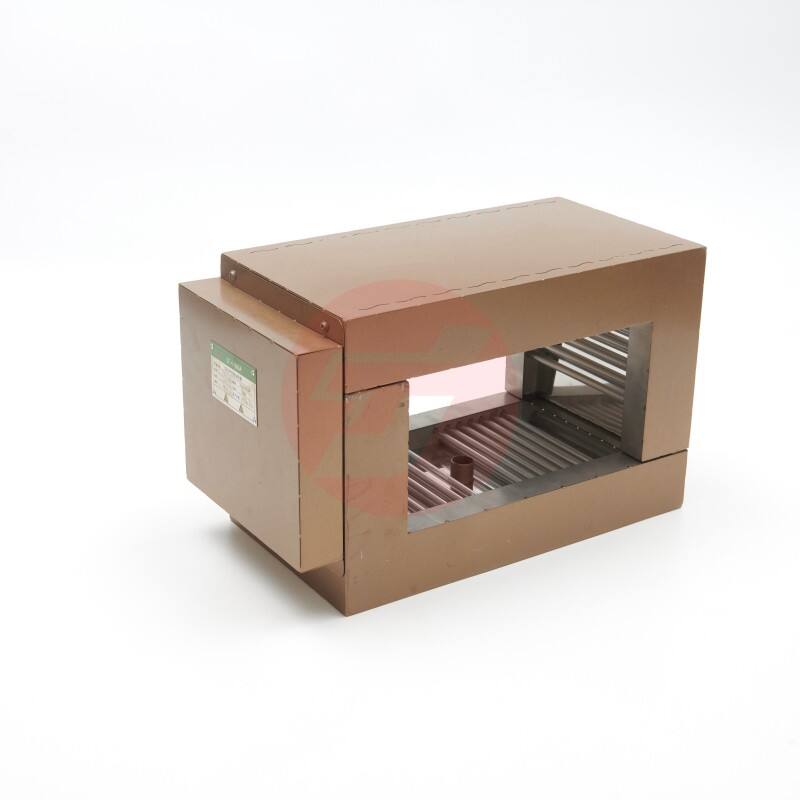
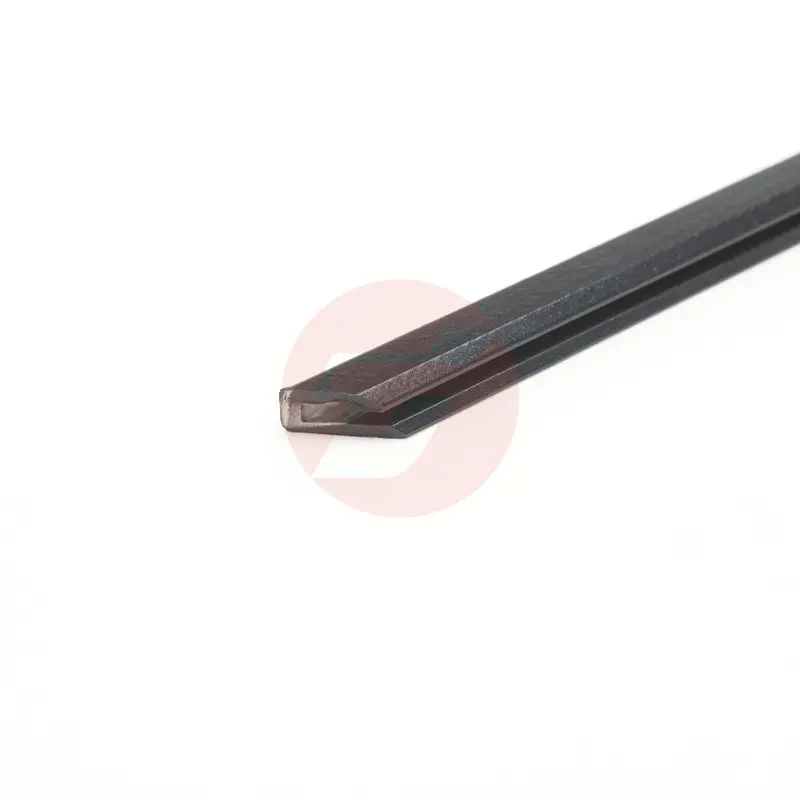
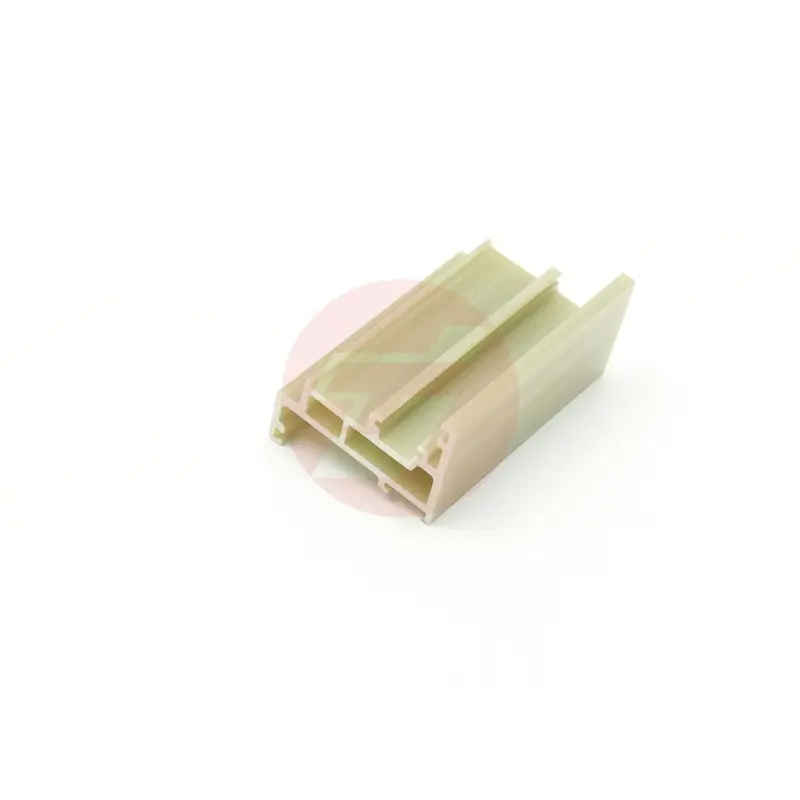
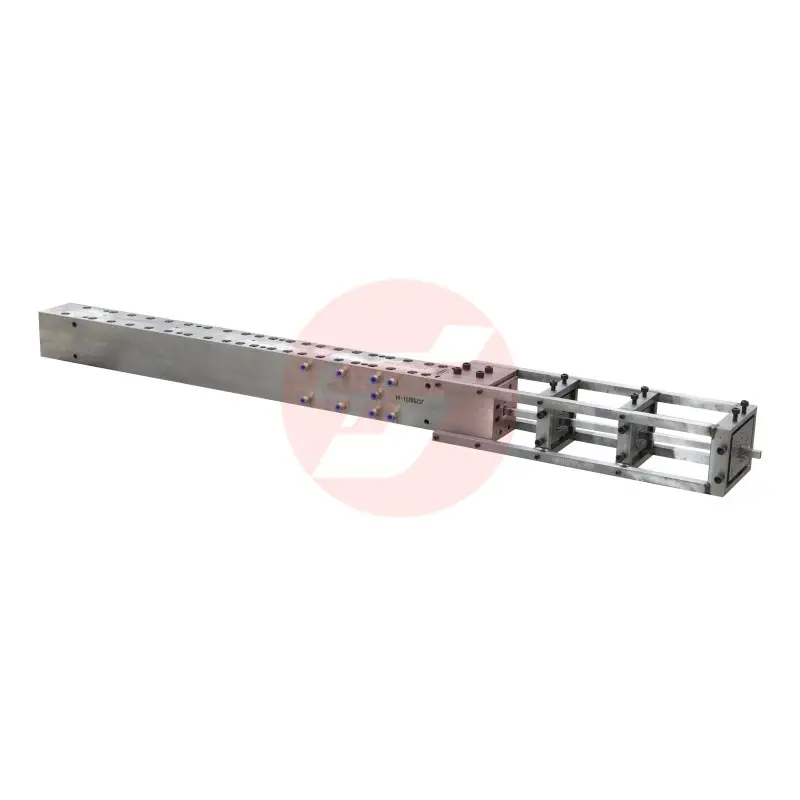
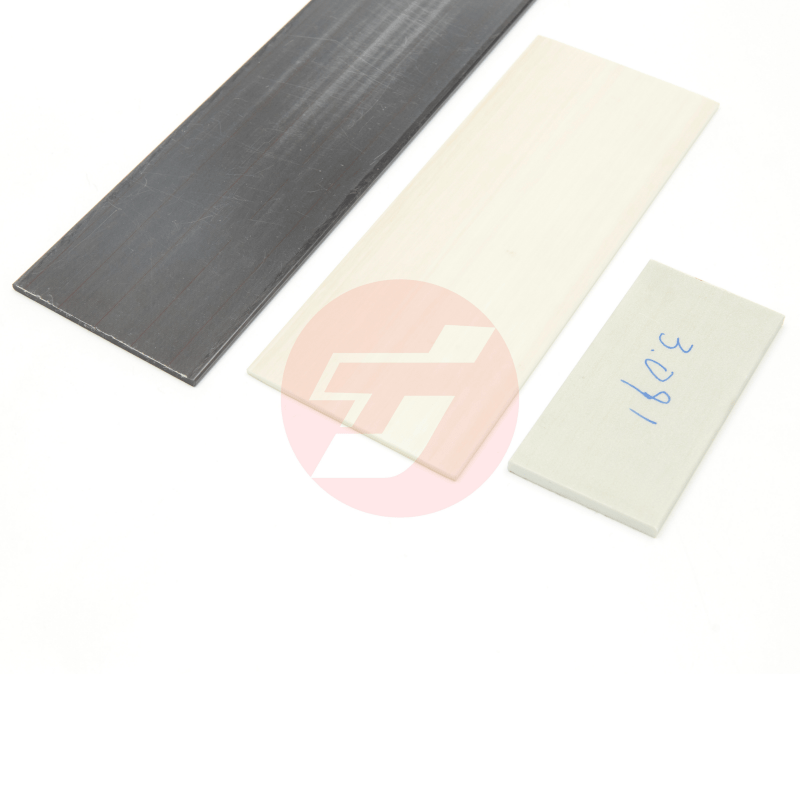
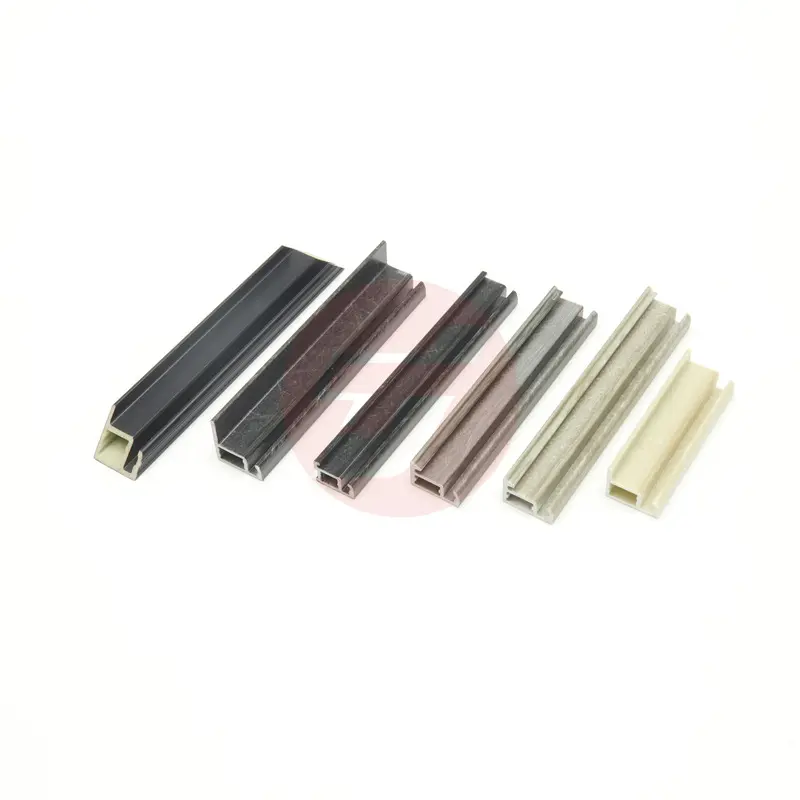
Industrial composite tooling for beams represents a revolutionary manufacturing solution that transforms how construction and aerospace industries create high-performance structural components. This specialized tooling system utilizes advanced composite materials and precision engineering to produce beams with exceptional strength-to-weight ratios and dimensional accuracy. The industrial composite tooling for beams serves as the foundation for manufacturing processes that demand consistent quality, reduced production time, and enhanced structural integrity. These sophisticated tools incorporate carbon fiber, fiberglass, and other composite materials to create durable forming surfaces that withstand repeated production cycles. The technology enables manufacturers to produce complex beam geometries with tight tolerances while maintaining cost-effectiveness across large production runs. Industrial composite tooling for beams features modular designs that accommodate various beam configurations, from simple I-beams to intricate curved structures used in modern architecture and transportation applications. The tooling systems integrate seamlessly with automated production lines, supporting both hand lay-up and resin transfer molding processes. Temperature resistance capabilities ensure consistent performance across diverse manufacturing environments, while the non-reactive surfaces prevent contamination of finished products. Modern industrial composite tooling for beams incorporates advanced release systems that facilitate easy part removal without surface damage. The precision-machined surfaces deliver superior finish quality, reducing post-production processing requirements. These tools support sustainable manufacturing practices through extended service life and recyclable materials. Quality control features built into the tooling design enable real-time monitoring of production parameters, ensuring each beam meets stringent specifications. The versatility of industrial composite tooling for beams extends to prototyping applications, where rapid design iterations require flexible tooling solutions that adapt quickly to changing requirements.


New Products

Industrial composite tooling for beams delivers exceptional durability that significantly outperforms traditional metal tooling systems. The composite construction resists corrosion, thermal expansion, and wear, resulting in longer tool life and reduced replacement costs. Manufacturers experience substantial cost savings through decreased maintenance requirements and extended production runs without quality degradation. The lightweight nature of industrial composite tooling for beams reduces handling complexity and operator fatigue during setup and changeover procedures. This weight advantage translates to improved workplace safety and increased production efficiency. The superior surface finish quality achieved with composite tooling eliminates many secondary finishing operations, streamlining the manufacturing process and reducing labor costs. Temperature stability ensures consistent part dimensions across varying environmental conditions, critical for maintaining quality standards in demanding applications. Industrial composite tooling for beams offers remarkable design flexibility, enabling the creation of complex geometries that would be difficult or impossible with conventional tooling materials. The ability to incorporate cooling channels, vacuum ports, and other functional features directly into the tool structure enhances process control and part quality. Shorter lead times for tool manufacturing accelerate project timelines and improve time-to-market for new products. The chemical resistance of composite materials prevents degradation from exposure to resins, solvents, and other production chemicals commonly used in beam manufacturing. Thermal insulation properties of industrial composite tooling for beams improve energy efficiency in heated molding processes while maintaining precise temperature control. The modular design approach allows manufacturers to reconfigure tooling setups quickly for different beam specifications, maximizing production flexibility. Reduced vibration transmission during machining operations results in improved surface quality and dimensional accuracy. The ability to embed sensors and monitoring systems within the tool structure enables advanced process monitoring and quality assurance. Environmental benefits include reduced energy consumption during manufacturing and disposal phases, supporting sustainable production initiatives. Investment returns are typically realized within the first year of operation through reduced cycle times, improved yields, and lower operational costs.

Tips And Tricks

How to Evaluate the Quality of Glass Fiber Pultrusion Molds?

29

Dec

How to Evaluate the Quality of Glass Fiber Pultrusion Molds?

Manufacturing high-quality composite products requires precise tooling, and glass fiber pultrusion molds serve as the foundation for successful pultrusion processes. These specialized molds determine the dimensional accuracy, surface finish, and over...
View More
Why Are Epoxy Pultrusion Products Ideal for High-Strength Applications?

29

Dec

Why Are Epoxy Pultrusion Products Ideal for High-Strength Applications?

Epoxy pultrusion represents a revolutionary manufacturing process that combines the superior strength properties of epoxy resins with the continuous production capabilities of pultrusion technology. This advanced composite manufacturing method has tr...
View More
Why Are Photovoltaic Frame Pultrusion Molds Key to Panel Stability?

05

Jan

Why Are Photovoltaic Frame Pultrusion Molds Key to Panel Stability?

Solar panel manufacturing requires precision engineering at every stage, particularly when it comes to creating the structural frames that protect and support photovoltaic cells. The photovoltaic frame pultrusion mold represents a critical component ...
View More
Which Applications Benefit Most From Carbon Fiber Pultruded Components?

13

Feb

Which Applications Benefit Most From Carbon Fiber Pultruded Components?

Carbon fiber pultruded components have revolutionized manufacturing across numerous industries, offering exceptional strength-to-weight ratios and superior durability compared to traditional materials. These advanced composite structures are created ...
View More

Get a Free Quote

A professional manufacturer of composite material molds.
Email
WhatsApp
Name
Company Name
Message
0/1000
Attachment
Please upload at least an attachment
Up to 3 files,more 30mb,suppor jpg、jpeg、png、pdf、doc、docx、xls、xlsx、csv、txt

industrial composite tooling for beams

Advanced Material Performance and Longevity

Advanced Material Performance and Longevity

Industrial composite tooling for beams utilizes cutting-edge composite materials that deliver unmatched performance characteristics compared to traditional tooling solutions. The proprietary blend of carbon fiber, epoxy resins, and specialized additives creates tools that maintain structural integrity through thousands of production cycles. This exceptional durability stems from the inherent properties of composite materials, which resist the thermal cycling, chemical exposure, and mechanical stress that typically degrade conventional tooling. The coefficient of thermal expansion closely matches that of composite parts being manufactured, ensuring consistent dimensional accuracy across temperature variations. Manufacturers benefit from significantly reduced downtime for tool maintenance and replacement, directly impacting production efficiency and profitability. The surface hardness and wear resistance of industrial composite tooling for beams surpass steel alternatives while maintaining the precision required for high-quality beam production. Advanced manufacturing techniques ensure uniform material distribution throughout the tool structure, eliminating weak points that could lead to premature failure. The fatigue resistance of these composite tools enables sustained operation under cyclic loading conditions common in automated production environments. Quality assurance protocols verify material properties and structural integrity before tools enter service, guaranteeing consistent performance throughout their operational life. The investment in industrial composite tooling for beams pays dividends through extended service intervals and predictable replacement schedules that support long-term production planning. Environmental resistance protects tools from degradation due to humidity, UV exposure, and chemical contact, maintaining surface quality and dimensional stability. The composite construction also provides excellent vibration damping properties that contribute to improved machining accuracy and surface finish quality on produced beams.
Precision Engineering and Dimensional Accuracy

Precision Engineering and Dimensional Accuracy

Industrial composite tooling for beams incorporates precision engineering principles that ensure exceptional dimensional accuracy and surface quality in manufactured components. Advanced CAD/CAM systems guide the manufacturing process, creating tools with tolerances measured in micrometers rather than millimeters. The stable composite material structure maintains these precise dimensions throughout the tool's service life, eliminating the dimensional drift common with metal tooling systems. Sophisticated measurement and quality control systems verify dimensional accuracy at multiple stages of tool production, ensuring each tool meets stringent specifications before delivery. The surface finish achieved through precision machining of composite materials eliminates the need for extensive post-processing of manufactured beams, reducing production time and costs. Industrial composite tooling for beams features integrated alignment systems and reference points that facilitate accurate tool setup and part positioning during production. The coefficient of thermal expansion matching between tool and part materials ensures dimensional stability across varying temperature conditions common in production environments. Advanced surface treatments and coatings enhance release properties while maintaining the precision surface geometry essential for high-quality beam production. Quality assurance protocols include comprehensive dimensional inspection using coordinate measuring machines and optical scanning systems to verify conformance to design specifications. The predictable behavior of composite materials under load enables precise compensation for elastic deformation during the molding process, ensuring final part dimensions meet target specifications. Integrated cooling and heating systems within industrial composite tooling for beams maintain uniform temperature distribution, preventing thermal distortion that could affect dimensional accuracy. The modular design approach allows for precise adjustment and alignment of tool components, enabling fine-tuning of part geometry without complete tool replacement.
Enhanced Production Efficiency and Cost-Effectiveness

Enhanced Production Efficiency and Cost-Effectiveness

Industrial composite tooling for beams revolutionizes production efficiency through innovative design features that streamline manufacturing processes and reduce operational costs. The optimized tool geometry incorporates features such as integrated vacuum channels, resin flow guides, and automatic release mechanisms that eliminate manual intervention and reduce cycle times. Automated systems work seamlessly with composite tooling to create fully integrated production lines that maximize throughput while maintaining consistent quality. The lightweight nature of composite tools enables rapid changeovers between different beam configurations, significantly reducing downtime and increasing production flexibility. Energy-efficient thermal management systems built into industrial composite tooling for beams reduce heating and cooling times while maintaining precise temperature control throughout the molding process. The chemical compatibility of composite materials with various resin systems eliminates contamination issues and reduces material waste, directly impacting production costs and environmental sustainability. Advanced monitoring systems embedded within the tooling structure provide real-time feedback on process parameters, enabling immediate adjustments to maintain optimal production conditions. The extended service life of composite tools reduces the frequency of tool replacement and associated production interruptions, supporting continuous manufacturing operations. Standardized interfaces and modular components enable rapid reconfiguration of tooling setups to accommodate different beam specifications without significant downtime or additional tooling investment. The superior surface finish achieved with industrial composite tooling for beams eliminates secondary finishing operations, reducing labor costs and improving production efficiency. Predictive maintenance capabilities built into modern composite tooling systems alert operators to potential issues before they impact production, enabling proactive maintenance scheduling that minimizes unplanned downtime. The combination of reduced cycle times, improved yields, and lower operational costs typically results in return on investment within the first year of operation, making composite tooling an economically attractive solution for beam manufacturing applications.

Get a Free Quote

A professional manufacturer of composite material molds.
Email
WhatsApp
Name
Company Name
Message
0/1000
Attachment
Please upload at least an attachment
Up to 3 files,more 30mb,suppor jpg、jpeg、png、pdf、doc、docx、xls、xlsx、csv、txt