carbon fiber pultruded rods for automotive
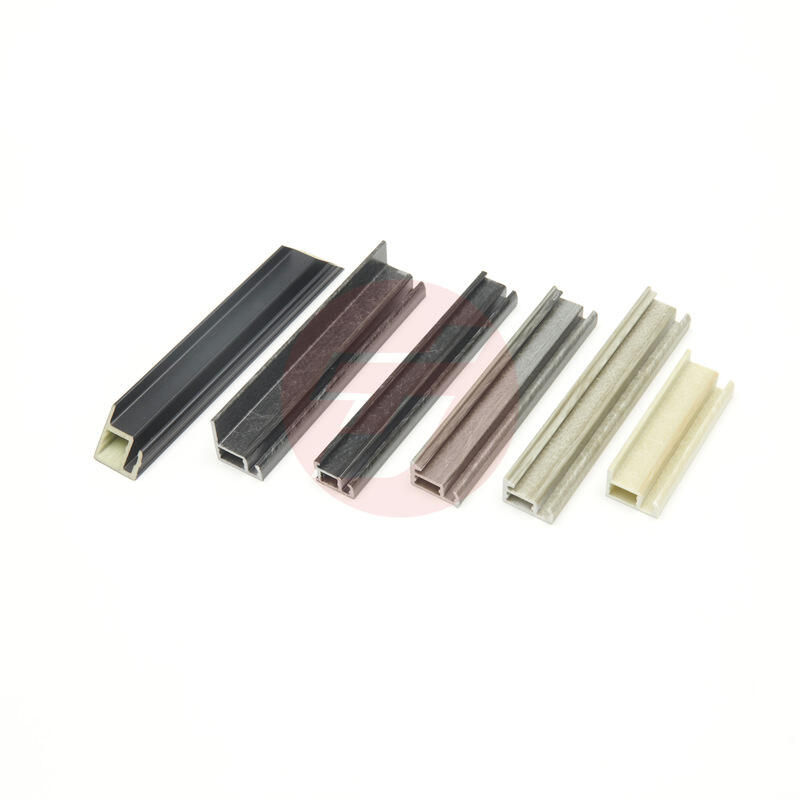
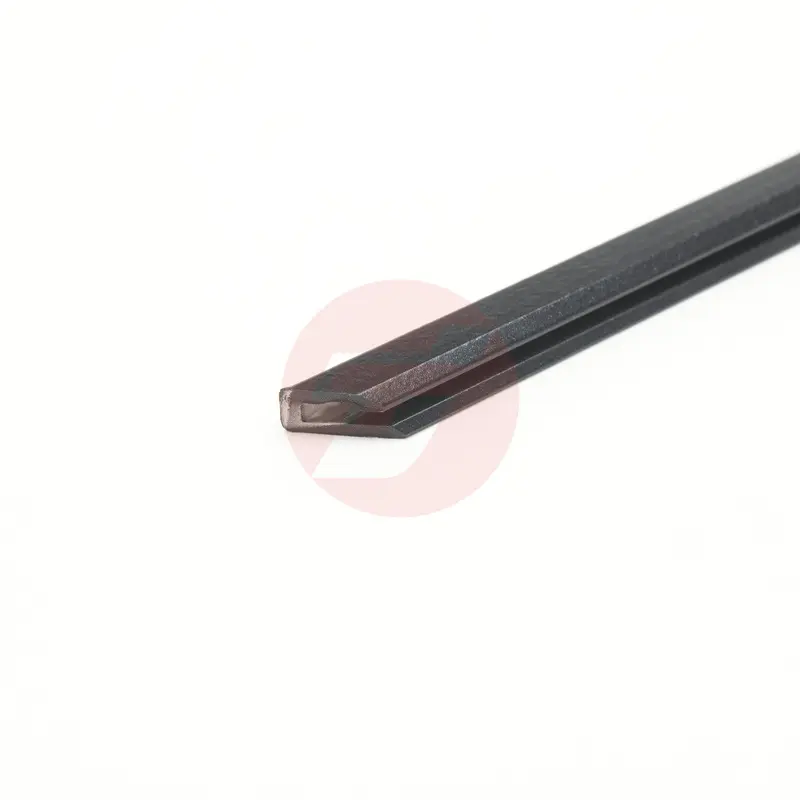
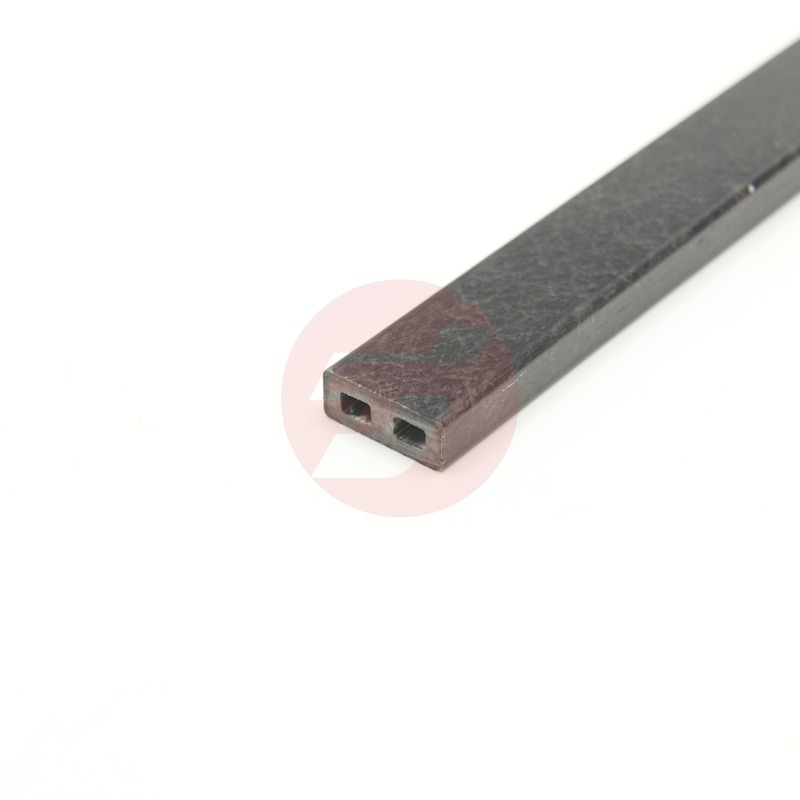
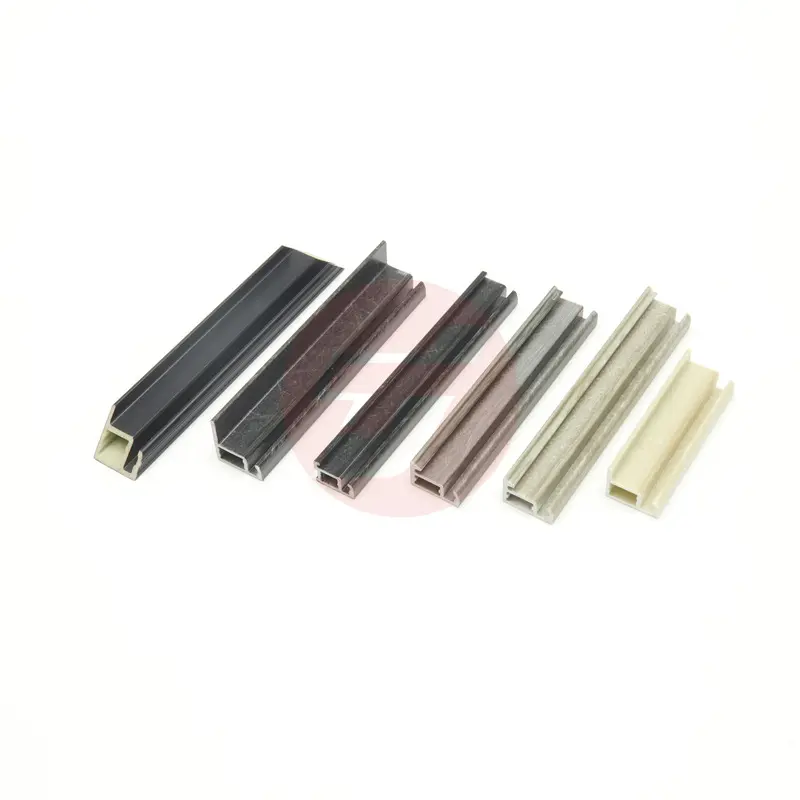
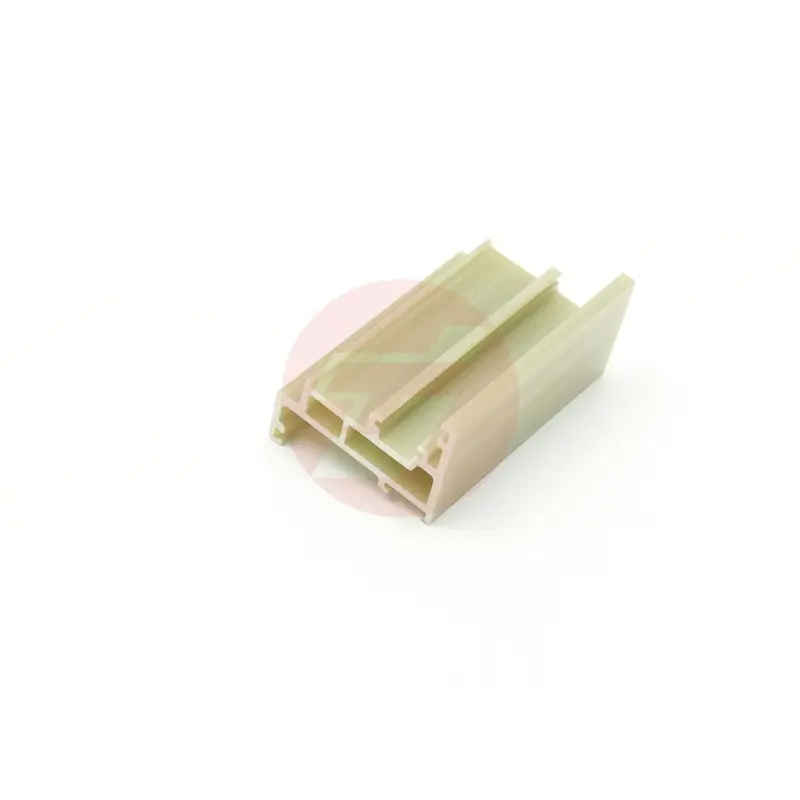
Carbon fiber pultruded rods for automotive represent a revolutionary advancement in automotive engineering, offering superior performance characteristics that transform vehicle design and functionality. These specialized components are manufactured through an advanced pultrusion process, where carbon fibers are pulled through a heated die while being impregnated with thermosetting resins, creating continuous, uniform profiles with exceptional structural integrity. The pultrusion manufacturing method ensures consistent fiber orientation and optimal resin distribution, resulting in carbon fiber pultruded rods for automotive applications that deliver outstanding mechanical properties and dimensional accuracy. These rods serve multiple critical functions within modern vehicles, including structural reinforcement, weight reduction, vibration damping, and enhanced safety performance. The technological features of carbon fiber pultruded rods for automotive use include high tensile strength, superior stiffness-to-weight ratios, excellent fatigue resistance, and remarkable corrosion immunity. Their lightweight nature significantly contributes to fuel efficiency improvements while maintaining structural rigidity essential for vehicle safety standards. In automotive applications, these rods are extensively utilized in chassis reinforcement systems, door frames, roof structures, floor pan stiffeners, and suspension components. They provide crucial support in electric vehicle battery enclosures, where weight savings directly impact driving range and performance. The rods also find applications in aerodynamic elements, spoiler supports, and decorative trim pieces where both strength and aesthetic appeal are paramount. Manufacturing flexibility allows carbon fiber pultruded rods for automotive purposes to be produced in various cross-sectional shapes, including round, square, rectangular, and custom profiles to meet specific design requirements. Their thermal stability and electrical conductivity properties make them suitable for specialized automotive electronics housings and EMI shielding applications, further expanding their versatility within modern vehicle architectures.

 EN
EN