Industrial Grade Composite Molds and Products - Advanced Manufacturing Solutions

All Categories

Get a Free Quote

A professional manufacturer of composite material molds.
Email
WhatsApp
Name
Company Name
Message
0/1000
Attachment
Please upload at least an attachment
Up to 3 files,more 30mb,suppor jpg、jpeg、png、pdf、doc、docx、xls、xlsx、csv、txt

industrial grade composite molds and products

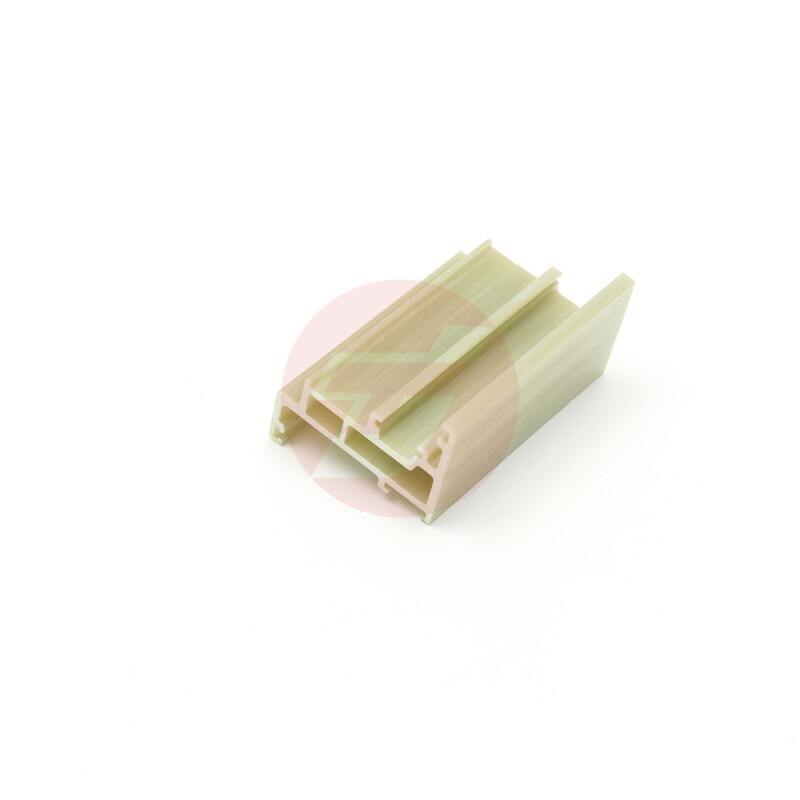
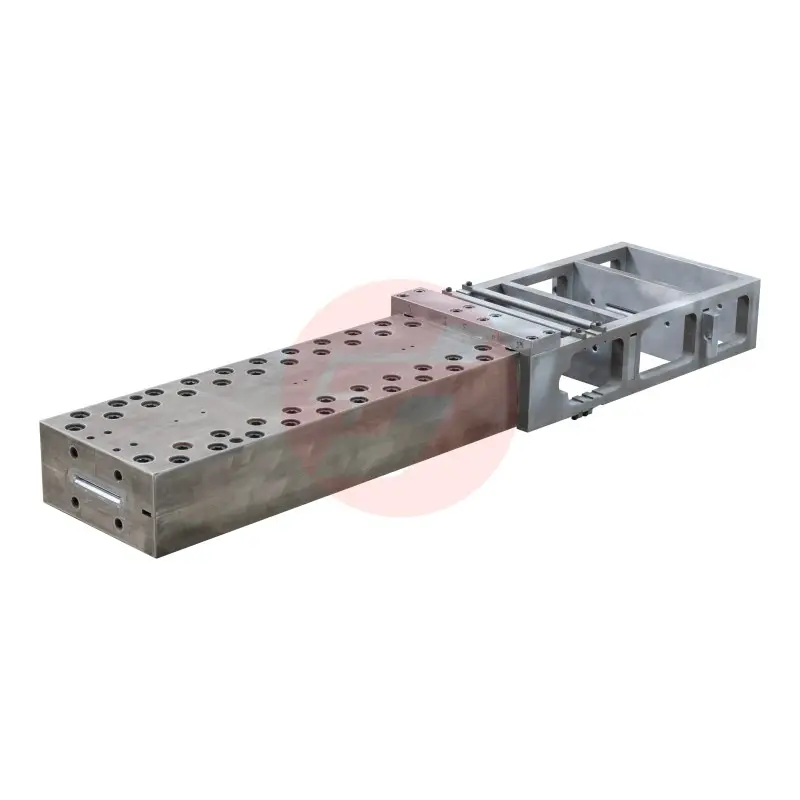
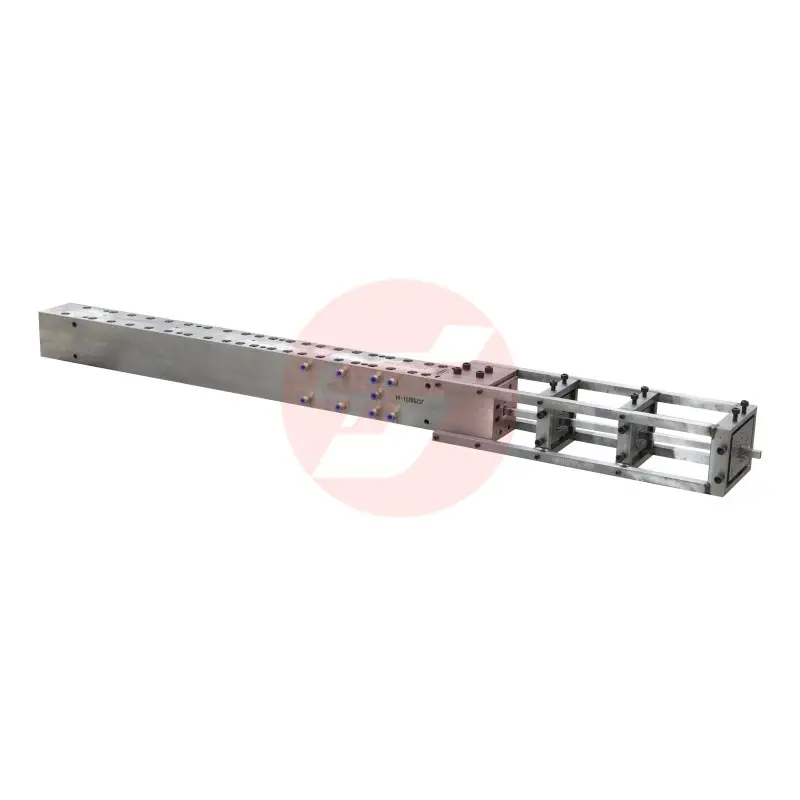
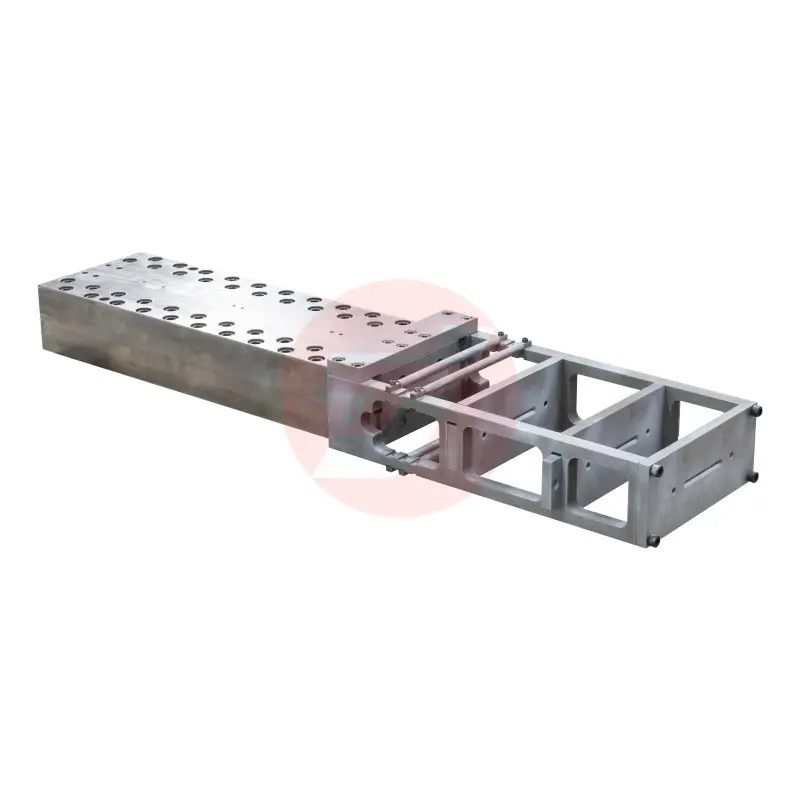
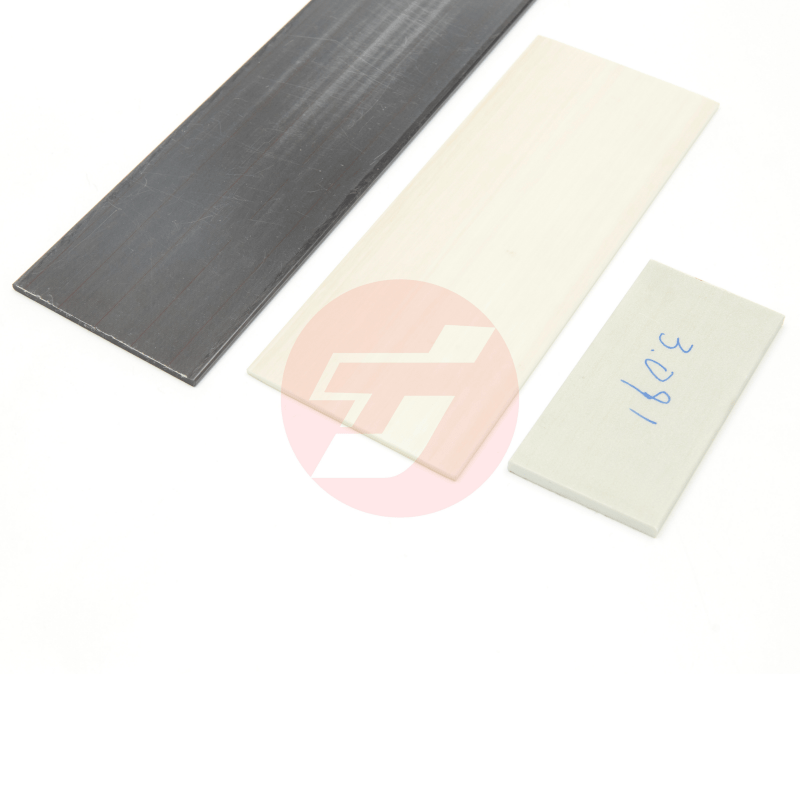
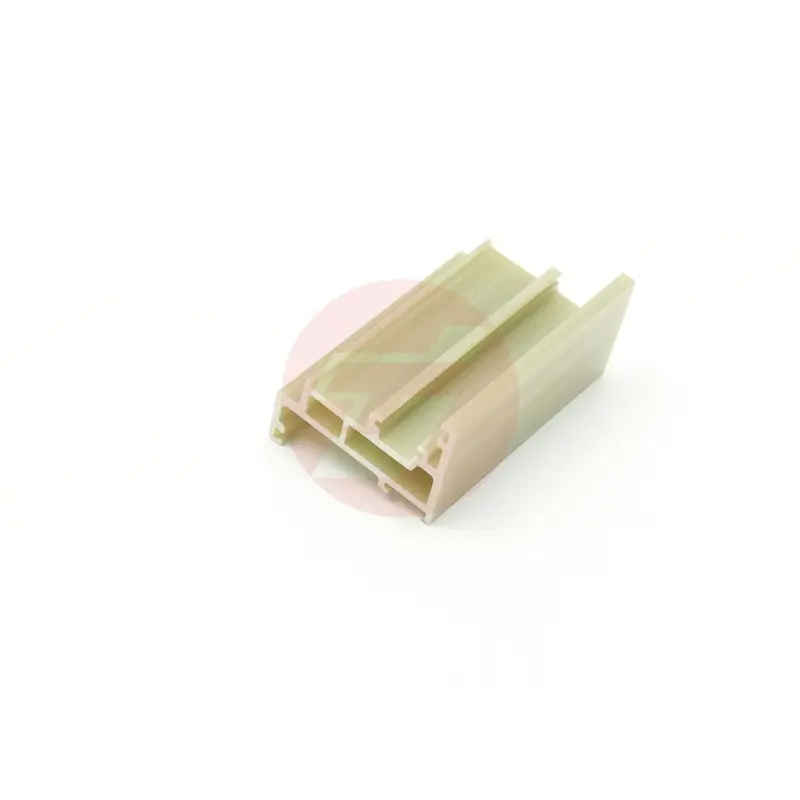
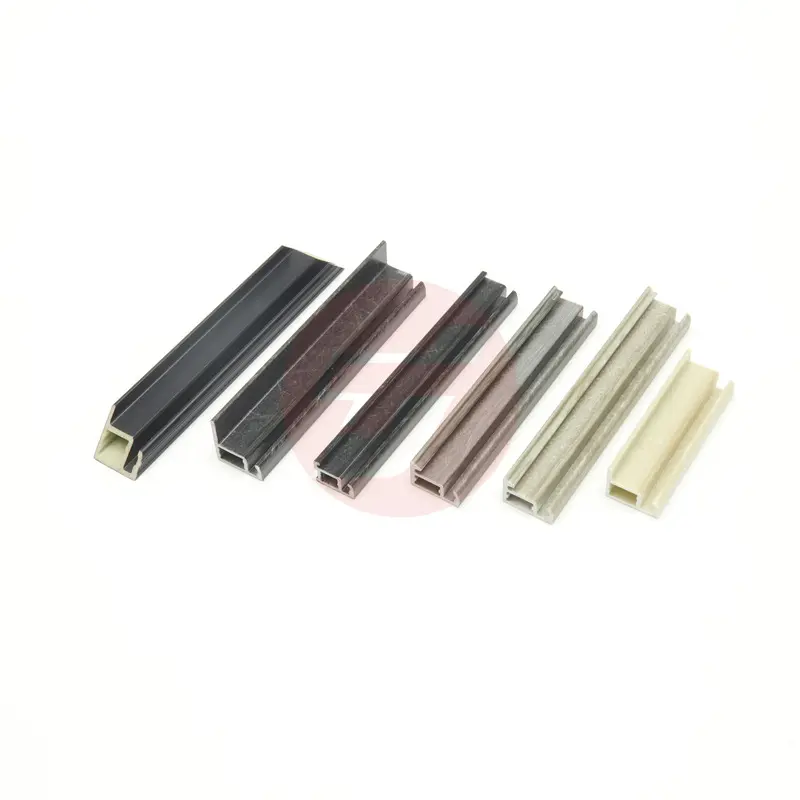
Industrial grade composite molds and products represent cutting-edge manufacturing solutions that combine advanced materials engineering with precision fabrication techniques. These specialized systems utilize reinforced composite materials such as carbon fiber, fiberglass, and aramid fibers to create durable, high-performance molding equipment designed for demanding industrial applications. The primary functions of industrial grade composite molds include shaping thermoplastic and thermoset materials, facilitating rapid prototyping processes, and enabling mass production of complex geometric components across multiple industries. These molds excel in temperature resistance, dimensional stability, and chemical compatibility, making them essential tools for aerospace, automotive, marine, and construction sectors. The technological features of industrial grade composite molds encompass advanced resin transfer molding capabilities, vacuum-assisted resin transfer processes, and compression molding systems that ensure consistent part quality and reduced cycle times. Modern composite molds integrate smart sensors for real-time monitoring, automated release systems for enhanced productivity, and modular designs that allow for quick tooling changes. The lightweight nature of composite materials significantly reduces handling requirements while maintaining superior strength-to-weight ratios compared to traditional steel or aluminum alternatives. Applications span from aircraft component manufacturing to wind turbine blade production, automotive body panel fabrication, and marine hull construction. Industrial grade composite molds and products deliver exceptional surface finishes, precise tolerances, and excellent repeatability across production runs. The inherent corrosion resistance of composite materials eliminates concerns about rust and chemical degradation that plague conventional metal molds. These systems support complex multi-cavity designs, undercuts, and intricate surface textures while maintaining structural integrity under high-pressure molding conditions, establishing them as indispensable assets in contemporary manufacturing environments.


Popular Products

Industrial grade composite molds and products offer substantial cost savings through extended operational lifespans that significantly outlast traditional metal alternatives. The superior durability of composite materials means manufacturers experience fewer replacement cycles, reduced maintenance requirements, and decreased downtime for repairs. These molds resist corrosion, chemical attacks, and wear patterns that typically plague steel and aluminum tooling systems, translating directly into lower total ownership costs and improved return on investment. The lightweight characteristics of industrial grade composite molds reduce handling expenses and workplace safety risks while enabling faster setup and changeover procedures. Workers can manipulate these molds with standard lifting equipment rather than requiring heavy-duty cranes, streamlining production workflows and minimizing labor costs. Energy efficiency represents another significant advantage, as composite materials require less heating energy to reach optimal molding temperatures and maintain thermal stability throughout production cycles. This reduced energy consumption directly impacts operating expenses while supporting environmental sustainability initiatives. Industrial grade composite molds and products deliver superior surface quality that often eliminates secondary finishing operations, reducing processing steps and associated costs. The smooth, non-porous surfaces of properly manufactured composite molds produce parts with excellent aesthetic qualities and dimensional accuracy straight from the molding process. Manufacturing flexibility increases dramatically with composite tooling systems that accommodate design modifications through localized repairs and adjustments rather than complete mold replacement. This adaptability proves invaluable during product development phases and allows for rapid response to changing market demands. The temperature stability of industrial grade composite molds prevents thermal expansion issues that create dimensional variations in molded parts, ensuring consistent quality across production runs. Chemical resistance properties enable these molds to work with aggressive resin systems and release agents without degradation, expanding material compatibility options for manufacturers. Quality control improves through the predictable behavior of composite molds that maintain their shape and properties over extended use periods, supporting statistical process control initiatives and reducing reject rates throughout manufacturing operations.

Tips And Tricks

How to Select Carbon Fiber Pultruded Profiles for Engineering Projects?

29

Dec

How to Select Carbon Fiber Pultruded Profiles for Engineering Projects?

Carbon fiber pultruded profiles represent one of the most advanced composite materials available for modern engineering applications. These lightweight yet incredibly strong structural components have revolutionized industries ranging from aerospace ...
View More
Why Are Photovoltaic Frame Pultrusion Molds Key to Panel Stability?

05

Jan

Why Are Photovoltaic Frame Pultrusion Molds Key to Panel Stability?

Solar panel manufacturing requires precision engineering at every stage, particularly when it comes to creating the structural frames that protect and support photovoltaic cells. The photovoltaic frame pultrusion mold represents a critical component ...
View More
Why Do Wind Turbine OEMs Prefer High-Accuracy Carbon Fiber Beam Molds?

05

Jan

Why Do Wind Turbine OEMs Prefer High-Accuracy Carbon Fiber Beam Molds?

The wind energy sector has experienced unprecedented growth as global demand for renewable energy solutions continues to surge. Original Equipment Manufacturers (OEMs) in the wind turbine industry face increasing pressure to deliver high-performance,...
View More
Which Applications Benefit Most From Carbon Fiber Pultruded Components?

13

Feb

Which Applications Benefit Most From Carbon Fiber Pultruded Components?

Carbon fiber pultruded components have revolutionized manufacturing across numerous industries, offering exceptional strength-to-weight ratios and superior durability compared to traditional materials. These advanced composite structures are created ...
View More

Get a Free Quote

A professional manufacturer of composite material molds.
Email
WhatsApp
Name
Company Name
Message
0/1000
Attachment
Please upload at least an attachment
Up to 3 files,more 30mb,suppor jpg、jpeg、png、pdf、doc、docx、xls、xlsx、csv、txt

industrial grade composite molds and products

Superior Temperature Performance and Thermal Management

Superior Temperature Performance and Thermal Management

Industrial grade composite molds and products excel in thermal management applications where consistent temperature control directly impacts product quality and manufacturing efficiency. These advanced molding systems demonstrate exceptional thermal stability across wide temperature ranges, maintaining dimensional accuracy and structural integrity from cryogenic conditions up to elevated processing temperatures exceeding 400 degrees Fahrenheit. The unique thermal expansion characteristics of composite materials closely match those of many molded substrates, preventing warping, stress formation, and dimensional distortions that commonly occur with traditional metal molds. This thermal compatibility ensures that molded parts maintain precise tolerances and geometric specifications throughout production cycles. The low thermal conductivity of composite materials provides excellent insulation properties that reduce energy requirements for heating and cooling operations while maintaining uniform temperature distribution across mold surfaces. Industrial grade composite molds and products incorporate advanced fiber orientations and resin systems specifically engineered to optimize heat transfer characteristics for specific applications. This customization capability allows manufacturers to design thermal profiles that enhance curing processes, reduce cycle times, and improve part consolidation. The thermal mass advantages of composite tooling enable rapid temperature cycling without compromising mold integrity or introducing thermal stress patterns that could affect part quality. Additionally, the coefficient of thermal expansion matching between composite molds and many production materials eliminates the differential expansion issues that create fitting problems and assembly complications in finished products. These thermal management benefits translate into improved process control, reduced scrap rates, and enhanced manufacturing predictability. The ability to maintain consistent thermal performance over thousands of molding cycles without degradation represents a significant competitive advantage for manufacturers seeking reliable, high-quality production capabilities. Industrial grade composite molds and products provide thermal solutions that traditional tooling materials simply cannot match in terms of performance consistency and operational reliability.
Advanced Chemical Resistance and Material Compatibility

Advanced Chemical Resistance and Material Compatibility

The exceptional chemical resistance properties of industrial grade composite molds and products enable compatibility with an extensive range of aggressive chemicals, solvents, and processing materials that would quickly degrade conventional metal tooling systems. These composite molds resist attack from strong acids, bases, organic solvents, and reactive monomers commonly used in advanced manufacturing processes, maintaining their structural integrity and surface quality throughout extended exposure periods. This chemical inertness prevents contamination issues that could compromise product quality or introduce defects in molded components. Industrial grade composite molds and products utilize specialized resin matrices and fiber reinforcements selected specifically for their resistance to chemical degradation, ensuring consistent performance in demanding chemical environments. The non-metallic nature of composite materials eliminates galvanic corrosion concerns that arise when dissimilar metals contact electrolytic solutions, preventing the pitting and surface deterioration that plague traditional molds in marine and chemical processing applications. This corrosion immunity extends operational lifespans significantly while maintaining precise surface finishes and dimensional tolerances essential for high-quality part production. The chemical compatibility advantages enable manufacturers to explore innovative material formulations and processing techniques without concern for mold degradation or chemical interactions that could affect product properties. Industrial grade composite molds and products support the use of advanced release agents, cleaning solvents, and surface treatments that optimize demolding characteristics and surface quality. The inherent chemical stability allows for thorough cleaning procedures using aggressive solvents and detergents without risk of material degradation or performance loss. This cleaning capability ensures consistent release characteristics and prevents build-up of residues that could transfer to molded parts. Furthermore, the chemical resistance properties eliminate the need for protective coatings or surface treatments that add cost and complexity to mold maintenance procedures. The ability to work with reactive resin systems, UV-curing materials, and chemically aggressive formulations expands manufacturing capabilities and enables production of advanced composite parts with superior performance characteristics. These chemical resistance advantages position industrial grade composite molds and products as essential tools for manufacturers working with cutting-edge materials and demanding application requirements.
Precision Manufacturing and Dimensional Stability Excellence

Precision Manufacturing and Dimensional Stability Excellence

Industrial grade composite molds and products deliver unmatched precision manufacturing capabilities through their exceptional dimensional stability characteristics that maintain tight tolerances and geometric accuracy throughout extended production cycles. The inherent material properties of advanced composite systems resist the dimensional changes that typically affect metal molds due to thermal cycling, mechanical stress, and time-related relaxation phenomena. This dimensional stability ensures that critical part features such as mounting holes, mating surfaces, and assembly interfaces remain within specified tolerances across thousands of molding operations. The precision achievable with industrial grade composite molds and products often eliminates the need for secondary machining operations, reducing manufacturing costs and improving production efficiency. The low creep characteristics of properly designed composite tooling prevent the gradual dimensional changes that occur in metal molds under sustained loading conditions, maintaining part-to-part consistency that supports automated assembly processes and quality control requirements. Industrial grade composite molds and products incorporate advanced fiber architectures and resin systems engineered to minimize shrinkage and expansion effects that could compromise dimensional accuracy. The ability to tailor fiber orientations and material compositions allows tooling designers to compensate for part shrinkage patterns and create molds that produce components with precise final dimensions. This customization capability proves particularly valuable for complex geometries where traditional compensation methods fall short of achieving required precision levels. The surface stability of composite molds prevents the wear patterns and erosion that gradually alter part dimensions in high-volume production environments, ensuring consistent quality throughout mold lifespans. The precision manufacturing advantages extend to surface texture reproduction, where industrial grade composite molds and products maintain fine surface details and finish characteristics that transfer accurately to molded parts. This surface fidelity eliminates post-processing requirements for many applications while ensuring aesthetic and functional surface requirements are met consistently. The measurement stability of composite tooling supports advanced metrology techniques and statistical process control methods that rely on consistent reference surfaces and dimensional repeatability. Industrial grade composite molds and products enable manufacturers to achieve precision levels comparable to machined metal components while offering superior longevity and reduced maintenance requirements that traditional tooling cannot match in demanding production environments.

Get a Free Quote

A professional manufacturer of composite material molds.
Email
WhatsApp
Name
Company Name
Message
0/1000
Attachment
Please upload at least an attachment
Up to 3 files,more 30mb,suppor jpg、jpeg、png、pdf、doc、docx、xls、xlsx、csv、txt