Premium Construction Material Compression Molds - Advanced Manufacturing Solutions

All Categories

Get a Free Quote

A professional manufacturer of composite material molds.
Email
WhatsApp
Name
Company Name
Message
0/1000
Attachment
Please upload at least an attachment
Up to 3 files,more 30mb,suppor jpg、jpeg、png、pdf、doc、docx、xls、xlsx、csv、txt

construction material compression molds

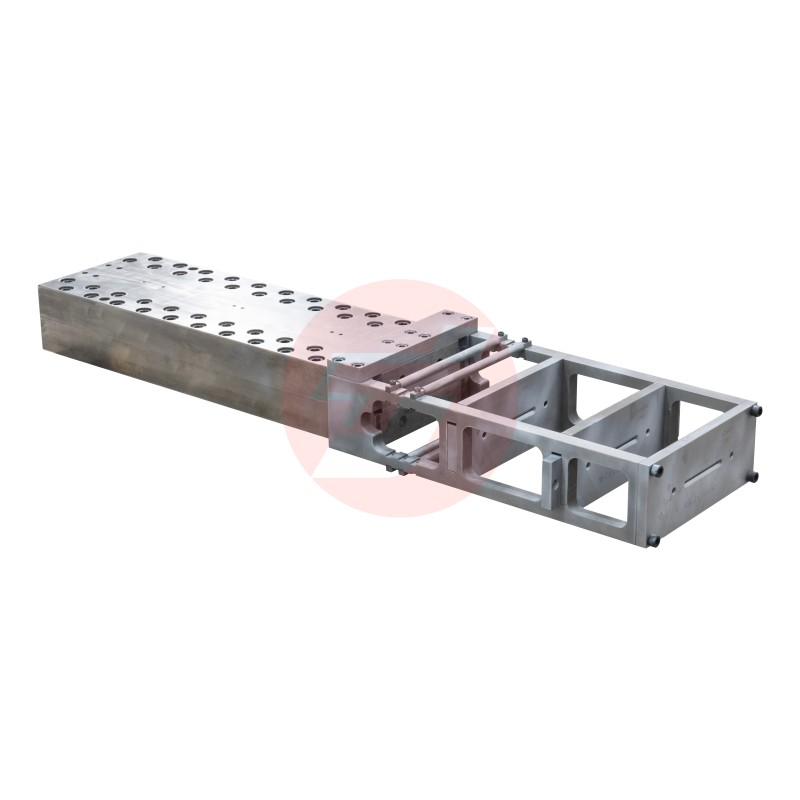
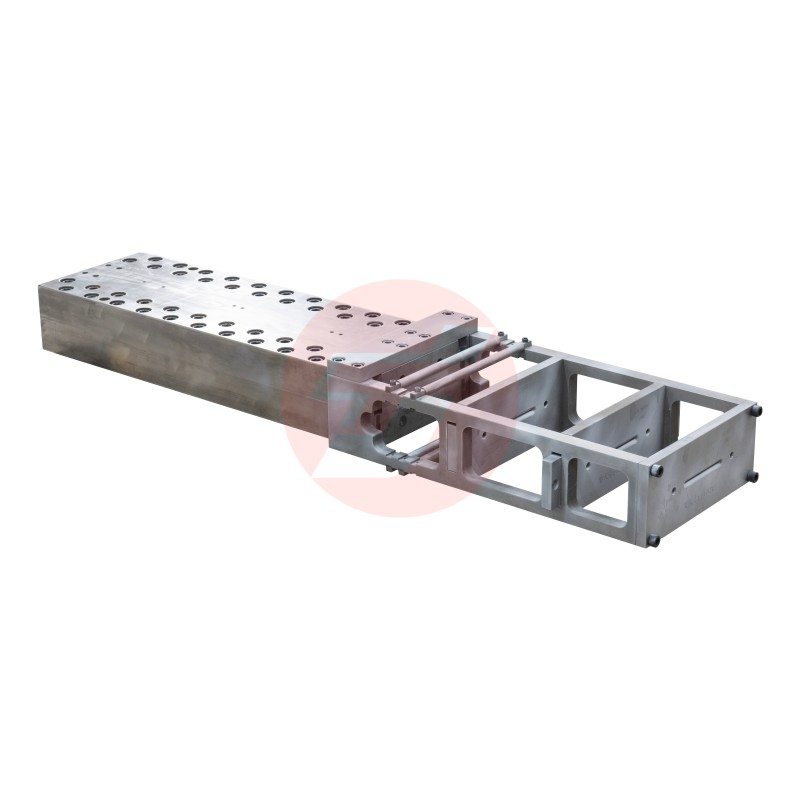
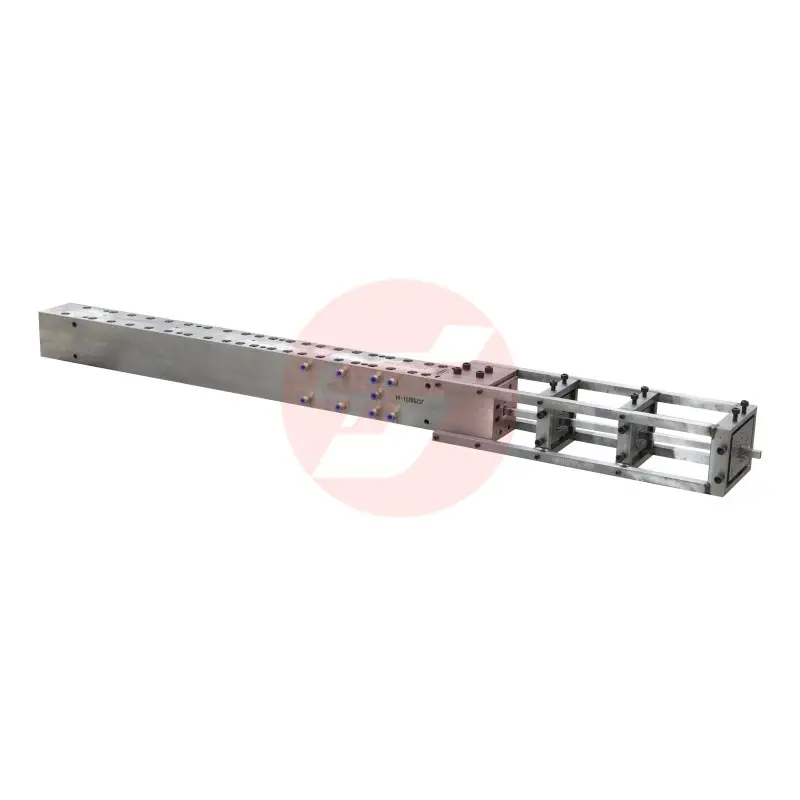
Construction material compression molds represent essential equipment in the building materials industry, designed specifically for shaping and forming various construction components through controlled pressure application. These specialized tools enable manufacturers to create uniform, high-quality products by compressing raw materials into predetermined shapes and densities. The primary function of construction material compression molds involves transforming loose or semi-solid materials such as concrete, cement blocks, paving stones, and precast elements into structurally sound finished products. The technological framework of construction material compression molds incorporates precision-engineered cavities that maintain exact dimensional specifications throughout the molding process. Advanced hydraulic or pneumatic systems provide consistent pressure distribution, ensuring optimal material consolidation and eliminating air pockets that could compromise product integrity. Modern construction material compression molds feature temperature control mechanisms that regulate curing conditions, allowing for accelerated production cycles while maintaining quality standards. The versatility of these molds extends across numerous construction applications, from manufacturing decorative concrete pavers and architectural elements to producing load-bearing structural components. Industrial-scale operations rely heavily on construction material compression molds for mass production of standardized building materials, while smaller manufacturers utilize them for specialized or custom applications. The precision engineering behind construction material compression molds ensures consistent wall thickness, surface finish quality, and dimensional accuracy across production runs. Material selection for construction material compression molds typically involves high-grade steel or specialized alloys that withstand repeated compression cycles and resist wear from abrasive materials. Surface treatments and coatings enhance mold longevity and improve product release characteristics. Quality control systems integrated with construction material compression molds monitor pressure levels, cycle times, and product dimensions to maintain manufacturing standards and reduce waste.


New Products

Construction material compression molds deliver significant cost savings by enabling automated production processes that reduce labor requirements while increasing output efficiency. These systems eliminate the need for extensive manual labor in shaping construction materials, allowing operators to focus on quality control and machine monitoring rather than physically demanding forming tasks. The standardization achieved through construction material compression molds ensures consistent product dimensions and quality, reducing material waste and minimizing costly rework or rejected products. Manufacturers benefit from faster production cycles as these molds compress and shape materials in minutes rather than hours required by traditional forming methods. The durability of well-designed construction material compression molds provides long-term value through years of reliable service with minimal maintenance requirements. Quality improvements resulting from controlled compression eliminate common defects such as surface irregularities, dimensional variations, and structural weaknesses that plague manually formed products. Construction material compression molds enable precise control over material density, ensuring optimal strength characteristics and performance properties in finished products. The flexibility of these systems allows manufacturers to quickly switch between different product designs by changing mold configurations, supporting diverse product lines without major equipment investments. Energy efficiency represents another key advantage as construction material compression molds optimize curing processes and reduce overall production energy consumption compared to alternative forming methods. Environmental benefits emerge from reduced material waste, improved product longevity, and more efficient use of raw materials during the compression molding process. Safety improvements in manufacturing facilities result from automated compression processes that minimize worker exposure to potentially hazardous materials and reduce repetitive strain injuries. Production scalability becomes achievable as construction material compression molds can operate continuously with minimal supervision, enabling manufacturers to meet growing demand without proportional increases in labor costs. The precision control offered by modern construction material compression molds supports compliance with stringent building codes and quality standards required in today's construction industry. Return on investment accelerates through increased production capacity, improved product quality, and reduced operational costs across the manufacturing lifecycle.

Practical Tips

How Can Carbon Fiber Pultrusion Reduce Manufacturing Costs for B2B Buyers?

29

Dec

How Can Carbon Fiber Pultrusion Reduce Manufacturing Costs for B2B Buyers?

Manufacturing costs continue to challenge B2B buyers across industries, driving the need for innovative production methods that deliver superior performance while maintaining economic efficiency. Carbon fiber pultrusion has emerged as a transformativ...
View More
Why Are Epoxy Pultrusion Products Ideal for High-Strength Applications?

29

Dec

Why Are Epoxy Pultrusion Products Ideal for High-Strength Applications?

Epoxy pultrusion represents a revolutionary manufacturing process that combines the superior strength properties of epoxy resins with the continuous production capabilities of pultrusion technology. This advanced composite manufacturing method has tr...
View More
How Do Carbon Fiber Pultruded Products Improve Structural Strength?

13

Feb

How Do Carbon Fiber Pultruded Products Improve Structural Strength?

Carbon fiber pultruded products represent a revolutionary advancement in structural engineering, offering exceptional strength-to-weight ratios that surpass traditional materials like steel and aluminum. These advanced composite materials are manufac...
View More
Which Applications Benefit Most From Carbon Fiber Pultruded Components?

13

Feb

Which Applications Benefit Most From Carbon Fiber Pultruded Components?

Carbon fiber pultruded components have revolutionized manufacturing across numerous industries, offering exceptional strength-to-weight ratios and superior durability compared to traditional materials. These advanced composite structures are created ...
View More

Get a Free Quote

A professional manufacturer of composite material molds.
Email
WhatsApp
Name
Company Name
Message
0/1000
Attachment
Please upload at least an attachment
Up to 3 files,more 30mb,suppor jpg、jpeg、png、pdf、doc、docx、xls、xlsx、csv、txt

construction material compression molds

Advanced Pressure Control Technology

Advanced Pressure Control Technology

The sophisticated pressure control technology integrated into construction material compression molds represents a revolutionary advancement in construction material manufacturing precision. This cutting-edge system employs hydraulic actuators and pneumatic controls that deliver consistent, measurable pressure throughout the entire molding cycle, ensuring uniform material density and eliminating the variations that commonly occur with manual or less sophisticated forming methods. The pressure control technology monitors real-time compression forces and automatically adjusts parameters to maintain optimal conditions for different material types and product specifications. Construction material compression molds equipped with this technology can accommodate varying material consistencies, from dry concrete mixes to semi-plastic compositions, by dynamically adjusting pressure levels and hold times based on predetermined recipes. The precision of this pressure control system enables manufacturers to achieve exact density targets that directly correlate with product strength, durability, and performance characteristics. Operators benefit from intuitive control interfaces that display pressure readings, cycle progress, and system diagnostics, allowing for immediate adjustments and proactive maintenance scheduling. The technology incorporates safety features that prevent over-pressurization and protect both equipment and operators from potential hazards associated with high-pressure operations. Advanced sensors continuously monitor pressure distribution across the mold surface, identifying any irregularities that could result in product defects or equipment damage. This real-time monitoring capability enables immediate corrective actions and maintains consistent quality throughout extended production runs. The pressure control technology in construction material compression molds also supports energy optimization by applying precise force levels for the minimum time required to achieve target specifications, reducing energy consumption and extending equipment life. Documentation and traceability features record pressure profiles for each production cycle, creating valuable data for quality assurance and process improvement initiatives while supporting compliance with industry standards and regulations.
Modular Design Flexibility

Modular Design Flexibility

The modular design flexibility of construction material compression molds provides manufacturers with unprecedented adaptability to changing market demands and product specifications without requiring complete equipment replacement or extensive downtime. This innovative approach allows for quick reconfiguration of mold components to produce different shapes, sizes, and styles of construction materials using the same base equipment platform. Construction material compression molds with modular designs feature interchangeable inserts, adjustable cavity dimensions, and removable sections that can be modified or replaced to accommodate new product requirements. The flexibility extends to production volume adjustments, where manufacturers can add or remove mold cavities to match current demand levels and optimize production efficiency. This modular approach significantly reduces capital investment requirements for manufacturers seeking to diversify their product offerings or respond to seasonal market fluctuations. Engineering teams can develop custom insert designs that integrate seamlessly with existing construction material compression molds, enabling rapid prototyping and testing of new products without disrupting ongoing production schedules. The standardized interfaces and connection systems used in modular designs ensure reliable performance and maintain precision tolerances regardless of configuration changes. Training requirements decrease substantially as operators become familiar with the base system and can easily adapt to different modular configurations without extensive retraining. Maintenance becomes more efficient and cost-effective as spare parts inventory focuses on standardized components rather than specialized parts for each unique mold design. The modular flexibility of construction material compression molds supports just-in-time manufacturing strategies where production can be quickly adjusted to match specific customer orders or project requirements. Quality consistency remains high across different configurations because the core compression technology and control systems remain constant while only the forming surfaces change. Storage and transportation benefits emerge from the ability to disassemble molds into compact modules for efficient warehousing and shipping to different production facilities or customer locations.
Enhanced Surface Finish Quality

Enhanced Surface Finish Quality

The enhanced surface finish quality achieved through advanced construction material compression molds transforms the aesthetic appeal and functional performance of manufactured construction materials beyond traditional forming methods. This superior finish quality results from precision-machined mold surfaces, specialized release coatings, and controlled compression processes that eliminate surface defects and create consistently smooth, uniform textures. Construction material compression molds utilize high-grade steel construction with mirror-polished cavity surfaces that transfer exceptional detail and smoothness to the finished products, reducing or eliminating the need for secondary finishing operations. The controlled compression environment prevents air entrapment and surface voids that commonly plague products formed through alternative methods, resulting in dense, non-porous surfaces that resist weathering and extend product lifespan. Advanced release systems integrated into construction material compression molds ensure clean product ejection without surface damage, scratches, or adhesion marks that can compromise appearance and performance. Temperature control capabilities within these molds optimize curing conditions to achieve ideal surface hardness and smoothness while maintaining structural integrity throughout the product cross-section. The consistent pressure distribution achieved by construction material compression molds eliminates surface irregularities and thickness variations that can create weak points or aesthetic flaws in finished products. Texture options expand dramatically through interchangeable surface inserts that can create decorative patterns, anti-slip surfaces, or architectural details that would be impossible to achieve through manual forming techniques. Quality control systems monitor surface finish parameters throughout production cycles, automatically flagging any variations that could affect product appearance or performance standards. The enhanced surface finish quality provided by construction material compression molds enables manufacturers to command premium prices for products that meet or exceed architectural and aesthetic standards required for high-end construction projects. Reduced post-production processing requirements translate to lower manufacturing costs and faster delivery times, providing competitive advantages in time-sensitive construction markets. Customer satisfaction increases significantly as products consistently meet visual and functional expectations, leading to repeat business and positive referrals that drive long-term success in competitive construction material markets.

Get a Free Quote

A professional manufacturer of composite material molds.
Email
WhatsApp
Name
Company Name
Message
0/1000
Attachment
Please upload at least an attachment
Up to 3 files,more 30mb,suppor jpg、jpeg、png、pdf、doc、docx、xls、xlsx、csv、txt