Large Composite Molds: Advanced Manufacturing Solutions for High-Quality Composite Production

All Categories

Get a Free Quote

A professional manufacturer of composite material molds.
Email
WhatsApp
Name
Company Name
Message
0/1000
Attachment
Please upload at least an attachment
Up to 3 files,more 30mb,suppor jpg、jpeg、png、pdf、doc、docx、xls、xlsx、csv、txt

large composite mold

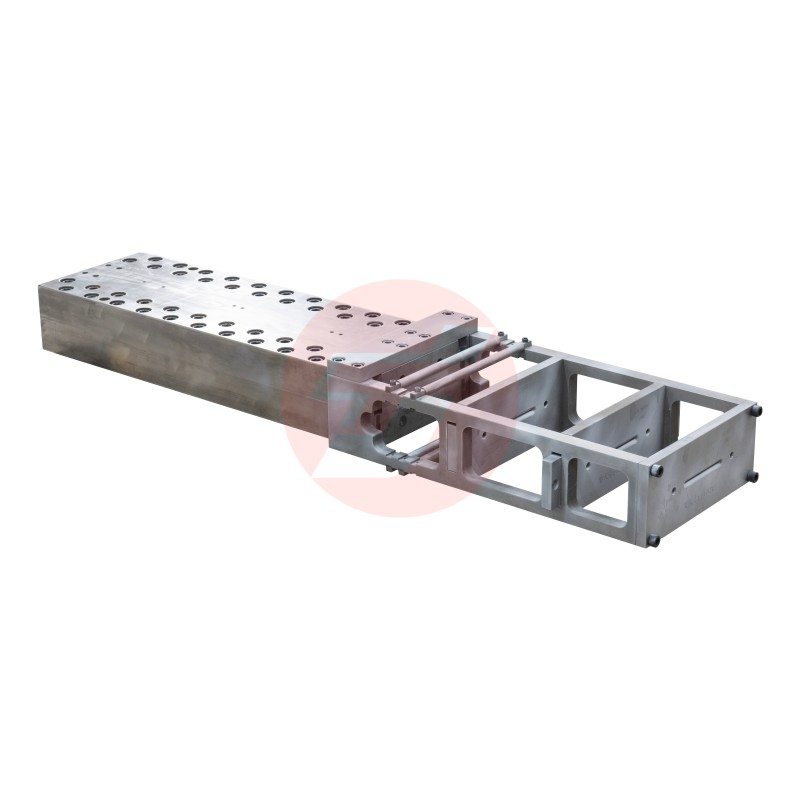
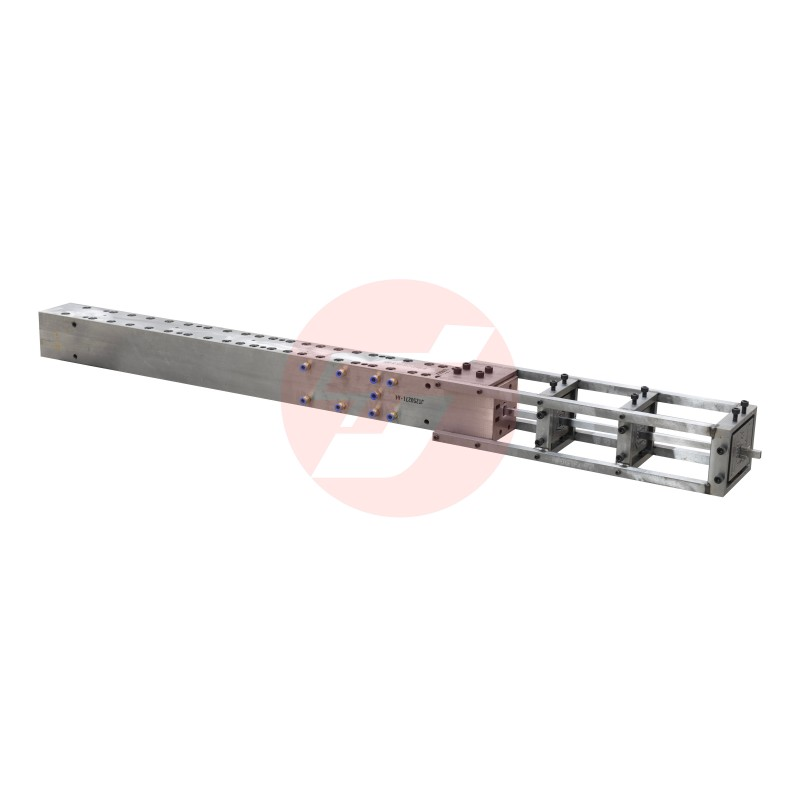
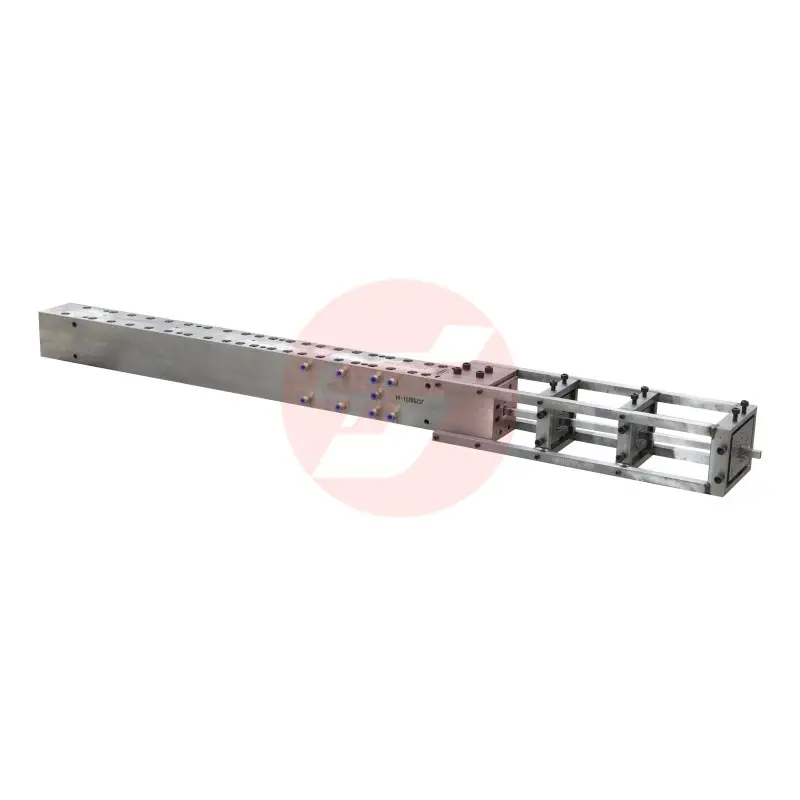
A large composite mold represents a sophisticated manufacturing tool designed specifically for creating expansive composite structures across various industries. This advanced molding system serves as the foundation for producing high-quality composite components that demand exceptional precision, durability, and dimensional accuracy. The large composite mold functions as a precision-engineered platform where raw composite materials undergo transformation into finished products through controlled curing processes. These molds accommodate substantial component sizes, making them indispensable for aerospace fuselages, wind turbine blades, automotive panels, marine hulls, and architectural elements. The technological features of a large composite mold include temperature control systems that maintain uniform heat distribution throughout the molding surface, ensuring consistent curing across the entire component. Advanced vacuum systems eliminate air pockets and achieve optimal fiber-to-resin ratios, while integrated monitoring sensors provide real-time feedback on temperature, pressure, and curing progress. The mold construction typically utilizes high-grade materials such as carbon steel, aluminum, or specialized composite materials that withstand repeated thermal cycles and mechanical stresses. Surface treatments and coatings prevent part adhesion while maintaining exceptional surface finish quality. Applications span multiple sectors where large-scale composite manufacturing is essential. Aerospace manufacturers rely on these molds for aircraft wings, fuselage sections, and control surfaces. The renewable energy sector utilizes them for wind turbine blade production, while automotive companies employ them for lightweight body panels and structural components. Marine applications include hull sections, decks, and superstructures. The construction industry benefits from architectural panels, bridge components, and infrastructure elements. Each application demands specific mold characteristics, from surface finish requirements to thermal management capabilities, making the large composite mold a versatile yet specialized manufacturing solution.


Popular Products

The large composite mold delivers remarkable cost efficiency by enabling manufacturers to produce multiple parts simultaneously, significantly reducing per-unit production costs. This batch production capability maximizes material utilization and minimizes waste, creating substantial savings over traditional manufacturing methods. The mold design allows for consistent repeatability, ensuring every component meets exact specifications without variation, which eliminates costly rework and quality issues. Manufacturing speed increases dramatically with these molds, as their large surface area accommodates bigger components or multiple smaller parts in single production cycles. The integrated heating and cooling systems reduce cycle times by optimizing temperature transitions, allowing faster part turnover and increased daily output. Quality improvements stem from the mold's precision engineering, which maintains tight dimensional tolerances across large surfaces. The uniform temperature distribution prevents hot spots and ensures complete curing, resulting in parts with superior mechanical properties and surface finish. Advanced vacuum systems achieve consistent fiber wet-out and eliminate defects like voids or dry spots that compromise structural integrity. The large composite mold offers exceptional versatility, accommodating various composite materials including carbon fiber, glass fiber, aramid, and hybrid reinforcements. Different resin systems work effectively within these molds, from epoxy and polyester to advanced thermoplastics. This flexibility allows manufacturers to optimize material selection for specific applications without changing production equipment. Durability represents another significant advantage, as these molds withstand thousands of production cycles while maintaining dimensional accuracy. High-quality construction materials and surface treatments ensure long service life, providing excellent return on investment. The molds resist thermal cycling damage, chemical attack from various resin systems, and mechanical wear from demolding operations. Scalability benefits allow manufacturers to increase production capacity without proportional equipment investment increases. The large surface area accommodates growing demand while maintaining consistent quality standards. Additionally, these molds support lean manufacturing principles by reducing setup times, minimizing material handling, and streamlining production workflows. Environmental benefits include reduced energy consumption per part through batch processing and decreased material waste through optimized layouts.

Latest News

How to Evaluate the Quality of Glass Fiber Pultrusion Molds?

29

Dec

How to Evaluate the Quality of Glass Fiber Pultrusion Molds?

Manufacturing high-quality composite products requires precise tooling, and glass fiber pultrusion molds serve as the foundation for successful pultrusion processes. These specialized molds determine the dimensional accuracy, surface finish, and over...
View More
How Do Carbon Fiber Pultruded Products Improve Structural Strength?

13

Feb

How Do Carbon Fiber Pultruded Products Improve Structural Strength?

Carbon fiber pultruded products represent a revolutionary advancement in structural engineering, offering exceptional strength-to-weight ratios that surpass traditional materials like steel and aluminum. These advanced composite materials are manufac...
View More
Which Applications Benefit Most From Carbon Fiber Pultruded Components?

13

Feb

Which Applications Benefit Most From Carbon Fiber Pultruded Components?

Carbon fiber pultruded components have revolutionized manufacturing across numerous industries, offering exceptional strength-to-weight ratios and superior durability compared to traditional materials. These advanced composite structures are created ...
View More
How to Maintain Carbon Fiber Pultrusion Molds for Long-Term Stability?

13

Feb

How to Maintain Carbon Fiber Pultrusion Molds for Long-Term Stability?

Carbon fiber pultrusion molds represent one of the most critical components in manufacturing high-performance composite materials for industries ranging from aerospace to renewable energy. These precision-engineered tools require meticulous maintenan...
View More

Get a Free Quote

A professional manufacturer of composite material molds.
Email
WhatsApp
Name
Company Name
Message
0/1000
Attachment
Please upload at least an attachment
Up to 3 files,more 30mb,suppor jpg、jpeg、png、pdf、doc、docx、xls、xlsx、csv、txt

large composite mold

Advanced Temperature Control Technology

Advanced Temperature Control Technology

The sophisticated temperature control system within a large composite mold represents a breakthrough in thermal management that revolutionizes composite manufacturing precision. This technology utilizes strategically positioned heating elements embedded throughout the mold structure, creating uniform temperature zones that eliminate hot spots and cold areas that traditionally plague large-scale composite production. The system employs multiple temperature sensors that continuously monitor thermal conditions across the entire mold surface, providing real-time feedback to automated control systems that make instantaneous adjustments to maintain optimal curing temperatures. This precise thermal control ensures that every section of a large composite part receives identical heat treatment, resulting in uniform mechanical properties throughout the finished component. The temperature control technology accommodates various curing profiles required by different resin systems, from room temperature cure materials to high-performance aerospace-grade composites requiring elevated temperatures. Programmable controllers allow manufacturers to establish custom heating and cooling cycles that optimize both cure quality and production efficiency. The rapid heating capability reduces cycle times by quickly bringing molds to operating temperature, while controlled cooling prevents thermal shock that could cause part distortion or cracking. This thermal precision becomes particularly critical when manufacturing large composite structures where temperature variations across the part could create internal stresses, dimensional instabilities, or compromised structural integrity. The system's ability to maintain consistent temperatures across surfaces measuring several square meters represents a significant technological achievement that directly translates to superior product quality and reduced manufacturing costs. Energy efficiency improvements result from targeted heating that focuses thermal energy where needed rather than heating entire production areas, leading to substantial utility cost savings in high-volume manufacturing environments.
Superior Structural Integrity and Load Distribution

Superior Structural Integrity and Load Distribution

The exceptional structural design of a large composite mold provides unmatched load distribution capabilities that ensure dimensional stability even under extreme manufacturing conditions. This robust construction utilizes advanced engineering principles to create a framework that maintains perfect flatness and dimensional accuracy across expansive surfaces while withstanding the significant forces generated during composite processing. The mold structure incorporates reinforcement ribs, support beams, and strategic bracing that distribute loads evenly, preventing deflection or distortion that could compromise part quality. High-strength materials used in mold construction, including precision-machined steel or advanced aluminum alloys, provide the necessary rigidity to support heavy composite layups and maintain shape under vacuum pressure and thermal expansion forces. The structural integrity ensures that surface tolerances remain consistent throughout the mold's service life, delivering repeatable accuracy that meets stringent quality requirements. This reliability becomes particularly important when manufacturing components for critical applications where dimensional precision directly impacts performance and safety. The superior load distribution prevents stress concentrations that could lead to mold failure or surface irregularities that would transfer to finished parts. Advanced finite element analysis during the design phase optimizes the structural configuration to maximize strength while minimizing weight, creating molds that are both highly capable and efficiently constructed. The robust design accommodates various clamping and fixturing systems required for complex part geometries, providing secure mounting points that maintain alignment throughout production cycles. This structural superiority translates directly to extended mold life, reduced maintenance requirements, and consistent part quality that meets or exceeds customer expectations. The investment in superior structural design pays dividends through reduced downtime, eliminated rework, and the confidence that comes from reliable, precision manufacturing equipment.
Integrated Vacuum and Pressure Management Systems

Integrated Vacuum and Pressure Management Systems

The sophisticated vacuum and pressure management system integrated within a large composite mold delivers precise atmospheric control that optimizes resin flow, fiber compaction, and void elimination across extensive component surfaces. This comprehensive system utilizes strategically positioned vacuum ports connected to high-capacity pumps that create uniform suction across the entire mold surface, ensuring consistent consolidation pressure throughout the laminate thickness. The vacuum distribution network incorporates flow restrictors and pressure regulators that maintain optimal vacuum levels in different mold zones, accommodating varying part thicknesses and resin viscosities without compromising consolidation quality. Advanced pressure sensors monitor vacuum levels continuously, providing feedback to automated control systems that adjust pump speeds and valve positions to maintain target pressures. This precise pressure management eliminates common composite defects such as dry spots, resin-rich areas, and interlaminar voids that compromise structural integrity and surface quality. The system accommodates various vacuum bagging techniques, from simple envelope bags to complex multi-zone configurations required for intricate part geometries. Integrated leak detection capabilities identify and locate vacuum losses quickly, minimizing production delays and ensuring consistent processing conditions. The pressure management system supports both autoclave and out-of-autoclave processing methods, providing flexibility to optimize manufacturing approaches based on material requirements and cost considerations. Uniform pressure distribution achieved through this system results in superior fiber volume fractions and enhanced mechanical properties throughout large composite structures. The capability to maintain consistent vacuum levels across surfaces measuring multiple square meters represents a significant technological advancement that enables the production of large, high-quality composite components previously impossible to manufacture reliably. This integrated approach reduces setup times, improves process repeatability, and delivers the consistent results demanded by aerospace, automotive, and renewable energy applications where component reliability is paramount.

Get a Free Quote

A professional manufacturer of composite material molds.
Email
WhatsApp
Name
Company Name
Message
0/1000
Attachment
Please upload at least an attachment
Up to 3 files,more 30mb,suppor jpg、jpeg、png、pdf、doc、docx、xls、xlsx、csv、txt