High-Performance Pultrusion Die for Composite Materials - Precision Manufacturing Solutions

All Categories

Get a Free Quote

A professional manufacturer of composite material molds.
Email
WhatsApp
Name
Company Name
Message
0/1000
Attachment
Please upload at least an attachment
Up to 3 files,more 30mb,suppor jpg、jpeg、png、pdf、doc、docx、xls、xlsx、csv、txt

pultrusion die for composite materials

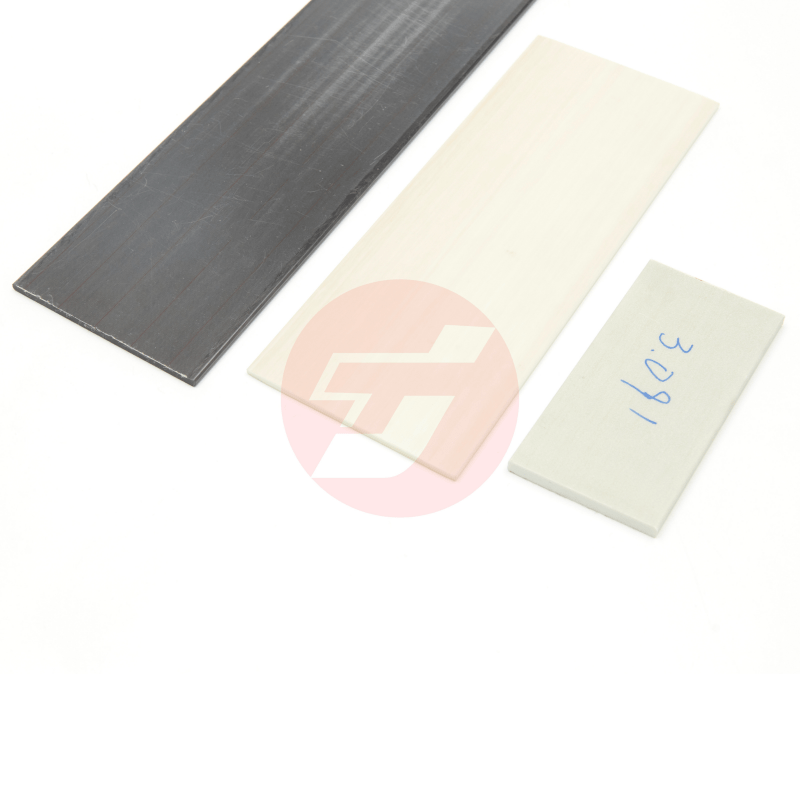
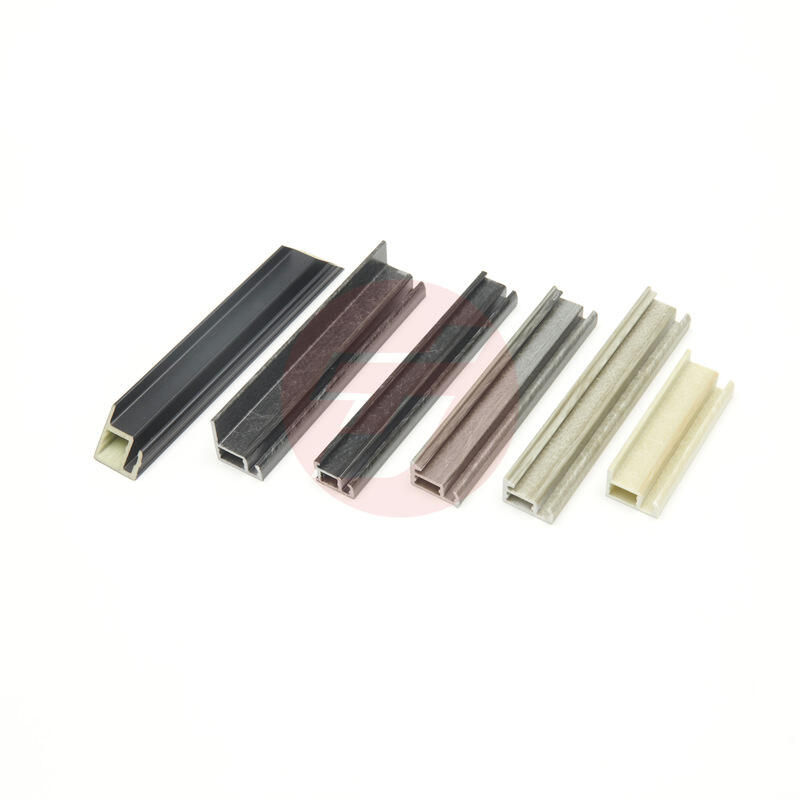
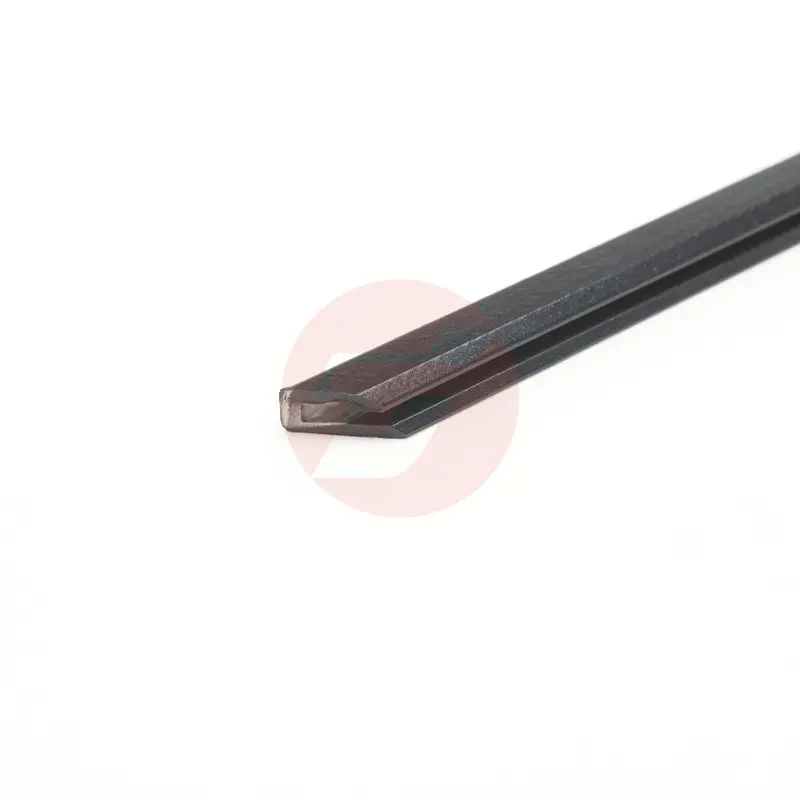
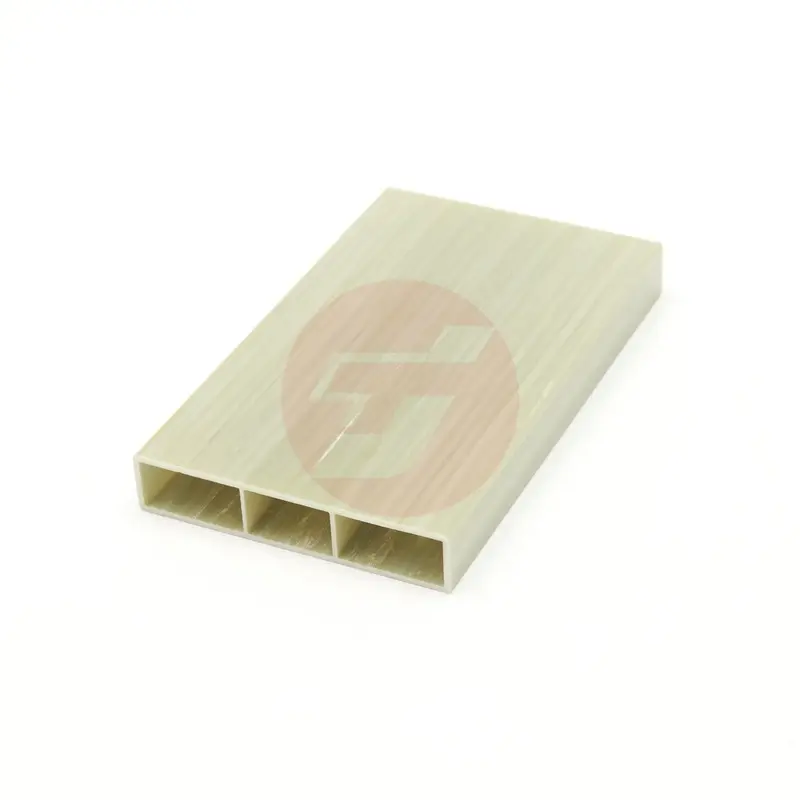
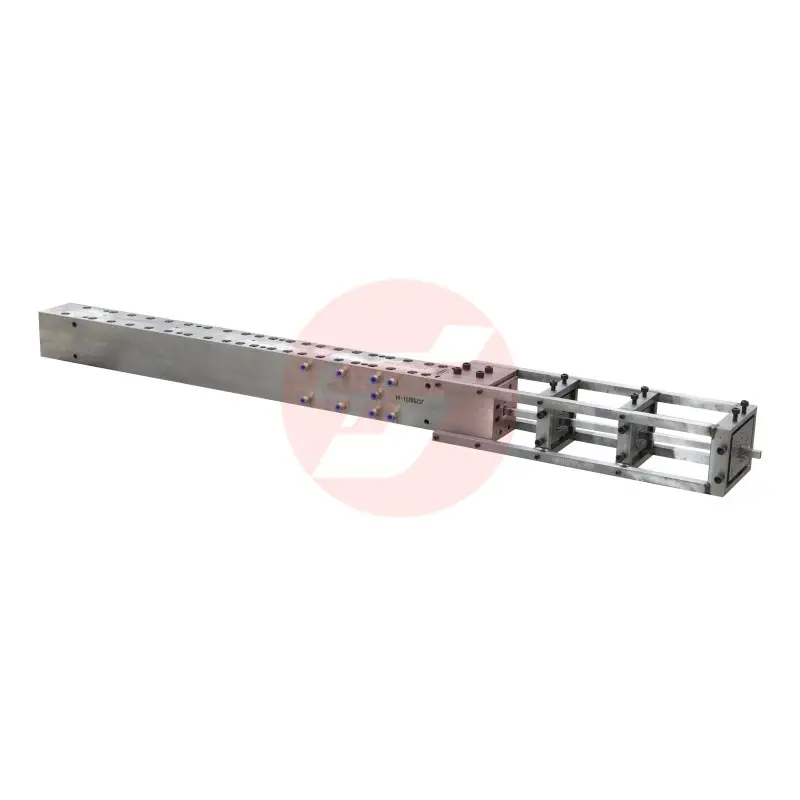
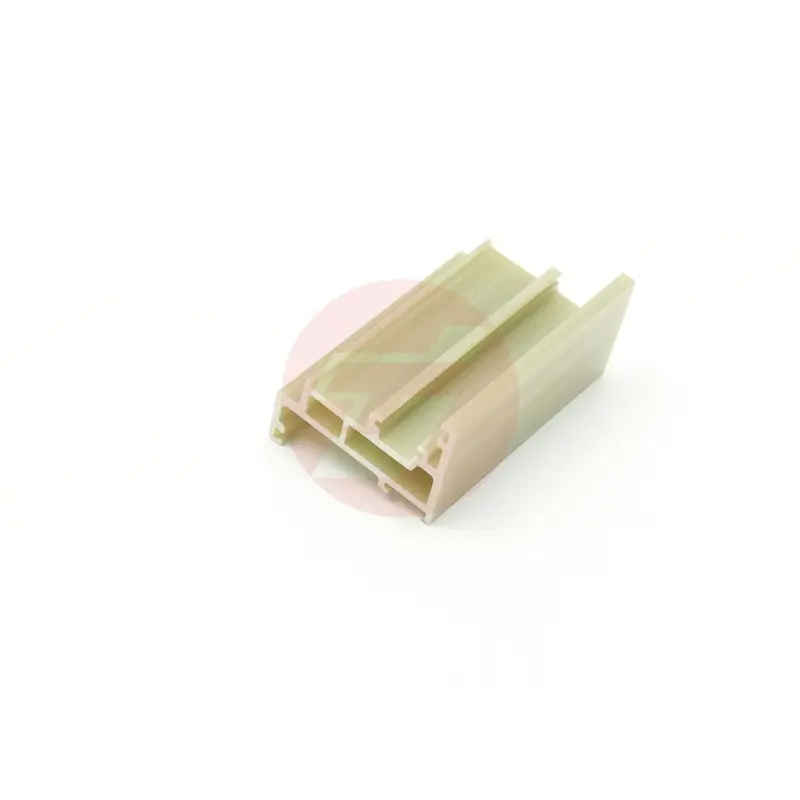
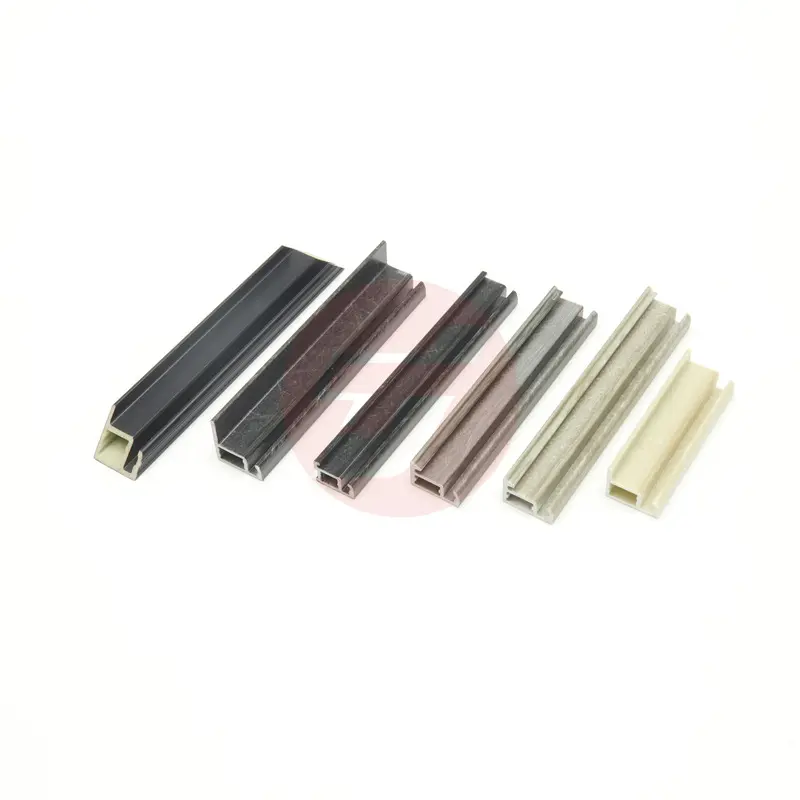
A pultrusion die for composite materials serves as the cornerstone component in the pultrusion manufacturing process, functioning as a precision-engineered tool that shapes continuous fiber-reinforced composite profiles. This specialized equipment operates by guiding resin-impregnated fibers through a heated steel die cavity, where the thermosetting resin cures under controlled temperature and pressure conditions. The pultrusion die for composite materials essentially acts as a forming mold that determines the final cross-sectional geometry, surface finish, and dimensional accuracy of the finished composite product. The die system comprises multiple zones including fiber guidance sections, resin injection ports, heating elements, and cooling chambers. Each zone performs specific functions during the continuous pultrusion process. The fiber guidance section aligns and positions reinforcement materials such as glass fibers, carbon fibers, or aramid fibers in predetermined orientations. Resin injection ports allow controlled introduction of thermosetting resins like polyester, vinyl ester, or epoxy into the fiber matrix. Temperature control systems maintain optimal curing conditions throughout the die length, typically ranging from 120 to 200 degrees Celsius depending on resin chemistry. The pultrusion die for composite materials incorporates advanced cooling systems at the exit end to solidify the cured composite profile before cutting operations. Modern dies feature modular construction allowing easy maintenance and profile changes. Surface treatments such as chrome plating or specialized coatings reduce friction and prevent resin adhesion. Die materials typically include high-grade tool steels or specialized alloys designed to withstand repeated thermal cycling and mechanical stress. Applications span numerous industries including construction, transportation, electrical, and marine sectors where lightweight, high-strength composite profiles are essential for structural and functional components requiring superior performance characteristics.


New Products

The pultrusion die for composite materials delivers exceptional manufacturing efficiency by enabling continuous production of high-quality composite profiles without interruption. This continuous process capability significantly reduces production costs compared to traditional batch molding methods, allowing manufacturers to achieve higher output volumes with consistent quality standards. The precision engineering of each pultrusion die for composite materials ensures dimensional accuracy within tight tolerances, typically achieving variations of less than 0.1mm across profile dimensions. This level of precision eliminates secondary machining operations in most applications, reducing overall manufacturing time and associated labor costs. Temperature control systems integrated into the pultrusion die for composite materials provide uniform heat distribution throughout the curing zone, resulting in complete resin crosslinking and optimal mechanical properties in the finished products. The controlled curing environment prevents common defects such as voids, delamination, or incomplete cure that can compromise structural integrity. Material waste reduction represents another significant advantage, as the continuous nature of pultrusion minimizes scrap generation compared to cutting-based manufacturing methods. The pultrusion die for composite materials accommodates various fiber orientations including unidirectional, biaxial, and multi-axial configurations, enabling optimization of mechanical properties for specific load requirements. Versatility in resin systems allows processing of different thermosetting materials including polyester, vinyl ester, epoxy, and specialty formulations for specific performance requirements such as fire resistance or chemical compatibility. Surface quality achieved through pultrusion die for composite materials typically requires no additional finishing operations, as the smooth die cavity imparts excellent surface characteristics directly to the molded profile. Energy efficiency benefits result from the continuous heating process, which maintains stable operating temperatures without the thermal cycling required in batch processes. Production flexibility allows rapid changeover between different profile configurations by replacing die inserts or adjusting die geometry. Quality consistency remains superior due to the controlled processing environment and automated material handling systems that minimize human variables. The pultrusion die for composite materials enables processing of complex geometries including hollow sections, multi-cavity profiles, and integrated features that would be difficult or impossible to achieve through alternative manufacturing methods.

Latest News

How to Evaluate the Quality of Glass Fiber Pultrusion Molds?

29

Dec

How to Evaluate the Quality of Glass Fiber Pultrusion Molds?

Manufacturing high-quality composite products requires precise tooling, and glass fiber pultrusion molds serve as the foundation for successful pultrusion processes. These specialized molds determine the dimensional accuracy, surface finish, and over...
View More
What Affects the Dimensional Accuracy of Epoxy Pultruded Products?

05

Jan

What Affects the Dimensional Accuracy of Epoxy Pultruded Products?

The dimensional accuracy of epoxy pultruded products plays a crucial role in determining their performance and suitability for various industrial applications. Manufacturing professionals across aerospace, automotive, and construction industries rely...
View More
How Do Pultrusion Molds Enhance Durability in Solar Frame Manufacturing?

05

Jan

How Do Pultrusion Molds Enhance Durability in Solar Frame Manufacturing?

Solar frame manufacturing has undergone significant technological advancement in recent years, with pultrusion molds emerging as a critical component in producing durable, high-performance photovoltaic frames. The integration of advanced pultrusion t...
View More
Why Are Photovoltaic Frame Pultrusion Molds Key to Panel Stability?

05

Jan

Why Are Photovoltaic Frame Pultrusion Molds Key to Panel Stability?

Solar panel manufacturing requires precision engineering at every stage, particularly when it comes to creating the structural frames that protect and support photovoltaic cells. The photovoltaic frame pultrusion mold represents a critical component ...
View More

Get a Free Quote

A professional manufacturer of composite material molds.
Email
WhatsApp
Name
Company Name
Message
0/1000
Attachment
Please upload at least an attachment
Up to 3 files,more 30mb,suppor jpg、jpeg、png、pdf、doc、docx、xls、xlsx、csv、txt

pultrusion die for composite materials

Advanced Temperature Control Technology

Advanced Temperature Control Technology

The pultrusion die for composite materials incorporates sophisticated temperature control technology that represents a fundamental advancement in composite manufacturing precision. This integrated thermal management system utilizes multiple heating zones strategically positioned throughout the die length, each independently controlled to maintain optimal curing temperatures for different stages of the resin crosslinking process. The temperature control system typically features electric heating elements embedded within the die body, connected to programmable logic controllers that monitor and adjust heat output based on real-time feedback from precision thermocouples. This advanced temperature control capability ensures that the pultrusion die for composite materials maintains consistent thermal profiles regardless of ambient conditions or production variations. The multi-zone heating system allows manufacturers to create customized temperature gradients that optimize resin flow characteristics in the initial sections while providing adequate curing temperatures in downstream zones. Temperature uniformity across the die cross-section is maintained through carefully designed heat distribution channels that eliminate hot spots and cold zones that could result in uneven curing or internal stresses. The thermal management system includes rapid response capabilities that compensate for heat losses during continuous operation, maintaining steady-state conditions essential for consistent product quality. Advanced insulation systems surrounding the heated zones minimize energy consumption while protecting operators from high-temperature surfaces. The temperature control technology integrated into each pultrusion die for composite materials enables processing of temperature-sensitive resin systems that require precise thermal management to achieve optimal mechanical properties. Cooling systems positioned at the die exit provide controlled temperature reduction that prevents thermal shock while ensuring complete curing before profile extraction. This comprehensive temperature control capability allows the pultrusion die for composite materials to accommodate various resin chemistries with different curing kinetics, expanding the range of possible material combinations and end-use applications. The programmable nature of the temperature control system enables storage of multiple processing recipes, facilitating rapid changeover between different material systems without extensive setup time or trial-and-error adjustments.
Precision Fiber Alignment and Positioning

Precision Fiber Alignment and Positioning

The pultrusion die for composite materials features an advanced fiber alignment and positioning system that ensures optimal reinforcement distribution throughout the composite cross-section, directly impacting the mechanical performance and structural integrity of the finished product. This sophisticated guidance system begins at the die entrance where individual fiber tows, fabrics, and mats are precisely positioned according to predetermined patterns that maximize load-carrying capacity in specific directions. The fiber guidance components within the pultrusion die for composite materials include adjustable combs, tension bars, and distribution plates that maintain consistent fiber spacing and prevent bunching or overlapping that could create weak points in the final product. Pre-forming sections within the die gradually shape the fiber reinforcement bundle into the desired cross-sectional configuration while maintaining fiber tension and orientation critical for achieving design strength properties. The precision positioning system accommodates various reinforcement architectures including unidirectional rovings for maximum longitudinal strength, woven fabrics for balanced properties, and continuous strand mats for enhanced transverse strength. Each pultrusion die for composite materials incorporates fiber spreading mechanisms that ensure uniform resin distribution throughout the reinforcement matrix, eliminating dry spots that could compromise mechanical properties or lead to premature failure under load. The guidance system design prevents fiber damage during processing by eliminating sharp edges or excessive bending radii that could break individual filaments and reduce overall reinforcement effectiveness. Adjustable fiber positioning elements allow optimization of fiber volume fraction throughout the profile cross-section, enabling higher concentrations in high-stress areas while maintaining processability in complex geometries. The fiber alignment system within the pultrusion die for composite materials maintains consistent reinforcement orientation even at high production speeds, ensuring that mechanical properties remain uniform along the entire length of produced profiles. Specialized guides accommodate hybrid reinforcement systems that combine different fiber types such as glass and carbon fibers to achieve specific performance characteristics or cost objectives. The precision of the fiber positioning system enables creation of engineered composite structures with predictable mechanical properties that can be accurately modeled using finite element analysis for structural design applications.
Modular Design and Easy Maintenance

Modular Design and Easy Maintenance

The modular design philosophy incorporated into every pultrusion die for composite materials represents a significant advancement in manufacturing equipment flexibility and operational efficiency. This innovative approach divides the die assembly into discrete, interchangeable sections that can be independently removed, serviced, or replaced without disassembling the entire production system. The modular construction enables rapid changeover between different profile configurations by replacing specific die sections while maintaining common components such as heating systems and support structures. Each module within the pultrusion die for composite materials is precision-machined to exact tolerances and features standardized connection interfaces that ensure perfect alignment and sealing when assembled. This standardization reduces inventory requirements as common modules can be utilized across multiple die configurations, lowering overall tooling costs for manufacturers producing various profile types. Maintenance operations become significantly more efficient due to the modular design, as individual sections can be removed for cleaning, inspection, or refurbishment while production continues with backup modules or alternative configurations. The accessibility provided by modular construction allows maintenance personnel to perform routine cleaning and inspection procedures without specialized equipment or extensive downtime. Each module of the pultrusion die for composite materials incorporates quick-release mechanisms that enable safe and efficient removal even when sections retain residual heat from recent operation. The modular approach facilitates die modifications and upgrades without requiring complete system replacement, allowing manufacturers to adapt to new product requirements or incorporate technological improvements incrementally. Design flexibility inherent in the modular system enables custom configurations tailored to specific application requirements while maintaining compatibility with standard production equipment and auxiliary systems. Quality control benefits from the modular design as individual sections can be inspected and measured independently, ensuring that geometric tolerances are maintained throughout the die assembly. The modular construction of each pultrusion die for composite materials reduces manufacturing lead times as standard modules can be produced in advance and assembled to order rather than manufacturing complete custom dies from scratch. Spare part availability improves through the modular approach as common wear components can be stocked and quickly replaced when needed, minimizing unexpected production interruptions. The design facilitates operator training as personnel can become familiar with standard module types rather than learning unique procedures for each complete die assembly, improving overall operational efficiency and reducing the likelihood of errors during setup or maintenance procedures.

Get a Free Quote

A professional manufacturer of composite material molds.
Email
WhatsApp
Name
Company Name
Message
0/1000
Attachment
Please upload at least an attachment
Up to 3 files,more 30mb,suppor jpg、jpeg、png、pdf、doc、docx、xls、xlsx、csv、txt