carbon fiber pultrusion mold
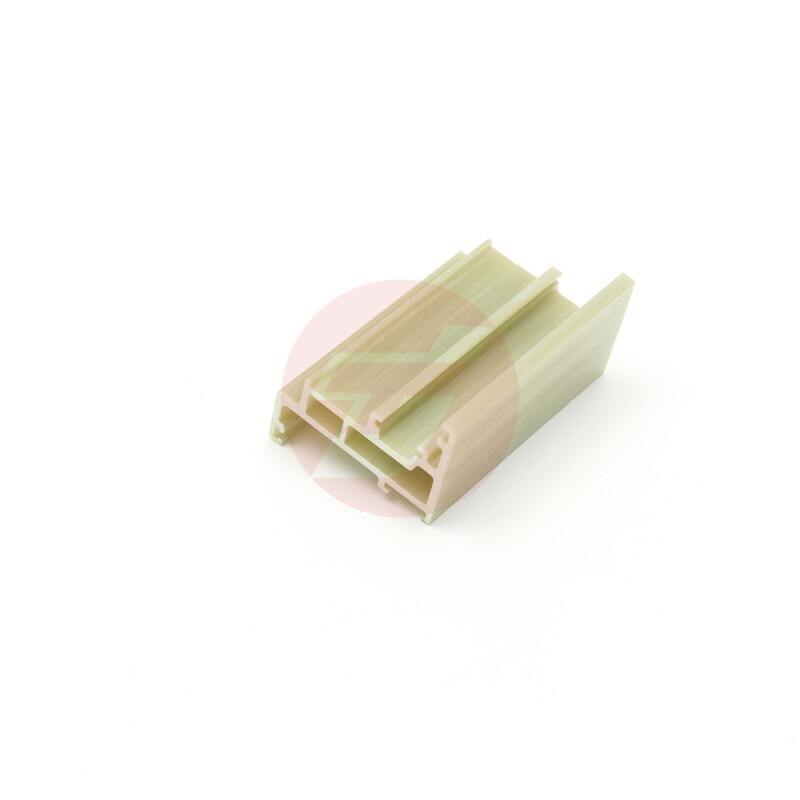
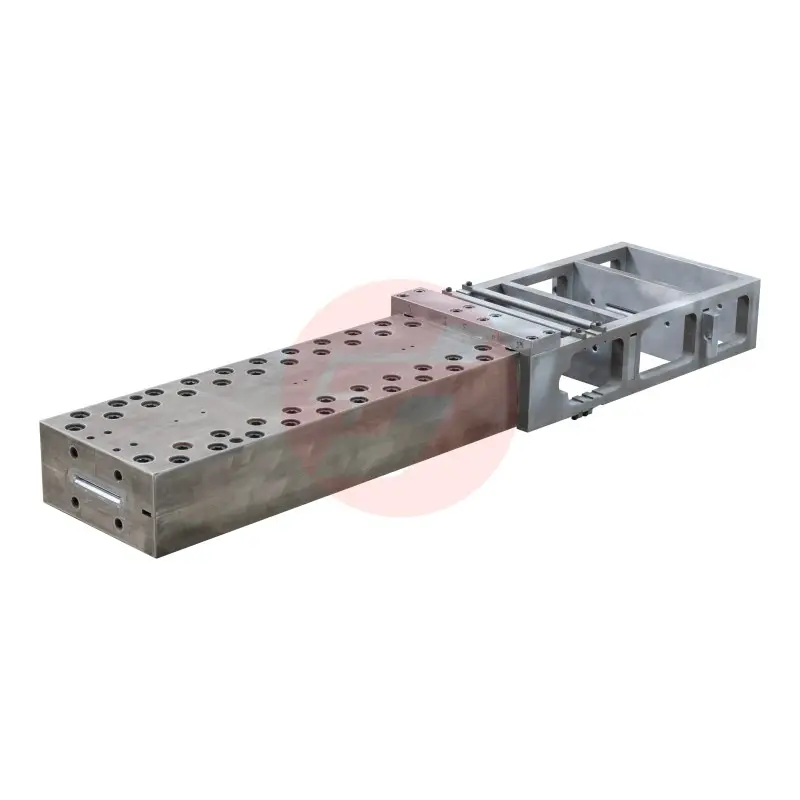
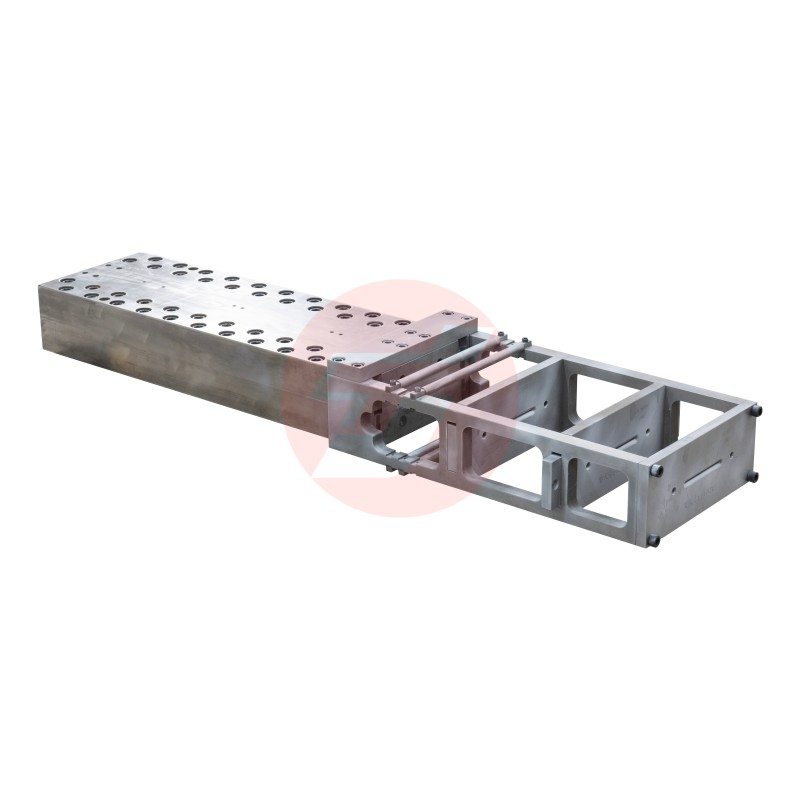
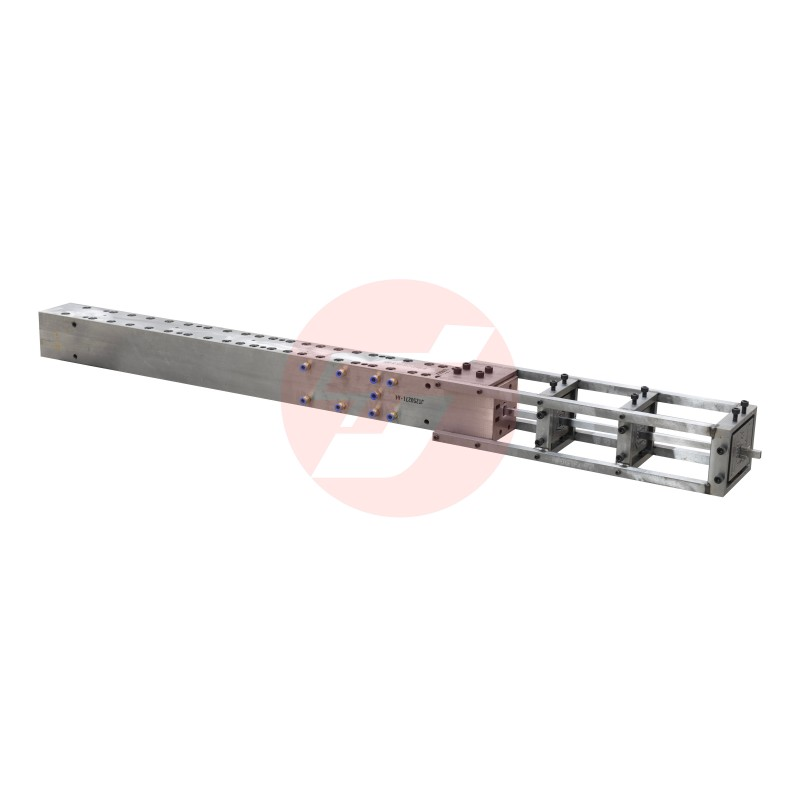
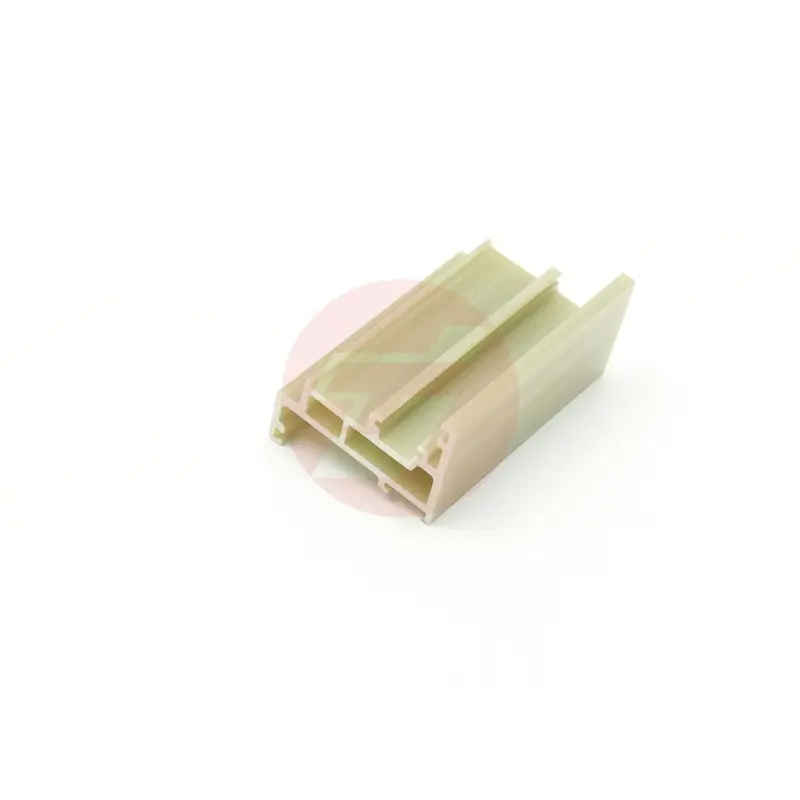
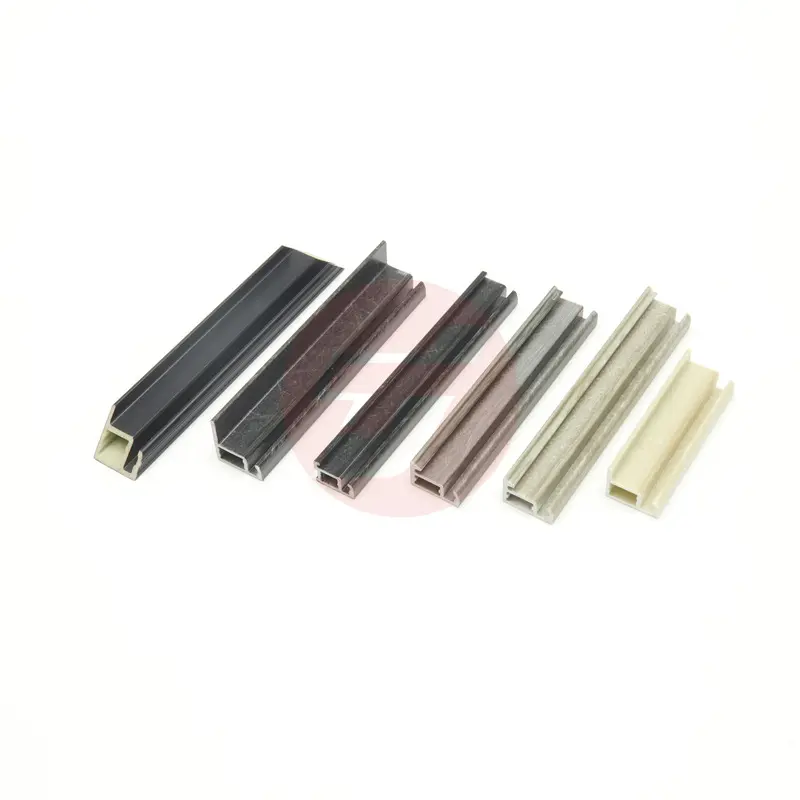
Carbon fiber pultrusion mold represents a revolutionary manufacturing tool designed specifically for creating continuous carbon fiber composite profiles through the pultrusion process. This specialized mold system serves as the cornerstone of modern composite manufacturing, enabling the production of high-strength, lightweight structural components with exceptional dimensional accuracy and surface finish quality. The carbon fiber pultrusion mold operates by guiding resin-impregnated carbon fiber rovings through a heated die cavity, where the thermosetting resin cures under controlled temperature and pressure conditions. The primary function of this mold involves shaping and consolidating the fiber reinforcement while ensuring complete resin impregnation throughout the composite cross-section. Advanced temperature control systems integrated within the mold maintain precise thermal profiles, enabling optimal curing cycles that maximize mechanical properties while minimizing production cycle times. The technological features of carbon fiber pultrusion mold include sophisticated heating elements strategically positioned throughout the die cavity, precision-machined surfaces that ensure consistent wall thickness, and specialized release coatings that facilitate smooth part ejection. Modern mold designs incorporate cooling channels that enable rapid temperature transitions, reducing overall production time while maintaining superior part quality. The mold construction typically utilizes high-grade tool steels or specialized alloys that withstand repeated thermal cycling without dimensional degradation. Applications for carbon fiber pultrusion mold span numerous industries including aerospace, automotive, construction, renewable energy, and sporting goods sectors. These molds produce structural beams, rods, tubes, channels, and complex custom profiles that serve critical load-bearing functions in demanding applications. The versatility of carbon fiber pultrusion mold allows manufacturers to create components with tailored mechanical properties by adjusting fiber orientation, resin systems, and processing parameters to meet specific performance requirements.

 EN
EN