High-Density Polyurethane Molds: Superior Durability, Precision & Versatility for Industrial Manufacturing

All Categories

Get a Free Quote

A professional manufacturer of composite material molds.
Email
WhatsApp
Name
Company Name
Message
0/1000
Attachment
Please upload at least an attachment
Up to 3 files,more 30mb,suppor jpg、jpeg、png、pdf、doc、docx、xls、xlsx、csv、txt

highdensity polyurethane molds

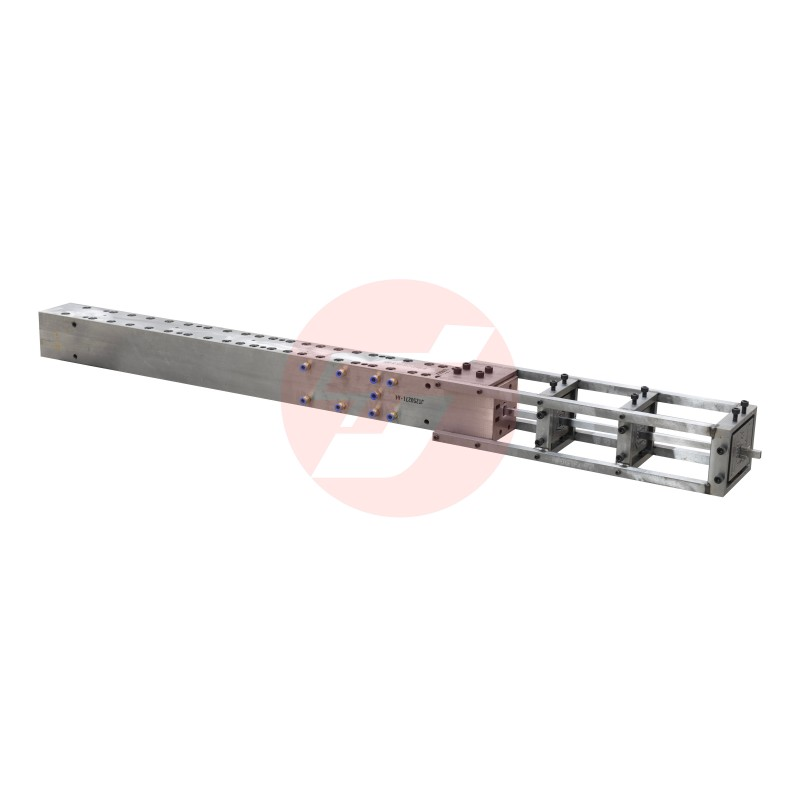
Highdensity polyurethane molds represent a revolutionary advancement in manufacturing technology, offering exceptional durability and precision for various production needs. These specialized molds are engineered using advanced polyurethane formulations that deliver superior performance characteristics compared to traditional molding materials. The primary function of highdensity polyurethane molds centers on creating accurate, repeatable castings while maintaining dimensional stability throughout extended production cycles. These molds excel in applications requiring intricate detail reproduction, from small decorative components to large structural elements. The technological foundation of highdensity polyurethane molds relies on carefully balanced chemical compositions that provide optimal hardness, flexibility, and resistance to wear. Manufacturing processes involve precise mixing of polyol and isocyanate components, along with specialized additives that enhance specific performance attributes. The curing process creates cross-linked polymer networks that result in exceptional mechanical properties. Key technological features include excellent tear resistance, outstanding abrasion tolerance, and superior chemical compatibility with various casting materials. Temperature stability allows these molds to function effectively across wide thermal ranges, making them suitable for diverse manufacturing environments. The surface finish quality achieved with highdensity polyurethane molds often eliminates secondary finishing operations, reducing production costs and cycle times. Applications span numerous industries, including automotive component production, architectural element manufacturing, aerospace part fabrication, and artistic reproduction. Construction industry professionals utilize these molds for concrete precast elements, decorative panels, and specialized building components. Art foundries and sculpture studios rely on highdensity polyurethane molds for bronze casting, resin reproduction, and precious metal forming. Medical device manufacturers appreciate the biocompatible formulations available for specific healthcare applications. The versatility of highdensity polyurethane molds extends to prototyping applications, where rapid tooling solutions are essential for product development cycles.


New Product Recommendations

Highdensity polyurethane molds deliver significant cost savings through their extended operational lifespan, often producing thousands of quality castings before requiring replacement. Traditional mold materials frequently fail after limited use cycles, creating ongoing replacement expenses and production interruptions. The exceptional durability of these molds translates directly into reduced tooling budgets and improved manufacturing economics. Production efficiency increases dramatically when using highdensity polyurethane molds due to their rapid release properties and minimal maintenance requirements. Operators spend less time on mold preparation and part extraction, allowing for higher throughput rates and improved productivity. The superior surface quality achieved eliminates many secondary finishing operations, reducing labor costs and accelerating delivery schedules. Flexibility in design implementation becomes a major competitive advantage with highdensity polyurethane molds. Complex geometries, undercuts, and intricate surface textures that challenge other molding systems are easily accommodated. This design freedom enables manufacturers to create innovative products without compromising functionality or aesthetic appeal. Environmental benefits make highdensity polyurethane molds attractive for sustainability-conscious operations. Many formulations are recyclable, and their extended lifespan reduces waste generation compared to frequently replaced alternatives. Lower energy requirements during production cycles contribute to reduced carbon footprints and operating costs. Quality consistency remains superior throughout the entire production run when using highdensity polyurethane molds. Dimensional accuracy maintains tight tolerances from the first casting to the final part, ensuring reliable product specifications. This consistency reduces quality control expenses and minimizes reject rates. Storage and handling advantages include lighter weight compared to metal molds and resistance to corrosion or degradation during extended storage periods. Transportation costs decrease due to reduced weight, and storage space requirements are minimized. Chemical resistance properties protect against aggressive casting materials and cleaning solvents, maintaining mold integrity throughout diverse applications. Temperature performance allows operation in various environmental conditions without compromising dimensional stability or surface quality. Repair capabilities enable minor damage correction without complete mold replacement, further extending useful life and reducing costs.

Latest News

Which Applications Benefit Most From Carbon Fiber Pultruded Components?

13

Feb

Which Applications Benefit Most From Carbon Fiber Pultruded Components?

Carbon fiber pultruded components have revolutionized manufacturing across numerous industries, offering exceptional strength-to-weight ratios and superior durability compared to traditional materials. These advanced composite structures are created ...
View More
What Factors Determine the Lifespan of Carbon Fiber Pultruded Products?

13

Feb

What Factors Determine the Lifespan of Carbon Fiber Pultruded Products?

Carbon fiber pultrusion represents one of the most advanced manufacturing processes for creating high-performance composite materials with exceptional strength-to-weight ratios. This innovative technique produces continuous fiber-reinforced profiles ...
View More
How to Maintain Carbon Fiber Pultrusion Molds for Long-Term Stability?

13

Feb

How to Maintain Carbon Fiber Pultrusion Molds for Long-Term Stability?

Carbon fiber pultrusion molds represent one of the most critical components in manufacturing high-performance composite materials for industries ranging from aerospace to renewable energy. These precision-engineered tools require meticulous maintenan...
View More
Which Industries Rely Most on Glass Fiber Pultruded Profiles?

13

Feb

Which Industries Rely Most on Glass Fiber Pultruded Profiles?

Modern manufacturing across diverse industries increasingly depends on advanced composite materials that deliver exceptional strength, durability, and versatility. Glass fiber pultruded profiles have emerged as a cornerstone solution for applications...
View More

Get a Free Quote

A professional manufacturer of composite material molds.
Email
WhatsApp
Name
Company Name
Message
0/1000
Attachment
Please upload at least an attachment
Up to 3 files,more 30mb,suppor jpg、jpeg、png、pdf、doc、docx、xls、xlsx、csv、txt

highdensity polyurethane molds

Unmatched Durability and Longevity Performance

Unmatched Durability and Longevity Performance

The exceptional durability of highdensity polyurethane molds stems from their unique molecular structure and advanced polymer engineering. These molds demonstrate remarkable resistance to mechanical stress, chemical attack, and thermal cycling that typically destroys conventional molding materials. The cross-linked polyurethane matrix creates a tough, resilient surface that maintains its integrity through thousands of production cycles. This durability translates into substantial cost savings for manufacturers who previously faced frequent mold replacements with traditional materials. Laboratory testing confirms that properly formulated highdensity polyurethane molds can withstand over 10,000 casting cycles while maintaining dimensional accuracy within specified tolerances. The tear strength properties exceed those of natural rubber and many synthetic alternatives, ensuring that complex mold geometries remain intact even under severe demolding stress. Abrasion resistance proves particularly valuable in applications involving aggregate-filled casting materials or abrasive release compounds. The chemical composition includes specialized additives that enhance UV stability, preventing degradation when molds are exposed to natural or artificial lighting during extended production periods. Temperature cycling tests demonstrate minimal dimensional change across operating ranges from sub-freezing to elevated temperatures, ensuring consistent part quality regardless of seasonal variations or process requirements. The self-healing properties of certain highdensity polyurethane formulations allow minor surface scratches to close naturally, maintaining smooth surface finishes throughout the mold's operational life. This durability advantage becomes particularly significant in high-volume production environments where downtime costs escalate rapidly. Manufacturers report production efficiency improvements of 30-40 percent when switching from traditional mold materials to highdensity polyurethane systems. The combination of physical toughness and chemical resistance creates molds that perform reliably in challenging industrial environments, from foundries with high ambient temperatures to outdoor construction applications exposed to weather extremes.
Superior Surface Quality and Detail Reproduction

Superior Surface Quality and Detail Reproduction

Highdensity polyurethane molds excel at capturing and reproducing intricate surface details with unprecedented accuracy and consistency. The fine-grain molecular structure of cured polyurethane creates an exceptionally smooth surface that translates directly to superior finish quality on molded parts. This capability eliminates costly secondary finishing operations while ensuring consistent surface characteristics throughout production runs. Professional sculptors and artists particularly value the ability to reproduce fine textures, subtle surface variations, and complex geometrical details that would be impossible with traditional molding materials. The low surface tension of liquid polyurethane during mold creation allows complete penetration into microscopic surface features, capturing detail resolution that exceeds 0.001 inches. This precision proves invaluable for applications requiring exact replication of prototype surfaces or artistic originals. Medical device manufacturers rely on this detail reproduction capability for creating molds that produce components with critical surface specifications for biocompatibility and functional performance. Automotive industry applications benefit from the ability to reproduce complex dashboard textures, interior trim details, and exterior component finishes that meet strict aesthetic and functional requirements. The surface chemistry of cured highdensity polyurethane provides excellent release characteristics with minimal or no mold release agents required. This natural release property prevents surface contamination and maintains consistent part quality throughout extended production cycles. Part ejection forces remain low, reducing stress on both the mold and finished parts. The thermal expansion characteristics of highdensity polyurethane closely match those of many casting materials, preventing dimensional distortion during temperature cycling. Surface defects such as air entrapment, flow lines, and sink marks are virtually eliminated due to the excellent flow properties and low viscosity of properly formulated polyurethane systems. Color consistency in finished parts improves dramatically because the neutral surface chemistry does not interact with pigments or additives in casting materials. Quality control testing shows that parts produced from highdensity polyurethane molds demonstrate 95 percent or higher surface quality ratings compared to 70-80 percent ratings from alternative molding systems.
Versatile Application Range and Design Flexibility

Versatile Application Range and Design Flexibility

The remarkable versatility of highdensity polyurethane molds enables their successful application across an extraordinary range of industries and manufacturing processes. This adaptability stems from the ability to formulate polyurethane systems with specific properties tailored to individual application requirements. Shore hardness values can be adjusted from flexible rubber-like materials to rigid plastic-like compositions, allowing mold designers to optimize performance for specific casting materials and part geometries. Aerospace manufacturers utilize specialized formulations that meet stringent outgassing requirements for spacecraft components, while maintaining the precision necessary for critical flight hardware. Construction industry applications benefit from formulations designed to withstand alkaline concrete environments while producing architectural elements with consistent surface quality. The chemical compatibility of highdensity polyurethane molds extends to casting materials ranging from low-melting-point metals to high-performance plastics and composite resins. Food-grade formulations meet FDA requirements for applications in food processing equipment manufacturing, demonstrating the breadth of regulatory compliance available. Artistic applications showcase the design flexibility inherent in highdensity polyurethane systems, from delicate jewelry reproduction to large-scale architectural elements. The ability to create complex geometries with undercuts, internal cooling channels, and integrated ejection systems provides designers with unprecedented creative freedom. Multi-cavity molds with varying part geometries can be created in single polyurethane castings, reducing tooling complexity and costs. Prototype development cycles accelerate dramatically when using highdensity polyurethane molds due to their rapid production capability and design modification flexibility. Engineering changes can be incorporated quickly without extensive retooling, enabling iterative design processes that optimize product performance. The moldmaking process itself demonstrates remarkable flexibility, accommodating pattern materials from clay and wood to high-tech composites and 3D printed masters. Size limitations are virtually non-existent, with successful molds ranging from miniature electronic component tooling to architectural panels measuring several meters. Custom formulations can incorporate specialized properties such as electrical conductivity, magnetic response, or thermal management characteristics to meet unique application requirements. This versatility positions highdensity polyurethane molds as the preferred solution for manufacturers seeking single-source molding systems capable of handling diverse product portfolios.

Get a Free Quote

A professional manufacturer of composite material molds.
Email
WhatsApp
Name
Company Name
Message
0/1000
Attachment
Please upload at least an attachment
Up to 3 files,more 30mb,suppor jpg、jpeg、png、pdf、doc、docx、xls、xlsx、csv、txt