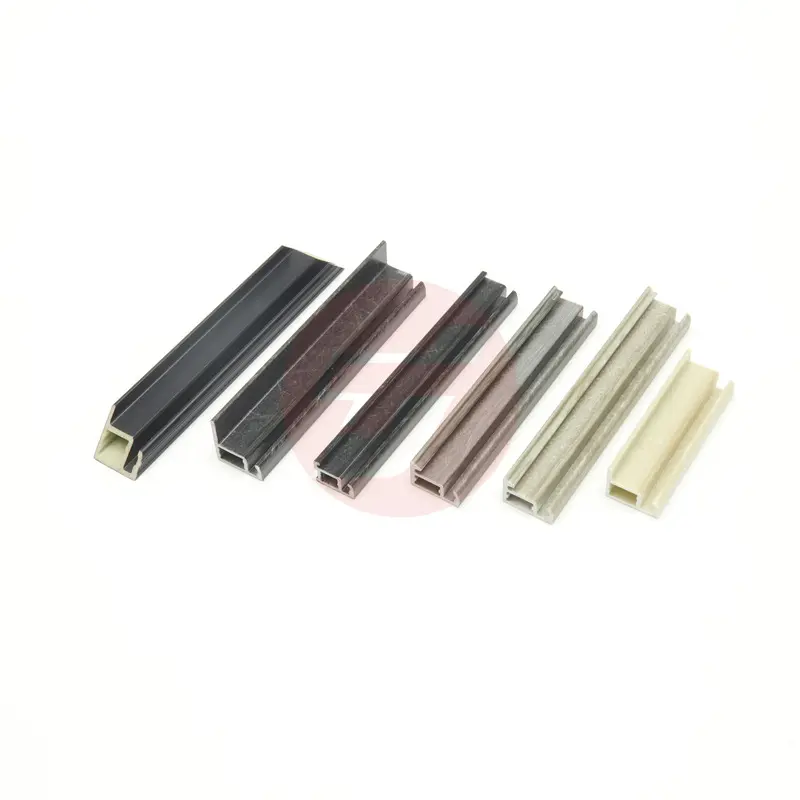
precision frp compression mold
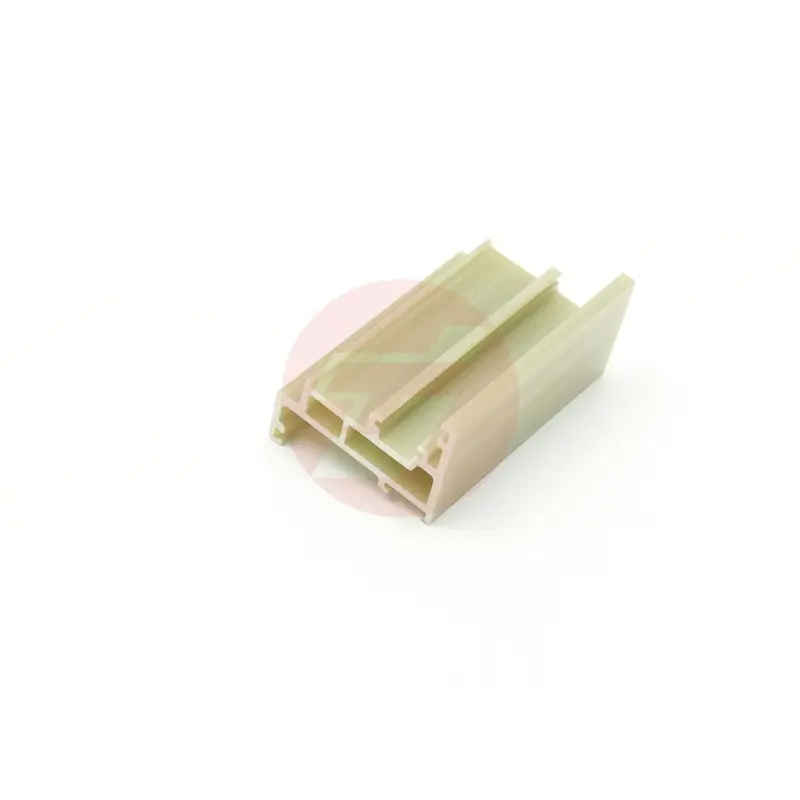
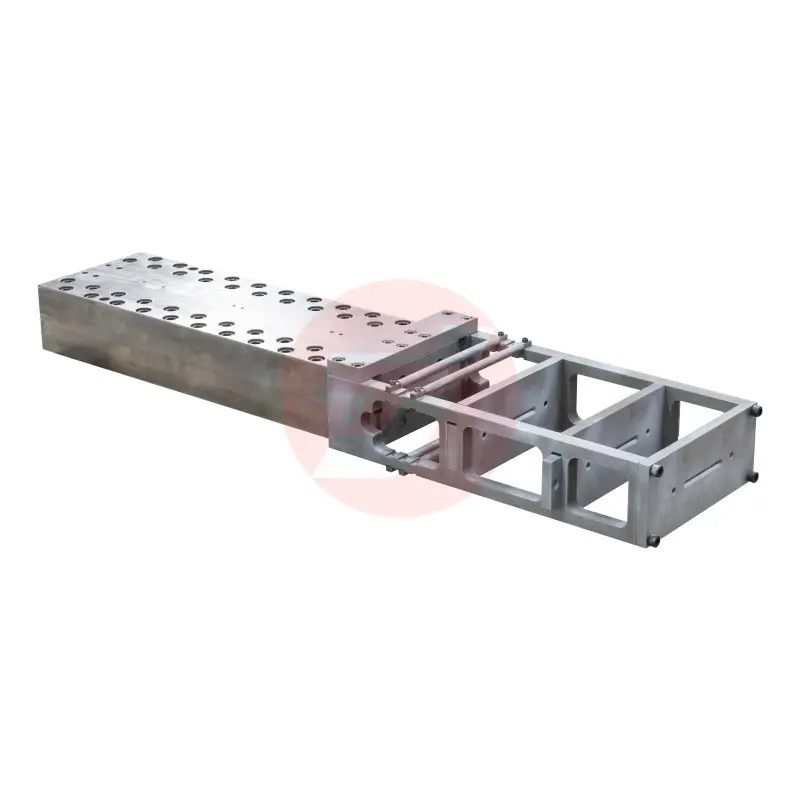
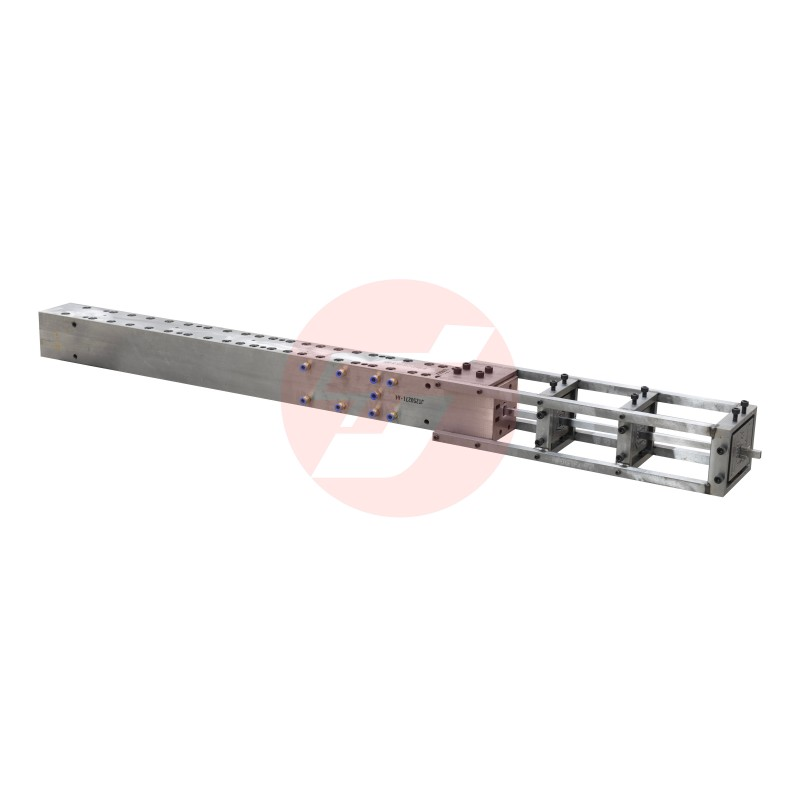
The precision FRP compression mold represents a revolutionary advancement in composite manufacturing technology, specifically designed for producing high-quality fiber-reinforced plastic components with exceptional accuracy and consistency. This sophisticated molding system combines advanced engineering principles with cutting-edge materials to deliver superior performance in demanding industrial applications. The precision FRP compression mold utilizes a controlled compression process that ensures optimal fiber distribution and resin impregnation, resulting in components with enhanced mechanical properties and dimensional stability. The mold's design incorporates precision-machined surfaces, advanced heating systems, and computerized pressure control mechanisms that work together to create a controlled environment for composite curing. Manufacturing industries rely on this technology to produce components that meet strict quality standards while maintaining cost-effectiveness. The precision FRP compression mold features robust construction materials, typically steel or aluminum alloys, that withstand repeated thermal cycling and high-pressure operations. Temperature control systems integrated within the mold ensure uniform heat distribution across the entire molding surface, eliminating hot spots and cold zones that could compromise part quality. Pressure monitoring systems provide real-time feedback on compression forces, allowing operators to maintain optimal processing conditions throughout the production cycle. The mold's modular design enables quick changeovers between different part configurations, maximizing production flexibility and minimizing downtime. Advanced surface treatments on the precision FRP compression mold ensure excellent part release characteristics while maintaining long-term durability. Applications span across automotive, aerospace, marine, construction, and industrial sectors where high-strength, lightweight components are essential. The technology supports various FRP materials including glass fiber, carbon fiber, and aramid fiber composites, providing versatility for diverse manufacturing requirements.

 EN
EN