Professional Mold Lifetime Extension Services - Maximize Durability and ROI

All Categories

Get a Free Quote

A professional manufacturer of composite material molds.
Email
WhatsApp
Name
Company Name
Message
0/1000
Attachment
Please upload at least an attachment
Up to 3 files,more 30mb,suppor jpg、jpeg、png、pdf、doc、docx、xls、xlsx、csv、txt

mold lifetime extension

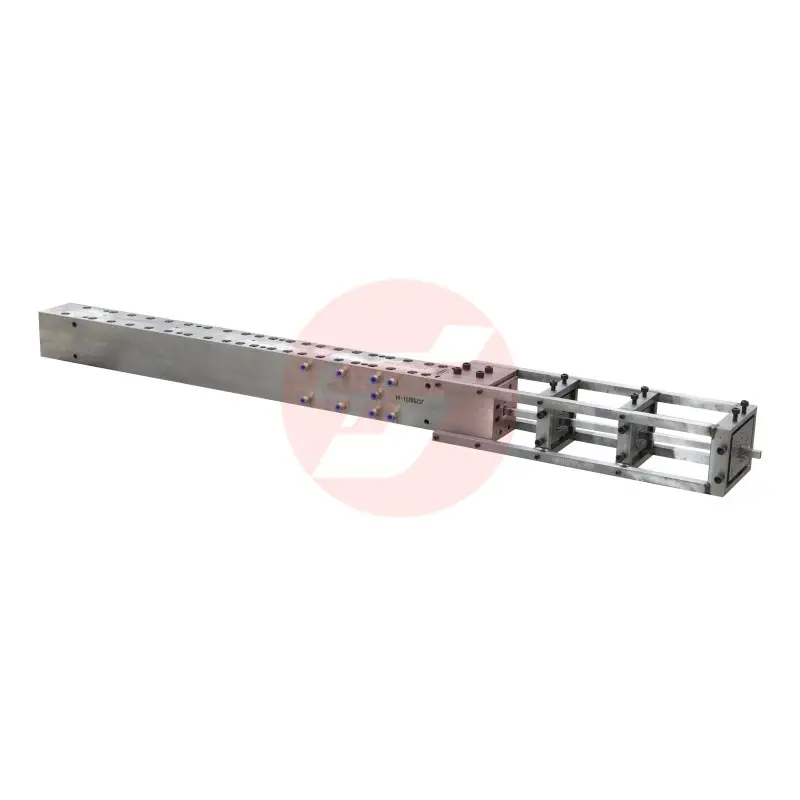
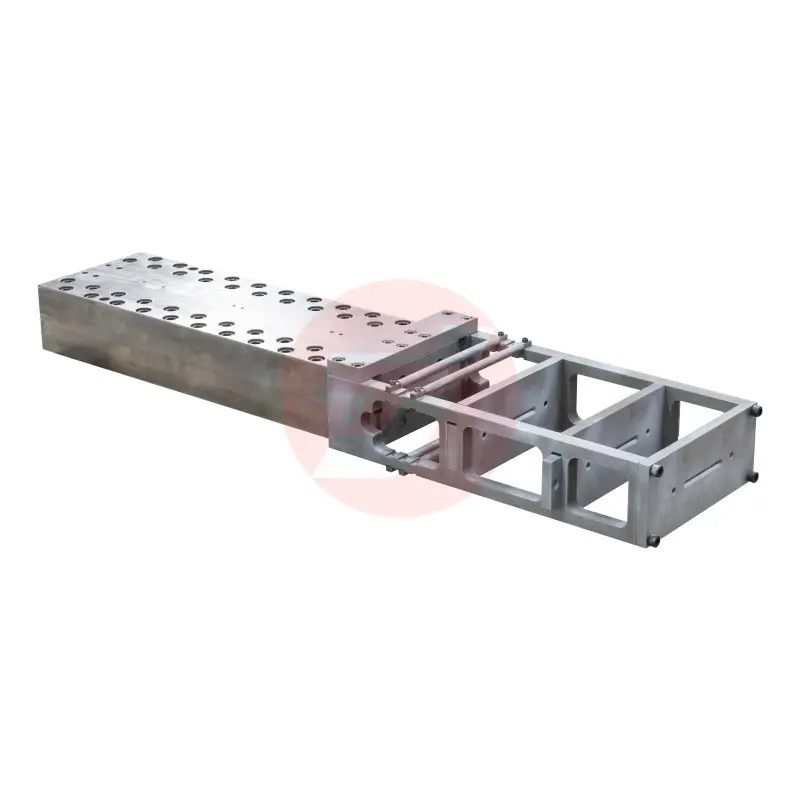
Mold lifetime extension represents a comprehensive approach to maximizing the operational lifespan and performance efficiency of industrial molds through advanced technologies, maintenance protocols, and protective treatments. This sophisticated methodology encompasses various strategies designed to combat the primary factors that contribute to mold degradation, including wear, corrosion, thermal stress, and material fatigue. The core functions of mold lifetime extension revolve around preventive maintenance, surface enhancement treatments, precision monitoring systems, and strategic repair interventions that collectively work to preserve mold integrity over extended periods. Modern mold lifetime extension solutions integrate cutting-edge technologies such as advanced coating systems, temperature control mechanisms, precision lubrication systems, and real-time monitoring devices that continuously assess mold condition and performance parameters. These technological features enable manufacturers to implement proactive maintenance schedules, optimize operating conditions, and address potential issues before they escalate into costly failures. The applications of mold lifetime extension span across diverse manufacturing sectors, including automotive, aerospace, consumer electronics, medical devices, and packaging industries, where mold reliability directly impacts production efficiency and product quality. Manufacturing facilities implementing comprehensive mold lifetime extension programs typically experience significant reductions in unplanned downtime, improved product consistency, enhanced production throughput, and substantial cost savings through reduced mold replacement frequency. The strategic implementation of mold lifetime extension protocols involves detailed assessment of existing mold conditions, identification of critical wear patterns, development of customized maintenance schedules, and continuous monitoring of performance metrics to ensure optimal results and maximum return on investment.


Popular Products

Implementing mold lifetime extension strategies delivers substantial economic benefits that directly impact your bottom line through reduced operational costs and improved manufacturing efficiency. Companies utilizing these advanced techniques typically achieve cost savings of 30-50% compared to traditional mold replacement cycles, as extended mold life significantly reduces the frequency of expensive mold acquisitions and associated downtime expenses. The enhanced durability provided by mold lifetime extension translates into more consistent production schedules, allowing manufacturers to meet delivery commitments reliably while maintaining superior product quality standards throughout extended production runs. Your manufacturing operations gain substantial flexibility through improved mold reliability, enabling longer production cycles without interruption and reducing the need for backup molds or emergency replacements that strain budgets and disrupt workflows. The precision monitoring systems integrated within comprehensive mold lifetime extension programs provide valuable data insights that help optimize production parameters, identify efficiency opportunities, and predict maintenance requirements before problems occur. This proactive approach eliminates unexpected production stoppages, reduces emergency repair costs, and enables better resource allocation across your manufacturing facility. Enhanced surface treatments and protective coatings applied during mold lifetime extension processes improve part quality consistency, reducing defect rates and minimizing material waste while ensuring products meet strict quality specifications. The environmental benefits of mold lifetime extension align with corporate sustainability goals by reducing metal waste, minimizing energy consumption associated with mold manufacturing, and decreasing the environmental impact of frequent mold replacements. Your workforce benefits from more predictable maintenance schedules and reduced emergency repair situations, leading to improved worker safety, better job satisfaction, and more efficient allocation of skilled technicians. The competitive advantage gained through mold lifetime extension enables faster response to market demands, improved customer satisfaction through consistent delivery performance, and enhanced reputation for reliability within your industry sector. Long-term strategic planning becomes more accurate when mold lifetime extension provides predictable equipment performance, enabling better capital expenditure forecasting and more effective production capacity planning.

Practical Tips

Why Are Epoxy Pultrusion Products Ideal for High-Strength Applications?

29

Dec

Why Are Epoxy Pultrusion Products Ideal for High-Strength Applications?

Epoxy pultrusion represents a revolutionary manufacturing process that combines the superior strength properties of epoxy resins with the continuous production capabilities of pultrusion technology. This advanced composite manufacturing method has tr...
View More
What Affects the Dimensional Accuracy of Epoxy Pultruded Products?

05

Jan

What Affects the Dimensional Accuracy of Epoxy Pultruded Products?

The dimensional accuracy of epoxy pultruded products plays a crucial role in determining their performance and suitability for various industrial applications. Manufacturing professionals across aerospace, automotive, and construction industries rely...
View More
Why Are Photovoltaic Frame Pultrusion Molds Key to Panel Stability?

05

Jan

Why Are Photovoltaic Frame Pultrusion Molds Key to Panel Stability?

Solar panel manufacturing requires precision engineering at every stage, particularly when it comes to creating the structural frames that protect and support photovoltaic cells. The photovoltaic frame pultrusion mold represents a critical component ...
View More
Why Do Wind Turbine OEMs Prefer High-Accuracy Carbon Fiber Beam Molds?

05

Jan

Why Do Wind Turbine OEMs Prefer High-Accuracy Carbon Fiber Beam Molds?

The wind energy sector has experienced unprecedented growth as global demand for renewable energy solutions continues to surge. Original Equipment Manufacturers (OEMs) in the wind turbine industry face increasing pressure to deliver high-performance,...
View More

Get a Free Quote

A professional manufacturer of composite material molds.
Email
WhatsApp
Name
Company Name
Message
0/1000
Attachment
Please upload at least an attachment
Up to 3 files,more 30mb,suppor jpg、jpeg、png、pdf、doc、docx、xls、xlsx、csv、txt

mold lifetime extension

Advanced Surface Treatment Technologies for Maximum Durability

Advanced Surface Treatment Technologies for Maximum Durability

The implementation of cutting-edge surface treatment technologies represents the cornerstone of effective mold lifetime extension, providing unparalleled protection against the harsh operating conditions that typically cause premature mold failure. These sophisticated treatments utilize advanced coating systems, including diamond-like carbon coatings, ceramic-based protective layers, and specialized metallic alloys that create virtually impenetrable barriers against corrosion, abrasion, and thermal degradation. The precision application of these protective treatments requires specialized equipment and expertise to ensure optimal adhesion, uniform coverage, and maximum effectiveness across complex mold geometries and critical surface areas. Modern surface treatment processes for mold lifetime extension incorporate multiple layers of protection, each designed to address specific degradation mechanisms while maintaining the precise dimensional tolerances essential for high-quality part production. The base layer typically consists of specialized primers that enhance adhesion and provide initial corrosion resistance, followed by intermediate layers that offer thermal stability and wear resistance, and finally topped with ultra-hard surface coatings that provide superior durability and release properties. These advanced treatments significantly reduce friction between the mold and molded materials, minimizing wear during each production cycle while improving part release characteristics and surface finish quality. The thermal properties of these protective coatings help maintain consistent mold temperatures, reducing thermal stress and preventing the formation of hotspots that can cause warping or cracking over time. Regular monitoring and maintenance of these surface treatments ensure continued effectiveness throughout the extended mold lifetime, with specialized inspection techniques used to assess coating integrity and performance. The investment in advanced surface treatment technologies for mold lifetime extension typically pays for itself within the first year through reduced maintenance costs, improved part quality, and extended production runs between major overhauls.
Precision Monitoring and Predictive Maintenance Systems

Precision Monitoring and Predictive Maintenance Systems

Revolutionary precision monitoring and predictive maintenance systems form the intelligent backbone of modern mold lifetime extension programs, utilizing sophisticated sensors, data analytics, and artificial intelligence to optimize mold performance and prevent costly failures before they occur. These comprehensive monitoring systems continuously track critical parameters including temperature distribution, pressure variations, cycle times, wear patterns, and structural integrity indicators to provide real-time insights into mold condition and performance trends. Advanced sensor technologies embedded within the mold structure monitor internal stresses, thermal expansion, and microscopic changes in critical dimensions, enabling early detection of potential problems that could compromise mold integrity or part quality. The predictive analytics capabilities of these systems analyze historical performance data, identify patterns that precede mold failures, and generate accurate forecasts for maintenance requirements, component replacements, and optimal operating conditions. Machine learning algorithms continuously refine these predictions based on actual performance data, improving accuracy over time and enabling more precise maintenance scheduling that maximizes production uptime while minimizing unexpected disruptions. The integration of Internet of Things technology allows remote monitoring of mold conditions, enabling expert technicians to assess performance from any location and provide immediate guidance when anomalies are detected. Automated alert systems notify operators and maintenance personnel when monitored parameters exceed predetermined thresholds, enabling rapid response to prevent minor issues from escalating into major problems. The comprehensive data collection and analysis capabilities of these monitoring systems provide valuable insights for optimizing production parameters, improving part quality, and extending mold lifetime extension benefits across multiple production cycles. Regular system calibration and software updates ensure continued accuracy and reliability of the monitoring equipment, while user-friendly interfaces make it easy for operators to interpret data and take appropriate action when necessary.
Comprehensive Repair and Refurbishment Protocols

Comprehensive Repair and Refurbishment Protocols

Sophisticated repair and refurbishment protocols represent the restoration component of comprehensive mold lifetime extension strategies, utilizing advanced techniques and technologies to restore worn or damaged molds to like-new condition while enhancing their durability for extended service life. These protocols encompass detailed inspection procedures, precision measurement techniques, advanced welding and machining processes, and quality verification methods that ensure restored molds meet or exceed original performance specifications. The comprehensive assessment phase of mold refurbishment involves non-destructive testing methods, dimensional analysis, surface condition evaluation, and structural integrity checks to identify all areas requiring attention and develop optimal repair strategies. Specialized repair techniques include precision welding using advanced alloys, computer-controlled machining to restore critical dimensions, surface texturing to improve release characteristics, and the application of enhanced protective coatings for improved durability. The refurbishment process often incorporates design improvements and technological upgrades that enhance mold performance beyond original capabilities, including improved cooling systems, enhanced venting arrangements, and upgraded ejection mechanisms. Quality control procedures throughout the refurbishment process ensure that all repairs meet stringent standards for dimensional accuracy, surface finish, and structural integrity, with comprehensive testing performed before molds are returned to production service. The documentation and tracking systems associated with mold refurbishment provide detailed records of all work performed, enabling better planning for future maintenance activities and optimization of mold lifetime extension strategies. Environmental considerations are integrated throughout the refurbishment process, with waste minimization strategies, recycling of materials where possible, and the use of environmentally friendly processes that support corporate sustainability goals. The cost-effectiveness of comprehensive refurbishment protocols often exceeds that of new mold acquisition, particularly for complex or specialized molds where the investment in mold lifetime extension provides exceptional returns through extended service life and improved performance capabilities.

Get a Free Quote

A professional manufacturer of composite material molds.
Email
WhatsApp
Name
Company Name
Message
0/1000
Attachment
Please upload at least an attachment
Up to 3 files,more 30mb,suppor jpg、jpeg、png、pdf、doc、docx、xls、xlsx、csv、txt