Exceptional Durability and Performance Reliability
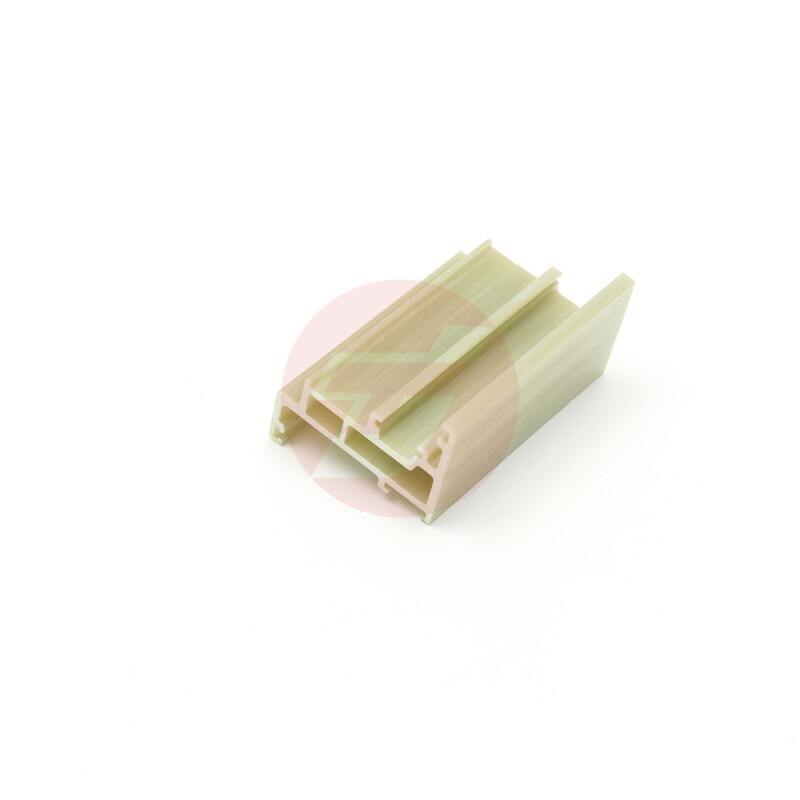
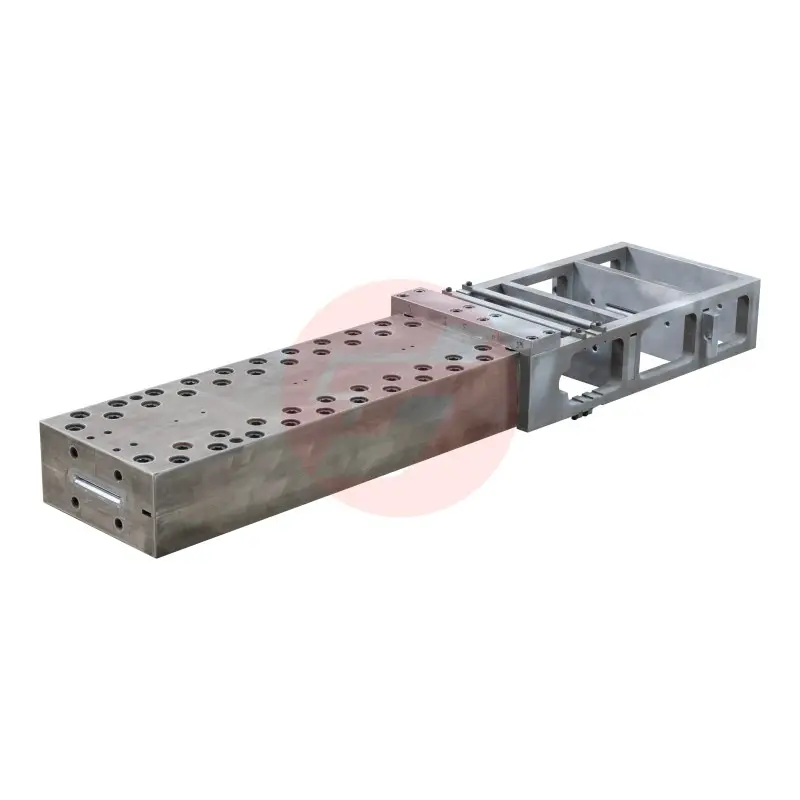
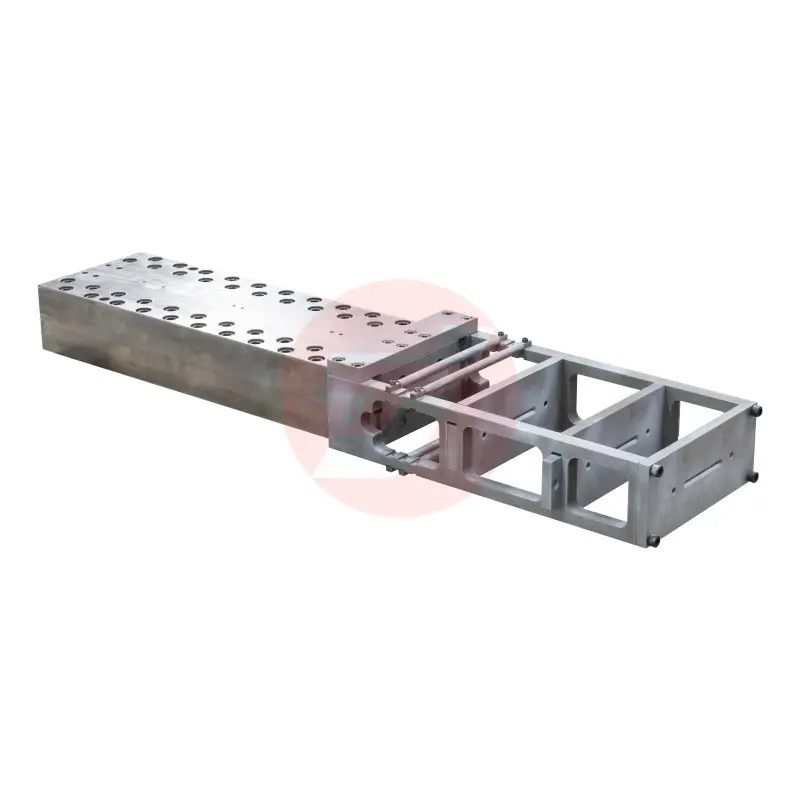
The structural integrity of epoxy fiberglass mold systems provides manufacturers with reliable tooling that maintains dimensional accuracy and surface quality throughout extended production cycles. Advanced epoxy resin formulations create cross-linked polymer networks that resist deformation under mechanical stress, thermal cycling, and chemical exposure from various molding compounds. The fiberglass reinforcement matrix distributes loads evenly across the mold surface, preventing localized stress concentrations that could lead to premature failure or dimensional instability. This engineered approach to epoxy fiberglass mold construction ensures consistent part quality from the first production run through thousands of cycles, protecting manufacturing investments and maintaining customer satisfaction. Temperature resistance capabilities enable epoxy fiberglass mold systems to withstand elevated curing temperatures without warping, shrinking, or developing surface defects that would compromise part quality. The thermal expansion characteristics match closely with many molding materials, minimizing stress-related issues during heating and cooling cycles. Chemical compatibility with various release agents, molding compounds, and cleaning solvents ensures that epoxy fiberglass mold surfaces remain intact and functional throughout their service life. Surface hardness properties resist wear from part removal operations and cleaning procedures, maintaining smooth finishes that produce high-quality molded components. Impact resistance protects against damage from accidental contact or dropped parts during production operations, reducing the likelihood of costly mold repairs or replacements. The monolithic construction of epoxy fiberglass mold systems eliminates joints and seams that could develop leaks or dimensional variations over time, ensuring consistent part geometry throughout the production lifecycle. Fatigue resistance allows these molds to withstand repetitive loading and unloading cycles without developing stress cracks or other failure modes common in traditional tooling materials. Environmental stability protects against humidity variations, temperature fluctuations, and UV exposure during storage periods, maintaining mold integrity between production campaigns and extending overall service life for maximum return on tooling investments.
 EN
EN