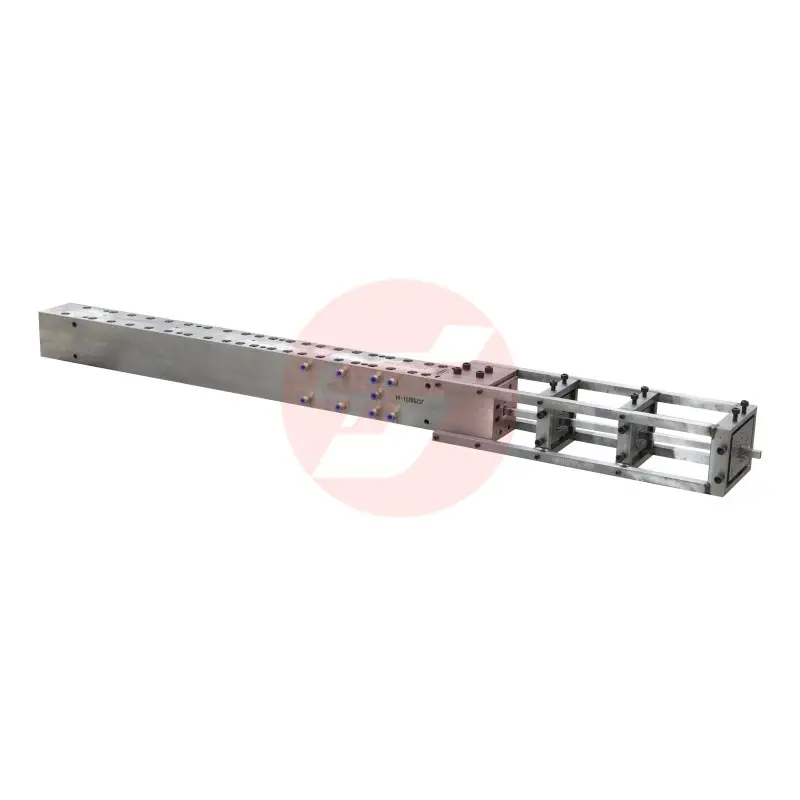
frp pultrusion molds
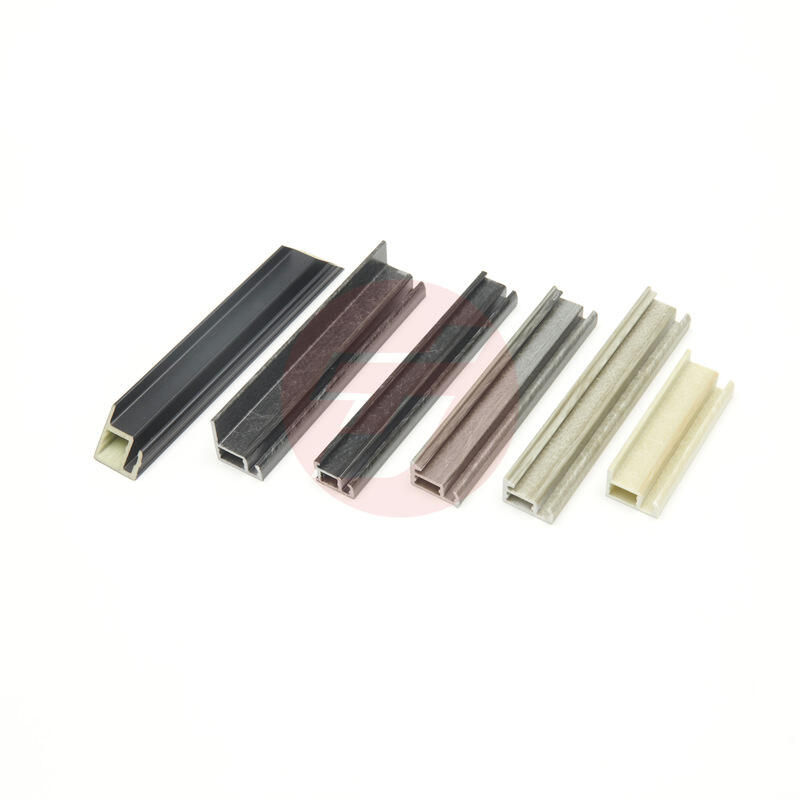
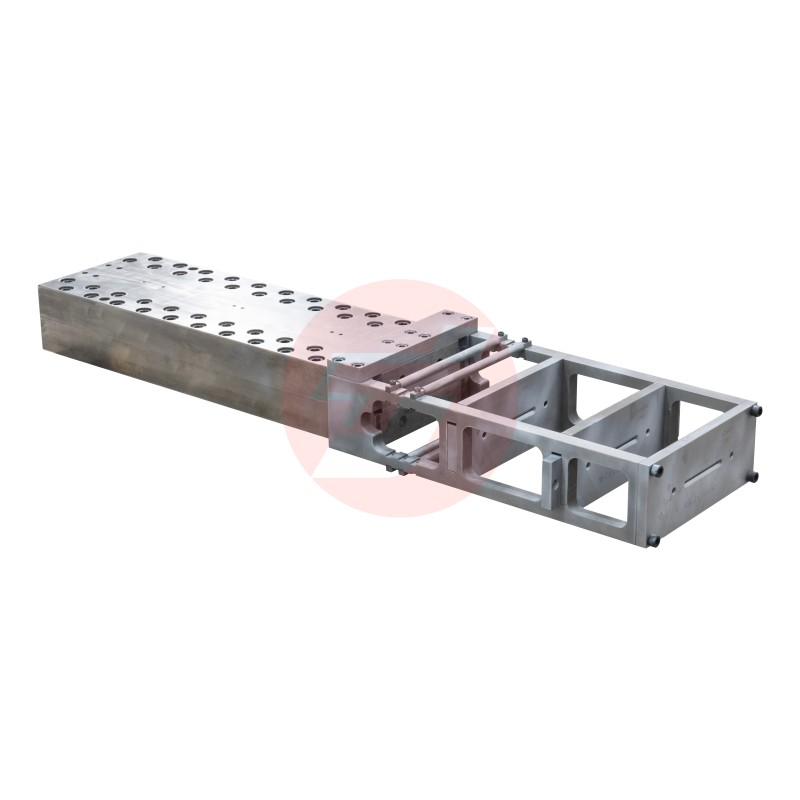
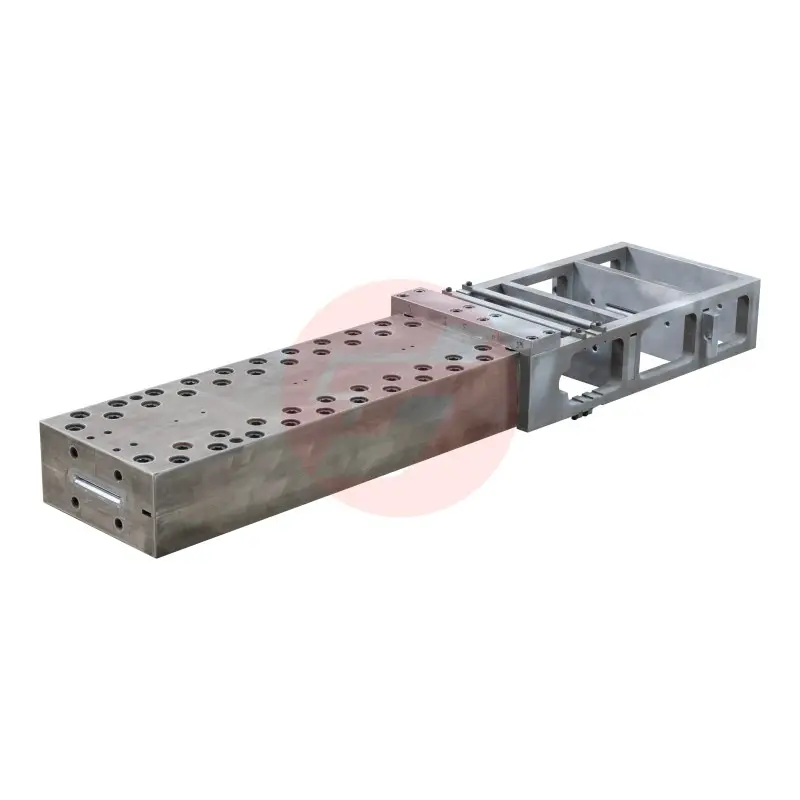
FRP pultrusion molds represent a cornerstone technology in modern composite manufacturing, serving as precision-engineered tools that shape continuous fiber-reinforced plastic profiles through the pultrusion process. These specialized molds function as heated forming chambers where glass, carbon, or aramid fibers saturated with thermosetting resins are pulled through precisely machined cavities to create uniform cross-sectional profiles. The fundamental operation involves continuous fiber reinforcement being drawn through a resin bath, then guided into the heated frp pultrusion molds where chemical crosslinking occurs under controlled temperature and pressure conditions. The technological sophistication of these molds lies in their multi-zone heating systems, which typically feature three distinct temperature regions: a gelation zone where initial curing begins, a curing zone where primary crosslinking occurs, and a post-cure zone ensuring complete polymerization. Advanced frp pultrusion molds incorporate sophisticated temperature control mechanisms, often utilizing embedded heating elements and precision thermocouples for uniform heat distribution across the entire mold length. The internal surface finish of these molds requires exceptional smoothness and dimensional accuracy, typically achieved through precision machining and specialized coating applications that prevent resin adhesion while ensuring optimal surface quality of the finished products. Modern frp pultrusion molds feature modular designs enabling quick profile changes and efficient maintenance procedures. Applications span numerous industries including construction, where structural profiles, reinforcement bars, and architectural elements are manufactured. Transportation sectors utilize these molds for producing lightweight yet strong components for automotive, marine, and aerospace applications. Infrastructure projects rely on frp pultrusion molds for creating corrosion-resistant utility poles, bridge components, and pipeline systems. The versatility extends to consumer products, sporting goods, and industrial equipment manufacturing, demonstrating the broad applicability of this essential manufacturing technology.

 EN
EN