Large Beam Mold for Wind Blade - Advanced Manufacturing Solutions for Renewable Energy

All Categories

Get a Free Quote

A professional manufacturer of composite material molds.
Email
WhatsApp
Name
Company Name
Message
0/1000
Attachment
Please upload at least an attachment
Up to 3 files,more 30mb,suppor jpg、jpeg、png、pdf、doc、docx、xls、xlsx、csv、txt

large beam mold for wind blade

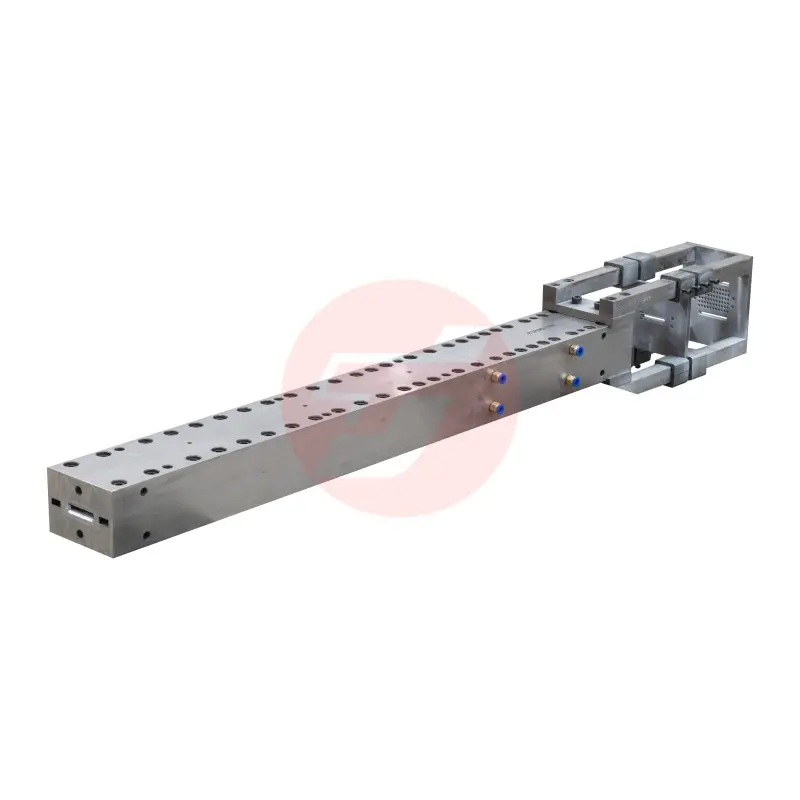
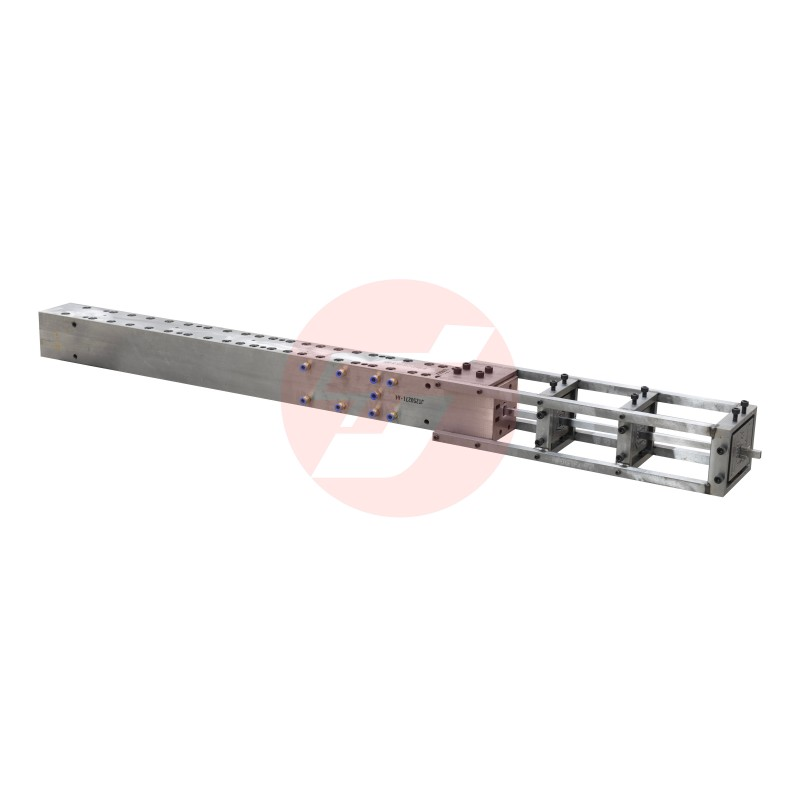
The large beam mold for wind blade represents a critical manufacturing component in the renewable energy sector, specifically designed to produce the main structural beams that form the backbone of modern wind turbine blades. These sophisticated molding systems are engineered to handle the complex geometries and substantial dimensions required for today's increasingly large wind turbine blades, which can extend over 100 meters in length. The primary function of the large beam mold for wind blade is to create precise, lightweight yet incredibly strong composite structures that must withstand extreme wind loads, temperature variations, and decades of continuous operation. The technological features of these molds incorporate advanced materials such as high-grade steel or aluminum alloys, precision-machined surfaces, and integrated heating and cooling systems that ensure optimal curing conditions for composite materials. The mold design includes sophisticated release mechanisms, adjustable geometry sections, and comprehensive quality control systems that monitor temperature, pressure, and curing time throughout the manufacturing process. Applications of the large beam mold for wind blade extend across various wind energy projects, from onshore installations to challenging offshore environments where blade reliability is paramount. These molds support the production of both glass fiber reinforced plastic and carbon fiber composite beams, accommodating different blade designs and aerodynamic requirements. The manufacturing process involves laying composite materials into the mold cavity, applying resin systems, and utilizing vacuum bagging techniques combined with precise temperature control to achieve optimal material properties. Modern large beam mold for wind blade systems feature modular designs that allow for different blade configurations, automated material handling systems, and integrated quality assurance protocols that ensure consistent production standards. The technological advancement in these molds has enabled manufacturers to produce larger, more efficient wind turbine blades that contribute significantly to increased energy output and reduced levelized cost of electricity in wind power generation.


Popular Products

The large beam mold for wind blade offers numerous practical benefits that directly impact manufacturing efficiency, product quality, and overall project economics for wind energy companies. One of the most significant advantages is the exceptional precision and repeatability these molds provide, ensuring that each wind blade beam meets exact specifications and tolerances required for optimal aerodynamic performance. This precision translates into improved energy capture efficiency and reduced maintenance costs over the blade's operational lifetime. The advanced temperature control systems integrated into the large beam mold for wind blade enable manufacturers to achieve optimal curing conditions consistently, resulting in superior material properties including enhanced strength-to-weight ratios and improved fatigue resistance. These characteristics are crucial for wind turbine blades that must endure millions of stress cycles throughout their 20-25 year operational life. Manufacturing companies benefit from significantly reduced production time due to the streamlined processes enabled by modern large beam mold for wind blade systems. The automated features and efficient workflow design minimize manual labor requirements while maximizing throughput, allowing manufacturers to meet tight project deadlines and reduce overall production costs. The modular design approach of contemporary molds provides exceptional flexibility, enabling manufacturers to produce different blade sizes and configurations using the same basic mold infrastructure. This adaptability reduces capital investment requirements and allows companies to respond quickly to changing market demands and technological advances in wind turbine design. Quality control advantages are substantial, as the large beam mold for wind blade incorporates real-time monitoring systems that track critical parameters throughout the manufacturing process. This capability virtually eliminates defective products and reduces material waste, contributing to improved profit margins and environmental sustainability. The enhanced surface finish quality achieved through precision molds results in blades with superior aerodynamic properties and reduced maintenance requirements. Additionally, the consistent manufacturing environment provided by these molds ensures reliable bond strength between composite layers, eliminating potential failure points that could lead to costly field repairs or blade replacements. The economic benefits extend beyond direct manufacturing savings, as the superior quality and reliability of blades produced using advanced large beam mold for wind blade systems contribute to improved project financing terms and enhanced long-term revenue streams for wind farm operators.

Tips And Tricks

Why Are Epoxy Pultrusion Products Ideal for High-Strength Applications?

29

Dec

Why Are Epoxy Pultrusion Products Ideal for High-Strength Applications?

Epoxy pultrusion represents a revolutionary manufacturing process that combines the superior strength properties of epoxy resins with the continuous production capabilities of pultrusion technology. This advanced composite manufacturing method has tr...
View More
How Does Polyurethane Enhance Performance in Pultruded Components?

05

Jan

How Does Polyurethane Enhance Performance in Pultruded Components?

The construction and manufacturing industries are constantly seeking materials that deliver superior performance while maintaining cost-effectiveness. Polyurethane pultrusion has emerged as a revolutionary process that combines the excellent properti...
View More
How Do Pultrusion Molds Enhance Durability in Solar Frame Manufacturing?

05

Jan

How Do Pultrusion Molds Enhance Durability in Solar Frame Manufacturing?

Solar frame manufacturing has undergone significant technological advancement in recent years, with pultrusion molds emerging as a critical component in producing durable, high-performance photovoltaic frames. The integration of advanced pultrusion t...
View More
How to Maintain Carbon Fiber Pultrusion Molds for Long-Term Stability?

13

Feb

How to Maintain Carbon Fiber Pultrusion Molds for Long-Term Stability?

Carbon fiber pultrusion molds represent one of the most critical components in manufacturing high-performance composite materials for industries ranging from aerospace to renewable energy. These precision-engineered tools require meticulous maintenan...
View More

Get a Free Quote

A professional manufacturer of composite material molds.
Email
WhatsApp
Name
Company Name
Message
0/1000
Attachment
Please upload at least an attachment
Up to 3 files,more 30mb,suppor jpg、jpeg、png、pdf、doc、docx、xls、xlsx、csv、txt

large beam mold for wind blade

Advanced Composite Material Integration Technology

Advanced Composite Material Integration Technology

The large beam mold for wind blade incorporates cutting-edge composite material integration technology that revolutionizes the manufacturing process for wind turbine blade beams. This sophisticated system utilizes precision-controlled resin transfer molding techniques combined with advanced fiber placement technology to achieve optimal material distribution and superior structural integrity. The technology enables manufacturers to work with various composite materials including unidirectional glass fibers, carbon fiber reinforcements, and hybrid material systems that optimize both performance and cost-effectiveness. The mold design features strategically positioned resin injection points and vacuum ports that ensure complete material saturation while eliminating air pockets and dry spots that could compromise structural integrity. Temperature zones within the large beam mold for wind blade are independently controlled using advanced heating elements and cooling circuits, allowing for precise thermal management throughout the curing process. This thermal control is crucial for achieving optimal cross-linking of resin systems and preventing thermal gradients that could induce residual stresses or dimensional distortions. The integrated material handling system automates the placement of reinforcement fabrics and core materials, reducing labor costs while improving consistency and quality. Advanced sensors continuously monitor material flow, temperature distribution, and pressure levels, providing real-time feedback for process optimization. The technology also incorporates innovative surface treatment systems that ensure superior mold release properties while maintaining excellent surface finish quality on the finished blade beams. This comprehensive approach to composite material integration results in wind blade beams with exceptional mechanical properties, including improved fatigue resistance, enhanced stiffness characteristics, and optimal weight distribution. The precision achieved through this technology directly translates to improved aerodynamic performance and extended operational life for wind turbine installations, making it an invaluable investment for manufacturers committed to producing high-quality renewable energy components.
Modular Design and Scalability Excellence

Modular Design and Scalability Excellence

The modular design excellence of the large beam mold for wind blade represents a breakthrough in manufacturing flexibility and scalability that addresses the evolving needs of the wind energy industry. This innovative design approach allows manufacturers to configure mold systems for different blade sizes and geometries without requiring completely new tooling investments. The modular architecture consists of interchangeable sections that can be recombined to accommodate blade beams ranging from smaller onshore turbine applications to massive offshore wind installations exceeding 15MW capacity. Each module within the large beam mold for wind blade system is precision-engineered with standardized connection interfaces that ensure perfect alignment and seamless integration regardless of configuration. This standardization eliminates the costly and time-consuming process of developing entirely new mold systems for each blade design, significantly reducing capital investment requirements and accelerating time-to-market for new turbine models. The scalability features enable manufacturers to start with smaller configurations and expand their capabilities as business growth demands, providing excellent return on investment and minimizing financial risk. Advanced positioning systems within each module utilize servo-controlled actuators and precision measurement systems to achieve exact geometric specifications for each blade beam configuration. The modular approach also facilitates efficient maintenance and service operations, as individual sections can be accessed, repaired, or replaced without disrupting the entire production line. This capability minimizes downtime and ensures consistent production schedules, which is crucial for meeting project delivery commitments in the competitive wind energy market. Quality control systems are integrated throughout the modular design, with each section featuring independent monitoring capabilities that contribute to overall process control and product quality assurance. The flexibility offered by the modular large beam mold for wind blade system enables manufacturers to respond rapidly to technological advances in wind turbine design, ensuring their production capabilities remain current with industry developments and customer requirements. This adaptability is particularly valuable in the rapidly evolving renewable energy sector where innovation cycles are accelerating and customer demands for improved performance are constantly increasing.
Precision Manufacturing and Quality Assurance Systems

Precision Manufacturing and Quality Assurance Systems

The precision manufacturing and quality assurance systems integrated into the large beam mold for wind blade represent the pinnacle of advanced manufacturing technology, delivering unprecedented accuracy and reliability in wind turbine blade beam production. These comprehensive systems utilize state-of-the-art measurement technologies including laser interferometry, coordinate measuring machines, and real-time dimensional monitoring to ensure that every blade beam meets exact specifications within tolerances measured in fractions of millimeters. The precision control extends throughout the entire manufacturing process, from initial material placement through final curing and demolding operations. Advanced process control algorithms continuously monitor and adjust critical parameters such as temperature distribution, pressure application, and curing time to maintain optimal conditions for material transformation and structural development. The large beam mold for wind blade incorporates multiple redundant measurement systems that provide continuous feedback on dimensional accuracy, ensuring that any deviations from specifications are immediately detected and corrected. Quality assurance protocols include comprehensive material traceability systems that document every aspect of the manufacturing process, creating detailed records that support product certification and warranty requirements. Automated inspection systems utilize advanced imaging technology and artificial intelligence algorithms to detect surface imperfections, material inconsistencies, and dimensional variations that could affect blade performance or operational reliability. The integrated quality management system provides real-time statistical process control data that enables manufacturers to optimize their operations continuously and maintain consistent high-quality output. Non-destructive testing capabilities built into the mold system allow for comprehensive evaluation of internal structure integrity without damaging finished products. These testing methods include ultrasonic inspection, thermography, and acoustic emission monitoring that can detect potential defects before they become operational problems. The precision manufacturing approach ensures that blade beams produced using the large beam mold for wind blade system exhibit superior fatigue resistance, optimal aerodynamic properties, and consistent performance characteristics throughout their operational life. Documentation and certification support provided by the quality assurance systems streamlines regulatory approval processes and facilitates compliance with international wind energy standards, reducing time-to-market and supporting global market expansion for wind turbine manufacturers.

Get a Free Quote

A professional manufacturer of composite material molds.
Email
WhatsApp
Name
Company Name
Message
0/1000
Attachment
Please upload at least an attachment
Up to 3 files,more 30mb,suppor jpg、jpeg、png、pdf、doc、docx、xls、xlsx、csv、txt