Composite Beam Fiberglass Mold: Advanced Manufacturing Solutions for High-Performance Components

All Categories

Get a Free Quote

A professional manufacturer of composite material molds.
Email
WhatsApp
Name
Company Name
Message
0/1000
Attachment
Please upload at least an attachment
Up to 3 files,more 30mb,suppor jpg、jpeg、png、pdf、doc、docx、xls、xlsx、csv、txt

composite beam fiberglass mold

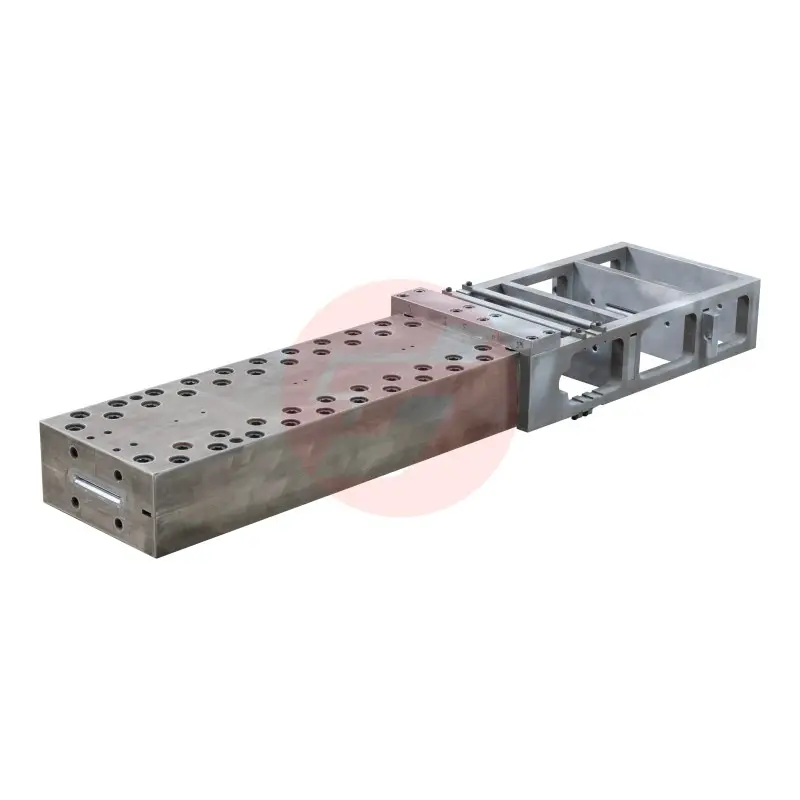
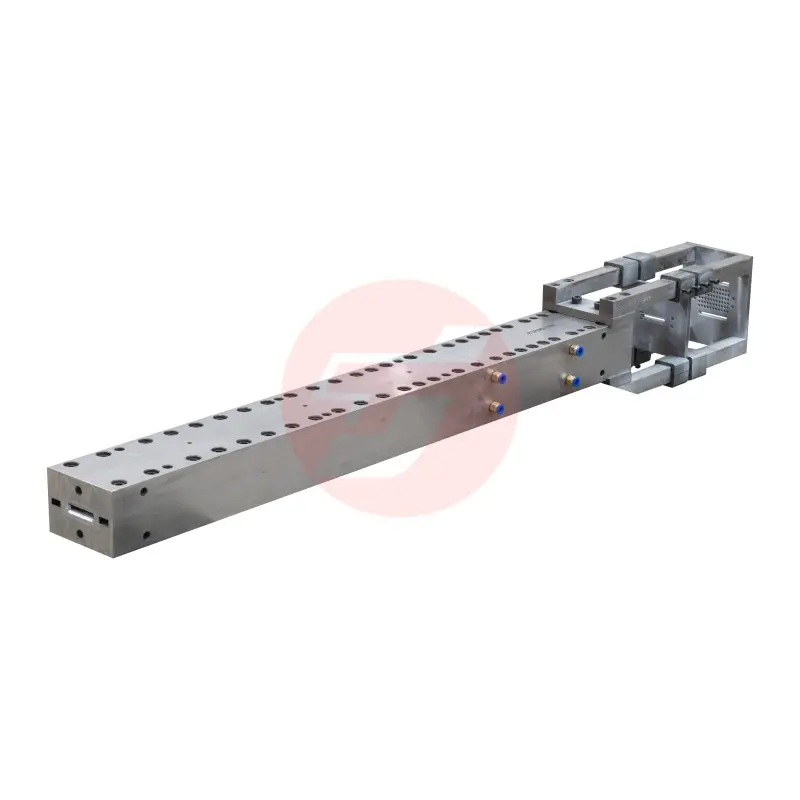
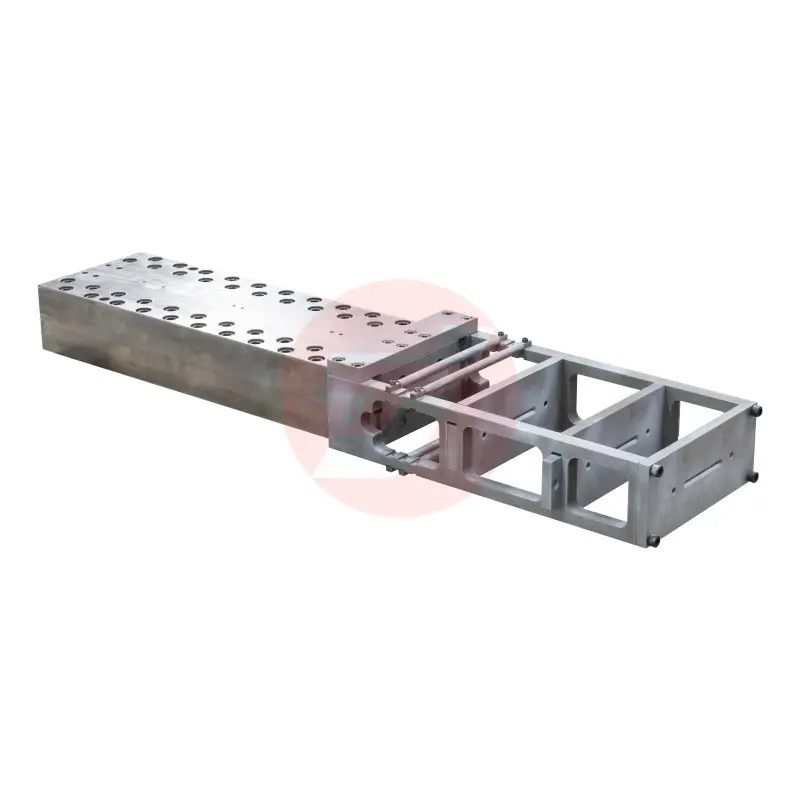
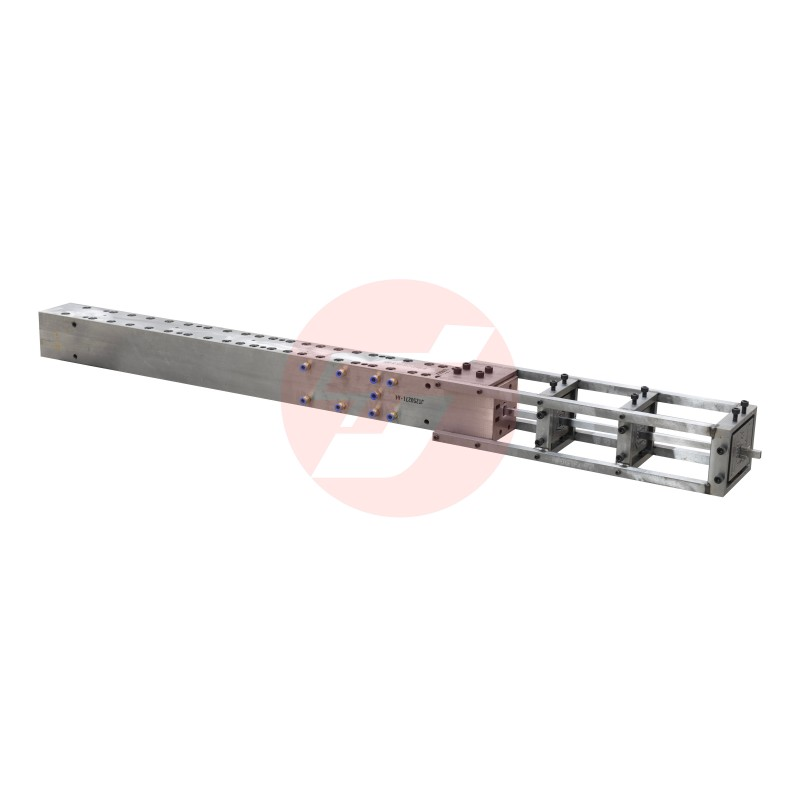
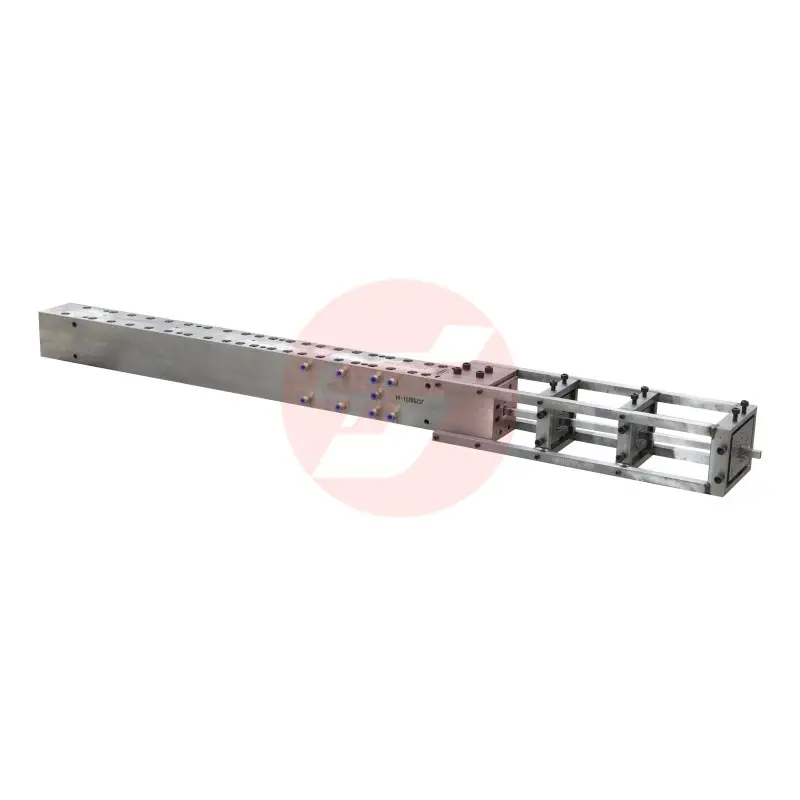
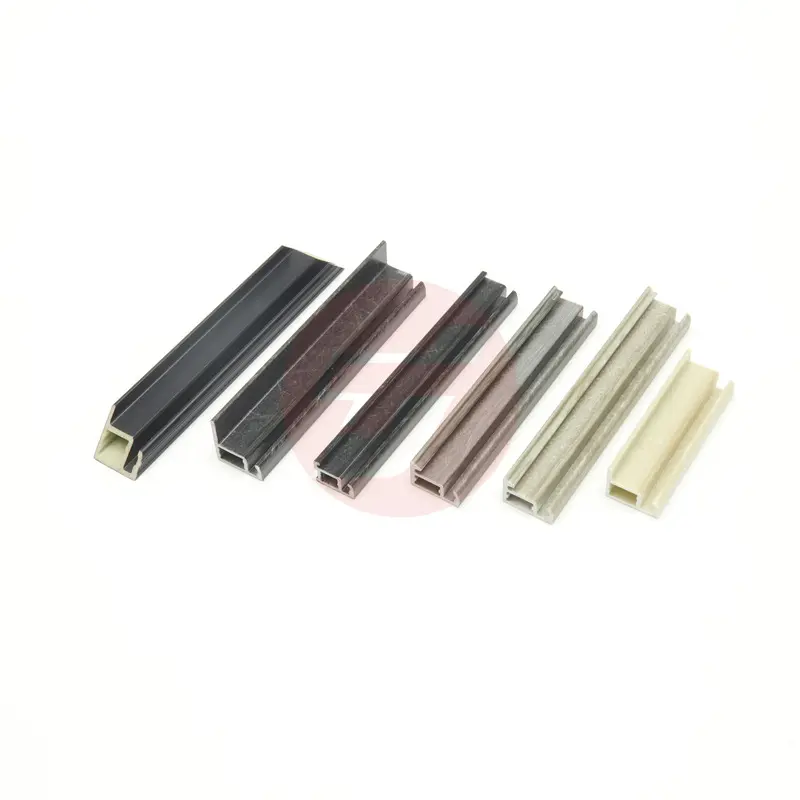
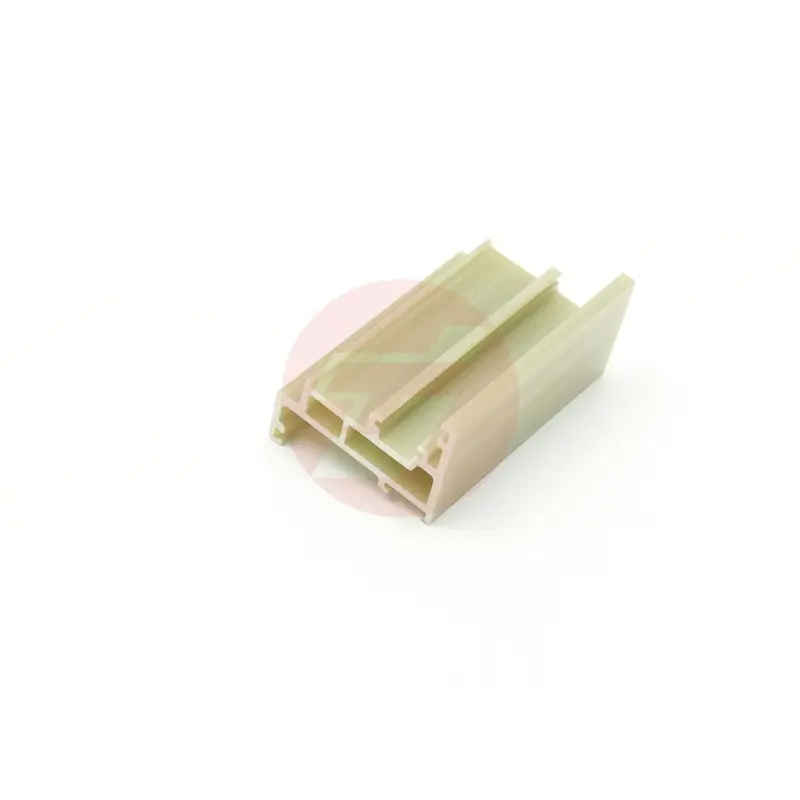
The composite beam fiberglass mold represents a revolutionary manufacturing solution designed for creating high-performance structural components in various industries. This advanced molding system combines cutting-edge materials science with precision engineering to produce consistent, reliable results in composite manufacturing processes. The composite beam fiberglass mold serves as the foundation for creating lightweight yet incredibly strong structural elements that meet demanding performance specifications across aerospace, automotive, construction, and marine applications. The primary function of this specialized mold centers around shaping and forming composite materials into predetermined beam configurations while maintaining exact dimensional tolerances and surface finish requirements. The technological framework incorporates advanced fiber reinforcement patterns, resin distribution channels, and temperature control mechanisms that ensure optimal curing conditions throughout the manufacturing cycle. These molds feature sophisticated release systems that prevent material adhesion while facilitating easy part removal without compromising structural integrity. The design methodology emphasizes thermal stability, allowing operators to maintain consistent temperatures during extended production runs without experiencing dimensional drift or surface degradation. Modern composite beam fiberglass molds integrate smart monitoring systems that track critical parameters such as temperature distribution, pressure levels, and curing progress in real-time. This technological integration enables manufacturers to optimize their production processes while reducing waste and improving overall quality control measures. The versatility of these molds extends beyond simple beam production, accommodating complex geometries, varying wall thicknesses, and multiple material combinations within single manufacturing cycles. Applications span numerous sectors including wind energy infrastructure, where these molds produce turbine blades and support structures, transportation industries for lightweight chassis components, and architectural applications requiring both aesthetic appeal and structural performance. The composite beam fiberglass mold technology continues evolving with enhanced automation capabilities, improved material compatibility, and greater environmental sustainability features that align with modern manufacturing standards and regulatory requirements.


Popular Products

The composite beam fiberglass mold offers exceptional durability that significantly outperforms traditional manufacturing alternatives, delivering consistent results over thousands of production cycles while maintaining precise dimensional accuracy. This longevity translates directly into reduced replacement costs and minimized production downtime, creating substantial economic benefits for manufacturers operating in competitive markets. The superior thermal properties of these molds enable precise temperature control throughout the manufacturing process, ensuring optimal resin curing and fiber consolidation that produces parts with enhanced mechanical properties and reliability. Manufacturing efficiency receives a tremendous boost through the streamlined production workflows enabled by composite beam fiberglass molds, which reduce cycle times and eliminate numerous secondary processing steps typically required with conventional methods. The smooth, non-porous surface finish achieved through these molds eliminates the need for extensive post-production treatments, saving both time and labor costs while delivering superior aesthetic quality. Weight reduction capabilities represent another significant advantage, as the composite beam fiberglass mold produces components that are substantially lighter than metal alternatives without sacrificing structural integrity or performance characteristics. This weight reduction directly impacts fuel efficiency in transportation applications and reduces installation complexity in construction projects. The versatility of composite beam fiberglass molds allows manufacturers to accommodate various material systems, including carbon fiber, glass fiber, and hybrid reinforcements, providing flexibility to meet diverse customer specifications and performance requirements. Cost-effectiveness extends beyond initial manufacturing savings, encompassing reduced maintenance requirements, lower energy consumption during production, and extended service life of finished components. The precision molding capabilities eliminate material waste typically associated with subtractive manufacturing processes, contributing to environmental sustainability while reducing raw material costs. Quality consistency achieved through composite beam fiberglass molds ensures that every produced component meets exact specifications, reducing rejection rates and enhancing customer satisfaction. The corrosion resistance inherent in fiberglass construction protects the mold investment from degradation caused by various resin systems and environmental conditions, maintaining production quality over extended periods. These molds facilitate rapid prototyping and design iteration, allowing manufacturers to respond quickly to market demands and customer requirements without significant tooling investments or lengthy lead times.

Latest News

How to Select Carbon Fiber Pultruded Profiles for Engineering Projects?

29

Dec

How to Select Carbon Fiber Pultruded Profiles for Engineering Projects?

Carbon fiber pultruded profiles represent one of the most advanced composite materials available for modern engineering applications. These lightweight yet incredibly strong structural components have revolutionized industries ranging from aerospace ...
View More
How Does Polyurethane Enhance Performance in Pultruded Components?

05

Jan

How Does Polyurethane Enhance Performance in Pultruded Components?

The construction and manufacturing industries are constantly seeking materials that deliver superior performance while maintaining cost-effectiveness. Polyurethane pultrusion has emerged as a revolutionary process that combines the excellent properti...
View More
Why Do Wind Turbine OEMs Prefer High-Accuracy Carbon Fiber Beam Molds?

05

Jan

Why Do Wind Turbine OEMs Prefer High-Accuracy Carbon Fiber Beam Molds?

The wind energy sector has experienced unprecedented growth as global demand for renewable energy solutions continues to surge. Original Equipment Manufacturers (OEMs) in the wind turbine industry face increasing pressure to deliver high-performance,...
View More
How to Maintain Carbon Fiber Pultrusion Molds for Long-Term Stability?

13

Feb

How to Maintain Carbon Fiber Pultrusion Molds for Long-Term Stability?

Carbon fiber pultrusion molds represent one of the most critical components in manufacturing high-performance composite materials for industries ranging from aerospace to renewable energy. These precision-engineered tools require meticulous maintenan...
View More

Get a Free Quote

A professional manufacturer of composite material molds.
Email
WhatsApp
Name
Company Name
Message
0/1000
Attachment
Please upload at least an attachment
Up to 3 files,more 30mb,suppor jpg、jpeg、png、pdf、doc、docx、xls、xlsx、csv、txt

composite beam fiberglass mold

Advanced Temperature Control Technology

Advanced Temperature Control Technology

The composite beam fiberglass mold incorporates sophisticated thermal management systems that revolutionize how manufacturers approach composite curing processes, delivering unprecedented control over temperature distribution and heat transfer rates throughout the entire mold structure. This advanced technology employs strategically positioned heating elements and thermal sensors that work in concert to maintain optimal curing temperatures across complex geometries, ensuring uniform heat distribution even in challenging configurations with varying wall thicknesses and intricate details. The precision temperature control capabilities eliminate hot spots and cold zones that traditionally compromise part quality, resulting in superior mechanical properties and dimensional stability in finished components. This thermal management system integrates seamlessly with modern process control software, allowing operators to implement precise heating profiles that optimize resin flow characteristics and fiber wet-out while minimizing cycle times and energy consumption. The benefits extend far beyond basic temperature regulation, encompassing improved part consistency, reduced scrap rates, and enhanced production predictability that enables manufacturers to meet tight delivery schedules with confidence. The system's ability to maintain stable temperatures during extended production runs prevents thermal shock and dimensional drift, protecting both the mold investment and ensuring consistent part quality across large production quantities. Temperature uniformity achieved through this technology directly correlates with improved fiber-to-resin ratios, enhanced mechanical properties, and superior surface finish quality that meets the most demanding customer specifications. The automated temperature control reduces operator dependency and eliminates human error factors that can compromise production quality, while providing detailed data logging capabilities that support quality assurance protocols and process optimization initiatives. Energy efficiency represents another crucial benefit, as the optimized heating systems minimize power consumption while delivering superior results compared to conventional heating methods. This technology enables manufacturers to work with advanced resin systems that require precise temperature profiles, expanding material options and opening new market opportunities for high-performance applications.
Superior Surface Finish and Dimensional Accuracy

Superior Surface Finish and Dimensional Accuracy

The composite beam fiberglass mold delivers exceptional surface quality and dimensional precision that sets new standards in composite manufacturing, producing components with mirror-like finishes and tolerances that consistently exceed industry benchmarks without requiring extensive post-processing operations. This superior performance stems from the advanced mold construction techniques and high-quality materials that create incredibly smooth, non-porous surfaces capable of transferring their excellent finish directly to manufactured parts. The dimensional stability inherent in properly designed composite beam fiberglass molds ensures that critical measurements remain consistent across thousands of production cycles, eliminating the dimensional drift commonly experienced with other mold materials under thermal cycling conditions. This precision translates into significant cost savings by reducing or eliminating secondary machining operations, surface treatments, and quality control rejections that plague manufacturers using inferior molding solutions. The smooth surface characteristics facilitate easy part release while preventing fiber show-through and surface defects that compromise both appearance and performance in demanding applications such as aerospace components and high-end automotive parts. Manufacturers benefit from reduced cycle times as parts release cleanly without sticking or requiring excessive force, minimizing handling damage and improving overall production efficiency. The exceptional surface quality achieved through composite beam fiberglass molds enables manufacturers to meet stringent cosmetic requirements without additional finishing steps, reducing labor costs and shortening production schedules while maintaining superior quality standards. Dimensional accuracy extends beyond basic measurements to include complex geometric features, maintaining precise angles, radii, and surface contours that ensure proper fit and function in assembly applications. This precision capability proves particularly valuable in industries where components must integrate seamlessly with other parts, such as wind energy systems, automotive assemblies, and architectural installations where poor fit can compromise overall system performance. The consistent dimensional performance enables manufacturers to implement statistical process control measures that improve quality assurance protocols while reducing inspection requirements and associated costs. Long-term dimensional stability ensures that molds continue delivering precise results throughout their extended service life, protecting the initial tooling investment while maintaining production quality standards.
Enhanced Production Efficiency and Cost-Effectiveness

Enhanced Production Efficiency and Cost-Effectiveness

The composite beam fiberglass mold transforms manufacturing operations by delivering remarkable production efficiency improvements and comprehensive cost reductions that provide sustainable competitive advantages in today's demanding marketplace. These efficiency gains manifest through accelerated cycle times, reduced labor requirements, and streamlined workflows that enable manufacturers to increase output while maintaining or improving quality standards. The inherent properties of composite beam fiberglass molds facilitate rapid heat transfer and uniform temperature distribution, significantly reducing cure times compared to traditional mold materials and enabling manufacturers to achieve higher production volumes without sacrificing part quality. This acceleration proves particularly valuable in high-volume manufacturing environments where even minor cycle time improvements translate into substantial productivity gains and revenue increases. The durability characteristics of composite beam fiberglass molds contribute significantly to cost-effectiveness by eliminating frequent mold replacements and reducing maintenance downtime that interrupts production schedules and impacts profitability. These molds resist wear, corrosion, and thermal degradation that commonly affect other mold materials, ensuring consistent performance over extended periods while minimizing operational disruptions and associated costs. Labor efficiency receives substantial enhancement through the user-friendly characteristics of composite beam fiberglass molds, which feature smooth surfaces that facilitate easy cleaning, simplified maintenance procedures, and straightforward part removal processes that reduce operator training requirements and minimize handling errors. The precision manufacturing capabilities eliminate the need for extensive secondary processing operations such as trimming, grinding, and surface finishing that typically consume significant time and resources in conventional manufacturing workflows. Energy efficiency represents another crucial cost advantage, as the thermal properties of composite beam fiberglass molds require less energy to reach and maintain optimal processing temperatures while providing superior heat retention that further reduces energy consumption. The versatility of these molds enables manufacturers to produce multiple part configurations using single tooling investments, maximizing equipment utilization and reducing per-part tooling costs across diverse product lines. Quality consistency achieved through composite beam fiberglass molds minimizes scrap rates and rework requirements, directly impacting material costs and production efficiency while enhancing customer satisfaction and reducing warranty claims.

Get a Free Quote

A professional manufacturer of composite material molds.
Email
WhatsApp
Name
Company Name
Message
0/1000
Attachment
Please upload at least an attachment
Up to 3 files,more 30mb,suppor jpg、jpeg、png、pdf、doc、docx、xls、xlsx、csv、txt