Advanced Mold Wear Resistance Solutions - Extend Tool Life & Reduce Costs

All Categories

Get a Free Quote

A professional manufacturer of composite material molds.
Email
WhatsApp
Name
Company Name
Message
0/1000
Attachment
Please upload at least an attachment
Up to 3 files,more 30mb,suppor jpg、jpeg、png、pdf、doc、docx、xls、xlsx、csv、txt

mold wear resistance

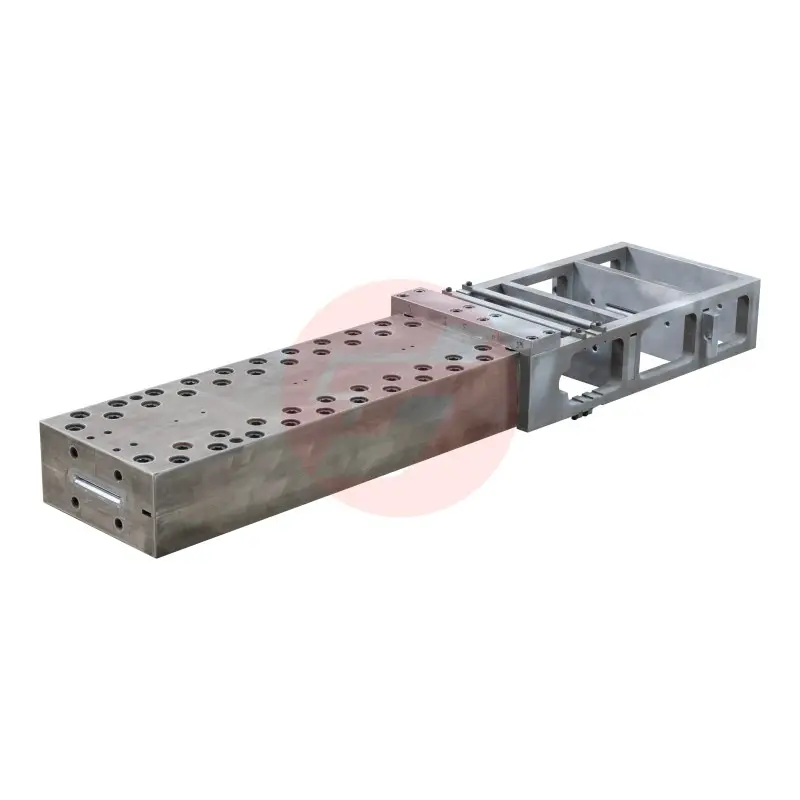
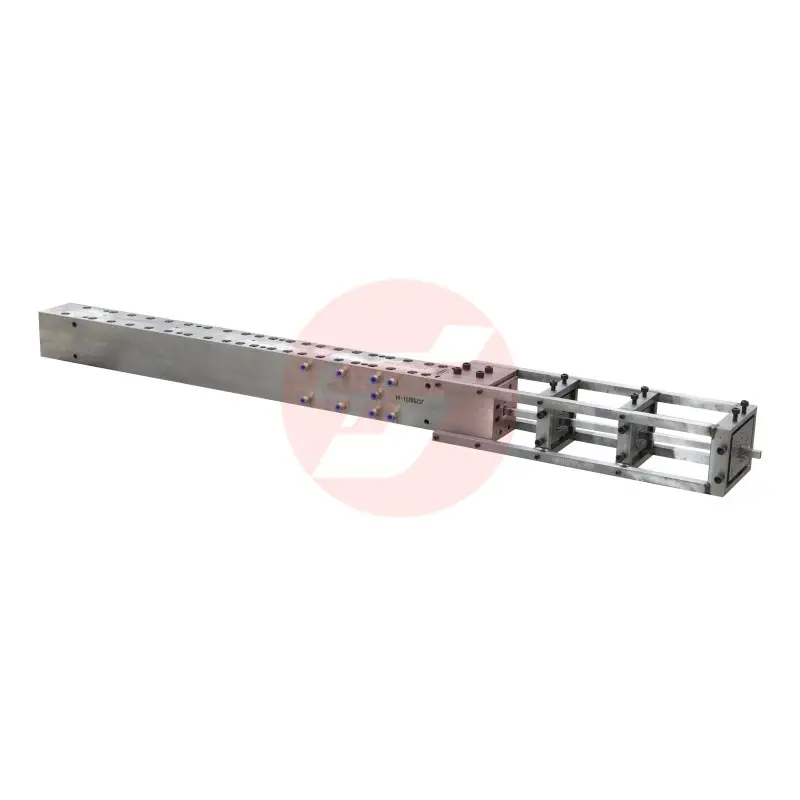
Mold wear resistance represents a critical engineering solution designed to protect manufacturing tools from degradation during production processes. This specialized technology focuses on enhancing the durability and longevity of molds used in various industrial applications, from plastic injection molding to metal forming operations. The primary function of mold wear resistance involves creating protective barriers or surface treatments that significantly reduce material loss, scoring, and dimensional changes that occur during repeated manufacturing cycles. Modern mold wear resistance solutions employ advanced metallurgical processes, coating technologies, and heat treatment methods to achieve superior performance characteristics. The technological foundation relies on understanding tribological principles, where friction, wear mechanisms, and material interactions are carefully controlled. Surface hardening techniques such as nitriding, carburizing, and physical vapor deposition create enhanced surface properties while maintaining core material toughness. These treatments typically increase surface hardness to levels exceeding 60 HRC, providing exceptional resistance against abrasive wear, adhesive wear, and fatigue-related failure modes. Mold wear resistance applications span multiple industries including automotive manufacturing, electronics production, consumer goods fabrication, and aerospace component manufacturing. In plastic injection molding, these solutions prevent polymer degradation byproducts from causing surface damage, while in die-casting operations, they protect against molten metal erosion and thermal cycling effects. The implementation of effective mold wear resistance strategies directly correlates with improved production efficiency, reduced maintenance costs, and consistent part quality throughout extended production runs. Advanced computational modeling now enables engineers to predict wear patterns and optimize treatment parameters for specific applications, ensuring maximum performance benefits while minimizing processing costs and environmental impact through reduced waste and extended tool life cycles.

Popular Products

Implementing effective mold wear resistance delivers substantial cost savings through extended tool life and reduced replacement frequency. Manufacturing facilities experience immediate benefits when their production molds withstand harsh operating conditions without premature failure or dimensional degradation. The enhanced durability translates directly into lower maintenance costs, as operators spend less time performing repairs, reconditioning, or replacing worn components. Production schedules become more predictable and reliable when mold wear resistance prevents unexpected downtime caused by tool failure. Quality consistency improves dramatically because wear-resistant molds maintain precise dimensional tolerances throughout extended production cycles, eliminating variations that compromise finished product specifications. Surface treatments used in mold wear resistance create smoother finishes that reduce friction during operation, leading to lower energy consumption and reduced stress on machinery components. Heat dissipation characteristics often improve with specialized coatings, allowing for faster cycle times and increased throughput without compromising part quality. Material compatibility expands significantly when mold wear resistance enables processing of more abrasive or corrosive materials that would quickly damage untreated tooling. The initial investment in mold wear resistance typically recovers within the first production run through reduced scrap rates and improved yield percentages. Environmental benefits emerge from reduced material waste, fewer replacement parts, and extended equipment lifecycles that minimize manufacturing's ecological footprint. Workplace safety improves when reliable, wear-resistant molds eliminate risks associated with unexpected tool failures that could cause accidents or injuries. Competitive advantages develop for manufacturers who can offer consistent quality, faster delivery times, and cost-effective pricing enabled by efficient, long-lasting production tools. Customer satisfaction increases when products maintain consistent quality standards throughout large production volumes, building brand reputation and encouraging repeat business relationships.

Latest News

How to Select Carbon Fiber Pultruded Profiles for Engineering Projects?

29

Dec

How to Select Carbon Fiber Pultruded Profiles for Engineering Projects?

Carbon fiber pultruded profiles represent one of the most advanced composite materials available for modern engineering applications. These lightweight yet incredibly strong structural components have revolutionized industries ranging from aerospace ...
View More
What Affects the Dimensional Accuracy of Epoxy Pultruded Products?

05

Jan

What Affects the Dimensional Accuracy of Epoxy Pultruded Products?

The dimensional accuracy of epoxy pultruded products plays a crucial role in determining their performance and suitability for various industrial applications. Manufacturing professionals across aerospace, automotive, and construction industries rely...
View More
How Do Pultrusion Molds Enhance Durability in Solar Frame Manufacturing?

05

Jan

How Do Pultrusion Molds Enhance Durability in Solar Frame Manufacturing?

Solar frame manufacturing has undergone significant technological advancement in recent years, with pultrusion molds emerging as a critical component in producing durable, high-performance photovoltaic frames. The integration of advanced pultrusion t...
View More
Which Applications Benefit Most From Carbon Fiber Pultruded Components?

13

Feb

Which Applications Benefit Most From Carbon Fiber Pultruded Components?

Carbon fiber pultruded components have revolutionized manufacturing across numerous industries, offering exceptional strength-to-weight ratios and superior durability compared to traditional materials. These advanced composite structures are created ...
View More

Get a Free Quote

A professional manufacturer of composite material molds.
Email
WhatsApp
Name
Company Name
Message
0/1000
Attachment
Please upload at least an attachment
Up to 3 files,more 30mb,suppor jpg、jpeg、png、pdf、doc、docx、xls、xlsx、csv、txt

mold wear resistance

Advanced Surface Engineering for Maximum Durability

Advanced Surface Engineering for Maximum Durability

Advanced surface engineering represents the cornerstone of effective mold wear resistance, utilizing cutting-edge metallurgical processes to create superior protective layers that dramatically extend tool life. This sophisticated approach combines multiple treatment technologies including ion implantation, plasma-enhanced chemical vapor deposition, and advanced thermal diffusion processes to achieve unprecedented levels of surface hardness and wear protection. The engineering process begins with comprehensive material analysis to understand the specific wear mechanisms affecting each application, enabling customized treatment protocols that address unique operational challenges. Specialized coatings such as titanium nitride, chromium nitride, and diamond-like carbon create ultra-hard surface layers that resist abrasive wear while maintaining excellent adhesion to the substrate material. These treatments typically increase surface hardness to levels exceeding 2000 HV, providing exceptional protection against even the most demanding production environments. The multi-layer approach often employed in advanced surface engineering creates graduated hardness profiles that prevent catastrophic coating failure while maximizing wear resistance performance. Precise process control during treatment application ensures uniform coating thickness and properties across complex mold geometries, eliminating weak points that could compromise overall performance. Post-treatment surface finishing processes optimize coating characteristics for specific applications, reducing friction coefficients and improving release properties that enhance production efficiency. Quality control procedures include comprehensive testing protocols that verify coating adhesion, hardness profiles, and wear resistance characteristics before tools enter production service. The investment in advanced surface engineering delivers measurable returns through extended production campaigns, reduced maintenance requirements, and improved part quality consistency that enhances overall manufacturing competitiveness and profitability.
Precision Heat Treatment for Enhanced Core Strength

Precision Heat Treatment for Enhanced Core Strength

Precision heat treatment forms the foundation of comprehensive mold wear resistance by optimizing the core material properties that support surface treatments and resist deformation under operational stresses. This critical process involves carefully controlled heating and cooling cycles that modify the microstructure of tool materials to achieve optimal combinations of hardness, toughness, and dimensional stability. Modern heat treatment protocols utilize computer-controlled furnaces with precise temperature monitoring and atmosphere control to ensure consistent results across complex mold geometries. The process typically begins with stress relief treatments that eliminate residual stresses from machining and fabrication processes, creating a stable foundation for subsequent hardening operations. Austenitizing temperatures are carefully selected based on alloy composition and desired final properties, with holding times optimized to achieve complete solution of carbides and uniform austenite grain structure. Quenching operations employ specialized media and cooling rates tailored to specific alloy systems, preventing distortion while achieving target hardness levels throughout the tool cross-section. Tempering cycles follow immediately after quenching to relieve quenching stresses and optimize the balance between hardness and toughness for specific applications. Multiple tempering cycles may be employed to achieve complex property gradients that provide maximum wear resistance at working surfaces while maintaining core toughness. Cryogenic treatment processes are increasingly utilized to enhance dimensional stability and wear resistance by completing martensitic transformation and precipitating fine carbides that improve cutting performance. Comprehensive quality control includes hardness testing, microstructural analysis, and dimensional verification to ensure heat treatment objectives are fully achieved. The precision heat treatment investment delivers substantial returns through improved tool performance, extended service life, and reduced failure risks that enhance production reliability and cost-effectiveness.
Integrated Tribological Solutions for Optimal Performance

Integrated Tribological Solutions for Optimal Performance

Integrated tribological solutions provide comprehensive mold wear resistance by addressing the complex interactions between materials, lubricants, and operating conditions that influence tool performance and longevity. This holistic approach combines advanced materials science, surface engineering, and lubrication technology to create optimized systems that minimize wear while maximizing production efficiency. Tribological analysis begins with detailed evaluation of contact conditions, including pressure distributions, sliding velocities, and temperature profiles that occur during normal production cycles. This data enables engineers to select optimal combinations of base materials, surface treatments, and lubrication systems that work synergistically to reduce wear rates and extend tool life. Advanced coating systems are selected not only for their inherent wear resistance but also for their compatibility with specific lubricants and their ability to maintain low friction coefficients throughout extended service periods. Micro-texturing technologies create controlled surface patterns that enhance lubrication retention and reduce contact stresses, providing additional protection against adhesive and abrasive wear mechanisms. Specialized release agents and process lubricants are formulated to work in conjunction with treated mold surfaces, creating synergistic effects that exceed the performance of individual components. Real-time monitoring systems track key tribological parameters including friction forces, temperature variations, and wear progression, enabling predictive maintenance strategies that prevent catastrophic failures. Comprehensive testing protocols evaluate complete tribological systems under actual production conditions, validating performance predictions and optimizing operational parameters for maximum effectiveness. The integrated approach extends beyond individual tool performance to consider system-level interactions including machine dynamics, process parameters, and quality requirements that influence overall manufacturing success. Investment in integrated tribological solutions delivers exceptional returns through extended tool life, improved part quality, reduced maintenance costs, and enhanced production capability that strengthens competitive positioning in demanding markets.

Get a Free Quote

A professional manufacturer of composite material molds.
Email
WhatsApp
Name
Company Name
Message
0/1000
Attachment
Please upload at least an attachment
Up to 3 files,more 30mb,suppor jpg、jpeg、png、pdf、doc、docx、xls、xlsx、csv、txt