High-Performance Epoxy Pultrusion Rods for Electrical Industry - Superior Insulation & Durability

All Categories

Get a Free Quote

A professional manufacturer of composite material molds.
Email
WhatsApp
Name
Company Name
Message
0/1000
Attachment
Please upload at least an attachment
Up to 3 files,more 30mb,suppor jpg、jpeg、png、pdf、doc、docx、xls、xlsx、csv、txt

epoxy pultrusion rods for electrical industry

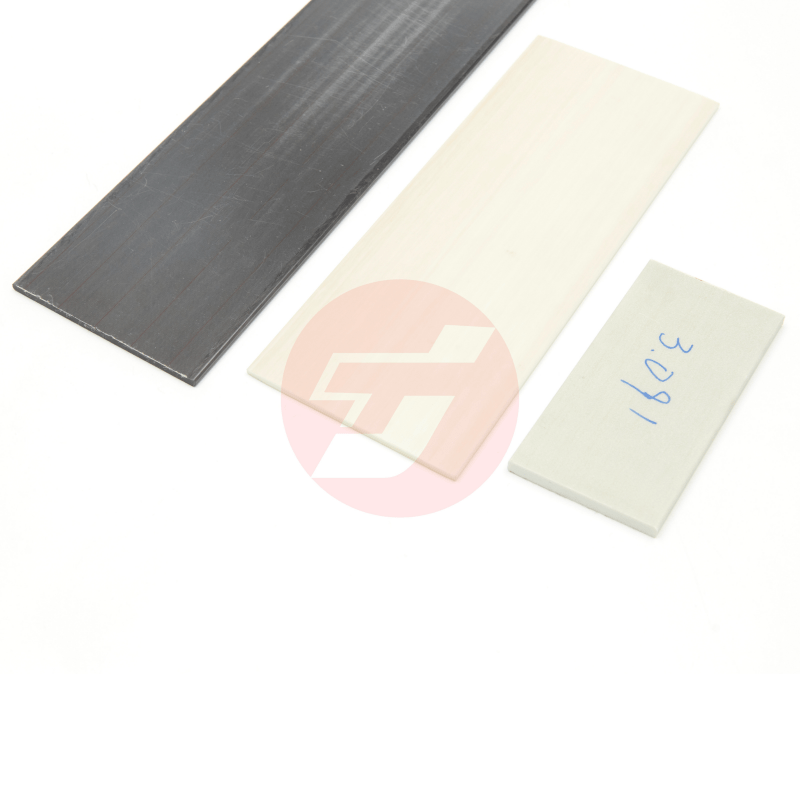
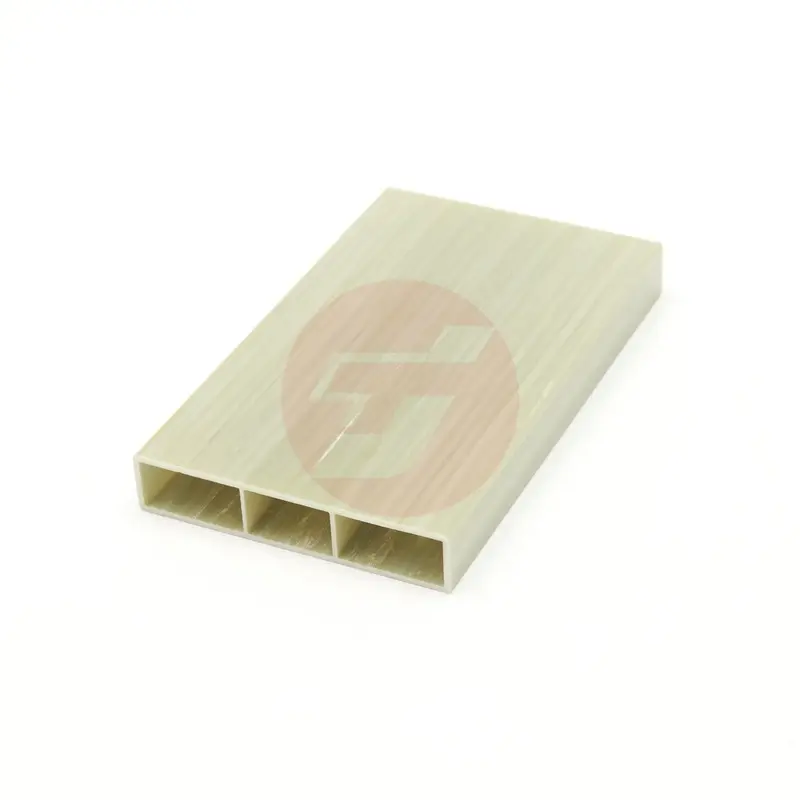
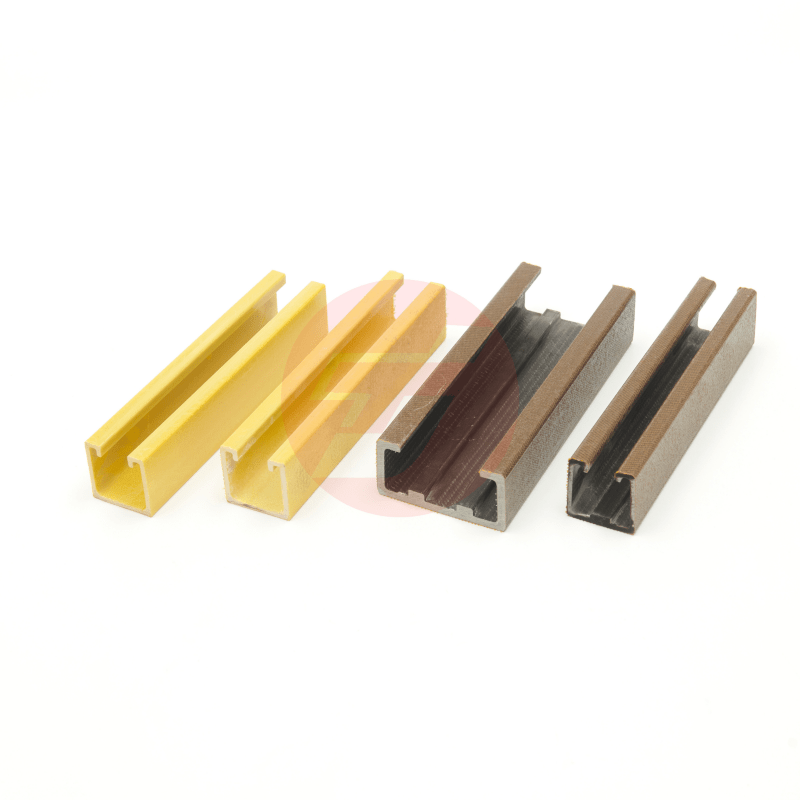
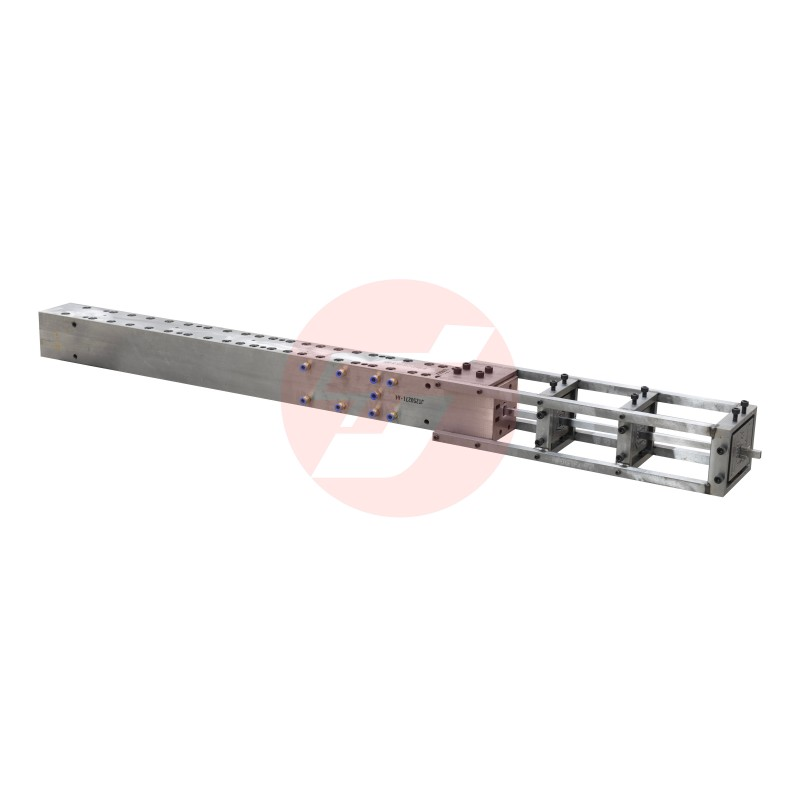
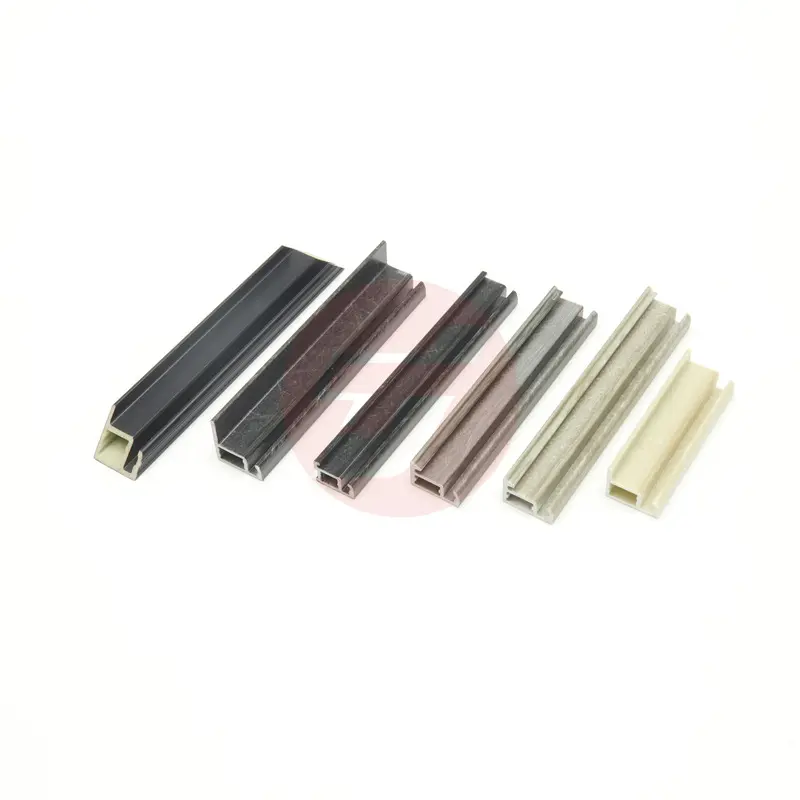
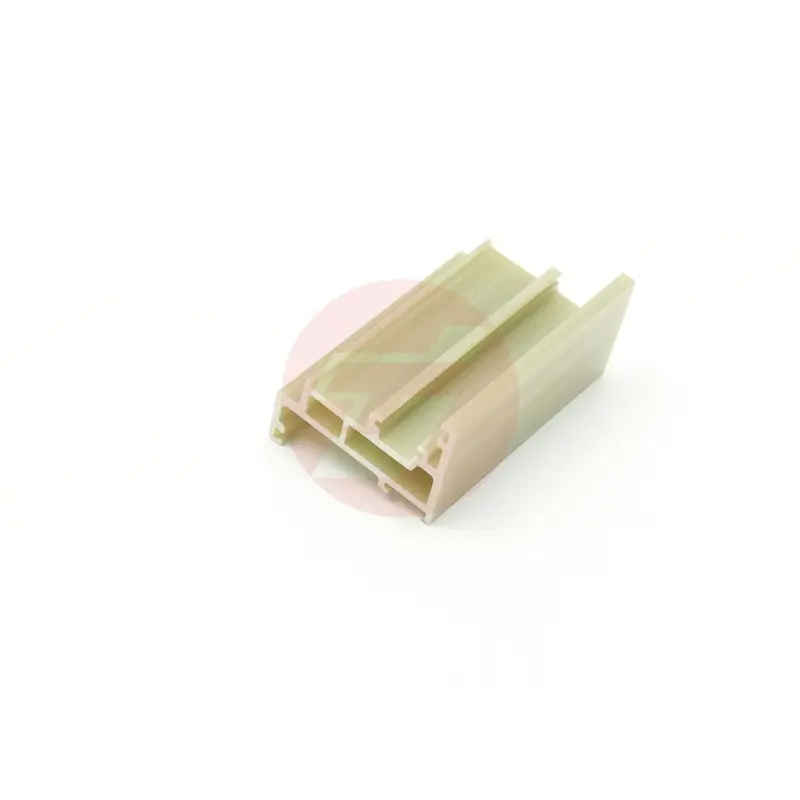
Epoxy pultrusion rods for electrical industry represent a revolutionary advancement in composite manufacturing technology, specifically engineered to meet the demanding requirements of modern electrical applications. These innovative components are produced through the pultrusion process, where continuous fibers are impregnated with epoxy resin and then pulled through a heated die to create uniform, high-strength structural elements. The main functions of epoxy pultrusion rods for electrical industry include providing exceptional electrical insulation, delivering superior mechanical strength, and offering reliable performance in harsh environmental conditions. These rods serve as critical components in power transmission systems, electrical substations, and various industrial electrical equipment where traditional materials often fall short. The technological features of epoxy pultrusion rods for electrical industry encompass outstanding dielectric properties, with high breakdown voltage resistance that ensures safe operation in high-voltage applications. Their composite structure combines glass or carbon fibers with specially formulated epoxy resin systems, resulting in materials that exhibit excellent dimensional stability and minimal thermal expansion. The manufacturing process allows for precise control over fiber orientation and resin content, enabling customization of mechanical and electrical properties to meet specific application requirements. Applications for epoxy pultrusion rods for electrical industry span across numerous sectors, including utility companies, renewable energy installations, industrial facilities, and infrastructure projects. These versatile components are commonly used in transmission line hardware, switchgear assemblies, transformer bushings, and electrical support structures. Their lightweight nature compared to traditional steel alternatives makes them particularly valuable in applications where weight reduction is crucial, such as overhead power lines and portable electrical equipment. The corrosion resistance inherent in epoxy pultrusion rods for electrical industry eliminates the need for regular maintenance and replacement cycles associated with metallic components, providing long-term cost savings and improved system reliability in challenging environmental conditions.


New Product Releases

Epoxy pultrusion rods for electrical industry offer numerous compelling advantages that make them the preferred choice for modern electrical applications. The most significant benefit is their exceptional electrical insulation properties, which provide superior safety margins compared to traditional conductive materials. These rods maintain consistent dielectric strength across wide temperature ranges, ensuring reliable performance in both indoor and outdoor installations. The high breakdown voltage capacity of epoxy pultrusion rods for electrical industry eliminates the risk of electrical failures that could lead to costly downtime or safety hazards. Another major advantage is their remarkable corrosion resistance, which stems from the non-metallic composition that remains unaffected by moisture, salt spray, chemicals, and UV radiation. This inherent resistance to environmental degradation means that epoxy pultrusion rods for electrical industry maintain their structural integrity and electrical properties throughout their service life, reducing maintenance costs and extending equipment lifespan. The lightweight characteristics of these rods provide significant installation and handling benefits, as they weigh approximately 75 percent less than equivalent steel components while maintaining comparable or superior strength properties. This weight reduction simplifies transportation, reduces installation time, and minimizes the structural requirements for supporting frameworks. The dimensional stability of epoxy pultrusion rods for electrical industry ensures consistent performance across varying temperature conditions, preventing thermal expansion issues that commonly affect metallic alternatives. This stability is particularly important in precision electrical applications where dimensional changes could compromise system functionality or safety. The customizable nature of the pultrusion process allows manufacturers to tailor the mechanical and electrical properties of epoxy pultrusion rods for electrical industry to meet specific application requirements. Engineers can optimize fiber content, resin formulation, and cross-sectional geometry to achieve desired strength-to-weight ratios, flexibility characteristics, and electrical performance parameters. The manufacturing process also enables the production of complex shapes and integrated features, reducing assembly complexity and improving overall system reliability. Additionally, these rods offer excellent fatigue resistance, making them ideal for applications subjected to cyclic loading or vibration. The non-conductive nature of epoxy pultrusion rods for electrical industry provides enhanced worker safety during installation and maintenance operations, as they eliminate the risk of accidental electrical contact. Their thermal insulation properties also contribute to energy efficiency in electrical systems by reducing heat transfer and maintaining optimal operating temperatures.

Latest News

How Do Pultrusion Molds Enhance Durability in Solar Frame Manufacturing?

05

Jan

How Do Pultrusion Molds Enhance Durability in Solar Frame Manufacturing?

Solar frame manufacturing has undergone significant technological advancement in recent years, with pultrusion molds emerging as a critical component in producing durable, high-performance photovoltaic frames. The integration of advanced pultrusion t...
View More
Which Applications Benefit Most From Carbon Fiber Pultruded Components?

13

Feb

Which Applications Benefit Most From Carbon Fiber Pultruded Components?

Carbon fiber pultruded components have revolutionized manufacturing across numerous industries, offering exceptional strength-to-weight ratios and superior durability compared to traditional materials. These advanced composite structures are created ...
View More
What Factors Determine the Lifespan of Carbon Fiber Pultruded Products?

13

Feb

What Factors Determine the Lifespan of Carbon Fiber Pultruded Products?

Carbon fiber pultrusion represents one of the most advanced manufacturing processes for creating high-performance composite materials with exceptional strength-to-weight ratios. This innovative technique produces continuous fiber-reinforced profiles ...
View More
How to Maintain Carbon Fiber Pultrusion Molds for Long-Term Stability?

13

Feb

How to Maintain Carbon Fiber Pultrusion Molds for Long-Term Stability?

Carbon fiber pultrusion molds represent one of the most critical components in manufacturing high-performance composite materials for industries ranging from aerospace to renewable energy. These precision-engineered tools require meticulous maintenan...
View More

Get a Free Quote

A professional manufacturer of composite material molds.
Email
WhatsApp
Name
Company Name
Message
0/1000
Attachment
Please upload at least an attachment
Up to 3 files,more 30mb,suppor jpg、jpeg、png、pdf、doc、docx、xls、xlsx、csv、txt

epoxy pultrusion rods for electrical industry

Superior Electrical Insulation Performance

Superior Electrical Insulation Performance

The outstanding electrical insulation performance of epoxy pultrusion rods for electrical industry represents one of their most critical and valuable characteristics, setting them apart from conventional materials in high-voltage applications. These advanced composite materials exhibit exceptional dielectric strength, typically ranging from 15 to 25 kV per millimeter of thickness, which significantly exceeds the performance of many traditional insulating materials. The uniform distribution of glass or carbon fibers within the epoxy matrix creates a homogeneous structure that eliminates weak points where electrical breakdown might occur, ensuring consistent insulation performance throughout the entire rod length. The molecular structure of the epoxy resin system used in epoxy pultrusion rods for electrical industry is specifically engineered to provide maximum electrical resistance while maintaining mechanical integrity under stress. This careful material selection and processing results in products that can safely operate in voltage ranges from low-voltage distribution systems up to extra-high-voltage transmission applications exceeding 500 kV. The insulation properties remain stable across wide temperature variations, from extreme cold conditions below -40°C to elevated temperatures exceeding 130°C, making these rods suitable for diverse geographic locations and seasonal variations. Unlike traditional ceramic or porcelain insulators that can suffer from thermal shock or mechanical impact damage, epoxy pultrusion rods for electrical industry maintain their electrical integrity even when subjected to physical stress or rapid temperature changes. The surface characteristics of these rods can be optimized during manufacturing to provide hydrophobic properties that prevent moisture accumulation and maintain insulation performance in humid or wet conditions. This is particularly important for outdoor electrical installations where weather exposure could compromise the safety and reliability of electrical systems. The tracking resistance of epoxy pultrusion rods for electrical industry is superior to many conventional materials, preventing the formation of conductive paths on the surface that could lead to flashover events. Additionally, the material's inherent flame-retardant properties ensure that even under extreme electrical stress conditions, the risk of fire propagation is minimized, contributing to overall system safety and reliability in critical electrical infrastructure applications.
Exceptional Mechanical Strength and Durability

Exceptional Mechanical Strength and Durability

Epoxy pultrusion rods for electrical industry deliver exceptional mechanical strength and durability characteristics that surpass traditional materials in demanding structural and electrical applications. The pultrusion manufacturing process creates a highly organized fiber architecture where continuous glass or carbon fibers are precisely aligned along the rod's longitudinal axis, resulting in tensile strength values that can exceed 800 MPa, which is comparable to or better than many steel grades while maintaining significantly lower weight. The fiber-reinforced structure of epoxy pultrusion rods for electrical industry provides excellent resistance to bending, compression, and torsional forces, making them ideal for applications where mechanical loads must be supported alongside electrical insulation requirements. The fatigue resistance of these composite materials is particularly impressive, with the ability to withstand millions of load cycles without degradation, which is crucial for electrical equipment subjected to wind loading, thermal cycling, or mechanical vibration. The creep resistance of epoxy pultrusion rods for electrical industry ensures dimensional stability under sustained loading conditions, preventing gradual deformation that could compromise electrical clearances or mechanical connections over time. Unlike metallic alternatives that may suffer from stress corrosion cracking or fatigue failure, the composite structure remains stable throughout the service life, typically exceeding 30 years in outdoor electrical applications. The impact resistance of these rods is superior to brittle materials like ceramics or glass, as the fiber reinforcement provides damage tolerance and prevents catastrophic failure modes. When subjected to mechanical damage, epoxy pultrusion rods for electrical industry exhibit graceful failure characteristics with visible deformation before ultimate failure, providing warning signs that allow for preventive maintenance. The interlaminar shear strength of properly manufactured rods ensures excellent bond between fiber and matrix, preventing delamination issues that could compromise both mechanical and electrical performance. Temperature cycling tests demonstrate that epoxy pultrusion rods for electrical industry maintain their mechanical properties across the full operating temperature range without developing micro-cracks or bond failures that could propagate over time. The coefficient of thermal expansion is carefully controlled through fiber selection and orientation, minimizing thermal stresses in assemblies where these rods interface with other materials having different expansion characteristics. Quality control measures during manufacturing ensure consistent mechanical properties throughout production runs, providing engineers with reliable design values for structural calculations and safety factor determinations.
Cost-Effective Lifecycle Performance

Cost-Effective Lifecycle Performance

The cost-effective lifecycle performance of epoxy pultrusion rods for electrical industry provides substantial economic advantages that extend far beyond initial purchase price considerations, delivering exceptional value through reduced maintenance requirements, extended service life, and improved system reliability. Initial cost analysis often reveals that while epoxy pultrusion rods for electrical industry may have higher upfront costs compared to some traditional materials, the total cost of ownership over the product lifecycle is significantly lower due to reduced maintenance, replacement, and downtime expenses. The corrosion-free nature of these composite materials eliminates the need for protective coatings, regular painting, or corrosion monitoring programs that are essential for metallic components in electrical applications, resulting in substantial labor and material cost savings over the equipment's operational life. Installation cost advantages become apparent through the lightweight characteristics of epoxy pultrusion rods for electrical industry, which reduce transportation expenses, simplify handling procedures, and minimize the structural requirements for supporting frameworks, leading to overall project cost reductions of 15 to 30 percent in many applications. The dimensional stability and long-term reliability of these rods reduce the frequency of maintenance inspections and eliminate unplanned outages caused by material degradation, providing significant operational cost benefits for utility companies and industrial facilities. Energy efficiency improvements result from the thermal insulation properties of epoxy pultrusion rods for electrical industry, which help maintain optimal operating temperatures in electrical equipment and reduce energy losses in power transmission systems. The manufacturing efficiency of the pultrusion process allows for cost-effective production of custom profiles and integrated features, reducing assembly costs and improving overall system performance while maintaining competitive pricing. Risk mitigation benefits include reduced insurance costs due to improved fire resistance and lower failure rates, as well as decreased liability exposure from accidents or equipment failures. The recyclability potential of epoxy pultrusion rods for electrical industry at end-of-life provides additional environmental and economic benefits, as advanced recycling technologies continue to develop for composite materials. Labor cost advantages during installation and maintenance operations are significant, as the non-conductive nature of these rods enhances worker safety and reduces the need for specialized electrical safety equipment and procedures. Inventory management benefits include longer shelf life and reduced storage requirements compared to metallic components that may suffer from corrosion during storage, leading to improved supply chain efficiency and reduced carrying costs for spare parts and replacement components.

Get a Free Quote

A professional manufacturer of composite material molds.
Email
WhatsApp
Name
Company Name
Message
0/1000
Attachment
Please upload at least an attachment
Up to 3 files,more 30mb,suppor jpg、jpeg、png、pdf、doc、docx、xls、xlsx、csv、txt