Glass Fiber Pultruded Products: Superior Strength, Durability & Lightweight Composite Solutions

All Categories

Get a Free Quote

A professional manufacturer of composite material molds.
Email
WhatsApp
Name
Company Name
Message
0/1000
Attachment
Please upload at least an attachment
Up to 3 files,more 30mb,suppor jpg、jpeg、png、pdf、doc、docx、xls、xlsx、csv、txt

glass fiber pultruded products

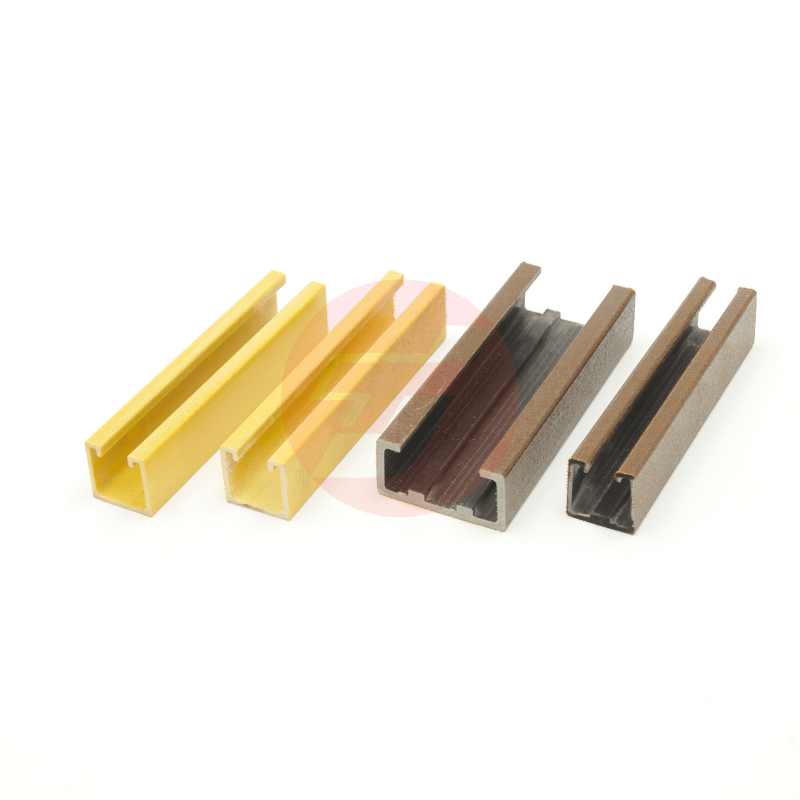
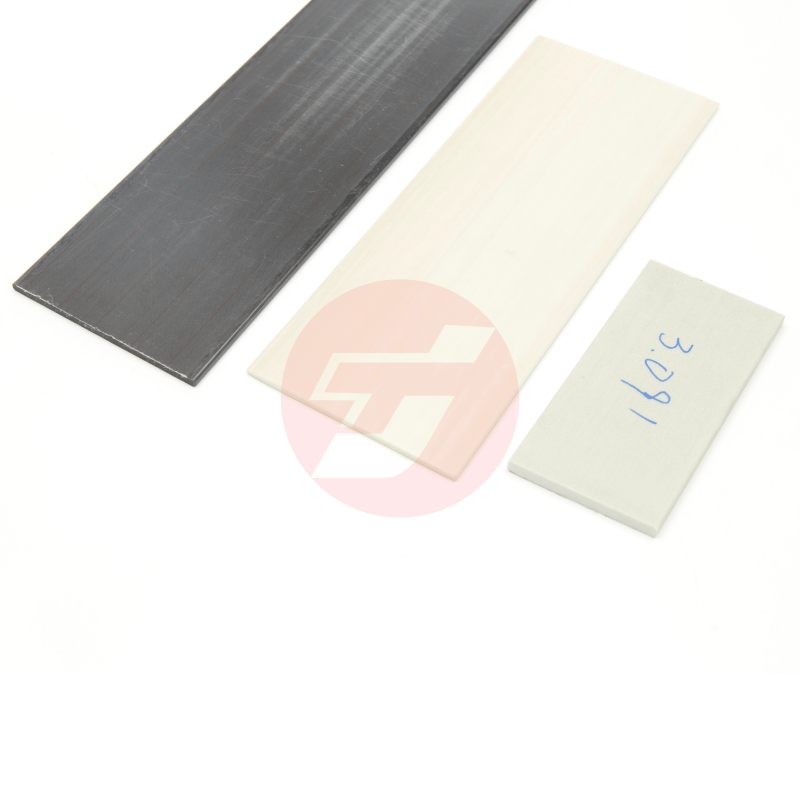
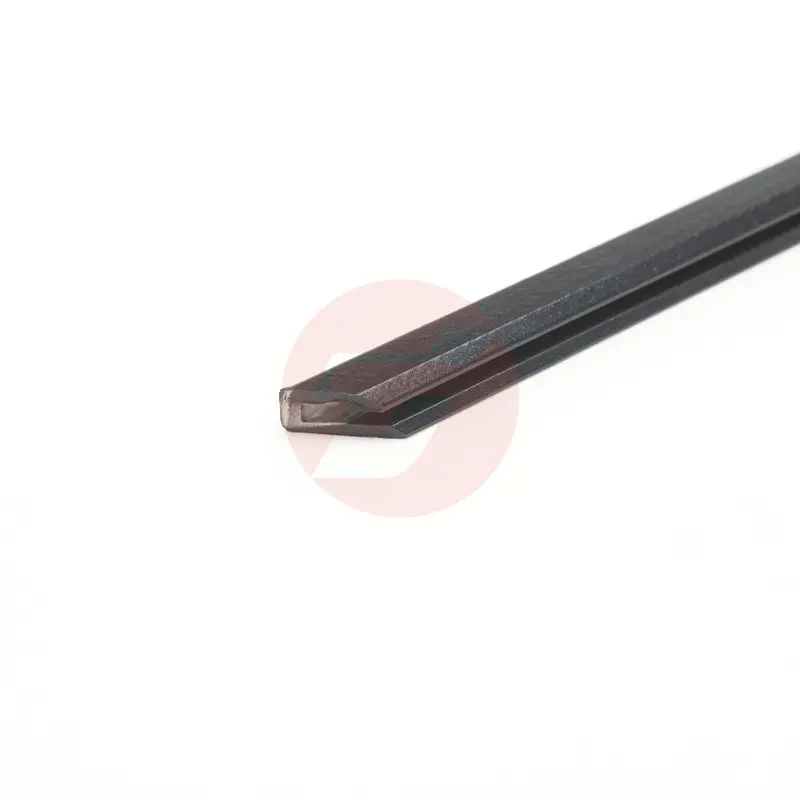
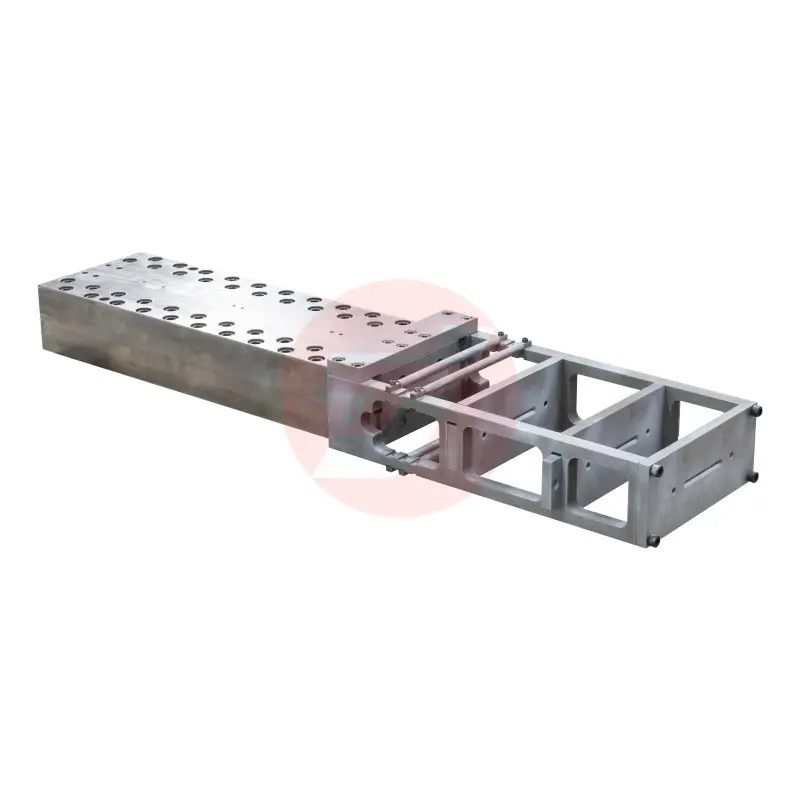
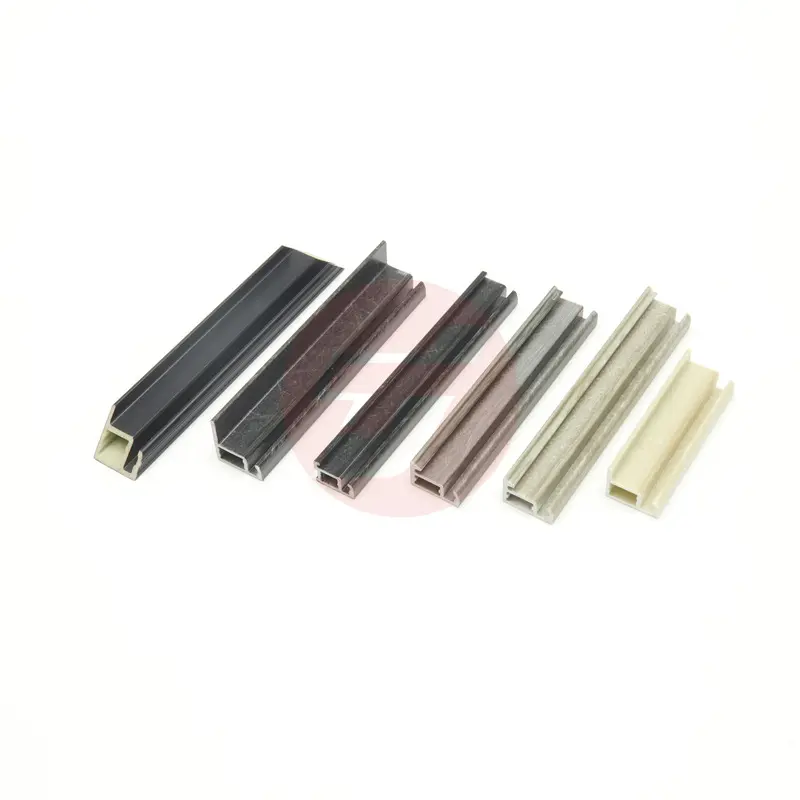
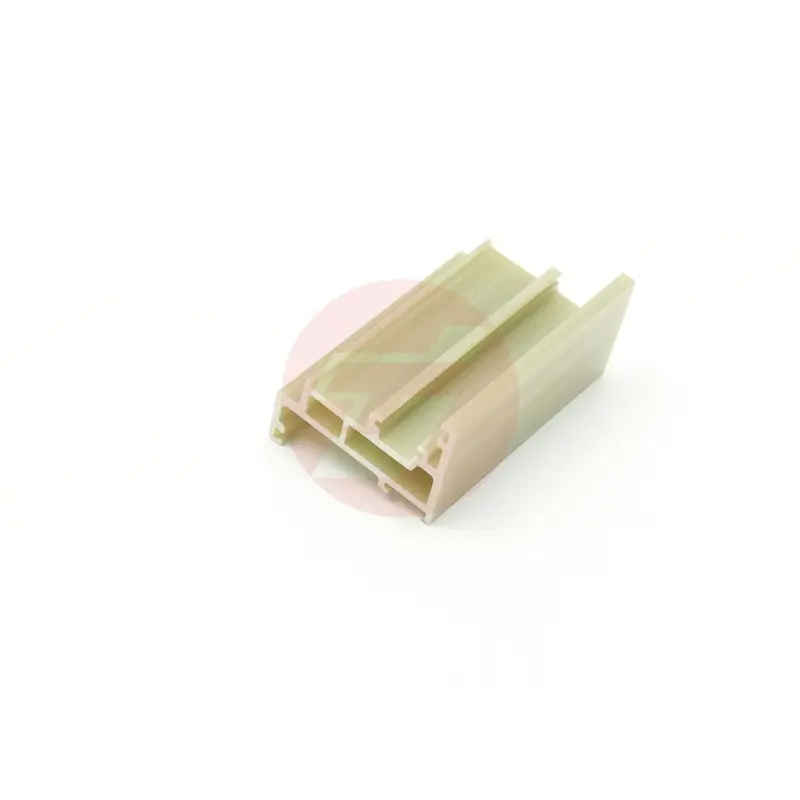
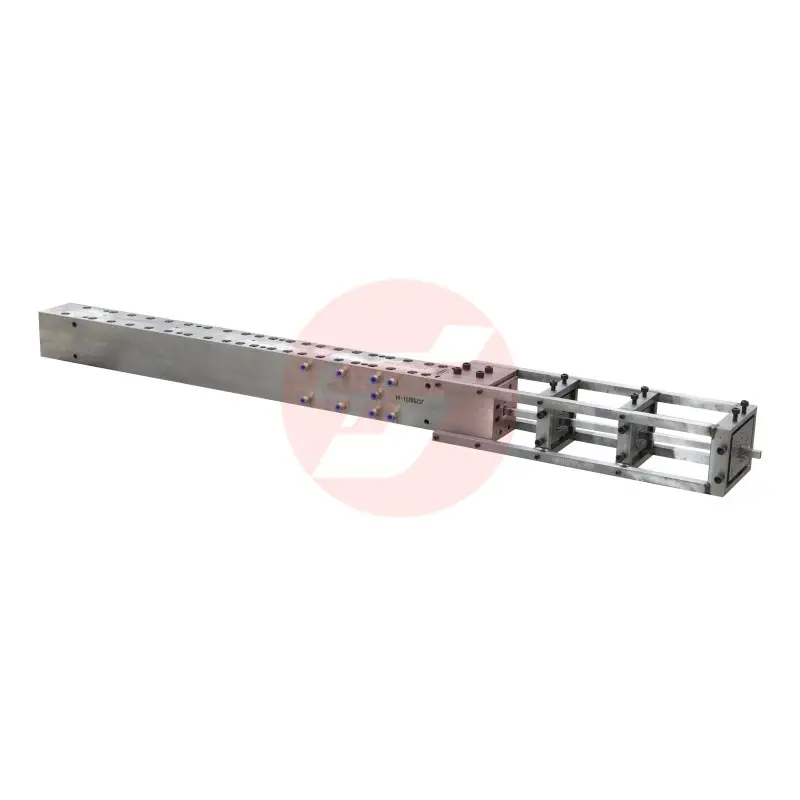
Glass fiber pultruded products represent a revolutionary advancement in composite manufacturing technology, combining the exceptional strength of glass fibers with a sophisticated pultrusion process to create superior structural materials. These innovative products are manufactured through a continuous process where glass fiber rovings are pulled through a resin bath and then through heated dies, creating consistent cross-sectional profiles with remarkable mechanical properties. The pultrusion method ensures that glass fiber pultruded products maintain uniform density and strength throughout their length, making them ideal for demanding structural applications across multiple industries. The main functions of glass fiber pultruded products include providing high-strength structural support, offering excellent corrosion resistance, and delivering lightweight alternatives to traditional materials like steel and aluminum. These products excel in applications requiring exceptional durability and minimal maintenance requirements. Technologically, glass fiber pultruded products feature continuous glass fiber reinforcement aligned in the direction of loading, maximizing tensile strength and stiffness. The resin matrix, typically polyester, vinyl ester, or epoxy, protects the glass fibers while transferring loads between fibers. Advanced manufacturing controls ensure consistent fiber-to-resin ratios, resulting in predictable performance characteristics. The pultrusion process enables the integration of additional reinforcement layers, such as continuous strand mat or woven fabrics, to enhance transverse properties and provide multi-directional strength. Applications for glass fiber pultruded products span numerous sectors including construction, infrastructure, marine, chemical processing, and transportation industries. In construction, these products serve as structural beams, columns, and decking systems. Infrastructure projects utilize them for bridge components, walkways, and utility structures. The marine industry benefits from their corrosion resistance for dock systems and boat components. Chemical processing facilities rely on their chemical resistance for piping systems, gratings, and structural supports in harsh environments.

New Product Recommendations

Glass fiber pultruded products deliver exceptional value through their unique combination of strength, durability, and cost-effectiveness that surpasses traditional materials in numerous applications. These products offer superior strength-to-weight ratios, typically 25-30% lighter than steel while maintaining comparable or superior load-bearing capabilities. This weight reduction translates directly into reduced transportation costs, easier installation procedures, and lower foundation requirements for structural applications. The lightweight nature of glass fiber pultruded products enables single-person handling of components that would require heavy machinery with traditional materials, significantly reducing labor costs and installation time. Corrosion resistance stands as another major advantage, as glass fiber pultruded products remain unaffected by moisture, salt water, chemicals, and UV radiation that would rapidly degrade steel or aluminum components. This resistance eliminates the need for protective coatings, regular maintenance, and eventual replacement due to corrosion, resulting in substantial long-term cost savings. The non-conductive properties of glass fiber pultruded products provide electrical safety in applications where metal components would pose electrocution risks or electromagnetic interference concerns. These products maintain their structural integrity across wide temperature ranges, performing reliably in both extreme cold and high-heat environments without the thermal expansion issues associated with metals. Glass fiber pultruded products offer excellent dimensional stability, maintaining their shape and structural properties over decades of service life. The pultrusion manufacturing process creates products with consistent quality and predictable performance characteristics, eliminating the variability often encountered with traditional materials. Installation advantages include the ability to cut, drill, and machine glass fiber pultruded products using standard woodworking tools, reducing specialized equipment requirements. These products can be easily modified on-site without compromising structural integrity, providing flexibility during construction and renovation projects. The fire-resistant properties of properly formulated glass fiber pultruded products make them suitable for applications requiring flame retardancy. Environmental benefits include the recyclability of glass fiber components and the reduced environmental impact associated with their longer service life and reduced maintenance requirements compared to traditional materials.

Tips And Tricks

How Can Carbon Fiber Pultrusion Reduce Manufacturing Costs for B2B Buyers?

29

Dec

How Can Carbon Fiber Pultrusion Reduce Manufacturing Costs for B2B Buyers?

Manufacturing costs continue to challenge B2B buyers across industries, driving the need for innovative production methods that deliver superior performance while maintaining economic efficiency. Carbon fiber pultrusion has emerged as a transformativ...
View More
What Advantages Do Glass Fiber Pultruded Products Offer in Construction?

29

Dec

What Advantages Do Glass Fiber Pultruded Products Offer in Construction?

Construction professionals are increasingly turning to advanced composite materials to meet the demanding requirements of modern infrastructure projects. Among these innovative solutions, glass fiber pultruded products have emerged as a superior alte...
View More
How to Evaluate the Quality of Glass Fiber Pultrusion Molds?

29

Dec

How to Evaluate the Quality of Glass Fiber Pultrusion Molds?

Manufacturing high-quality composite products requires precise tooling, and glass fiber pultrusion molds serve as the foundation for successful pultrusion processes. These specialized molds determine the dimensional accuracy, surface finish, and over...
View More
Why Do Wind Turbine OEMs Prefer High-Accuracy Carbon Fiber Beam Molds?

05

Jan

Why Do Wind Turbine OEMs Prefer High-Accuracy Carbon Fiber Beam Molds?

The wind energy sector has experienced unprecedented growth as global demand for renewable energy solutions continues to surge. Original Equipment Manufacturers (OEMs) in the wind turbine industry face increasing pressure to deliver high-performance,...
View More

Get a Free Quote

A professional manufacturer of composite material molds.
Email
WhatsApp
Name
Company Name
Message
0/1000
Attachment
Please upload at least an attachment
Up to 3 files,more 30mb,suppor jpg、jpeg、png、pdf、doc、docx、xls、xlsx、csv、txt

glass fiber pultruded products

Unmatched Durability and Longevity in Harsh Environments

Unmatched Durability and Longevity in Harsh Environments

Glass fiber pultruded products excel in delivering exceptional durability that significantly outperforms traditional materials in challenging environmental conditions, making them the preferred choice for long-term structural applications. The inherent corrosion resistance of these products stems from the glass fiber reinforcement and protective resin matrix, which creates an impermeable barrier against moisture, chemicals, and atmospheric contaminants that would rapidly degrade metal alternatives. This resistance extends to saltwater environments, where glass fiber pultruded products maintain their structural integrity for decades without the pitting, rust, or galvanic corrosion that plagues steel and aluminum components. In chemical processing facilities, these products withstand exposure to acids, bases, and solvents that would quickly compromise metal structures, eliminating the need for expensive protective coatings and frequent replacements. The UV stability of properly formulated glass fiber pultruded products ensures that prolonged sun exposure does not cause degradation, cracking, or loss of mechanical properties, making them ideal for outdoor applications. Temperature cycling effects, which cause metal fatigue and joint failures in traditional structures, have minimal impact on glass fiber pultruded products due to their low coefficient of thermal expansion and excellent thermal shock resistance. The dimensional stability of these products prevents warping, twisting, or dimensional changes that could compromise structural connections or create safety hazards. Marine applications particularly benefit from this durability, as glass fiber pultruded products used in dock systems, seawalls, and offshore structures maintain their load-bearing capacity and appearance throughout extended service lives without the catastrophic failure modes associated with corroded steel reinforcement. The economic impact of this enhanced durability translates into reduced lifecycle costs, as facility owners avoid the recurring expenses of maintenance, protective treatments, and premature replacement that characterize traditional material systems. This reliability factor makes glass fiber pultruded products essential for critical infrastructure applications where failure consequences extend beyond simple replacement costs to include safety risks and operational disruptions.
Superior Strength-to-Weight Performance for Optimal Efficiency

Superior Strength-to-Weight Performance for Optimal Efficiency

The exceptional strength-to-weight ratio of glass fiber pultruded products revolutionizes structural design by providing load-bearing capabilities that match or exceed steel while weighing significantly less, creating opportunities for more efficient and cost-effective construction solutions. This remarkable performance characteristic results from the precise alignment of continuous glass fibers within the resin matrix during the pultrusion process, creating an optimized composite structure where each fiber contributes maximum strength in the primary loading direction. The typical strength-to-weight advantage allows glass fiber pultruded products to achieve the same structural performance as steel components while reducing weight by 25-30%, directly impacting project economics through reduced transportation costs, simplified handling requirements, and decreased foundation loads. Installation crews can manually position and install glass fiber pultruded products that would require cranes or heavy equipment if manufactured from traditional materials, significantly reducing project timelines and labor costs. The reduced weight also enables the construction of longer spans without intermediate supports, creating more open and flexible space utilization while reducing overall material requirements. In retrofit applications, the lightweight nature of glass fiber pultruded products allows structural upgrades without exceeding existing foundation capacity or requiring expensive reinforcement of supporting structures. Bridge applications particularly benefit from this weight advantage, as glass fiber pultruded products reduce dead loads while maintaining required strength, potentially extending bridge life and reducing seismic loading concerns. The high strength capabilities enable designers to use smaller cross-sections while meeting load requirements, creating material savings and more streamlined structural profiles. Industrial applications leverage this performance advantage in equipment platforms, walkways, and support structures where weight reduction improves operational flexibility and reduces structural complexity. The consistent strength properties achieved through controlled manufacturing eliminate the strength variations common in traditional materials, allowing engineers to design with confidence using published design values rather than conservative safety factors required with variable-quality materials. This optimization potential extends to transportation applications where weight reduction directly improves fuel efficiency and payload capacity.
Versatile Design Flexibility and Easy Installation Process

Versatile Design Flexibility and Easy Installation Process

Glass fiber pultruded products offer unparalleled design flexibility and installation convenience that streamlines construction processes while enabling innovative structural solutions not possible with traditional materials. The pultrusion manufacturing process creates precise, consistent cross-sectional profiles that can be customized to meet specific project requirements, including complex shapes, integrated connection features, and multi-functional designs that combine structural and non-structural elements within single components. This flexibility extends to dimensional capabilities, as glass fiber pultruded products can be manufactured in virtually unlimited lengths, eliminating the joint requirements that compromise structural continuity in traditional systems. Standard woodworking and metalworking tools effectively cut, drill, and machine these products, eliminating specialized equipment requirements and enabling on-site modifications without compromising structural integrity or voiding warranties. The ease of field modification allows contractors to make precise adjustments during installation, accommodating dimensional variations and design changes that would require expensive fabrication delays with metal components. Connection systems for glass fiber pultruded products utilize standard fasteners, adhesives, and mechanical joints, providing familiar installation procedures that reduce training requirements and potential errors. The non-conductive nature of these products eliminates grounding requirements and electrical safety concerns during installation in energized environments, expanding application possibilities and reducing safety protocols. Surface preparation requirements are minimal compared to steel components, as glass fiber pultruded products typically require no primer or protective coatings before installation, reducing project schedules and material costs. The ability to integrate color throughout the material thickness eliminates painting requirements and provides permanent color that will not chip, fade, or require maintenance. Modular design capabilities enable prefabrication of complete structural assemblies that arrive on-site ready for installation, reducing field labor and weather dependency. Quality control advantages include factory-controlled manufacturing conditions that eliminate the variability associated with field welding and assembly of traditional materials. Environmental installation benefits include the absence of hot work permits, welding fume concerns, and fire hazards that characterize steel fabrication and installation processes, enabling work in sensitive areas where traditional construction methods would be prohibited or require extensive safety measures.

Get a Free Quote

A professional manufacturer of composite material molds.
Email
WhatsApp
Name
Company Name
Message
0/1000
Attachment
Please upload at least an attachment
Up to 3 files,more 30mb,suppor jpg、jpeg、png、pdf、doc、docx、xls、xlsx、csv、txt