Advanced Pipeline Support Composites - Corrosion-Resistant Solutions for Industrial Infrastructure

All Categories

Get a Free Quote

A professional manufacturer of composite material molds.
Email
WhatsApp
Name
Company Name
Message
0/1000
Attachment
Please upload at least an attachment
Up to 3 files,more 30mb,suppor jpg、jpeg、png、pdf、doc、docx、xls、xlsx、csv、txt

pipeline support composites

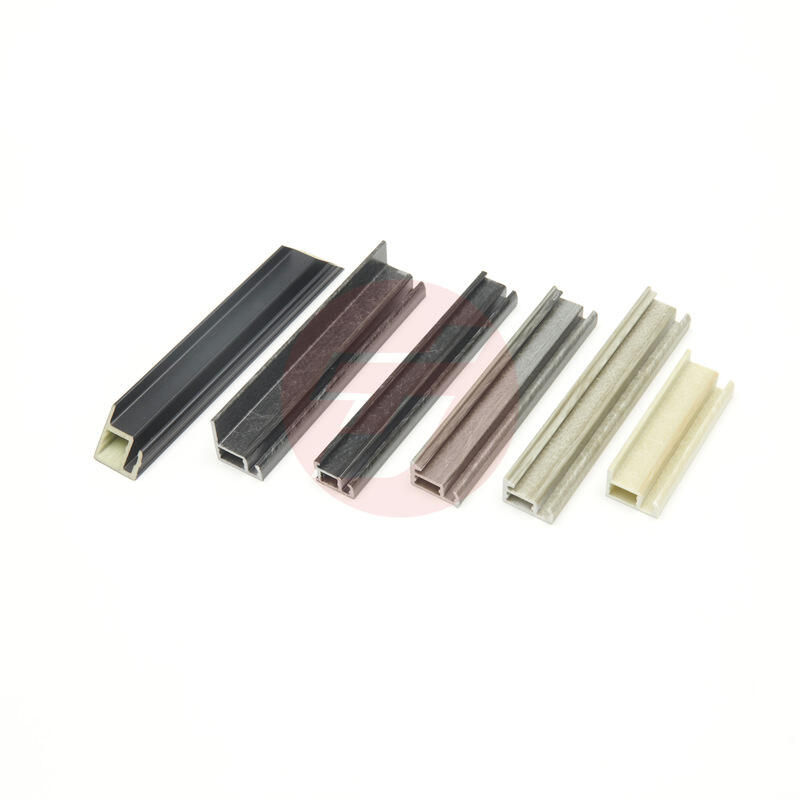
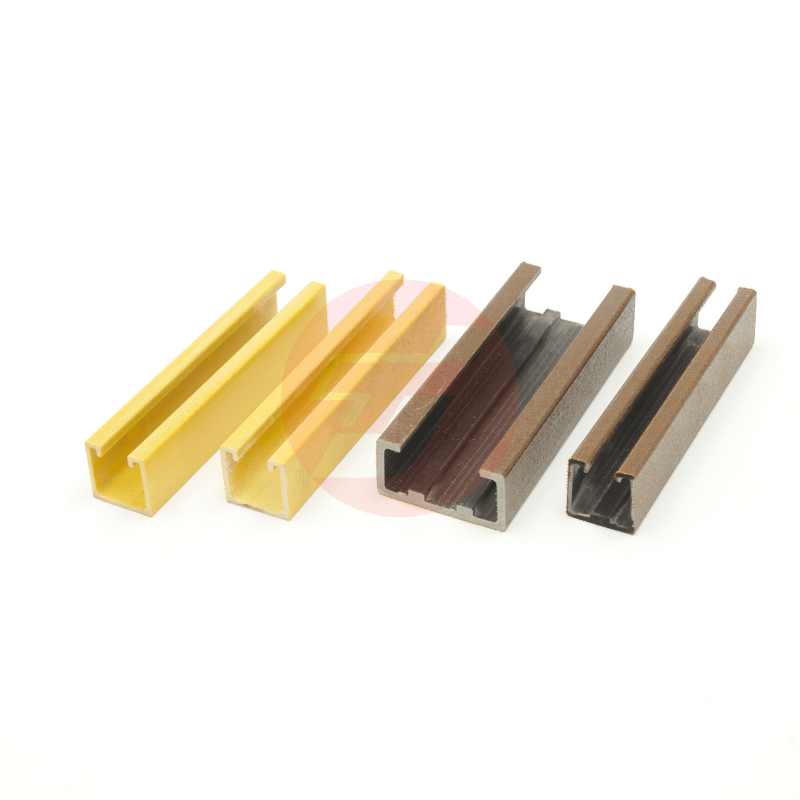
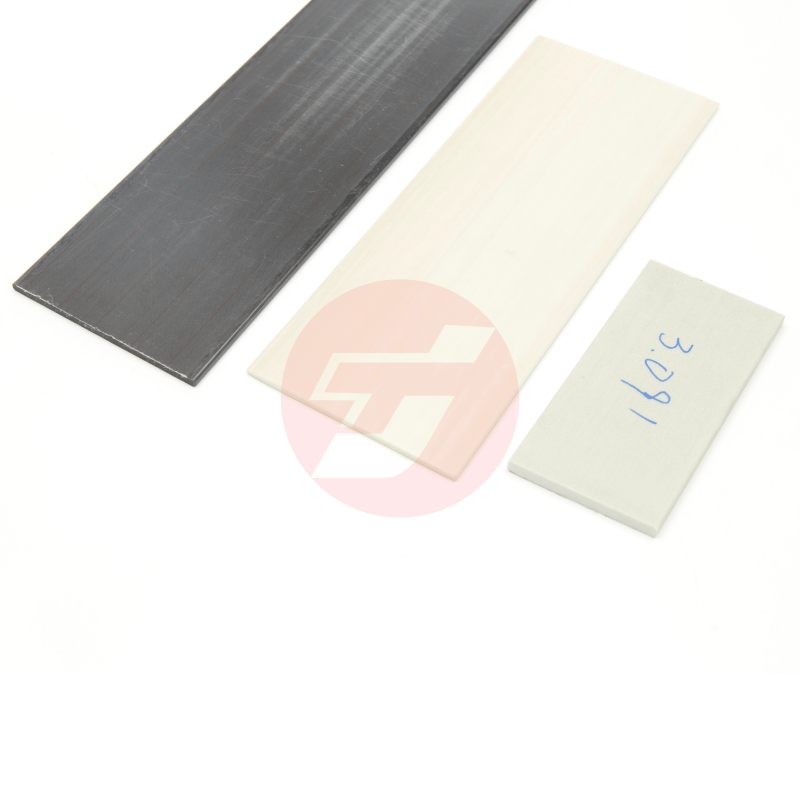
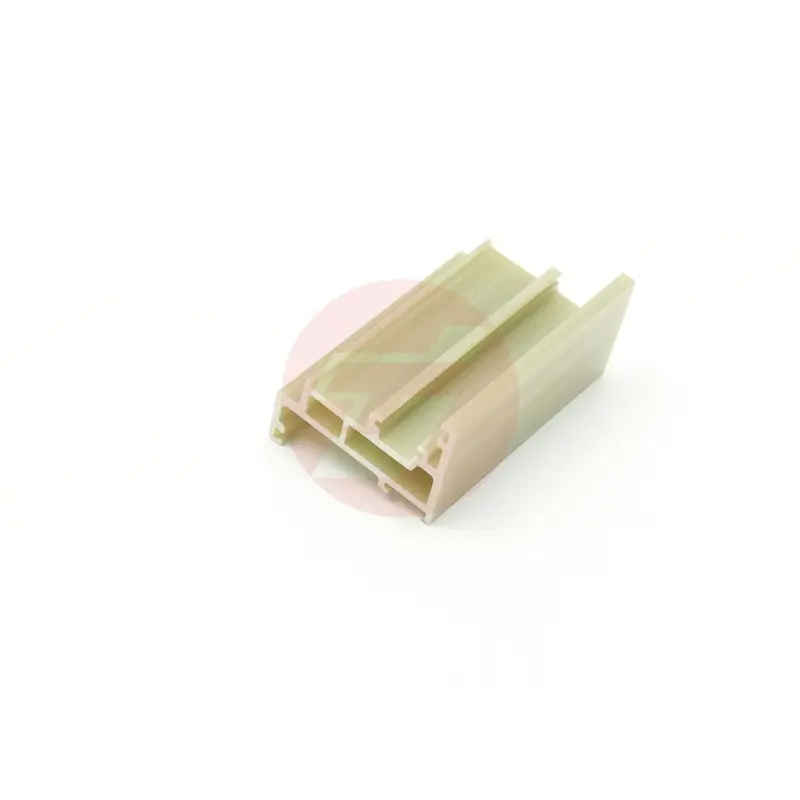
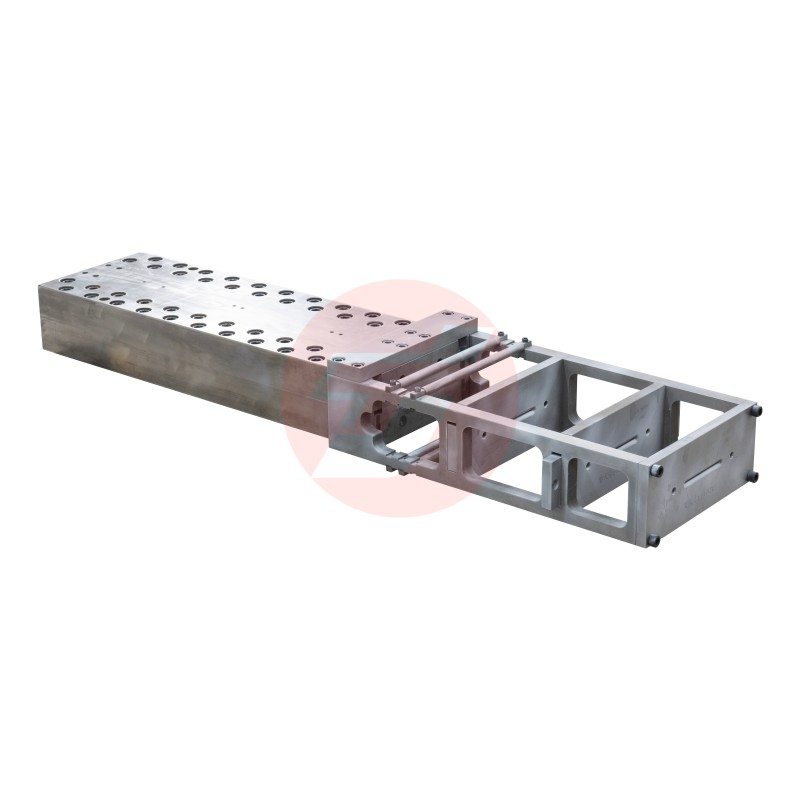
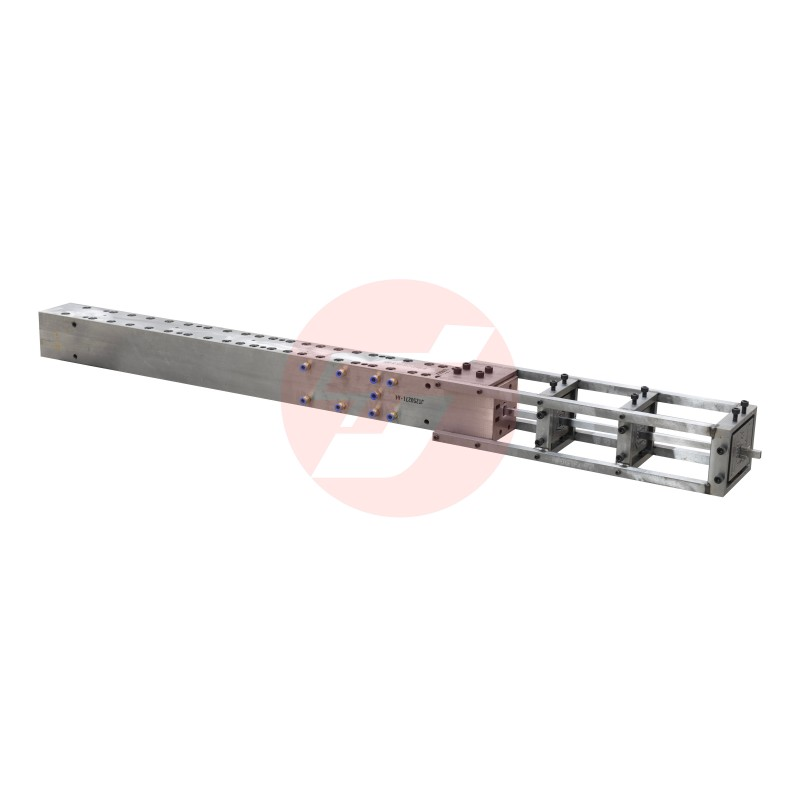
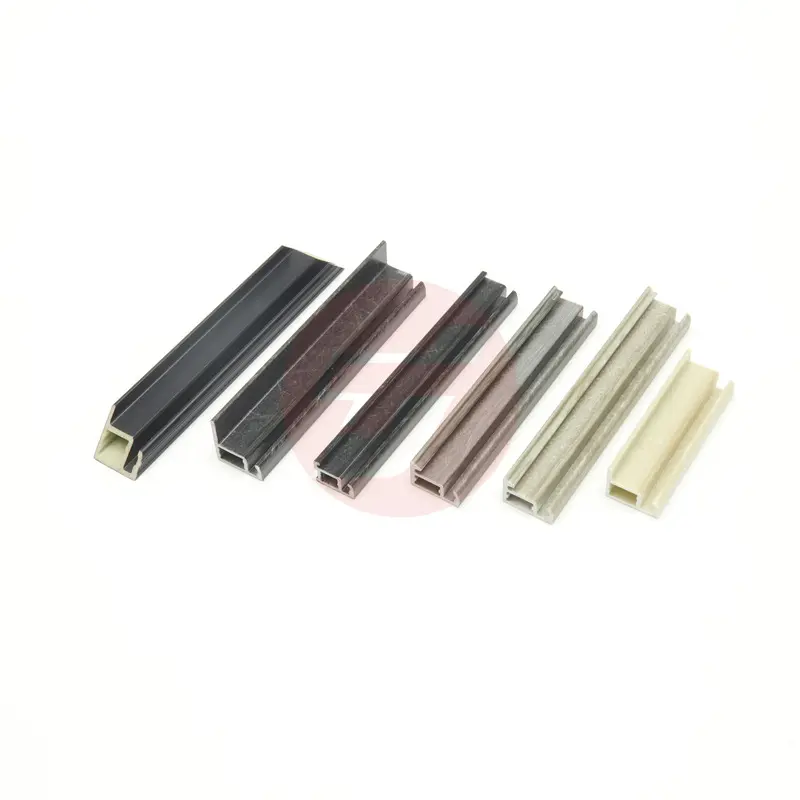
Pipeline support composites represent a revolutionary advancement in infrastructure protection technology, designed to provide superior structural support and protection for critical pipeline systems across various industries. These innovative composite materials combine advanced fiber-reinforced polymers with specialized resins to create lightweight yet incredibly strong support structures that effectively distribute loads and resist environmental degradation. The main functions of pipeline support composites include load distribution, vibration dampening, corrosion resistance, and thermal insulation. These systems work by creating a barrier between pipelines and their mounting surfaces, preventing direct contact that could lead to galvanic corrosion, wear, and structural fatigue. The technological features of pipeline support composites incorporate cutting-edge material science, utilizing high-strength fibers such as carbon, glass, or aramid embedded within thermosetting or thermoplastic matrices. This construction methodology ensures exceptional strength-to-weight ratios while maintaining dimensional stability across wide temperature ranges. Advanced manufacturing processes including pultrusion, compression molding, and resin transfer molding enable precise control over material properties and geometric specifications. Applications for pipeline support composites span numerous sectors including oil and gas, chemical processing, power generation, water treatment, and marine installations. In offshore platforms, these composite supports excel in harsh saltwater environments where traditional steel supports would rapidly deteriorate. Chemical plants benefit from the superior chemical resistance properties, while power generation facilities utilize these supports for steam and cooling water lines. The aerospace and automotive industries increasingly adopt pipeline support composites for fuel and hydraulic systems where weight reduction and reliability are paramount. Municipal water treatment facilities employ these supports for their long-term durability and minimal maintenance requirements, ensuring continuous operation of critical infrastructure systems.

New Product Recommendations

Pipeline support composites deliver exceptional advantages that transform infrastructure performance while reducing long-term operational costs. These advanced materials eliminate corrosion concerns entirely, unlike traditional metal supports that require constant maintenance and replacement due to rust and chemical degradation. The composite construction prevents galvanic corrosion between dissimilar metals, extending pipeline lifespan significantly. Weight reduction represents another major benefit, with pipeline support composites weighing up to seventy percent less than steel equivalents while maintaining superior strength characteristics. This dramatic weight savings reduces structural loading requirements, simplifies installation procedures, and lowers transportation costs. Installation teams can handle larger sections manually, reducing crane time and labor expenses. The thermal insulation properties of pipeline support composites prevent heat transfer between hot pipelines and supporting structures, eliminating thermal bridging that causes energy losses and structural stress. This insulation capability maintains process temperatures more effectively while protecting personnel from burn hazards. Vibration dampening characteristics significantly reduce noise transmission and mechanical stress, extending equipment life and improving workplace environments. The composite materials absorb vibrational energy rather than transmitting it through rigid connections like metal supports. Chemical resistance ensures compatibility with virtually all industrial fluids and gases, eliminating material degradation from aggressive chemicals, acids, or solvents. This universal compatibility simplifies material selection and reduces inventory requirements. Design flexibility allows custom shapes and configurations that optimize support placement and system efficiency. Manufacturers can mold complex geometries that accommodate tight spaces and unusual routing requirements without compromising structural integrity. Fire resistance properties meet stringent safety codes while maintaining structural stability during emergency situations. Low maintenance requirements eliminate routine painting, coating renewal, and corrosion inspection schedules that burden traditional support systems. Environmental benefits include reduced carbon footprint from lighter transportation requirements and longer service life, supporting sustainability initiatives. Cost effectiveness emerges through reduced installation time, eliminated maintenance cycles, extended service life, and improved energy efficiency, delivering superior return on investment compared to conventional alternatives.

Practical Tips

What Advantages Do Glass Fiber Pultruded Products Offer in Construction?

29

Dec

What Advantages Do Glass Fiber Pultruded Products Offer in Construction?

Construction professionals are increasingly turning to advanced composite materials to meet the demanding requirements of modern infrastructure projects. Among these innovative solutions, glass fiber pultruded products have emerged as a superior alte...
View More
Why Are Epoxy Pultrusion Products Ideal for High-Strength Applications?

29

Dec

Why Are Epoxy Pultrusion Products Ideal for High-Strength Applications?

Epoxy pultrusion represents a revolutionary manufacturing process that combines the superior strength properties of epoxy resins with the continuous production capabilities of pultrusion technology. This advanced composite manufacturing method has tr...
View More
How Do Carbon Fiber Pultruded Products Improve Structural Strength?

13

Feb

How Do Carbon Fiber Pultruded Products Improve Structural Strength?

Carbon fiber pultruded products represent a revolutionary advancement in structural engineering, offering exceptional strength-to-weight ratios that surpass traditional materials like steel and aluminum. These advanced composite materials are manufac...
View More
How to Maintain Carbon Fiber Pultrusion Molds for Long-Term Stability?

13

Feb

How to Maintain Carbon Fiber Pultrusion Molds for Long-Term Stability?

Carbon fiber pultrusion molds represent one of the most critical components in manufacturing high-performance composite materials for industries ranging from aerospace to renewable energy. These precision-engineered tools require meticulous maintenan...
View More

Get a Free Quote

A professional manufacturer of composite material molds.
Email
WhatsApp
Name
Company Name
Message
0/1000
Attachment
Please upload at least an attachment
Up to 3 files,more 30mb,suppor jpg、jpeg、png、pdf、doc、docx、xls、xlsx、csv、txt

pipeline support composites

Superior Corrosion Resistance and Longevity

Superior Corrosion Resistance and Longevity

Pipeline support composites excel in providing unmatched corrosion resistance that fundamentally transforms infrastructure reliability and maintenance requirements. Unlike traditional steel supports that deteriorate rapidly in aggressive environments, these advanced composite materials resist virtually all forms of chemical attack, ensuring decades of reliable service without degradation. The composite matrix completely encapsulates reinforcing fibers, creating an impermeable barrier that prevents moisture, chemicals, and corrosive agents from reaching internal structures. This protection mechanism eliminates the galvanic corrosion that occurs when dissimilar metals contact each other in the presence of electrolytes, a common failure mode in traditional pipeline support systems. In marine environments, where saltwater accelerates corrosion exponentially, pipeline support composites maintain their structural integrity indefinitely while steel alternatives require replacement within years. Chemical processing facilities benefit enormously from this corrosion immunity, as these supports withstand exposure to acids, bases, solvents, and other aggressive chemicals that would rapidly destroy metal components. The elimination of corrosion translates directly into reduced lifecycle costs through eliminated replacement cycles, reduced inspection requirements, and improved system reliability. Maintenance teams no longer need to schedule routine corrosion inspections, coating renewals, or emergency replacements that interrupt operations and consume valuable resources. This longevity advantage becomes particularly valuable in remote or difficult-to-access installations where maintenance activities are expensive and disruptive. The consistent performance of pipeline support composites over extended periods ensures predictable operational costs and eliminates unexpected failures that can cause production shutdowns, environmental incidents, or safety hazards. Quality assurance testing demonstrates that properly manufactured pipeline support composites can exceed fifty-year service lives in the most demanding applications, providing unprecedented value and peace of mind for infrastructure operators seeking reliable, long-term solutions.
Exceptional Strength-to-Weight Performance

Exceptional Strength-to-Weight Performance

The exceptional strength-to-weight ratio of pipeline support composites represents a paradigm shift in structural design philosophy, enabling engineers to achieve superior performance while dramatically reducing system weight and complexity. These advanced materials typically demonstrate tensile strengths comparable to or exceeding high-grade steel while weighing approximately thirty percent as much, fundamentally changing load calculations and structural requirements. The directional strength properties of composite materials allow engineers to optimize fiber orientation for specific loading conditions, creating supports that excel in their intended applications while minimizing material usage. This tailored approach ensures maximum efficiency and performance from every component. Weight reduction benefits extend throughout the entire installation process, from initial transportation to final positioning and connection. Shipping costs decrease substantially when lightweight pipeline support composites replace heavy steel alternatives, particularly for remote installations where transportation represents a significant project expense. Installation crews can handle larger assemblies manually, reducing crane requirements and associated costs while improving installation flexibility and scheduling. The reduced structural loading from lightweight supports enables smaller foundations, lighter framework, and simplified mounting systems, creating cascading cost savings throughout the project. In retrofit applications, existing structures can often accommodate upgraded pipeline systems without reinforcement when pipeline support composites replace heavy traditional supports. This capability enables facility improvements without major structural modifications, reducing project complexity and costs. The combination of high strength and low weight enables innovative mounting configurations that would be impractical with traditional materials, opening new design possibilities for complex routing requirements. Seismic performance improves dramatically with lighter support systems, as reduced mass generates lower inertial forces during earthquake events, improving overall system resilience. Transportation and handling advantages extend to maintenance activities, where replacement components can be easily transported by small crews without heavy equipment, reducing maintenance costs and downtime throughout the system's operational life.
Advanced Thermal and Vibrational Management

Advanced Thermal and Vibrational Management

Pipeline support composites deliver sophisticated thermal and vibrational management capabilities that significantly enhance system performance, energy efficiency, and operational reliability across diverse applications. The inherent thermal insulation properties of composite materials create an effective barrier between hot pipelines and supporting structures, preventing thermal bridging that causes energy losses and structural problems. This thermal isolation maintains process temperatures more effectively while protecting mounting structures from thermal stress and expansion effects that can cause mechanical failures over time. Temperature stability ensures consistent performance across extreme operating conditions, with specialized formulations maintaining structural integrity from cryogenic temperatures to several hundred degrees Fahrenheit. The low thermal conductivity of pipeline support composites prevents heat transfer that would otherwise require additional insulation or cooling systems, improving overall energy efficiency and reducing operational costs. Vibrational dampening represents another critical advantage, as the viscoelastic properties of composite materials absorb and dissipate mechanical energy rather than transmitting it through rigid connections like traditional steel supports. This vibration control reduces noise transmission, minimizes wear on connected equipment, and extends the operational life of pumps, compressors, and other rotating machinery. Process industries benefit significantly from reduced vibration levels, as equipment operates more smoothly with less maintenance and fewer unexpected failures. The dampening characteristics prove particularly valuable in applications involving reciprocating equipment, where cyclic loading can cause fatigue failures in rigid support systems. Pipeline support composites effectively isolate these dynamic loads, protecting both the pipeline and surrounding structures from harmful stress concentrations. Acoustic benefits include reduced noise transmission through building structures, improving workplace environments and meeting stringent noise regulations. The combination of thermal and vibrational management creates synergistic effects that optimize overall system performance while reducing energy consumption and maintenance requirements, delivering comprehensive value that extends far beyond simple structural support functions.

Get a Free Quote

A professional manufacturer of composite material molds.
Email
WhatsApp
Name
Company Name
Message
0/1000
Attachment
Please upload at least an attachment
Up to 3 files,more 30mb,suppor jpg、jpeg、png、pdf、doc、docx、xls、xlsx、csv、txt