Advanced Pultruded Epoxy Components: Superior Strength, Corrosion Resistance & Dimensional Stability

All Categories

Get a Free Quote

A professional manufacturer of composite material molds.
Email
WhatsApp
Name
Company Name
Message
0/1000
Attachment
Please upload at least an attachment
Up to 3 files,more 30mb,suppor jpg、jpeg、png、pdf、doc、docx、xls、xlsx、csv、txt

pultruded epoxy components

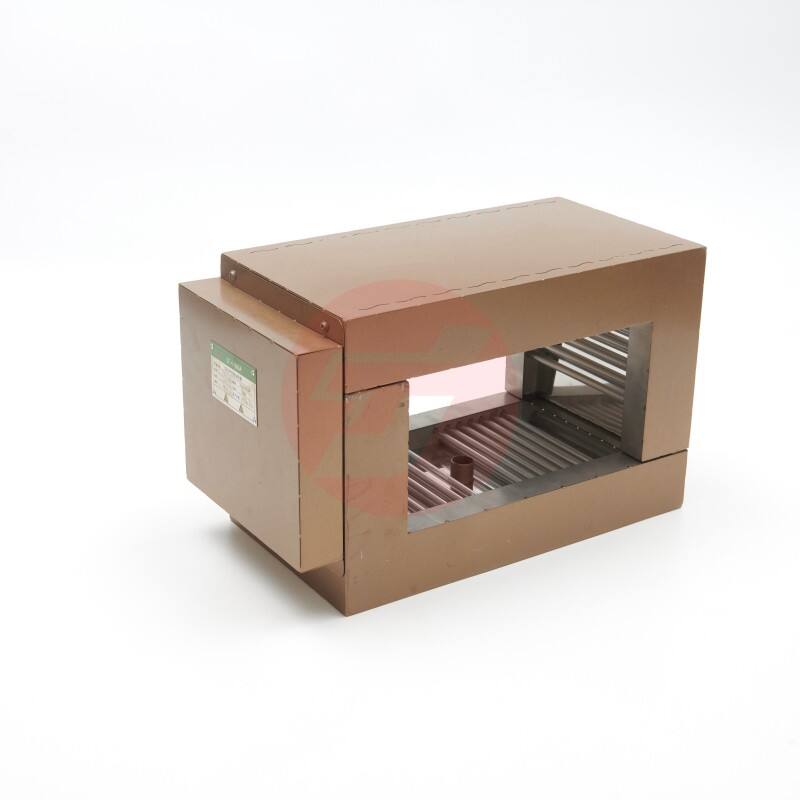
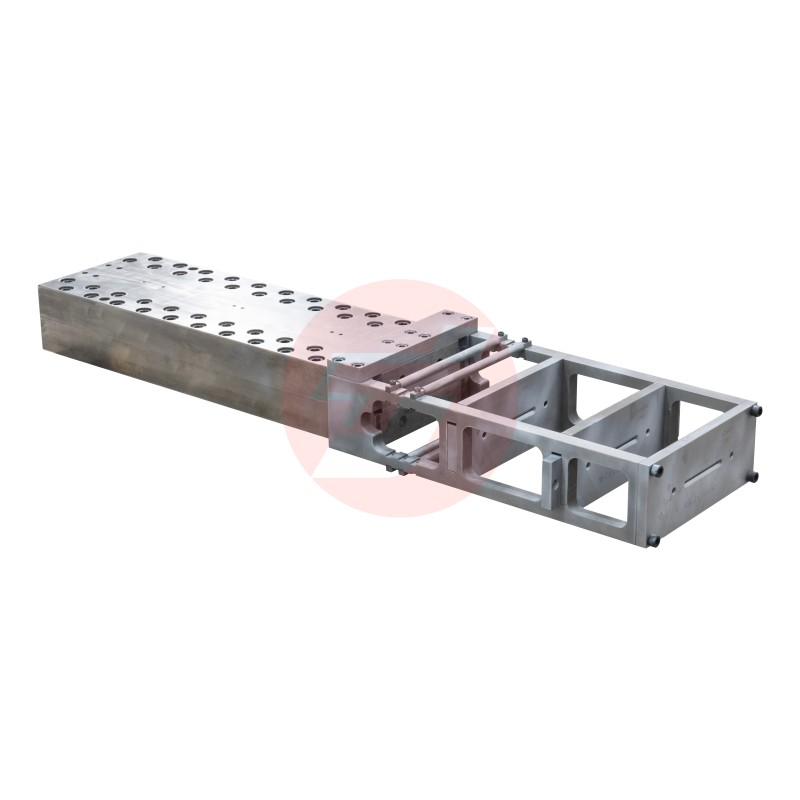
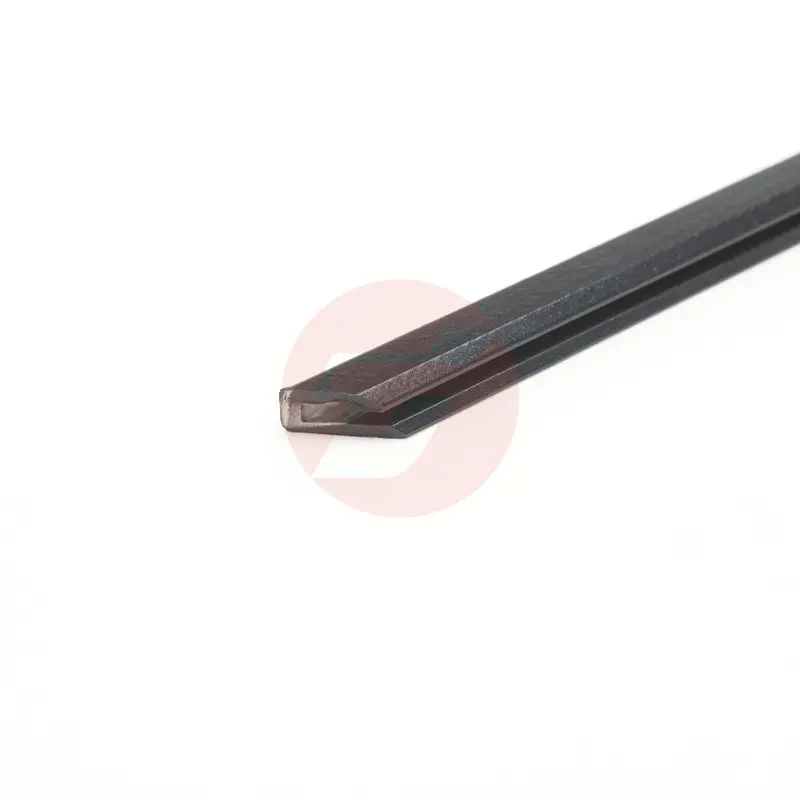
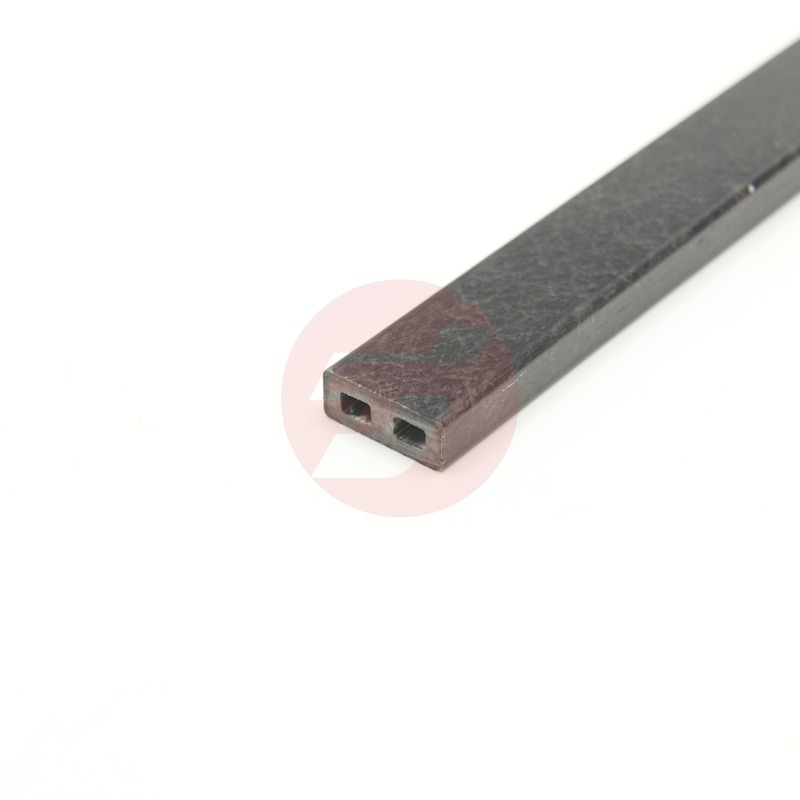
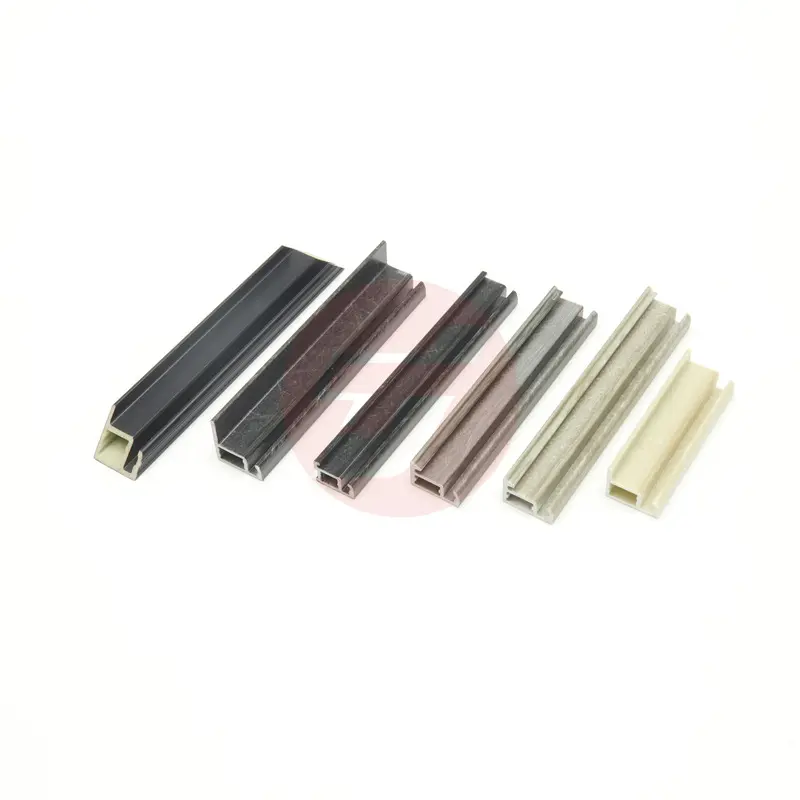
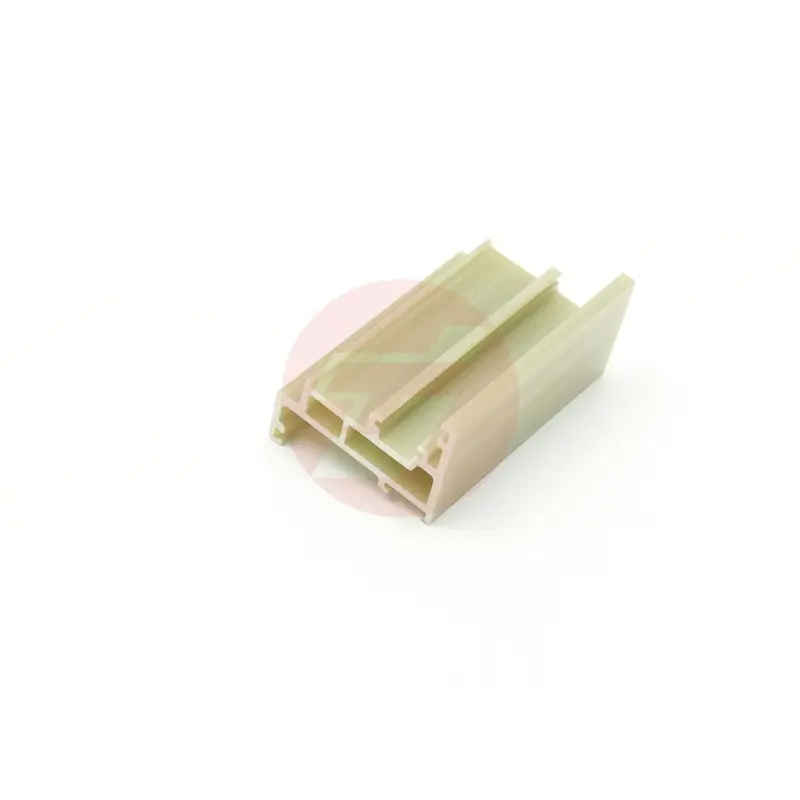
Pultruded epoxy components represent a cutting-edge manufacturing solution that combines advanced composite materials with precision engineering to deliver exceptional performance across diverse industrial applications. These components are created through the pultrusion process, where continuous fibers such as glass, carbon, or aramid are pulled through a resin bath containing specially formulated epoxy resins, then through heated dies that cure the material into predetermined cross-sectional shapes. The main functions of pultruded epoxy components encompass providing structural support, electrical insulation, corrosion resistance, and dimensional stability in demanding environments where traditional materials often fail. The technological features of these components include superior strength-to-weight ratios, excellent chemical resistance, minimal thermal expansion, and consistent mechanical properties throughout their service life. The pultrusion manufacturing process enables precise control over fiber orientation and resin distribution, resulting in components with predictable performance characteristics and exceptional quality consistency. These pultruded epoxy components find extensive applications across multiple industries including aerospace, automotive, construction, electrical infrastructure, marine environments, and industrial processing facilities. In the electrical sector, these components serve as insulators, bus bars, and structural supports for power transmission equipment. The construction industry utilizes pultruded epoxy components for reinforcement bars, structural beams, and architectural elements that require both strength and corrosion resistance. Marine applications benefit from their inherent resistance to saltwater corrosion and UV degradation, making them ideal for boat hulls, offshore platforms, and coastal infrastructure. The aerospace industry relies on these components for lightweight structural elements that maintain performance under extreme temperature variations and mechanical stress. Manufacturing facilities use pultruded epoxy components for chemical processing equipment, ventilation systems, and safety barriers where chemical resistance and structural integrity are paramount. The versatility of pultruded epoxy components extends to their ability to be customized for specific applications through modifications in fiber type, resin formulation, and cross-sectional geometry, ensuring optimal performance for each unique application requirement.

New Product Releases

The advantages of pultruded epoxy components deliver substantial practical benefits that directly impact operational efficiency and long-term cost savings for businesses across various industries. These components offer exceptional durability that significantly reduces maintenance requirements and replacement costs compared to traditional materials like steel or aluminum. The corrosion resistance inherent in pultruded epoxy components eliminates the need for protective coatings, painting, or regular surface treatments that consume time and resources with conventional materials. This resistance extends to harsh chemical environments, saltwater exposure, and extreme weather conditions, ensuring consistent performance regardless of environmental challenges. The lightweight nature of these components simplifies transportation, handling, and installation procedures, reducing labor costs and equipment requirements during project implementation. Installation teams can work more efficiently with lighter materials, completing projects faster while maintaining safety standards. The dimensional stability of pultruded epoxy components prevents warping, shrinking, or expanding under temperature fluctuations, ensuring precise fit and function throughout the component's service life. This stability eliminates costly adjustments and repairs that often plague installations using materials with high thermal expansion coefficients. The electrical insulation properties provide enhanced safety in electrical applications while reducing the risk of power outages and equipment failures. These components maintain their insulating characteristics over extended periods, unlike some materials that degrade and compromise safety systems. Manufacturing consistency ensures that each pultruded epoxy component meets exact specifications, reducing quality control issues and installation problems. The pultrusion process creates uniform properties throughout the material, eliminating weak spots or inconsistencies that could lead to premature failure. Design flexibility allows engineers to create custom solutions that meet specific performance requirements without compromising structural integrity or functionality. The ability to incorporate different fiber types and resin systems enables optimization for particular applications, whether prioritizing strength, flexibility, or specialized resistance properties. Long service life translates to reduced lifecycle costs as these components often outlast traditional materials by significant margins. The combination of durability, low maintenance requirements, and consistent performance creates substantial cost savings over the component's operational lifetime. Environmental benefits include recyclability and reduced environmental impact during manufacturing compared to metal production processes. These advantages position pultruded epoxy components as superior alternatives that provide immediate operational benefits while delivering long-term economic value through reduced maintenance, extended service life, and enhanced performance reliability.

Latest News

How Can Carbon Fiber Pultrusion Reduce Manufacturing Costs for B2B Buyers?

29

Dec

How Can Carbon Fiber Pultrusion Reduce Manufacturing Costs for B2B Buyers?

Manufacturing costs continue to challenge B2B buyers across industries, driving the need for innovative production methods that deliver superior performance while maintaining economic efficiency. Carbon fiber pultrusion has emerged as a transformativ...
View More
How to Evaluate the Quality of Glass Fiber Pultrusion Molds?

29

Dec

How to Evaluate the Quality of Glass Fiber Pultrusion Molds?

Manufacturing high-quality composite products requires precise tooling, and glass fiber pultrusion molds serve as the foundation for successful pultrusion processes. These specialized molds determine the dimensional accuracy, surface finish, and over...
View More
How Do Carbon Fiber Pultruded Products Improve Structural Strength?

13

Feb

How Do Carbon Fiber Pultruded Products Improve Structural Strength?

Carbon fiber pultruded products represent a revolutionary advancement in structural engineering, offering exceptional strength-to-weight ratios that surpass traditional materials like steel and aluminum. These advanced composite materials are manufac...
View More
Which Industries Rely Most on Glass Fiber Pultruded Profiles?

13

Feb

Which Industries Rely Most on Glass Fiber Pultruded Profiles?

Modern manufacturing across diverse industries increasingly depends on advanced composite materials that deliver exceptional strength, durability, and versatility. Glass fiber pultruded profiles have emerged as a cornerstone solution for applications...
View More

Get a Free Quote

A professional manufacturer of composite material molds.
Email
WhatsApp
Name
Company Name
Message
0/1000
Attachment
Please upload at least an attachment
Up to 3 files,more 30mb,suppor jpg、jpeg、png、pdf、doc、docx、xls、xlsx、csv、txt

pultruded epoxy components

Unmatched Corrosion Resistance for Extended Service Life

Unmatched Corrosion Resistance for Extended Service Life

The superior corrosion resistance of pultruded epoxy components represents one of their most valuable characteristics, providing customers with significant long-term benefits that traditional materials simply cannot match. Unlike steel, aluminum, or other metallic materials that require constant protection against environmental degradation, pultruded epoxy components inherently resist corrosion at the molecular level. This resistance stems from the epoxy resin matrix that encapsulates and protects the reinforcing fibers while creating an impermeable barrier against moisture, chemicals, and corrosive agents. The importance of this feature becomes evident in applications where components face continuous exposure to harsh environments such as coastal installations, chemical processing facilities, wastewater treatment plants, and industrial complexes. Traditional materials in these environments typically require regular inspection, maintenance, protective coating applications, and eventual replacement due to corrosion damage. Pultruded epoxy components eliminate these concerns by maintaining their structural integrity and appearance throughout their service life without degradation. The value this brings to customers extends far beyond material cost savings. Reduced maintenance schedules mean fewer production interruptions, lower labor costs, and eliminated expenses for protective treatments. Facility managers can redirect resources from maintenance activities to productive operations, improving overall operational efficiency. The predictable performance of pultruded epoxy components allows for accurate long-term planning without concerns about unexpected failures or emergency replacements. In critical applications such as electrical infrastructure, this corrosion resistance ensures continuous operation and prevents costly outages that could affect entire communities or industrial processes. The environmental benefits compound these advantages as eliminated protective coatings reduce chemical waste and environmental impact. Customers operating in environmentally sensitive areas particularly value this aspect as it supports sustainability goals while maintaining operational requirements. The long-term cost analysis consistently demonstrates that despite potentially higher initial investment, the total cost of ownership for pultruded epoxy components remains significantly lower than traditional alternatives when factoring in maintenance, replacement, and operational disruption costs over the component's lifetime.
Exceptional Strength-to-Weight Ratio for Enhanced Performance

Exceptional Strength-to-Weight Ratio for Enhanced Performance

The exceptional strength-to-weight ratio achieved by pultruded epoxy components delivers transformative benefits that revolutionize design possibilities and operational efficiency across numerous applications. This remarkable characteristic results from the strategic combination of high-strength reinforcing fibers with lightweight epoxy resin systems, creating components that outperform traditional materials in both strength and weight considerations. The significance of this feature becomes apparent in applications where weight reduction directly impacts performance, such as aerospace structures, automotive components, portable equipment, and transportation systems. Engineers can design lighter structures without compromising safety or performance standards, enabling innovations that were previously impossible with heavier traditional materials. The practical benefits extend to installation and handling procedures where reduced weight translates to lower labor requirements, simplified equipment needs, and enhanced worker safety. Construction crews can handle larger components safely, reducing installation time and associated costs. Transportation advantages include reduced shipping costs, lower fuel consumption, and increased payload capacity when moving these components to installation sites. The enhanced performance capabilities enable engineers to optimize designs for specific applications, achieving higher performance levels while maintaining or reducing overall system weight. In automotive applications, lighter pultruded epoxy components contribute to improved fuel efficiency and reduced emissions without sacrificing structural integrity or safety performance. Aerospace engineers leverage this strength-to-weight advantage to create components that withstand extreme operational stresses while contributing to overall aircraft efficiency and performance. The value proposition for customers includes immediate cost savings through reduced handling and installation expenses, plus long-term operational benefits through improved system performance. Manufacturing facilities benefit from easier material handling processes, reduced workplace injuries, and faster production cycles when working with lighter components. The design flexibility enabled by superior strength-to-weight ratios allows for innovative solutions that optimize space utilization and performance characteristics simultaneously. This advantage becomes particularly valuable in applications where space constraints limit design options, enabling engineers to achieve required performance within confined spaces through strategic use of high-performance lightweight materials.
Precise Dimensional Stability for Consistent Long-Term Performance

Precise Dimensional Stability for Consistent Long-Term Performance

The precise dimensional stability exhibited by pultruded epoxy components provides customers with unparalleled reliability and performance consistency that eliminates many common problems associated with traditional materials. This stability results from the low coefficient of thermal expansion inherent in epoxy resin systems combined with the restraining effect of continuous reinforcing fibers that prevent dimensional changes under varying environmental conditions. The importance of this characteristic becomes critical in precision applications where dimensional accuracy directly affects system performance, such as electrical equipment, measurement instruments, structural frameworks, and assembly fixtures. Traditional materials often expand and contract significantly with temperature changes, creating gaps, misalignments, and mechanical stresses that compromise system integrity and performance. Pultruded epoxy components maintain their precise dimensions across wide temperature ranges, ensuring consistent fit and function regardless of environmental conditions. The value this dimensional stability brings to customers includes eliminated adjustment procedures, reduced maintenance requirements, and consistent system performance over extended service periods. Manufacturing facilities benefit from components that maintain precise tolerances throughout their service life, eliminating quality control issues and production disruptions caused by dimensional changes in critical components. Electrical systems particularly benefit from this stability as maintaining precise spacing and alignment ensures consistent electrical performance and prevents dangerous arc formation or insulation breakdown. Construction applications gain significant value from dimensional stability as it eliminates the need for expansion joints, adjustment mechanisms, and regular realignment procedures that consume time and resources with traditional materials. The predictable performance enables engineers to design systems with tighter tolerances and more precise specifications, improving overall system performance and reliability. Long-term cost benefits include eliminated adjustment and realignment expenses, reduced warranty claims, and enhanced customer satisfaction through consistent product performance. The dimensional stability also enables more precise manufacturing processes as components maintain their exact specifications from production through installation and throughout their service life. This consistency reduces quality control requirements and enables automated assembly processes that depend on precise dimensional accuracy. Customers operating in environments with significant temperature variations particularly value this stability as it eliminates concerns about thermal expansion effects that could compromise system integrity or performance reliability.

Get a Free Quote

A professional manufacturer of composite material molds.
Email
WhatsApp
Name
Company Name
Message
0/1000
Attachment
Please upload at least an attachment
Up to 3 files,more 30mb,suppor jpg、jpeg、png、pdf、doc、docx、xls、xlsx、csv、txt