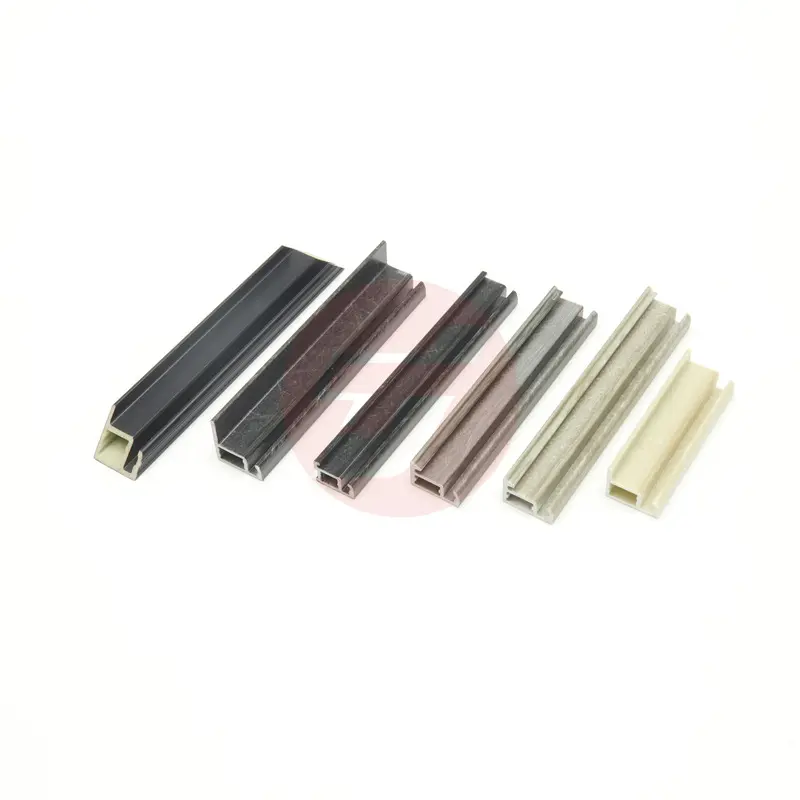
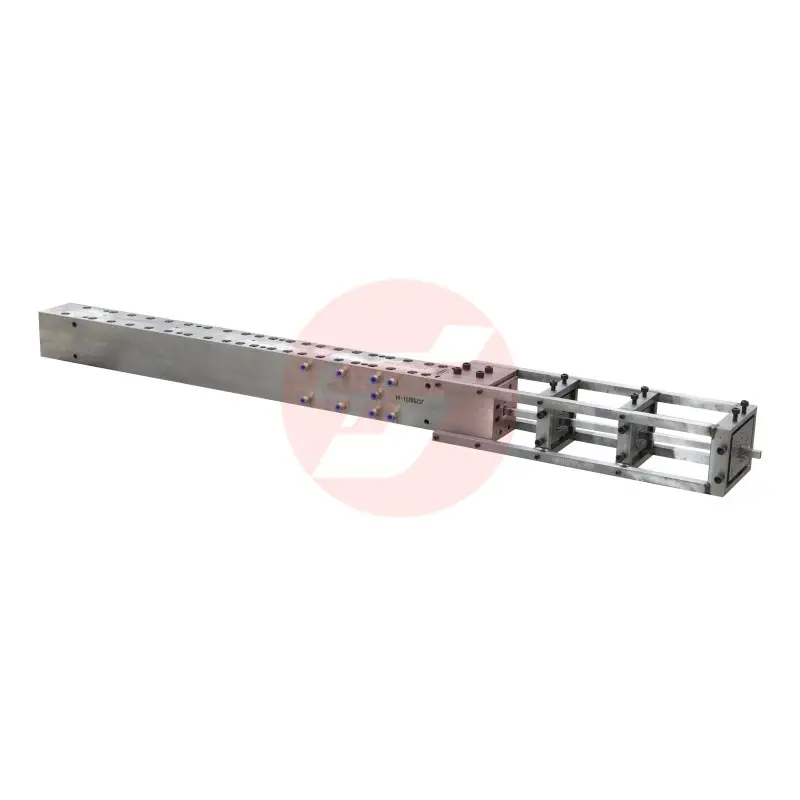
epoxy pultrusion tubes for automotive
Epoxy pultrusion tubes for automotive represent a revolutionary advancement in composite manufacturing technology, specifically engineered to meet the demanding requirements of modern vehicle construction. These sophisticated structural components are produced through an automated pultrusion process that combines continuous glass fiber reinforcement with high-performance epoxy resin systems, creating lightweight yet incredibly strong tubular profiles. The pultrusion manufacturing method involves pulling continuous glass fibers through a heated steel die while simultaneously impregnating them with epoxy resin, resulting in a continuous profile with consistent cross-sectional geometry and exceptional mechanical properties. The main functions of epoxy pultrusion tubes for automotive applications encompass structural reinforcement, vibration damping, weight reduction, and dimensional stability across varying temperature ranges. These tubes serve as critical components in chassis systems, body reinforcement structures, roll cages, suspension components, and various framework applications where strength-to-weight ratio is paramount. The technological features of epoxy pultrusion tubes for automotive include superior fiber-to-resin ratios, excellent surface finish quality, precise dimensional tolerances, and customizable mechanical properties through strategic fiber orientation. The epoxy matrix system provides outstanding chemical resistance, thermal stability, and long-term durability under harsh automotive operating conditions. Advanced manufacturing processes ensure consistent wall thickness distribution, optimal fiber wet-out, and minimal void content throughout the tube structure. Applications of epoxy pultrusion tubes for automotive span multiple vehicle systems including electric vehicle battery enclosures, hybrid powertrain supports, body-in-white reinforcement, crash management systems, and specialized performance vehicle components. The versatility of these tubes allows for integration into both traditional internal combustion engine vehicles and next-generation electric vehicles, supporting the automotive industry's transition toward sustainable mobility solutions.

 EN
EN