Architectural Design Flexibility and Aesthetic Excellence
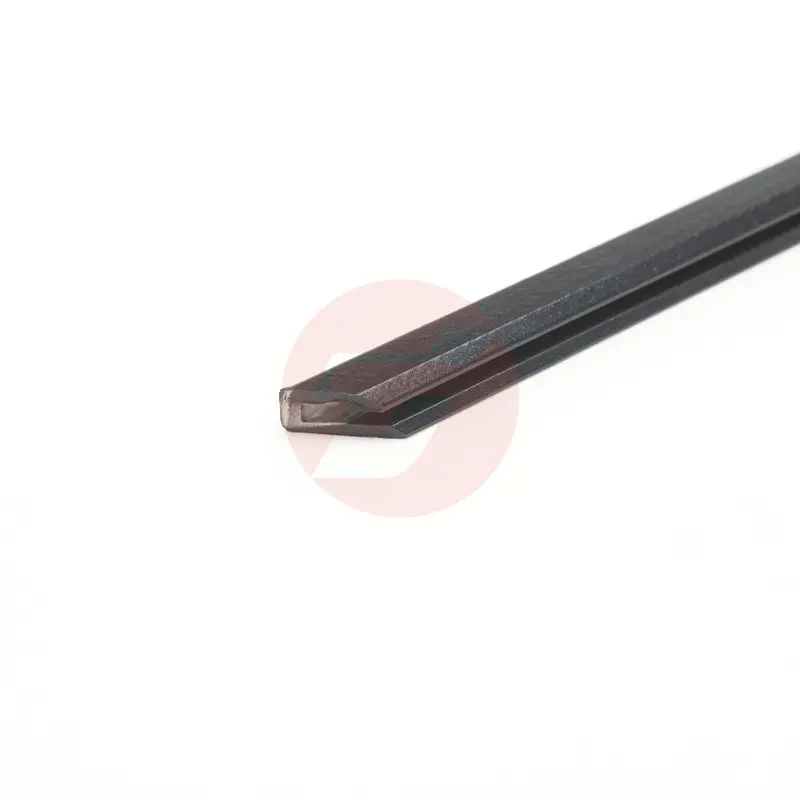
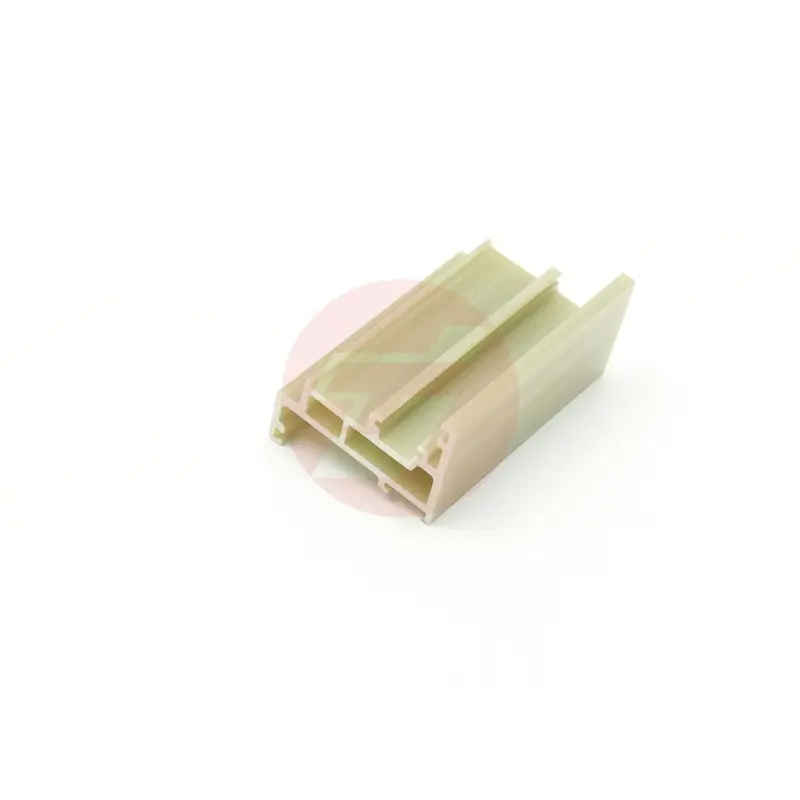
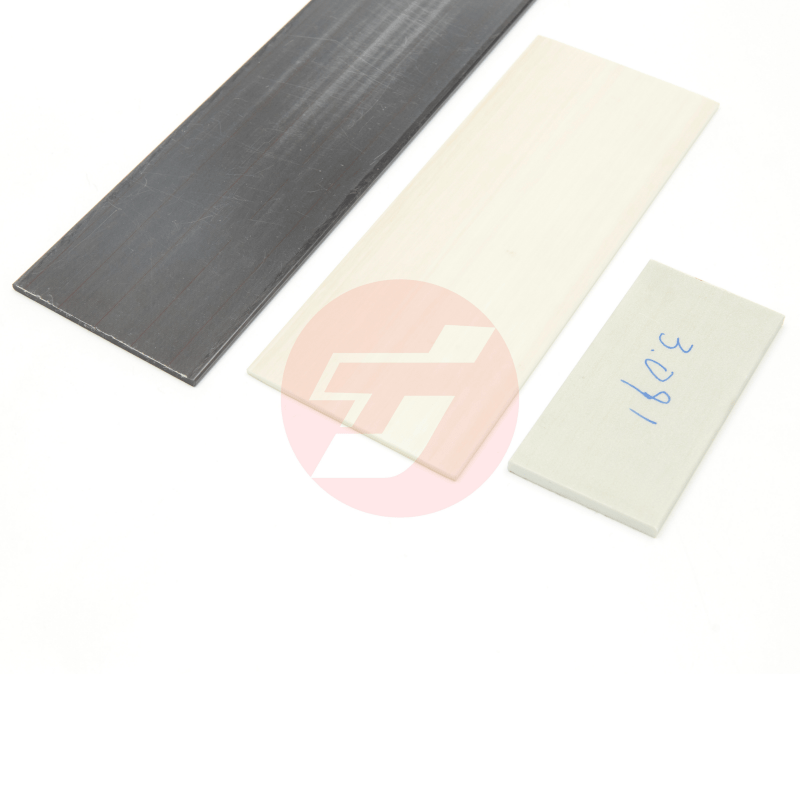
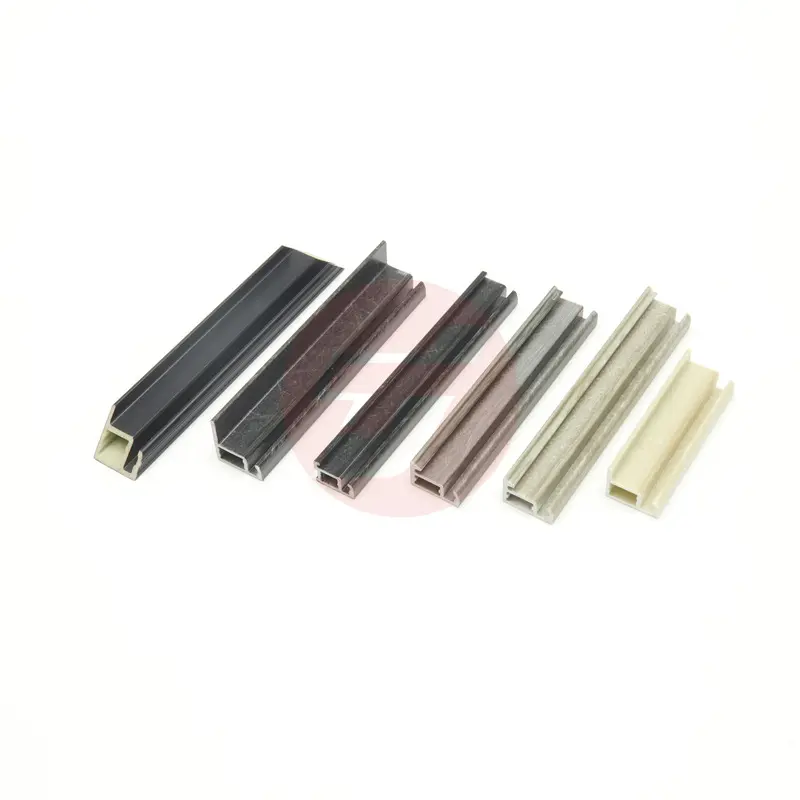
Carbon fiber window profiles offer unprecedented architectural design flexibility, enabling architects and designers to realize ambitious aesthetic visions while maintaining superior structural performance and building functionality. The exceptional strength-to-weight ratio of carbon fiber allows for dramatically reduced profile dimensions compared to conventional materials, creating opportunities for expansive glazing areas and minimal visual interruption of views. This capability enables the creation of floor-to-ceiling window systems, curtain wall applications, and other large-scale glazing solutions that would be impractical or impossible with traditional window materials. The manufacturing versatility of carbon fiber technology supports complex profile shapes and configurations, allowing designers to specify custom geometries that complement specific architectural styles and performance requirements. Advanced molding techniques can produce profiles with integrated decorative elements, eliminating the need for applied trim pieces while maintaining clean, contemporary aesthetics. The surface finish options for carbon fiber window profiles range from natural carbon fiber patterns that showcase the material's high-tech origins to painted or laminated surfaces that can mimic traditional materials or provide bold contemporary colors. This aesthetic flexibility ensures that carbon fiber window profiles can harmonize with any architectural style, from cutting-edge modern designs to renovations of historic structures requiring sensitive material selection. The precision manufacturing capabilities associated with carbon fiber production enable extremely tight dimensional tolerances, ensuring perfect alignment and consistent reveals across large window systems. This precision contributes to the crisp, professional appearance that characterizes high-quality architectural installations. The lightweight nature of carbon fiber window profiles simplifies the integration of advanced hardware systems, including motorized operators, integrated blinds, and smart glass technologies that enhance building functionality and user experience. Structural engineers appreciate the predictable performance characteristics of carbon fiber, which enable confident calculations for large glazing spans and complex geometries without excessive safety factors that might compromise aesthetic goals. The non-ferrous composition of carbon fiber window profiles eliminates magnetic interference concerns, supporting the integration of electronic systems and sensors that contribute to smart building functionality. Architects can specify carbon fiber window profiles with confidence that their design intent will be maintained throughout the building's service life, as these profiles resist the warping, discoloration, and deterioration that can compromise the appearance of conventional window systems over time.

 EN
EN