cold press compression molds
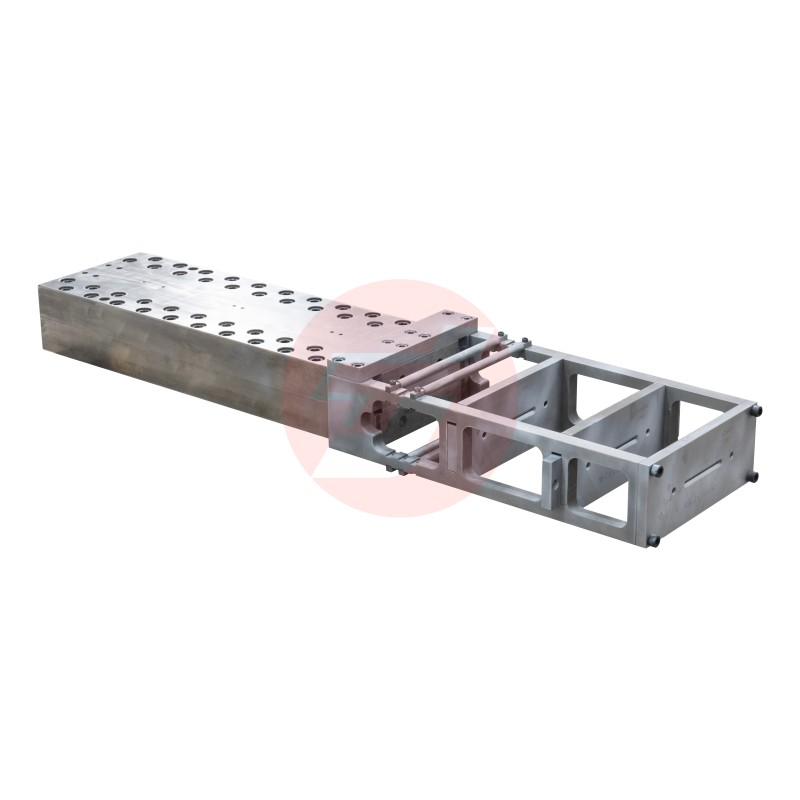
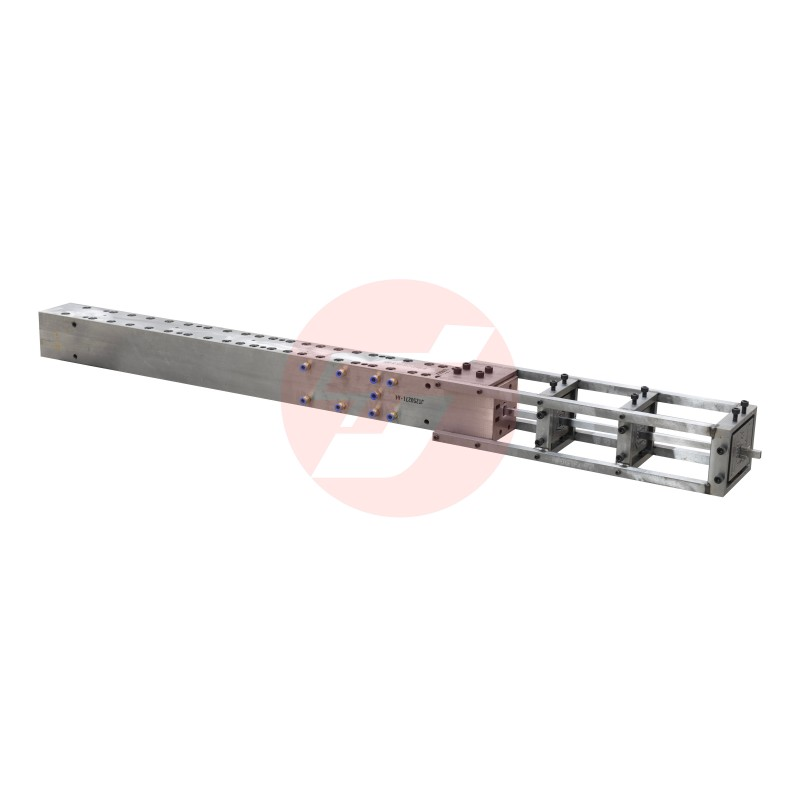
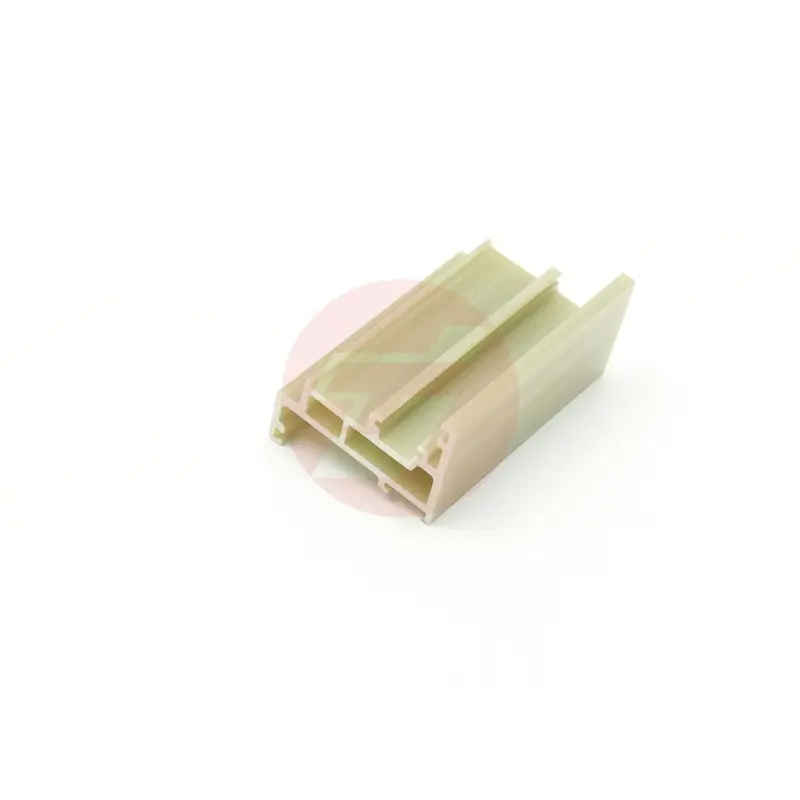
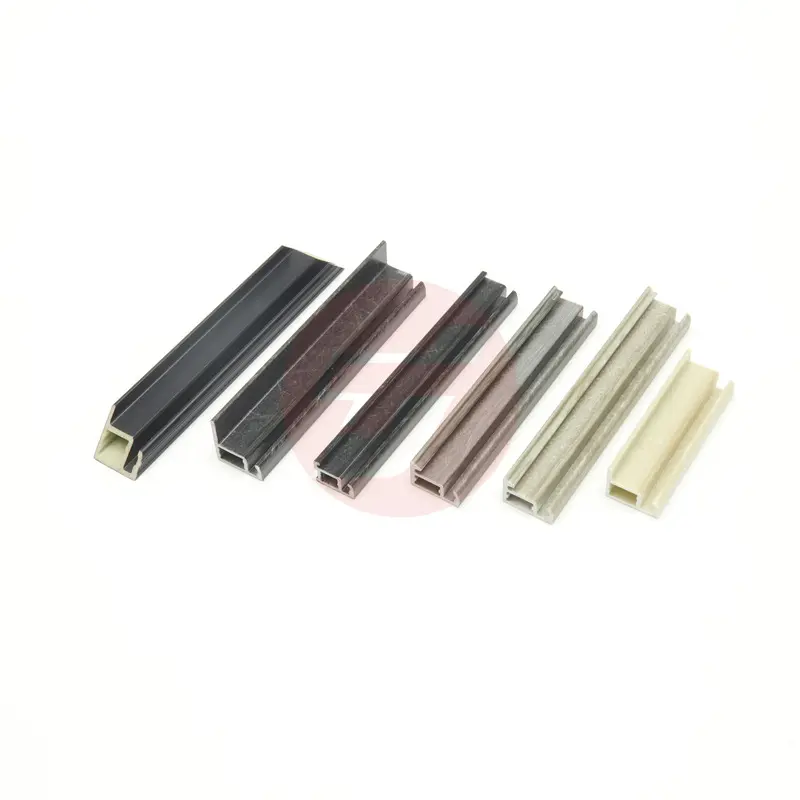
Cold press compression molds represent a revolutionary manufacturing technology that transforms raw materials into finished products through the application of controlled pressure at room temperature. These specialized molds eliminate the need for high-temperature processing, making them an ideal solution for manufacturers seeking energy-efficient and cost-effective production methods. The cold press compression molds operate by utilizing hydraulic or mechanical pressure systems that compress materials into precise shapes and dimensions without thermal stress. This innovative approach preserves the molecular structure of materials, ensuring superior product quality and consistency. The technology behind cold press compression molds involves sophisticated engineering that combines precision tooling with advanced pressure distribution systems. These molds feature robust construction materials that can withstand repeated compression cycles while maintaining dimensional accuracy. The design incorporates multiple chambers and cavities that allow simultaneous production of multiple components, significantly increasing manufacturing efficiency. Cold press compression molds find extensive applications across various industries, including automotive parts manufacturing, construction materials production, pharmaceutical tablet forming, and consumer goods creation. In the automotive sector, these molds produce brake pads, gaskets, and rubber components with exceptional precision. Construction industries utilize cold press compression molds for creating concrete blocks, tiles, and composite materials. The pharmaceutical industry relies on these molds for tablet compression and capsule formation, ensuring consistent dosage and quality. The versatility of cold press compression molds extends to powder metallurgy, where metal powders are compressed into complex shapes before sintering. This process creates components with superior mechanical properties and reduced material waste. Environmental benefits include reduced energy consumption, lower carbon emissions, and minimized waste generation compared to traditional hot-forming processes.

 EN
EN