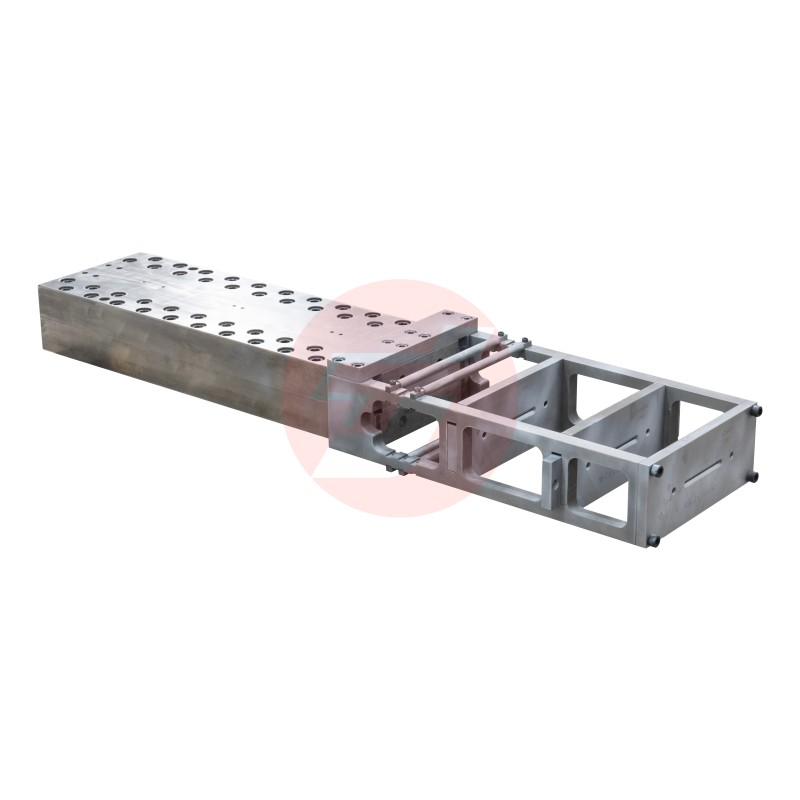
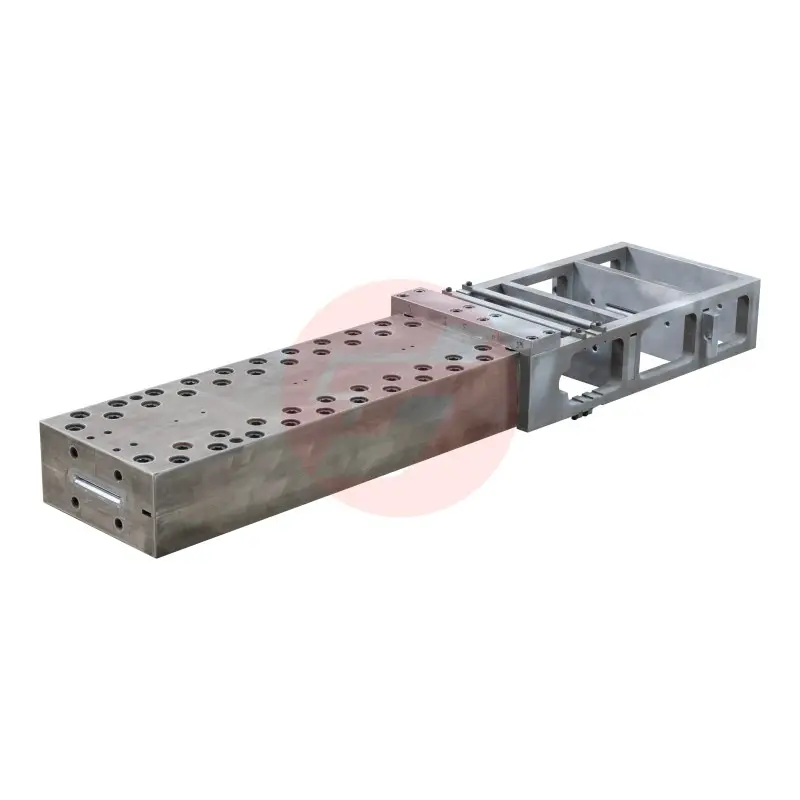
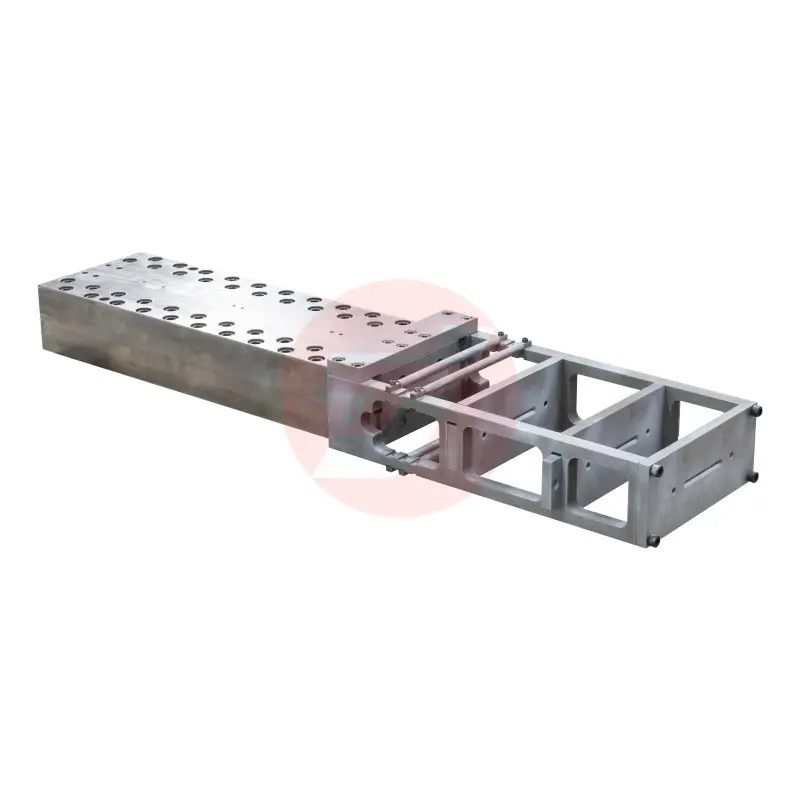
multi-cavity pultrusion mold
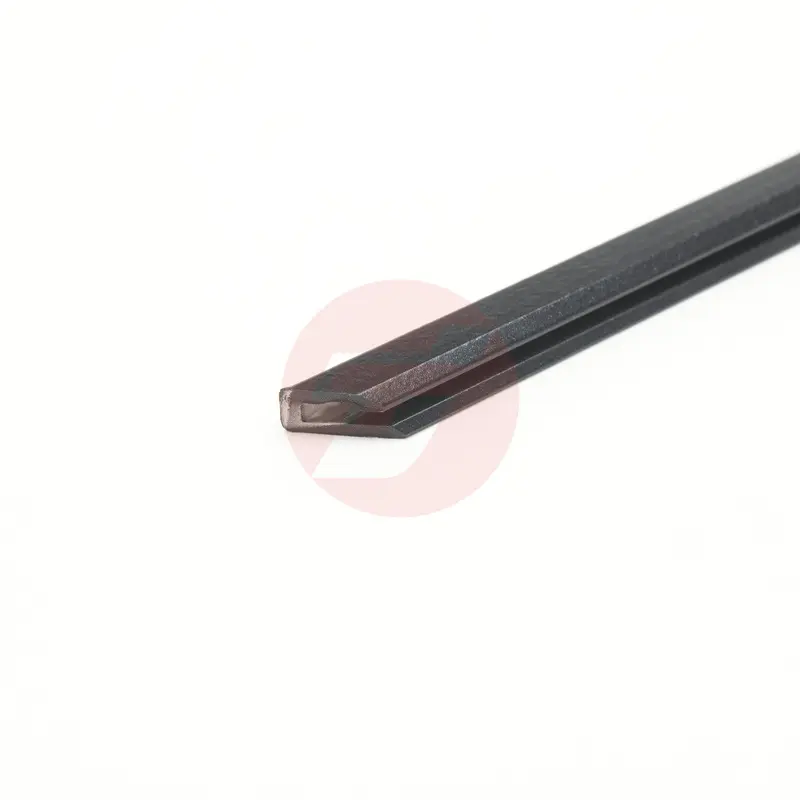
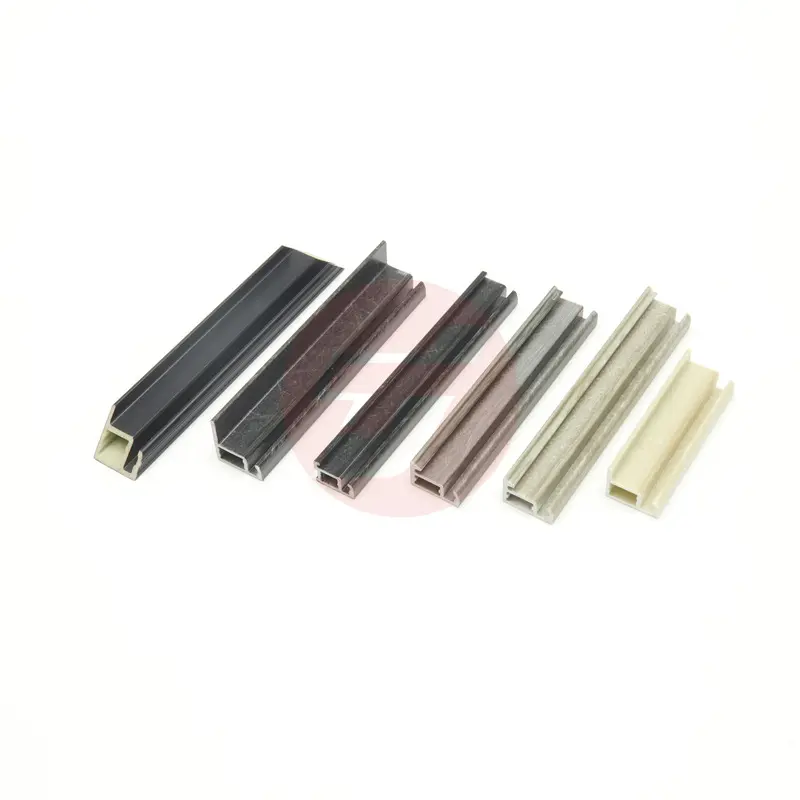
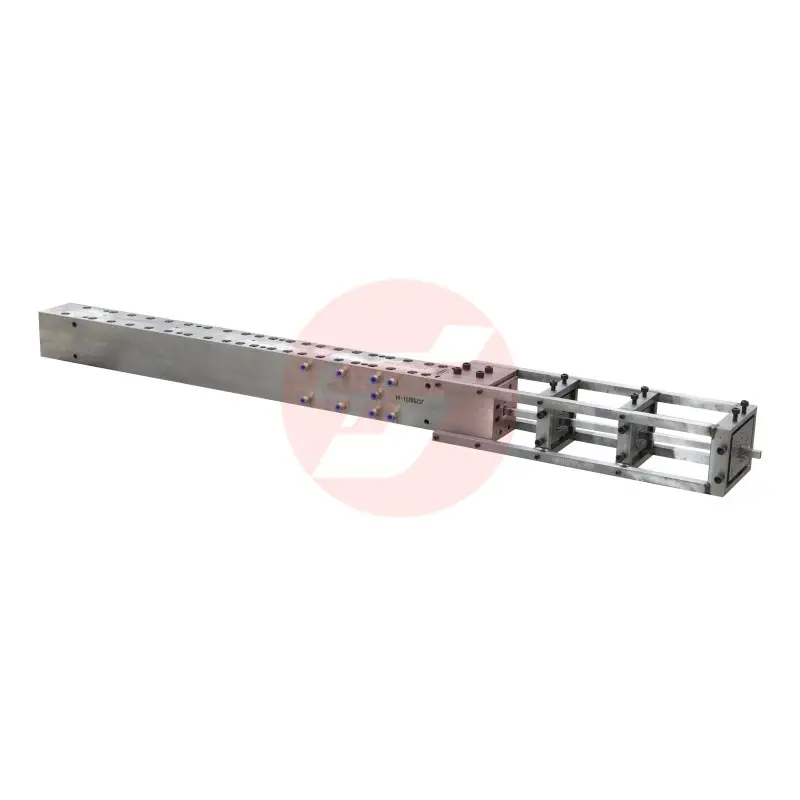
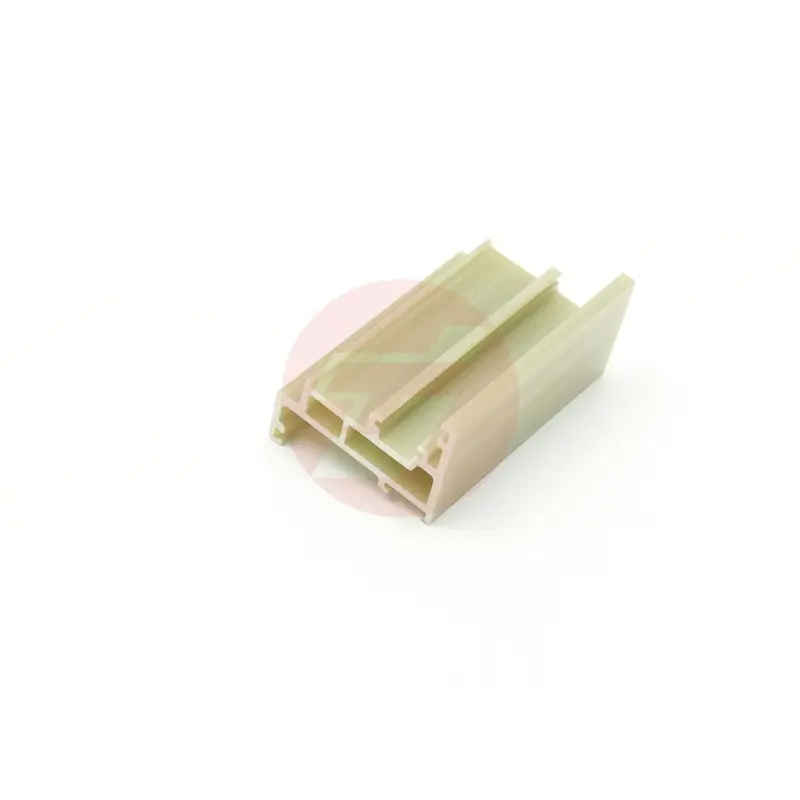
The multi-cavity pultrusion mold represents a sophisticated manufacturing solution designed to optimize the production of composite materials through advanced pultrusion processes. This innovative tooling system incorporates multiple cavities within a single mold structure, enabling manufacturers to produce several identical profiles simultaneously while maintaining exceptional dimensional accuracy and surface quality. The multi-cavity pultrusion mold operates by pulling continuous fiber reinforcements through heated die cavities, where thermosetting resins cure to form strong, lightweight composite profiles. The primary function of this mold system centers on maximizing production efficiency while reducing manufacturing costs per unit. Each cavity within the multi-cavity pultrusion mold maintains precise temperature control and uniform pressure distribution, ensuring consistent product quality across all produced profiles. The technological features include advanced heating elements strategically positioned throughout the mold body, precision-machined cavity surfaces that deliver superior finish quality, and integrated cooling systems that facilitate proper curing cycles. Modern multi-cavity pultrusion mold designs incorporate temperature monitoring systems, allowing operators to maintain optimal processing conditions for different resin systems and fiber configurations. The applications for multi-cavity pultrusion mold technology span numerous industries, including construction, automotive, aerospace, and infrastructure development. These molds produce structural profiles such as beams, channels, tubes, and custom shapes used in building frameworks, vehicle components, aircraft parts, and utility structures. The versatility of multi-cavity pultrusion mold systems accommodates various fiber types including glass, carbon, and aramid fibers, combined with different resin matrices to achieve specific mechanical properties. Manufacturing facilities utilizing multi-cavity pultrusion mold technology benefit from increased throughput, reduced labor costs, and improved material utilization rates, making this technology essential for competitive composite manufacturing operations.

 EN
EN