High-Performance Automotive Composite Pultrusion Molds - Advanced Manufacturing Solutions

All Categories

Get a Free Quote

A professional manufacturer of composite material molds.
Email
WhatsApp
Name
Company Name
Message
0/1000
Attachment
Please upload at least an attachment
Up to 3 files,more 30mb,suppor jpg、jpeg、png、pdf、doc、docx、xls、xlsx、csv、txt

automotive composite pultrusion mold

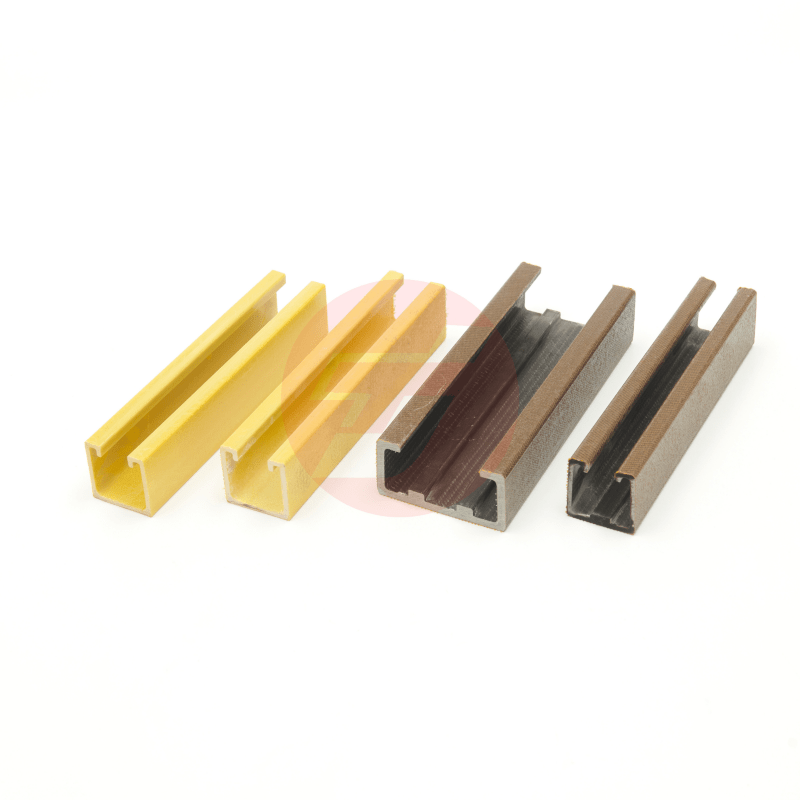
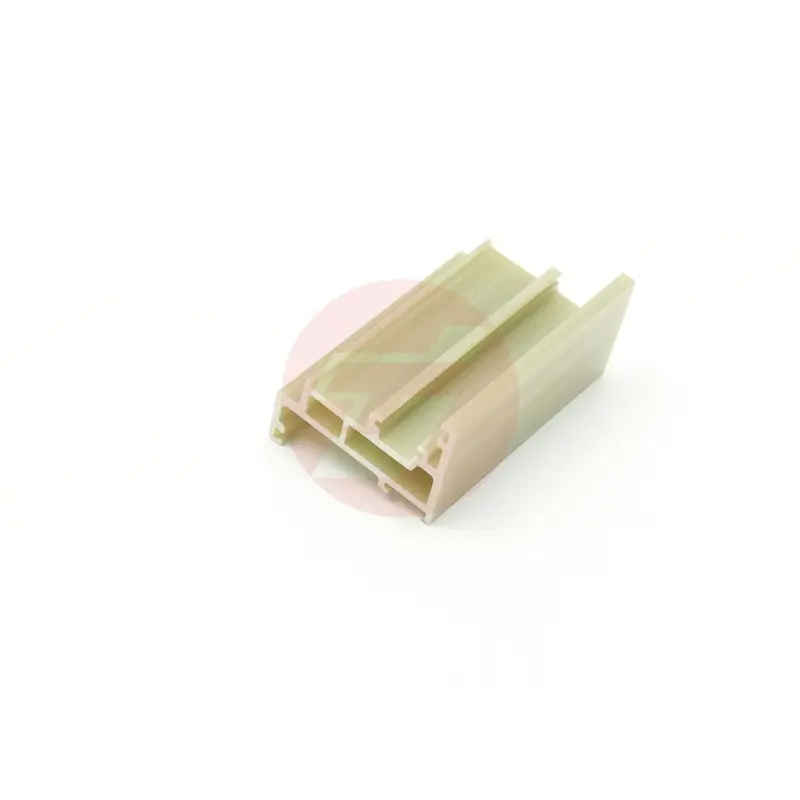
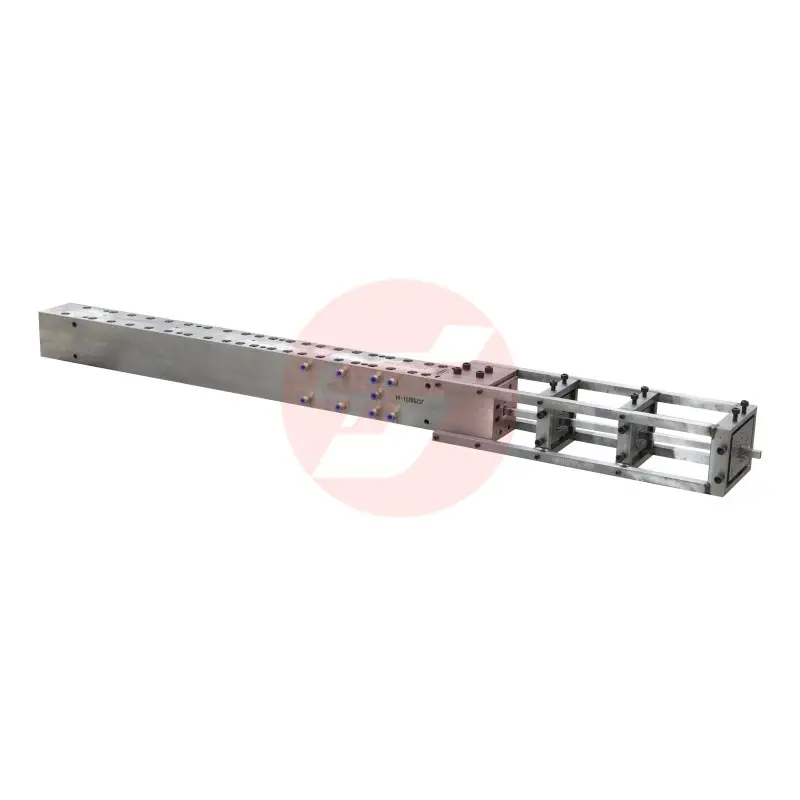
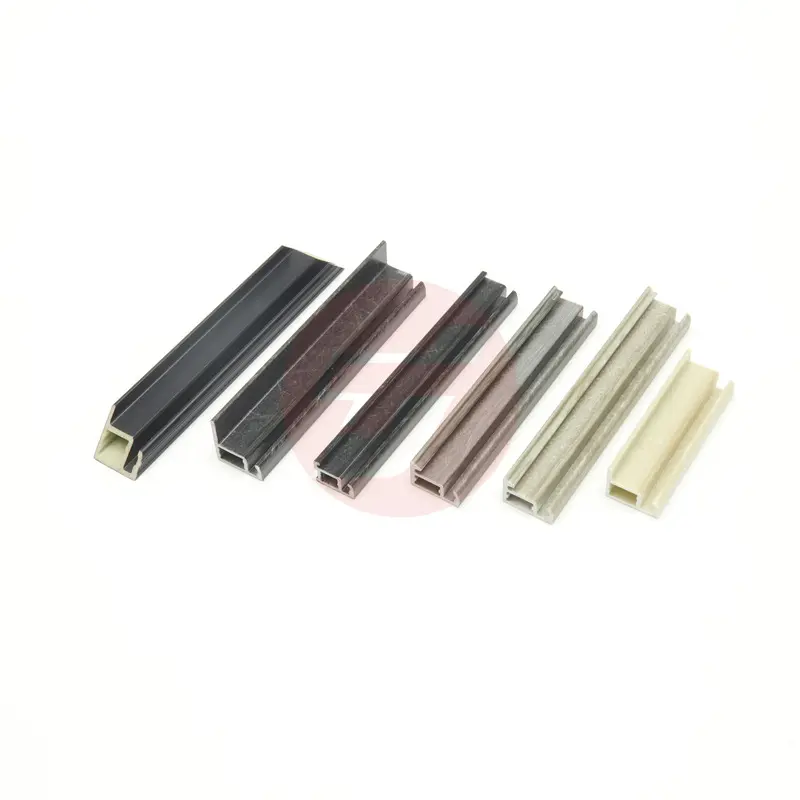
Automotive composite pultrusion molds represent a revolutionary manufacturing solution specifically designed for producing high-strength, lightweight components used in modern vehicle construction. These specialized molds utilize the pultrusion process, which involves pulling continuous fiber reinforcements through a heated die while simultaneously infusing them with thermosetting resins. The automotive composite pultrusion mold serves as the critical forming tool that shapes these materials into precise geometric profiles required for various automotive applications. The primary function of an automotive composite pultrusion mold centers on creating consistent cross-sectional shapes while maintaining dimensional accuracy throughout the production process. These molds operate under controlled temperature conditions, typically ranging from 120 to 180 degrees Celsius, allowing the resin matrix to cure properly while the fibers maintain their structural integrity. The technological features of automotive composite pultrusion molds include advanced heating systems, precision machining capabilities, and sophisticated surface treatments that ensure smooth part release and extended mold life. Modern automotive composite pultrusion molds incorporate computer-controlled heating elements that provide uniform temperature distribution across the entire mold length. This temperature control system prevents hot spots and ensures consistent curing throughout the composite structure. The molds feature hardened steel construction with specialized coatings that resist wear and chemical degradation from the curing resins. Applications for automotive composite pultrusion molds span across multiple vehicle systems, including structural reinforcements, bumper beams, door frames, and underbody panels. The automotive industry increasingly relies on these molds to produce components that meet stringent safety requirements while reducing overall vehicle weight. The pultrusion process enabled by these molds creates parts with exceptional strength-to-weight ratios, making them ideal for electric vehicles where weight reduction directly impacts battery efficiency and driving range. Additionally, automotive composite pultrusion molds support the production of crash-resistant components that absorb impact energy while maintaining passenger safety standards.


New Products

The automotive composite pultrusion mold offers numerous practical benefits that directly translate into cost savings and improved manufacturing efficiency for automotive manufacturers. These molds enable continuous production processes, eliminating the start-stop cycles associated with traditional molding methods and significantly increasing throughput rates. Manufacturers can achieve production speeds up to ten times faster than conventional composite manufacturing techniques, reducing labor costs and energy consumption per part produced. The consistency achieved through automotive composite pultrusion molds ensures that every component meets exact specifications, reducing quality control issues and minimizing waste materials. This reliability stems from the controlled environment within the mold, where temperature, pressure, and cure time remain constant throughout the production run. The automotive composite pultrusion mold creates parts with superior mechanical properties compared to traditional materials like steel or aluminum. These components exhibit excellent fatigue resistance, corrosion immunity, and dimensional stability across wide temperature ranges. The weight reduction achieved through composite parts manufactured in these molds can decrease vehicle weight by up to thirty percent in targeted applications, directly improving fuel efficiency and reducing emissions. Cost effectiveness represents another significant advantage of automotive composite pultrusion molds. While initial tooling investment may seem substantial, the long-term savings quickly offset these costs through reduced material waste, lower energy requirements, and decreased finishing operations. The automated nature of the pultrusion process reduces skilled labor requirements, making production more economical and less dependent on specialized workforce availability. Quality control becomes more manageable with automotive composite pultrusion molds because the process parameters remain consistent throughout production. This consistency eliminates variations that plague other manufacturing methods, resulting in parts that meet tight tolerances without extensive post-processing. The molds also support the integration of multiple materials within single components, enabling manufacturers to optimize properties for specific applications while maintaining cost effectiveness. Environmental benefits emerge from using automotive composite pultrusion molds, as the process generates minimal waste compared to subtractive manufacturing methods. The precise material placement and curing process ensure that nearly all raw materials become part of the finished component, supporting sustainability initiatives within the automotive industry. Additionally, the longer service life of composite components reduces replacement frequency, further contributing to environmental conservation efforts.

Practical Tips

What Advantages Do Glass Fiber Pultruded Products Offer in Construction?

29

Dec

What Advantages Do Glass Fiber Pultruded Products Offer in Construction?

Construction professionals are increasingly turning to advanced composite materials to meet the demanding requirements of modern infrastructure projects. Among these innovative solutions, glass fiber pultruded products have emerged as a superior alte...
View More
How Do Pultrusion Molds Enhance Durability in Solar Frame Manufacturing?

05

Jan

How Do Pultrusion Molds Enhance Durability in Solar Frame Manufacturing?

Solar frame manufacturing has undergone significant technological advancement in recent years, with pultrusion molds emerging as a critical component in producing durable, high-performance photovoltaic frames. The integration of advanced pultrusion t...
View More
Which Applications Benefit Most From Carbon Fiber Pultruded Components?

13

Feb

Which Applications Benefit Most From Carbon Fiber Pultruded Components?

Carbon fiber pultruded components have revolutionized manufacturing across numerous industries, offering exceptional strength-to-weight ratios and superior durability compared to traditional materials. These advanced composite structures are created ...
View More
What Factors Determine the Lifespan of Carbon Fiber Pultruded Products?

13

Feb

What Factors Determine the Lifespan of Carbon Fiber Pultruded Products?

Carbon fiber pultrusion represents one of the most advanced manufacturing processes for creating high-performance composite materials with exceptional strength-to-weight ratios. This innovative technique produces continuous fiber-reinforced profiles ...
View More

Get a Free Quote

A professional manufacturer of composite material molds.
Email
WhatsApp
Name
Company Name
Message
0/1000
Attachment
Please upload at least an attachment
Up to 3 files,more 30mb,suppor jpg、jpeg、png、pdf、doc、docx、xls、xlsx、csv、txt

automotive composite pultrusion mold

Advanced Temperature Control Technology

Advanced Temperature Control Technology

The sophisticated temperature control system integrated within automotive composite pultrusion molds represents a breakthrough in precision manufacturing technology that ensures optimal curing conditions for composite materials. This advanced system utilizes multiple heating zones strategically positioned throughout the mold length, each independently controlled by sophisticated computer algorithms that monitor and adjust temperatures in real-time. The automotive composite pultrusion mold temperature control technology prevents the formation of thermal gradients that could compromise material properties or cause dimensional variations in finished components. Each heating zone can be programmed with specific temperature profiles that match the curing characteristics of different resin systems, allowing manufacturers to optimize processing parameters for various material combinations. The system incorporates high-precision temperature sensors placed at critical locations within the automotive composite pultrusion mold, providing continuous feedback to the control system and enabling immediate corrections when temperature deviations occur. This level of control ensures that the resin matrix achieves complete cure while preventing overheating that could degrade fiber properties or cause dimensional distortion. The advanced temperature control technology also enables rapid mold heating and cooling cycles, reducing overall cycle times and increasing production efficiency. Manufacturers benefit from this technology through improved part quality consistency, reduced scrap rates, and enhanced process reliability. The system can store multiple temperature profiles for different products, allowing quick changeovers between various automotive components without extensive setup time. This flexibility proves particularly valuable for manufacturers producing diverse product lines or handling custom orders with specific material requirements. The temperature control technology incorporates predictive algorithms that learn from historical data to optimize heating patterns and reduce energy consumption while maintaining optimal curing conditions. This intelligent approach to temperature management results in significant energy savings over traditional heating methods while delivering superior part quality. The automotive composite pultrusion mold temperature control system also includes safety features that prevent overheating and protect both equipment and operators from potential hazards associated with high-temperature operations.
Precision Engineering and Surface Quality

Precision Engineering and Surface Quality

The precision engineering incorporated into automotive composite pultrusion molds delivers exceptional surface quality and dimensional accuracy that meets the demanding requirements of modern automotive manufacturing. These molds undergo extensive computer-aided design processes followed by high-precision machining using advanced CNC equipment capable of achieving tolerances within micrometers. The automotive composite pultrusion mold surfaces receive specialized treatments including polishing, coating, and texturing that optimize part release while maintaining superior surface finish on manufactured components. The engineering precision extends beyond surface treatments to include careful consideration of thermal expansion characteristics, ensuring that dimensional accuracy remains consistent across the entire operating temperature range. Each automotive composite pultrusion mold incorporates carefully calculated draft angles, radius specifications, and surface transitions that facilitate smooth material flow while preventing fiber damage during the pulling process. The precision engineering process includes comprehensive stress analysis and thermal modeling to predict mold behavior under various operating conditions, ensuring long-term dimensional stability and consistent part quality. Surface quality achievements through precision engineering translate directly into reduced finishing requirements for manufactured components, eliminating costly secondary operations such as grinding, polishing, or coating applications. The automotive composite pultrusion mold surface engineering also considers the chemical compatibility between mold materials and various resin systems, preventing chemical interactions that could compromise surface quality or mold life. Advanced surface treatments create microscopic textures that promote proper resin flow while facilitating easy part release, reducing cycle times and minimizing the need for mold release agents. The precision engineering approach includes detailed analysis of parting line locations and gate designs that minimize flash formation and ensure clean part edges requiring minimal trimming operations. Quality control measures during the precision engineering process include coordinate measuring machine verification, surface roughness testing, and dimensional inspection protocols that ensure each automotive composite pultrusion mold meets exact specifications before entering production service. This comprehensive approach to precision engineering results in molds that consistently produce parts meeting tight automotive industry standards while maximizing production efficiency and minimizing manufacturing costs over extended service periods.
Durability and Long-Term Performance

Durability and Long-Term Performance

The exceptional durability and long-term performance characteristics of automotive composite pultrusion molds provide manufacturers with reliable production tools that maintain consistent quality output over extended operating periods. These molds undergo rigorous material selection processes utilizing high-grade tool steels and specialized alloys chosen specifically for their resistance to thermal cycling, chemical attack, and mechanical wear associated with continuous production environments. The automotive composite pultrusion mold construction incorporates advanced metallurgy techniques including heat treatment processes that optimize material properties for sustained high-temperature operation while maintaining dimensional stability throughout numerous heating and cooling cycles. Durability testing protocols ensure that each mold design can withstand the mechanical stresses imposed during the pulling process, where continuous forces act upon the mold structure as reinforcement materials pass through the forming cavity. The automotive composite pultrusion mold materials resist degradation from various resin chemistries, preventing chemical attack that could compromise surface quality or dimensional accuracy over time. Surface hardening treatments applied during manufacturing create protective layers that resist abrasive wear from fiber reinforcements while maintaining smooth surface finishes essential for quality part production. Long-term performance validation includes accelerated aging tests that simulate years of production use within compressed timeframes, identifying potential failure modes and validating design modifications that enhance service life. The automotive composite pultrusion mold design incorporates maintenance accessibility features that enable routine inspection and service operations without extensive disassembly, supporting preventive maintenance programs that maximize operational availability. Monitoring systems integrated within modern molds track operating parameters and provide early warning indicators when performance degradation begins, enabling proactive maintenance scheduling that prevents unexpected failures and production interruptions. The durability characteristics extend to temperature shock resistance, allowing rapid heating and cooling cycles without compromising structural integrity or dimensional stability. This thermal cycling capability proves essential for production environments requiring frequent product changeovers or rapid startup procedures. Documentation and tracking systems maintain detailed service histories for each automotive composite pultrusion mold, enabling data-driven maintenance decisions and performance optimization strategies that maximize return on tooling investments while ensuring consistent production quality throughout extended service periods.

Get a Free Quote

A professional manufacturer of composite material molds.
Email
WhatsApp
Name
Company Name
Message
0/1000
Attachment
Please upload at least an attachment
Up to 3 files,more 30mb,suppor jpg、jpeg、png、pdf、doc、docx、xls、xlsx、csv、txt