High-Performance Carbon Frame Profiles - Lightweight Structural Solutions for Advanced Applications

All Categories

Get a Free Quote

A professional manufacturer of composite material molds.
Email
WhatsApp
Name
Company Name
Message
0/1000
Attachment
Please upload at least an attachment
Up to 3 files,more 30mb,suppor jpg、jpeg、png、pdf、doc、docx、xls、xlsx、csv、txt

carbon frame profiles

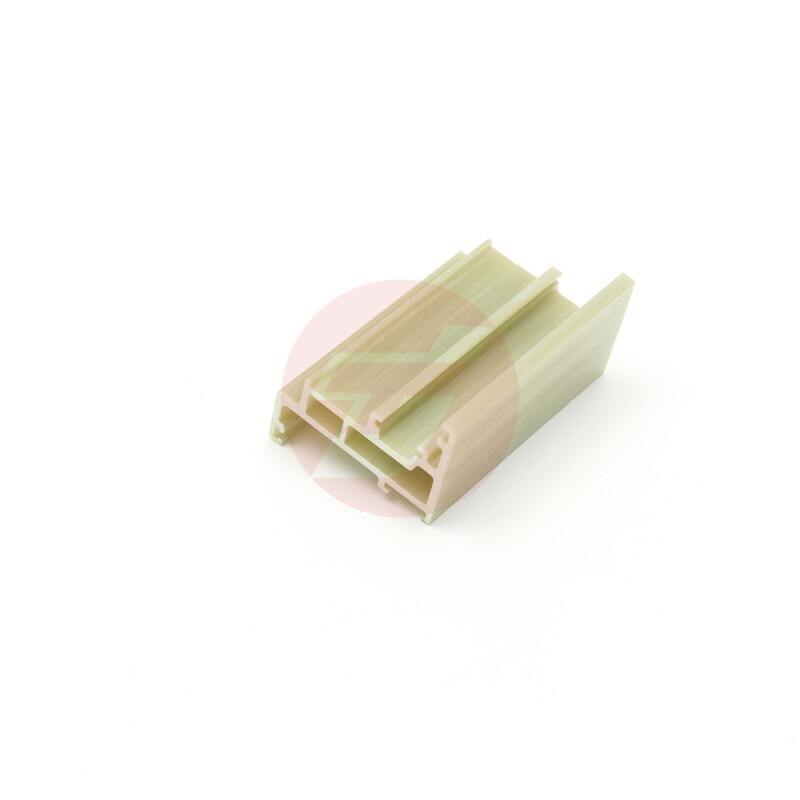
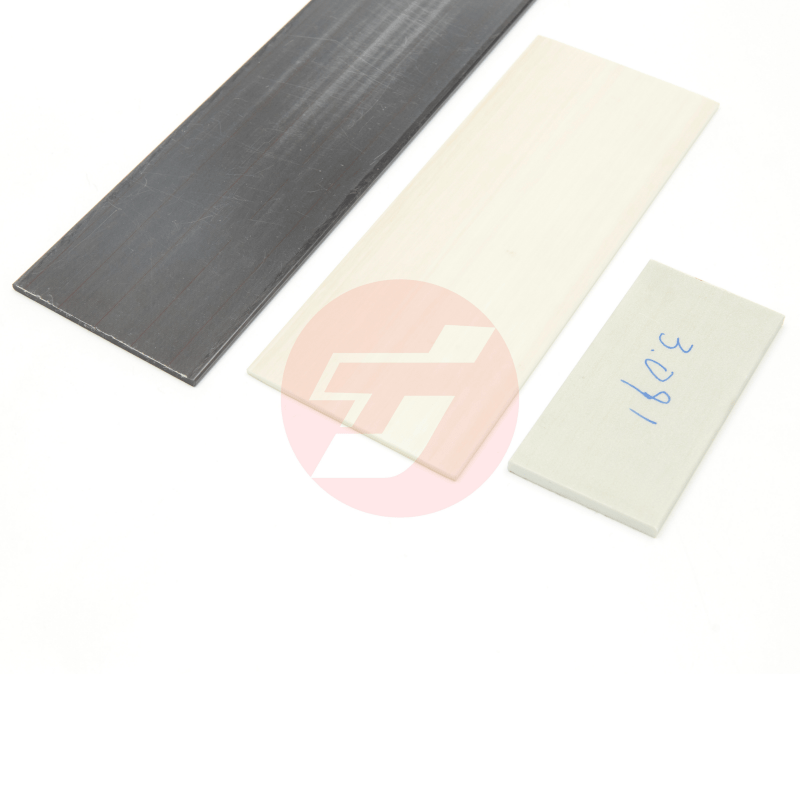
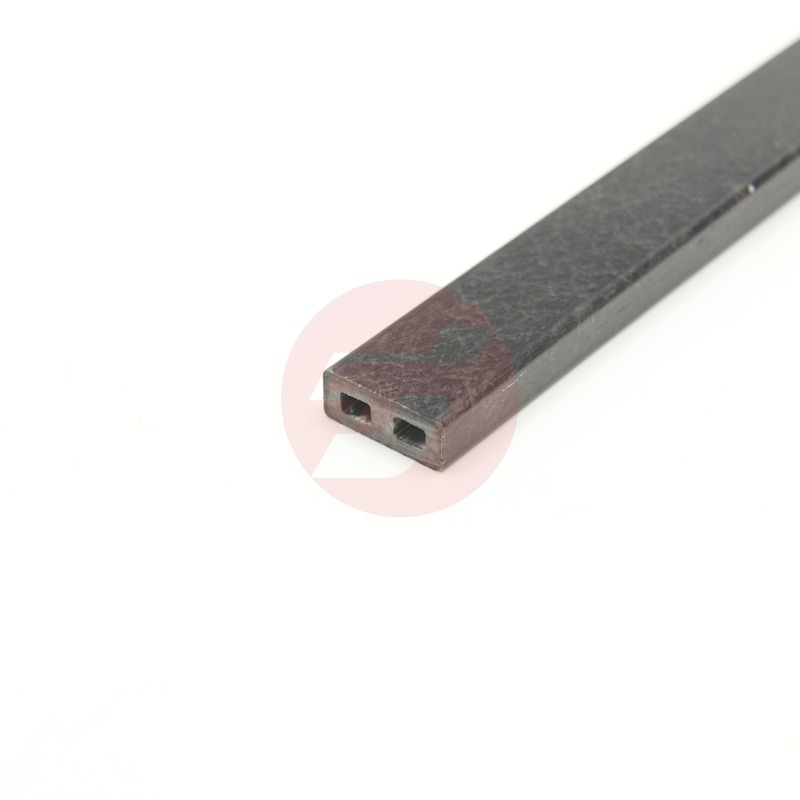
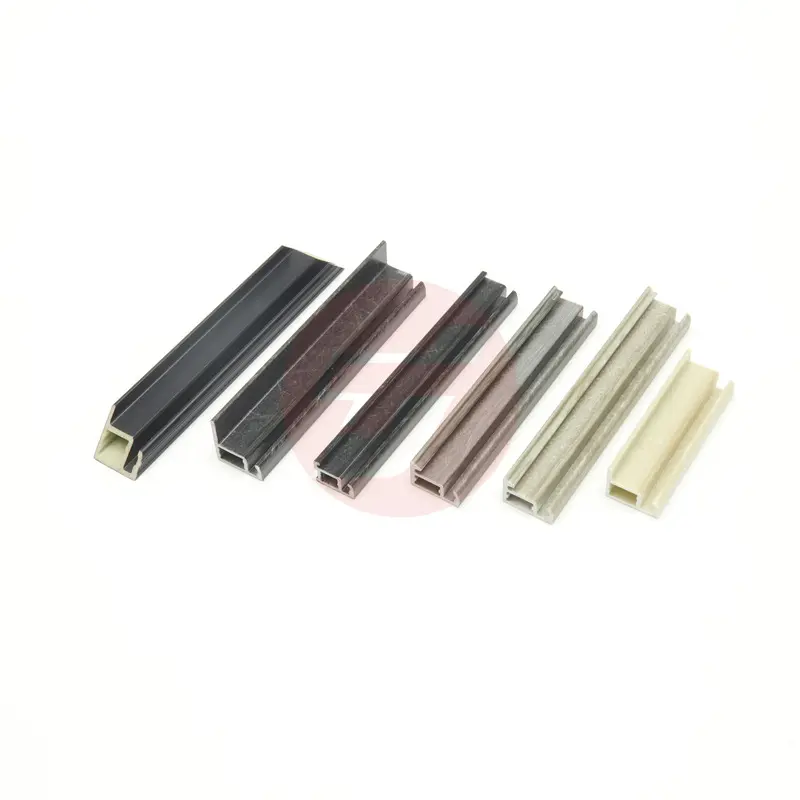
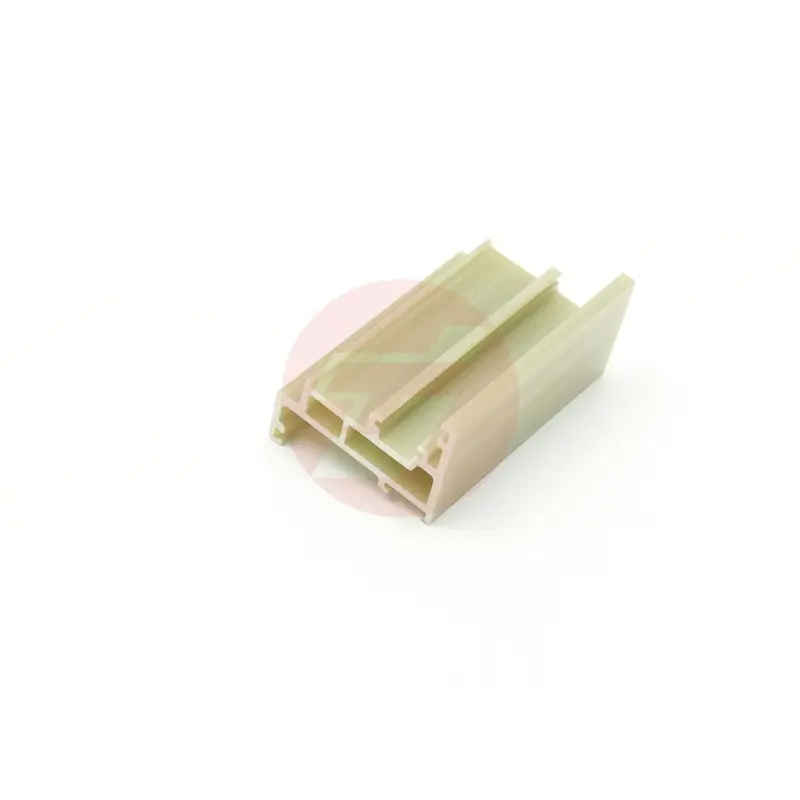
Carbon frame profiles represent a revolutionary advancement in structural engineering and manufacturing technology, offering exceptional strength-to-weight ratios that have transformed various industries. These sophisticated structural components are manufactured using high-grade carbon fiber materials woven into precise geometric configurations, creating profiles that deliver unmatched performance characteristics. Carbon frame profiles are engineered through advanced composite manufacturing processes that involve layering carbon fiber sheets in specific orientations to maximize structural integrity while minimizing overall weight. The primary functions of carbon frame profiles include providing structural support, load distribution, and dimensional stability in applications ranging from aerospace to automotive and construction sectors. These profiles excel in environments where traditional materials like steel or aluminum fall short, particularly where weight reduction is critical without compromising structural performance. The technological features of carbon frame profiles encompass superior tensile strength, excellent fatigue resistance, and remarkable durability under varying environmental conditions. Modern manufacturing techniques allow for customization of carbon frame profiles to meet specific dimensional requirements and performance parameters. The versatility of these profiles enables their integration into complex assemblies where precise tolerances and consistent performance are essential. Applications for carbon frame profiles span numerous industries including aerospace fuselages, automotive chassis components, marine vessel structures, and architectural frameworks. In motorsports, carbon frame profiles provide the backbone for high-performance vehicles where every gram matters for competitive advantage. The construction industry utilizes these profiles for creating lightweight yet robust structural elements that can withstand significant loads while reducing overall building weight. Medical equipment manufacturers incorporate carbon frame profiles into imaging systems and surgical devices where radiolucency and precision are paramount. The unique properties of carbon frame profiles make them ideal for applications requiring corrosion resistance, electromagnetic transparency, and thermal stability across wide temperature ranges.

New Product Releases

Carbon frame profiles deliver exceptional benefits that make them superior to conventional materials in numerous applications. The lightweight nature of carbon frame profiles reduces overall system weight by up to 60 percent compared to steel alternatives while maintaining equivalent or superior strength characteristics. This weight reduction translates directly into improved fuel efficiency in transportation applications and reduced foundation requirements in construction projects. The high strength-to-weight ratio of carbon frame profiles enables engineers to design more efficient structures with smaller cross-sections, creating opportunities for innovative architectural solutions and streamlined product designs. These profiles exhibit outstanding fatigue resistance, maintaining their structural integrity through millions of load cycles without degradation, which significantly extends service life and reduces maintenance requirements. The corrosion resistance of carbon frame profiles eliminates the need for protective coatings or regular maintenance treatments, resulting in lower lifecycle costs and improved reliability in harsh environments. Manufacturing precision achieved with carbon frame profiles ensures consistent dimensional accuracy and surface finish quality, reducing assembly time and improving overall system performance. The thermal stability of these profiles maintains structural properties across wide temperature ranges, making them suitable for applications exposed to extreme environmental conditions. Carbon frame profiles offer excellent vibration damping characteristics, reducing noise transmission and improving user comfort in various applications. The electromagnetic transparency of carbon materials allows radio frequency signals to pass through without interference, making carbon frame profiles ideal for antenna housings and communication equipment. Customization capabilities enable manufacturers to tailor carbon frame profiles to specific requirements, optimizing performance for unique applications while maintaining cost-effectiveness. The environmental benefits of carbon frame profiles include reduced energy consumption during transportation and extended product lifecycles that minimize waste generation. Design flexibility allows engineers to create complex geometries that would be impossible or cost-prohibitive with traditional materials, opening new possibilities for innovation and performance optimization.

Latest News

How Does Polyurethane Enhance Performance in Pultruded Components?

05

Jan

How Does Polyurethane Enhance Performance in Pultruded Components?

The construction and manufacturing industries are constantly seeking materials that deliver superior performance while maintaining cost-effectiveness. Polyurethane pultrusion has emerged as a revolutionary process that combines the excellent properti...
View More
Which Applications Benefit Most From Carbon Fiber Pultruded Components?

13

Feb

Which Applications Benefit Most From Carbon Fiber Pultruded Components?

Carbon fiber pultruded components have revolutionized manufacturing across numerous industries, offering exceptional strength-to-weight ratios and superior durability compared to traditional materials. These advanced composite structures are created ...
View More
How to Maintain Carbon Fiber Pultrusion Molds for Long-Term Stability?

13

Feb

How to Maintain Carbon Fiber Pultrusion Molds for Long-Term Stability?

Carbon fiber pultrusion molds represent one of the most critical components in manufacturing high-performance composite materials for industries ranging from aerospace to renewable energy. These precision-engineered tools require meticulous maintenan...
View More
Which Industries Rely Most on Glass Fiber Pultruded Profiles?

13

Feb

Which Industries Rely Most on Glass Fiber Pultruded Profiles?

Modern manufacturing across diverse industries increasingly depends on advanced composite materials that deliver exceptional strength, durability, and versatility. Glass fiber pultruded profiles have emerged as a cornerstone solution for applications...
View More

Get a Free Quote

A professional manufacturer of composite material molds.
Email
WhatsApp
Name
Company Name
Message
0/1000
Attachment
Please upload at least an attachment
Up to 3 files,more 30mb,suppor jpg、jpeg、png、pdf、doc、docx、xls、xlsx、csv、txt

carbon frame profiles

Unmatched Strength-to-Weight Performance

Unmatched Strength-to-Weight Performance

The exceptional strength-to-weight ratio of carbon frame profiles represents their most compelling advantage, delivering structural performance that far exceeds traditional materials while dramatically reducing overall system weight. This remarkable characteristic stems from the unique properties of carbon fiber, which exhibits tensile strength up to five times greater than steel while weighing approximately one-quarter as much. When engineered into frame profiles, these properties create structural components that can support substantial loads while maintaining minimal weight penalties. The importance of this strength-to-weight advantage cannot be overstated in industries where performance and efficiency are paramount. In aerospace applications, carbon frame profiles enable aircraft manufacturers to reduce fuselage weight by thousands of pounds, directly translating into improved fuel efficiency, extended range capabilities, and increased payload capacity. The automotive industry leverages these profiles to create lighter vehicle frames that enhance acceleration, braking performance, and fuel economy while maintaining crash safety standards. For construction applications, the reduced weight of carbon frame profiles minimizes foundation requirements and enables the creation of larger span structures without intermediate supports. The value proposition extends beyond mere weight savings, as the superior strength characteristics allow for more compact structural designs that maximize usable space while maintaining safety margins. Marine applications benefit significantly from the strength-to-weight advantages, as carbon frame profiles enable the construction of faster, more fuel-efficient vessels with improved stability and handling characteristics. The precision manufacturing of carbon frame profiles ensures consistent strength properties throughout the structure, eliminating weak points that could compromise overall performance. This reliability factor is crucial in critical applications where structural failure could have catastrophic consequences, making carbon frame profiles an investment in both performance and safety.
Superior Durability and Longevity

Superior Durability and Longevity

Carbon frame profiles demonstrate exceptional durability characteristics that significantly extend service life while reducing maintenance requirements and operational costs. Unlike metallic materials that suffer from corrosion, fatigue cracking, and dimensional instability over time, carbon frame profiles maintain their structural integrity and performance characteristics throughout extended service periods. The inherent corrosion resistance of carbon fiber materials eliminates the degradation issues commonly associated with steel and aluminum profiles in harsh environmental conditions. This corrosion immunity is particularly valuable in marine environments, chemical processing facilities, and outdoor applications where traditional materials require expensive protective treatments and regular maintenance cycles. The fatigue resistance of carbon frame profiles surpasses that of metals by significant margins, allowing these components to withstand millions of load cycles without developing stress concentrations or crack propagation. This superior fatigue performance is critical in applications such as aircraft structures, where repeated loading and unloading cycles occur throughout the operational lifetime. The dimensional stability of carbon frame profiles ensures that structural tolerances are maintained over time, preventing alignment issues and performance degradation that can occur with materials subject to creep or thermal expansion. Temperature stability represents another crucial durability advantage, as carbon frame profiles maintain their mechanical properties across wide temperature ranges without softening or becoming brittle. This thermal stability eliminates the need for thermal compensation mechanisms and ensures consistent performance in applications exposed to varying environmental conditions. The UV resistance of properly manufactured carbon frame profiles prevents degradation from solar exposure, making them suitable for outdoor applications without protective coatings. The long-term value proposition of carbon frame profiles becomes evident when considering the total cost of ownership, including reduced maintenance requirements, extended replacement intervals, and improved system reliability throughout the operational lifetime.
Advanced Manufacturing Precision and Customization

Advanced Manufacturing Precision and Customization

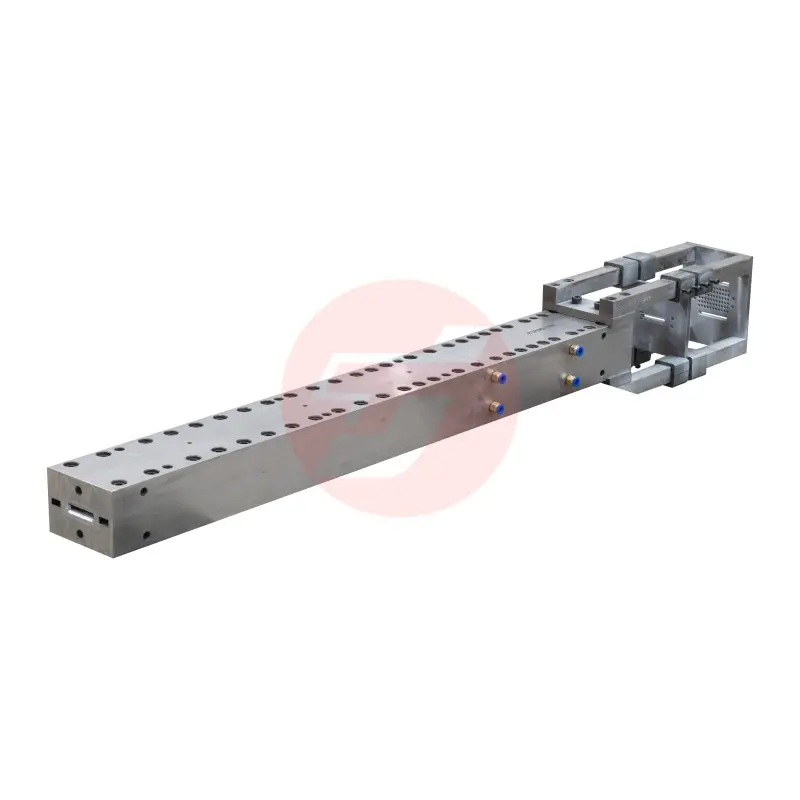
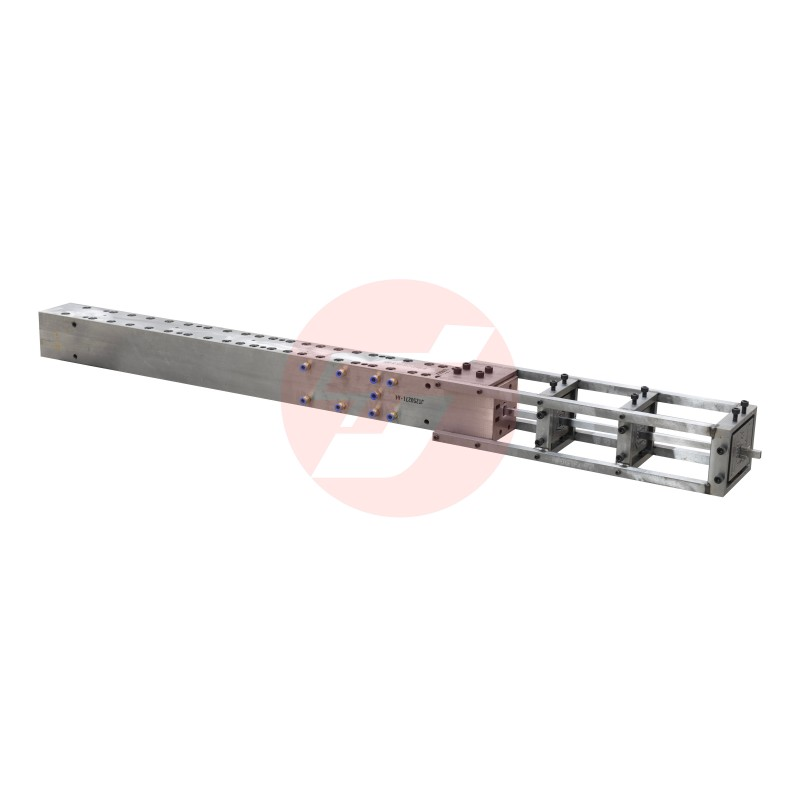
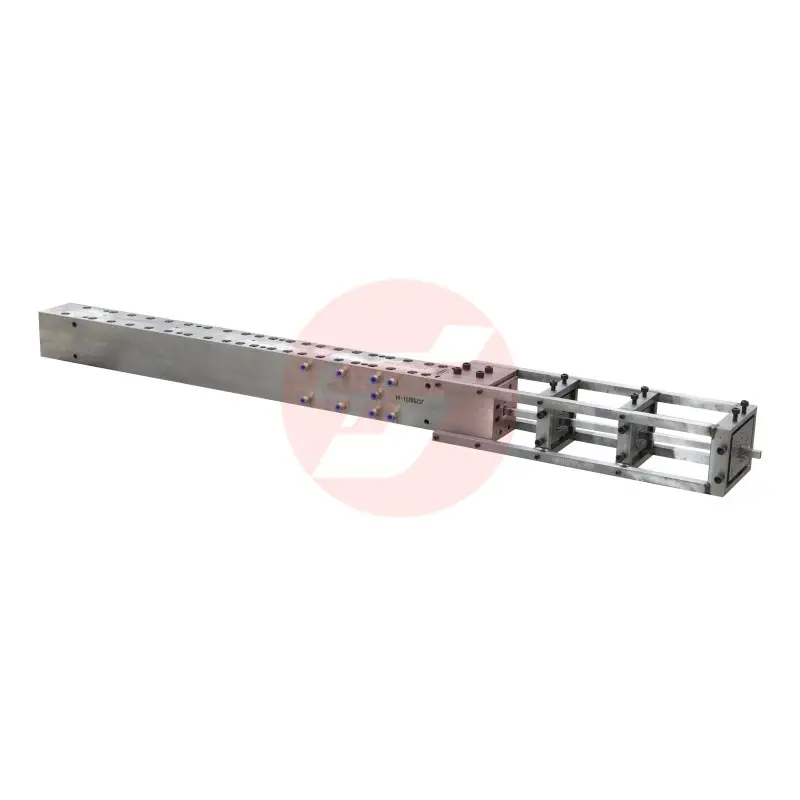
The manufacturing capabilities associated with carbon frame profiles enable unprecedented precision and customization options that meet the most demanding engineering requirements across diverse applications. Modern composite manufacturing techniques allow for the creation of carbon frame profiles with extremely tight dimensional tolerances, smooth surface finishes, and consistent material properties throughout the structure. This manufacturing precision eliminates many of the variability issues associated with traditional materials and enables the production of components that fit perfectly into complex assemblies without extensive machining or adjustment procedures. The customization capabilities of carbon frame profiles extend far beyond simple dimensional modifications, encompassing the ability to tailor material properties, structural characteristics, and performance parameters to specific application requirements. Engineers can optimize fiber orientations within carbon frame profiles to maximize strength in particular directions, creating components that are perfectly suited to their intended load conditions. The molding processes used to manufacture carbon frame profiles allow for the integration of complex geometries, internal channels, and mounting features that would be impossible to achieve with conventional materials and manufacturing methods. This design flexibility enables the creation of multifunctional components that consolidate multiple parts into single, integrated structures, reducing assembly complexity and improving overall system reliability. The surface quality achieved with carbon frame profiles eliminates the need for secondary finishing operations in many applications, reducing manufacturing costs and lead times while ensuring consistent appearance and performance characteristics. Quality control measures implemented during the manufacturing of carbon frame profiles include advanced inspection techniques that verify internal structure integrity, ensuring that each component meets specified performance requirements. The scalability of carbon frame profile manufacturing allows for efficient production of both prototype quantities and high-volume production runs, making this technology accessible for applications ranging from specialized aerospace components to consumer products. The environmental benefits of the manufacturing process include reduced waste generation and energy consumption compared to traditional metalworking operations, supporting sustainability initiatives while delivering superior product performance.

Get a Free Quote

A professional manufacturer of composite material molds.
Email
WhatsApp
Name
Company Name
Message
0/1000
Attachment
Please upload at least an attachment
Up to 3 files,more 30mb,suppor jpg、jpeg、png、pdf、doc、docx、xls、xlsx、csv、txt