High-Performance Fiberglass Profiles - Lightweight, Durable Composite Solutions for Industrial Applications

All Categories

Get a Free Quote

A professional manufacturer of composite material molds.
Email
WhatsApp
Name
Company Name
Message
0/1000
Attachment
Please upload at least an attachment
Up to 3 files,more 30mb,suppor jpg、jpeg、png、pdf、doc、docx、xls、xlsx、csv、txt

fiberglass profiles

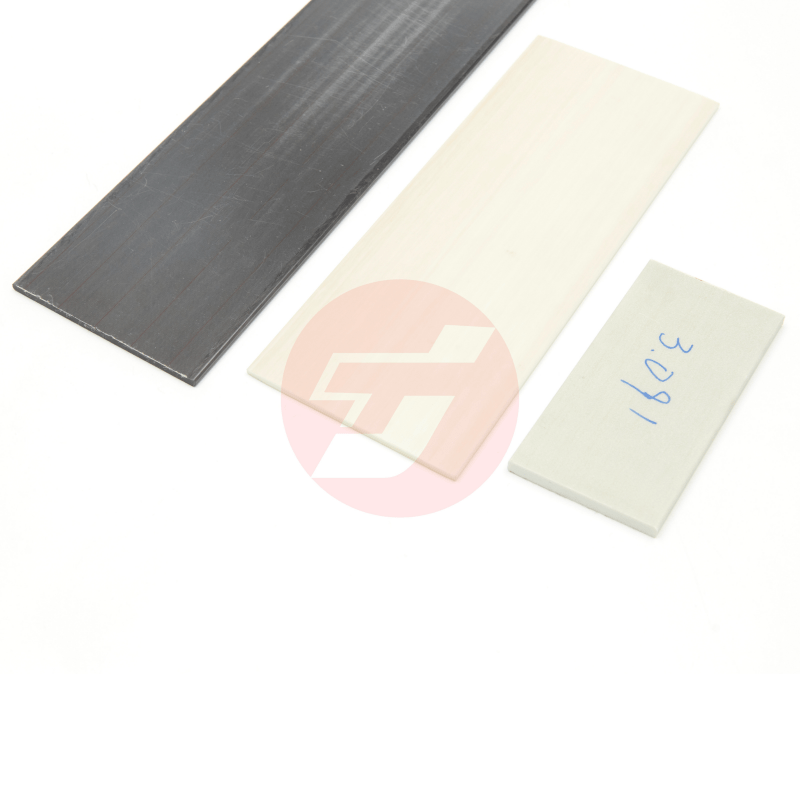
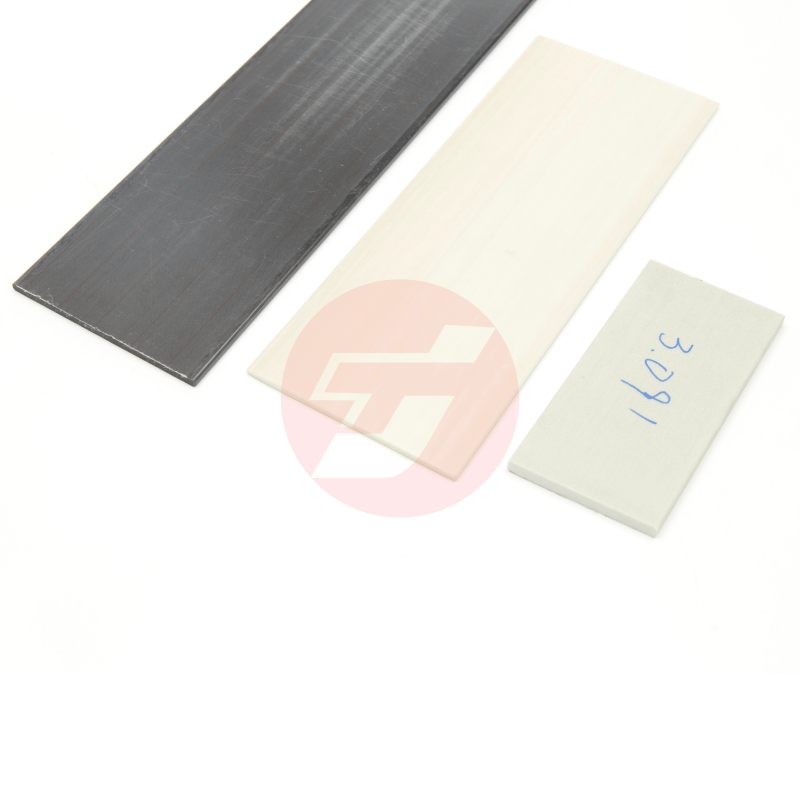
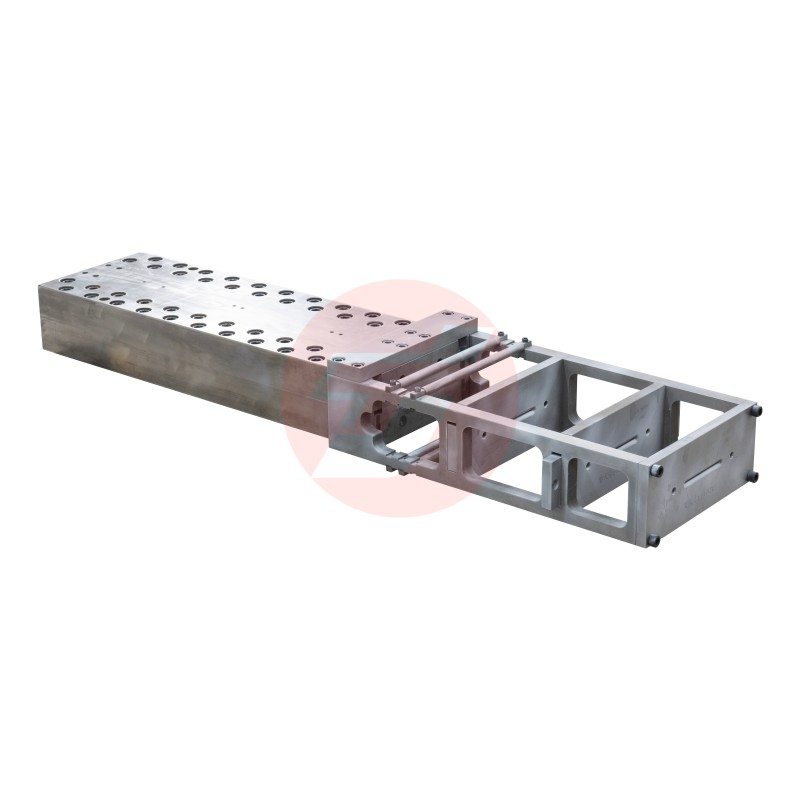
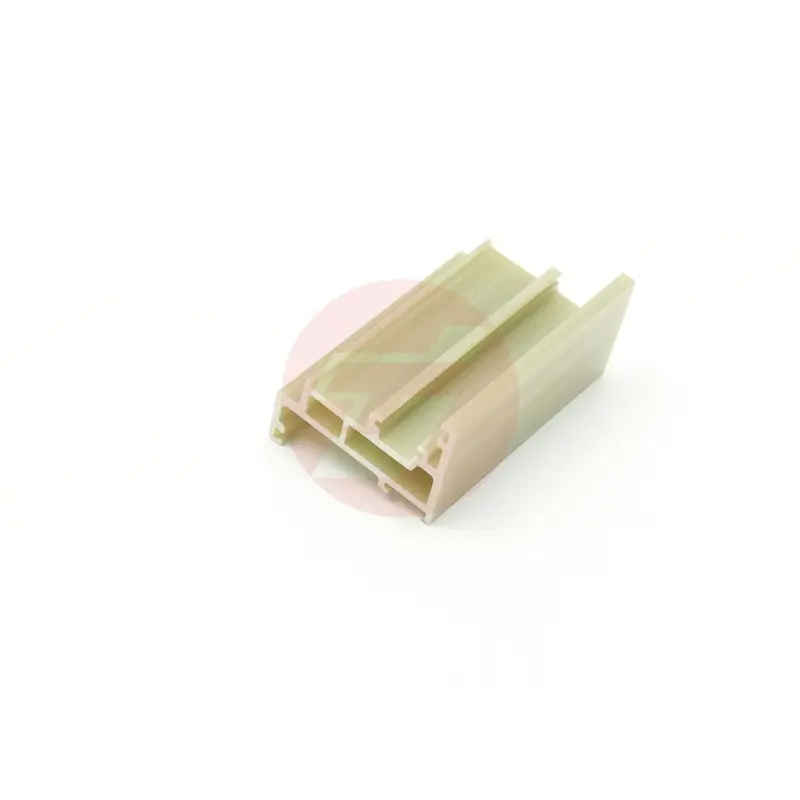
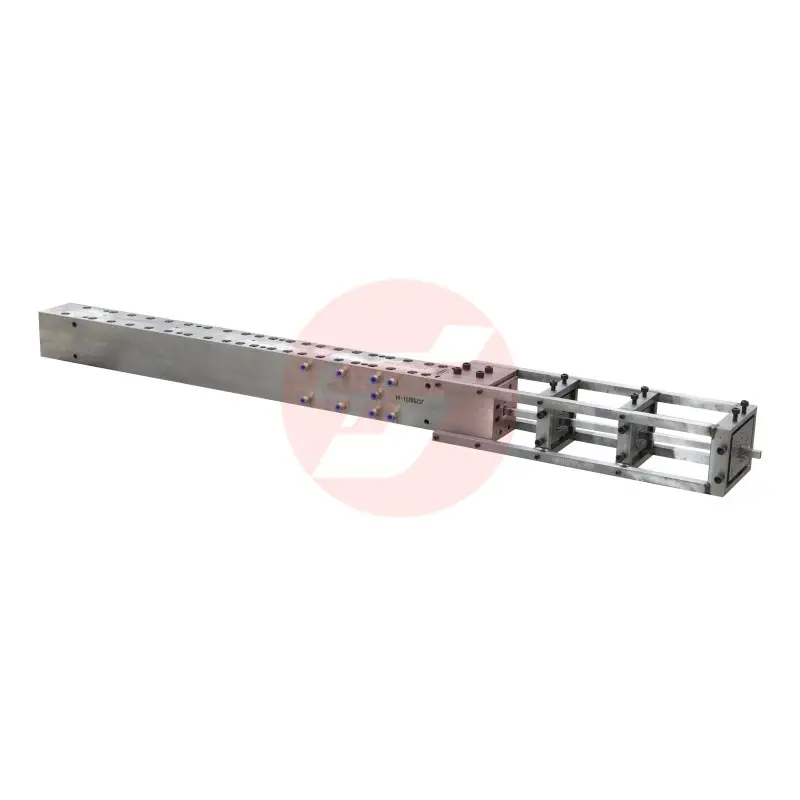
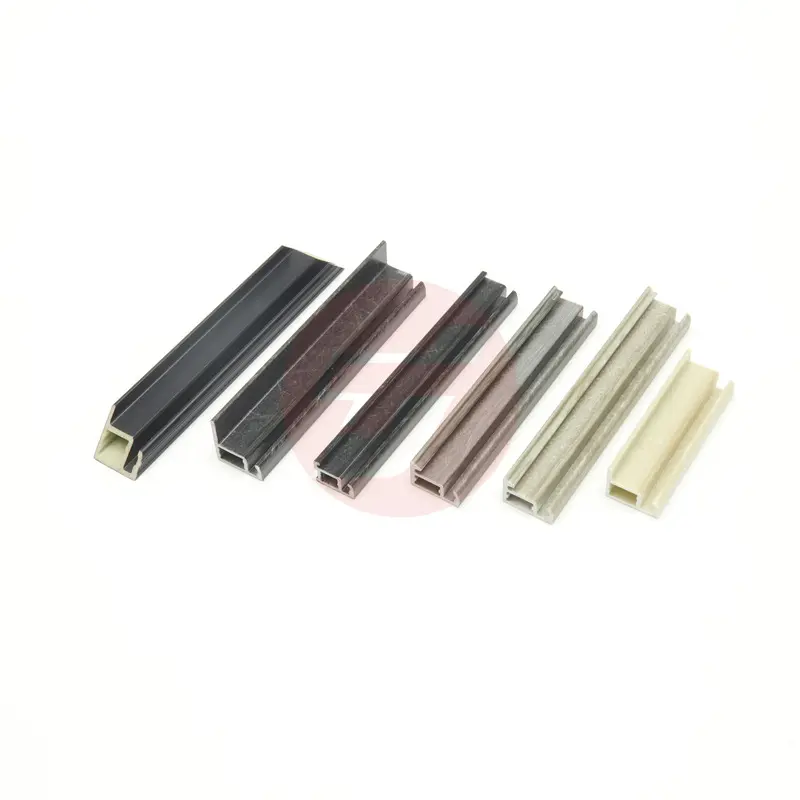
Fiberglass profiles represent a revolutionary advancement in composite material engineering, offering exceptional structural solutions across numerous industries. These engineered composite materials combine glass fiber reinforcement with polymer resin matrices to create lightweight yet incredibly strong structural components. The manufacturing process involves pultrusion, where continuous glass fibers are drawn through a resin bath and then shaped into specific cross-sectional profiles through heated dies. This technology produces fiberglass profiles with consistent dimensions and superior material properties that outperform traditional materials in many applications. The main functions of fiberglass profiles include providing structural support, electrical insulation, chemical resistance, and thermal stability in demanding environments. These profiles maintain their integrity under extreme conditions where metals would corrode and wood would deteriorate. Technological features encompass high strength-to-weight ratios, dimensional stability, and customizable properties through various resin systems and fiber orientations. The manufacturing process allows for precise control over wall thickness, internal reinforcement patterns, and surface finishes. Fiberglass profiles can be engineered with specific mechanical properties tailored to individual application requirements. Applications span across construction, transportation, marine, electrical, and chemical processing industries. In construction, these profiles serve as structural beams, window frames, and architectural elements that resist weathering and maintain appearance over decades. Transportation industries utilize fiberglass profiles for lightweight vehicle components, reducing fuel consumption while maintaining safety standards. Marine applications benefit from the corrosion resistance properties, making fiberglass profiles ideal for boat hulls, dock structures, and offshore platforms. The electrical industry relies on their excellent insulating properties for power transmission components and electronic enclosures. Chemical processing facilities use fiberglass profiles for equipment that contacts corrosive substances, where traditional materials would fail rapidly.

New Product Recommendations

Fiberglass profiles deliver exceptional value through their unique combination of strength, durability, and versatility that traditional materials cannot match. The primary advantage lies in their outstanding strength-to-weight ratio, providing structural integrity while reducing overall system weight by up to 75% compared to steel alternatives. This weight reduction translates into lower transportation costs, easier installation procedures, and reduced foundation requirements for structures. The corrosion resistance of fiberglass profiles eliminates the need for protective coatings, painting, or ongoing maintenance that metal alternatives require, resulting in significant long-term cost savings. These profiles maintain their properties in harsh chemical environments, saltwater exposure, and extreme weather conditions without degradation. Installation becomes faster and more cost-effective because fiberglass profiles are easier to handle, cut, and modify on-site using standard tools. The material does not conduct electricity, making fiberglass profiles inherently safe for electrical applications and eliminating the risk of electrical hazards in sensitive environments. Thermal properties provide excellent insulation characteristics while maintaining dimensional stability across wide temperature ranges, preventing expansion and contraction issues common with metal components. The manufacturing flexibility allows for custom shapes, colors, and surface textures to be incorporated directly into the production process, eliminating secondary operations and reducing overall project costs. Fiberglass profiles offer superior fatigue resistance, maintaining their structural properties under repeated loading cycles that would cause metal fatigue over time. The non-magnetic properties make these profiles ideal for applications requiring electromagnetic transparency or near sensitive electronic equipment. Environmental benefits include recyclability and reduced carbon footprint during production compared to steel manufacturing processes. The smooth, non-porous surface resists bacterial growth and simplifies cleaning procedures in food processing and medical applications. Long-term performance studies demonstrate that fiberglass profiles maintain their structural properties for decades without significant degradation, providing excellent return on investment through reduced replacement cycles and maintenance requirements.

Latest News

What Advantages Do Glass Fiber Pultruded Products Offer in Construction?

29

Dec

What Advantages Do Glass Fiber Pultruded Products Offer in Construction?

Construction professionals are increasingly turning to advanced composite materials to meet the demanding requirements of modern infrastructure projects. Among these innovative solutions, glass fiber pultruded products have emerged as a superior alte...
View More
How Does Polyurethane Enhance Performance in Pultruded Components?

05

Jan

How Does Polyurethane Enhance Performance in Pultruded Components?

The construction and manufacturing industries are constantly seeking materials that deliver superior performance while maintaining cost-effectiveness. Polyurethane pultrusion has emerged as a revolutionary process that combines the excellent properti...
View More
Why Do Wind Turbine OEMs Prefer High-Accuracy Carbon Fiber Beam Molds?

05

Jan

Why Do Wind Turbine OEMs Prefer High-Accuracy Carbon Fiber Beam Molds?

The wind energy sector has experienced unprecedented growth as global demand for renewable energy solutions continues to surge. Original Equipment Manufacturers (OEMs) in the wind turbine industry face increasing pressure to deliver high-performance,...
View More
How Do Carbon Fiber Pultruded Products Improve Structural Strength?

13

Feb

How Do Carbon Fiber Pultruded Products Improve Structural Strength?

Carbon fiber pultruded products represent a revolutionary advancement in structural engineering, offering exceptional strength-to-weight ratios that surpass traditional materials like steel and aluminum. These advanced composite materials are manufac...
View More

Get a Free Quote

A professional manufacturer of composite material molds.
Email
WhatsApp
Name
Company Name
Message
0/1000
Attachment
Please upload at least an attachment
Up to 3 files,more 30mb,suppor jpg、jpeg、png、pdf、doc、docx、xls、xlsx、csv、txt

fiberglass profiles

Superior Corrosion Resistance and Chemical Compatibility

Superior Corrosion Resistance and Chemical Compatibility

The exceptional corrosion resistance of fiberglass profiles represents one of their most valuable characteristics, particularly crucial for applications in aggressive chemical environments, marine settings, and industrial facilities. Unlike traditional steel or aluminum materials that require expensive protective coatings and regular maintenance to prevent oxidation and chemical attack, fiberglass profiles maintain their structural integrity and appearance indefinitely when exposed to corrosive substances. This resistance stems from the polymer resin matrix that encapsulates the glass fibers, creating a barrier that prevents moisture, chemicals, and corrosive agents from penetrating the material structure. The chemical compatibility extends to a wide range of acids, alkalis, solvents, and industrial chemicals that would rapidly degrade metal alternatives. In marine environments where saltwater exposure causes rapid deterioration of conventional materials, fiberglass profiles continue performing without surface degradation, pitting, or structural weakening that plague steel components. This corrosion immunity eliminates the ongoing costs associated with protective coating systems, sandblasting, repainting, and component replacement that burden facilities using traditional materials. Chemical processing plants benefit enormously from fiberglass profiles because they can directly contact process fluids without contamination concerns or material degradation. The non-reactive nature ensures product purity while eliminating the risk of metallic contamination that could compromise manufacturing processes. Wastewater treatment facilities rely on fiberglass profiles for structures that must withstand constant exposure to aggressive chemicals and varying pH conditions. The material stability in these environments translates into decades of maintenance-free service, reducing operational costs and minimizing system downtime. Food and pharmaceutical industries appreciate the chemical inertness that prevents flavor transfer, odor absorption, or chemical leaching that could compromise product quality. The smooth, non-porous surface resists bacterial growth and simplifies sanitization procedures required in these regulated industries. Offshore platforms and coastal infrastructure utilize fiberglass profiles specifically for their ability to withstand hurricane-force winds, saltwater spray, and temperature cycling without material degradation that would compromise structural safety.
Exceptional Strength-to-Weight Performance and Structural Efficiency

Exceptional Strength-to-Weight Performance and Structural Efficiency

The remarkable strength-to-weight characteristics of fiberglass profiles create unprecedented opportunities for structural design optimization and cost reduction across multiple engineering disciplines. These composite materials deliver tensile strength comparable to steel while weighing approximately 75% less, fundamentally changing how engineers approach structural design challenges. The high strength-to-weight ratio enables the creation of longer spans without intermediate supports, reducing material usage and construction complexity. This weight advantage translates into reduced foundation requirements, lower seismic loads on structures, and decreased transportation costs for prefabricated components. Construction projects benefit from faster installation times because workers can handle larger sections manually without heavy lifting equipment, reducing labor costs and project schedules. The structural efficiency becomes particularly valuable in applications where weight reduction directly impacts performance, such as automotive components, aerospace applications, and portable structures. Transportation industries achieve significant fuel savings through weight reduction while maintaining safety standards and structural performance requirements. Bridge applications demonstrate the advantage clearly, where fiberglass profiles enable rehabilitation of existing structures without exceeding original load capacities while providing enhanced durability. The fatigue resistance properties ensure that fiberglass profiles maintain their strength characteristics under repeated loading cycles that would cause premature failure in conventional materials. This durability translates into extended service life and reduced replacement costs over the structure lifecycle. The directional strength properties can be optimized during manufacturing to align with primary load paths, maximizing structural efficiency and material utilization. Modular construction benefits tremendously from the combination of light weight and high strength, enabling prefabrication of large assemblies that ship economically and install quickly. Seismic applications leverage the flexibility and strength combination to provide earthquake resistance while maintaining structural integrity during ground motion events. The predictable material properties enable precise engineering calculations and reliable structural performance over extended service periods, providing confidence in design solutions and long-term performance expectations.
Design Flexibility and Customization Capabilities

Design Flexibility and Customization Capabilities

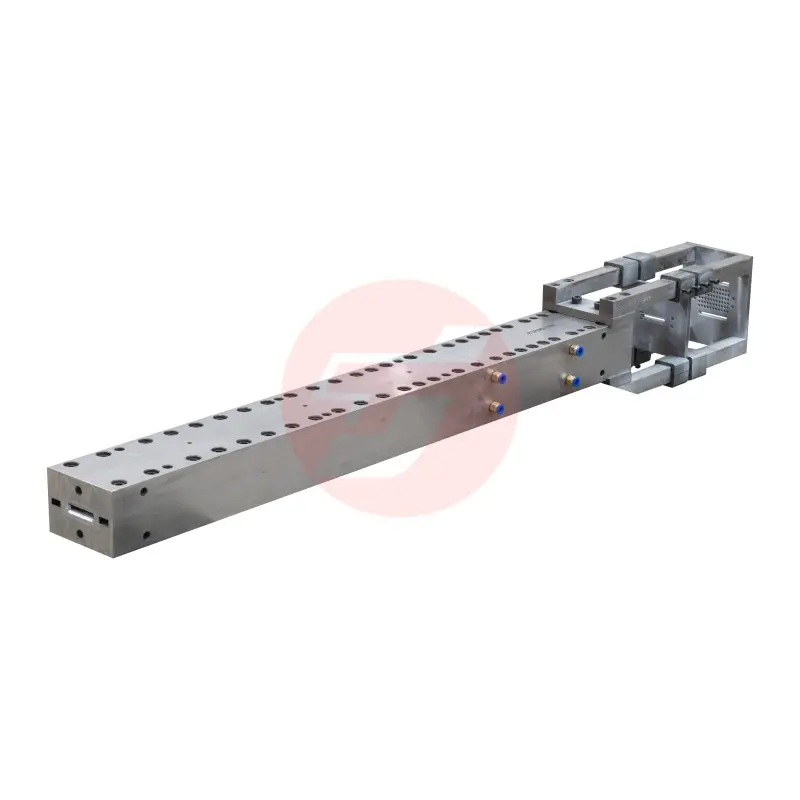
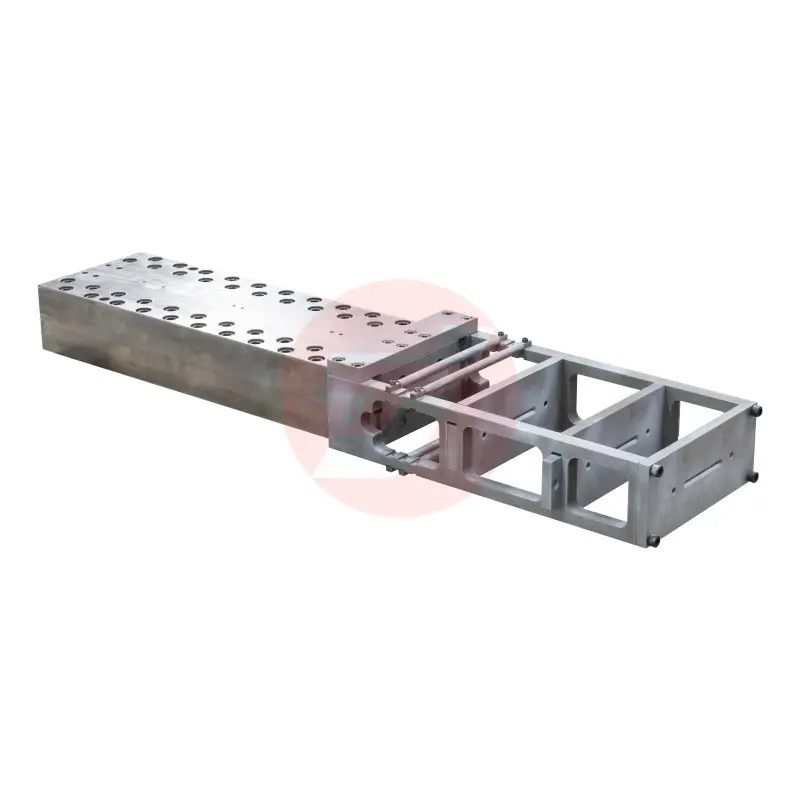
The manufacturing versatility of fiberglass profiles provides unparalleled design flexibility that enables engineers and architects to create customized solutions for specific application requirements without the constraints imposed by traditional material limitations. The pultrusion manufacturing process accommodates complex cross-sectional geometries, internal reinforcement patterns, and integrated features that would be impossible or prohibitively expensive to achieve with conventional materials. This design freedom allows for the incorporation of mounting tabs, drainage channels, wire management systems, and decorative elements directly into the profile structure during production. Color integration throughout the material eliminates the need for surface coatings or paint systems, ensuring consistent appearance that will not chip, fade, or require maintenance over the service life. Surface texture options range from smooth finishes for easy cleaning to textured surfaces for enhanced grip and slip resistance in pedestrian applications. The ability to vary wall thickness within a single profile optimizes material distribution for specific load requirements while minimizing weight and material costs. Multi-chamber designs create enhanced thermal insulation properties and increased structural efficiency compared to solid sections. The manufacturing process enables the integration of different resin systems within a single profile to provide varying chemical resistance, temperature tolerance, or mechanical properties where needed. Architects appreciate the design freedom to create unique aesthetic elements that combine structural function with architectural appeal. The tooling flexibility allows for economical production of custom shapes even in moderate quantities, making specialized solutions accessible for niche applications. Embedded reinforcement patterns can be tailored to specific load conditions, creating profiles optimized for bending, torsion, compression, or tension applications. The design flexibility extends to joining methods, with profiles manufactured to accommodate mechanical fasteners, adhesive bonding, or welding techniques depending on assembly requirements. Color-coding capabilities enable the integration of safety marking, identification systems, or aesthetic elements without secondary operations. The customization extends to length specifications, with profiles manufactured to exact project requirements, minimizing waste and reducing on-site cutting operations. This design flexibility transforms how engineers approach problem-solving, enabling solutions that optimize performance, reduce costs, and improve aesthetic appeal simultaneously.

Get a Free Quote

A professional manufacturer of composite material molds.
Email
WhatsApp
Name
Company Name
Message
0/1000
Attachment
Please upload at least an attachment
Up to 3 files,more 30mb,suppor jpg、jpeg、png、pdf、doc、docx、xls、xlsx、csv、txt