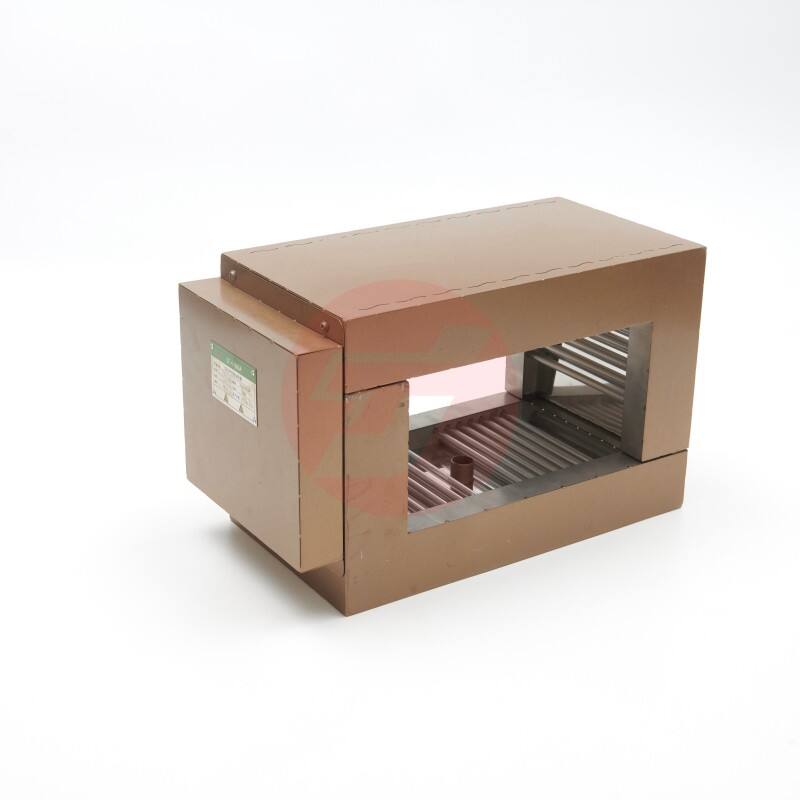
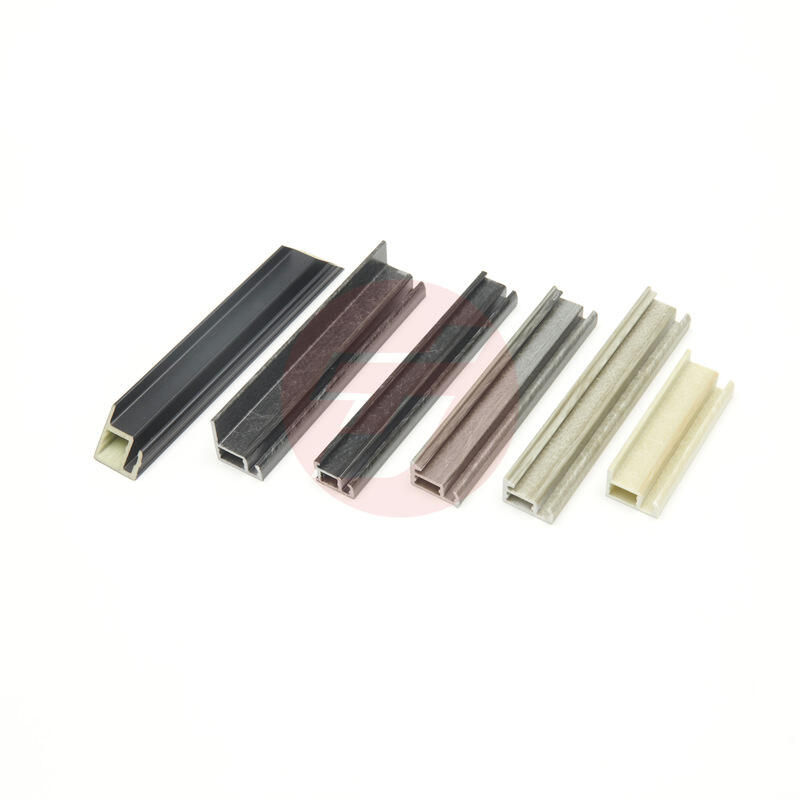
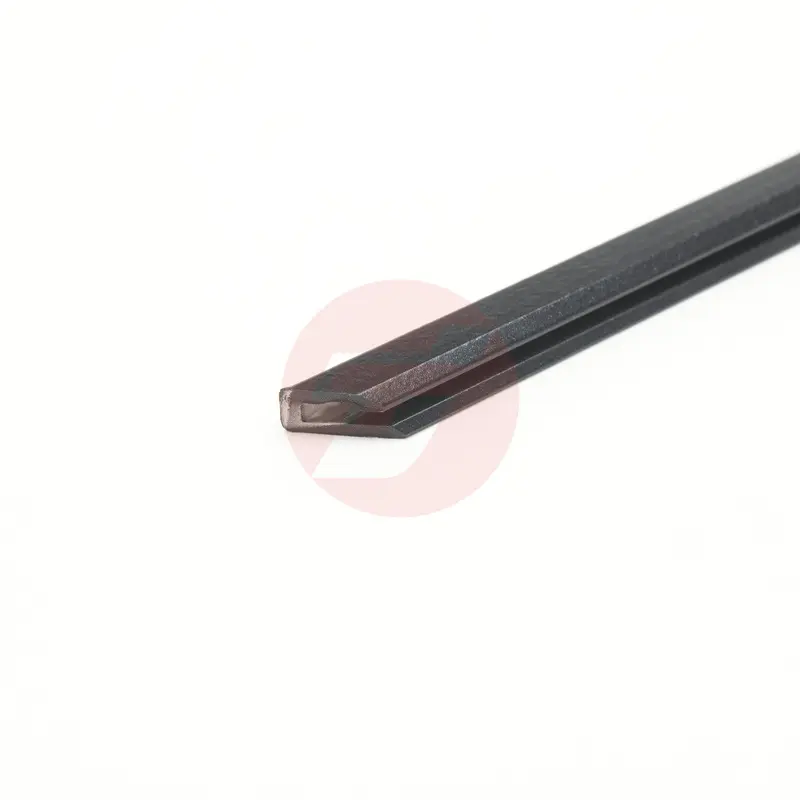
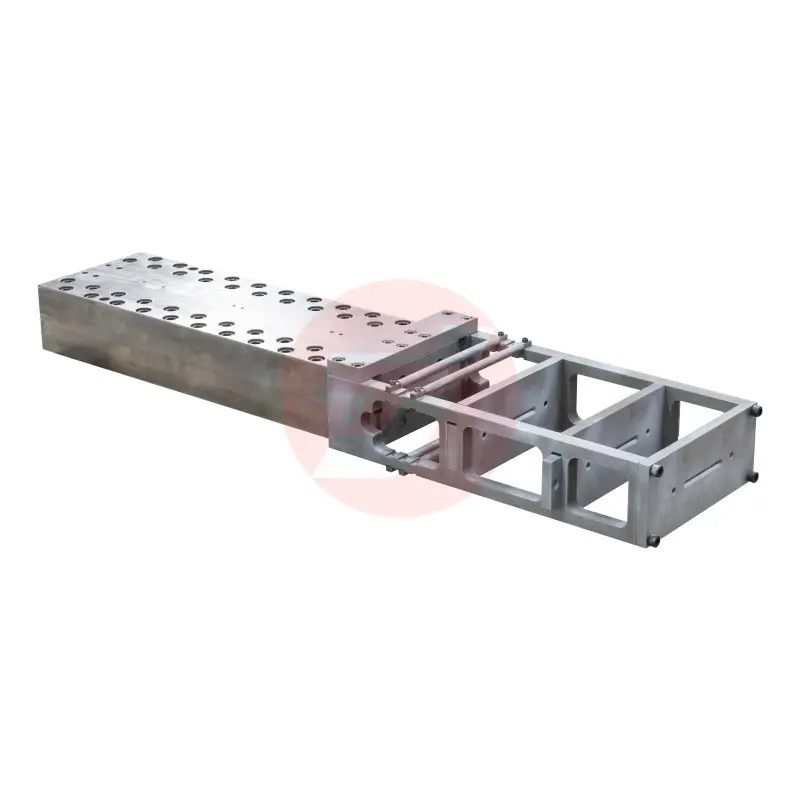
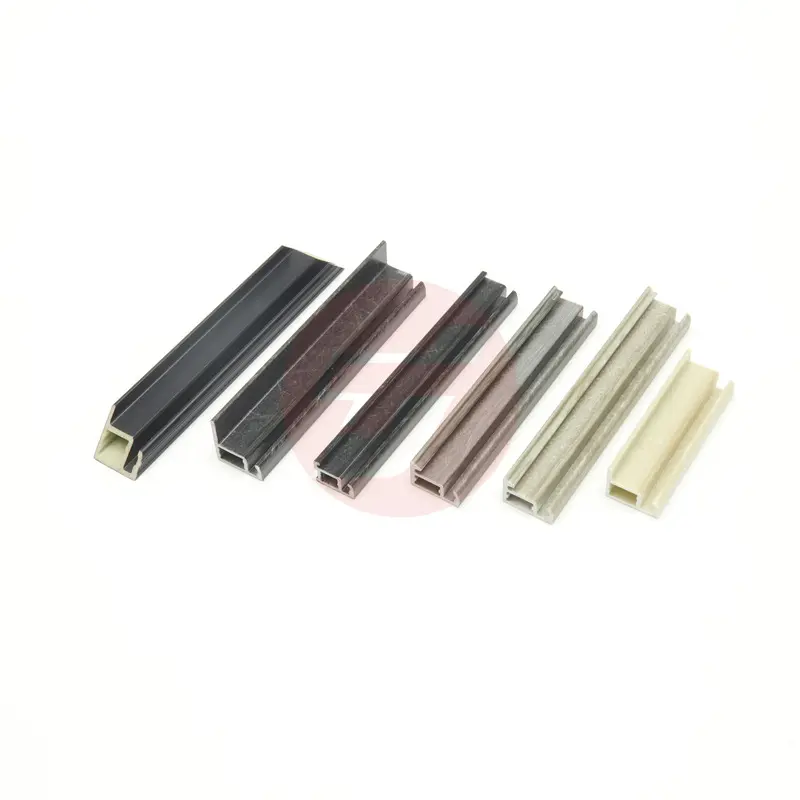
thermal resistant polyurethane pultrusion components
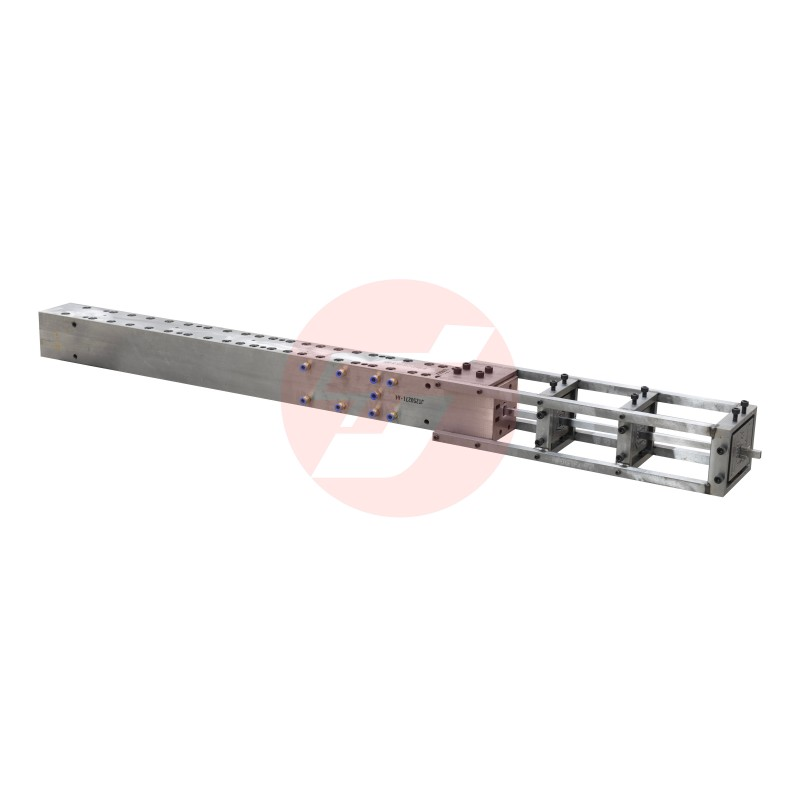
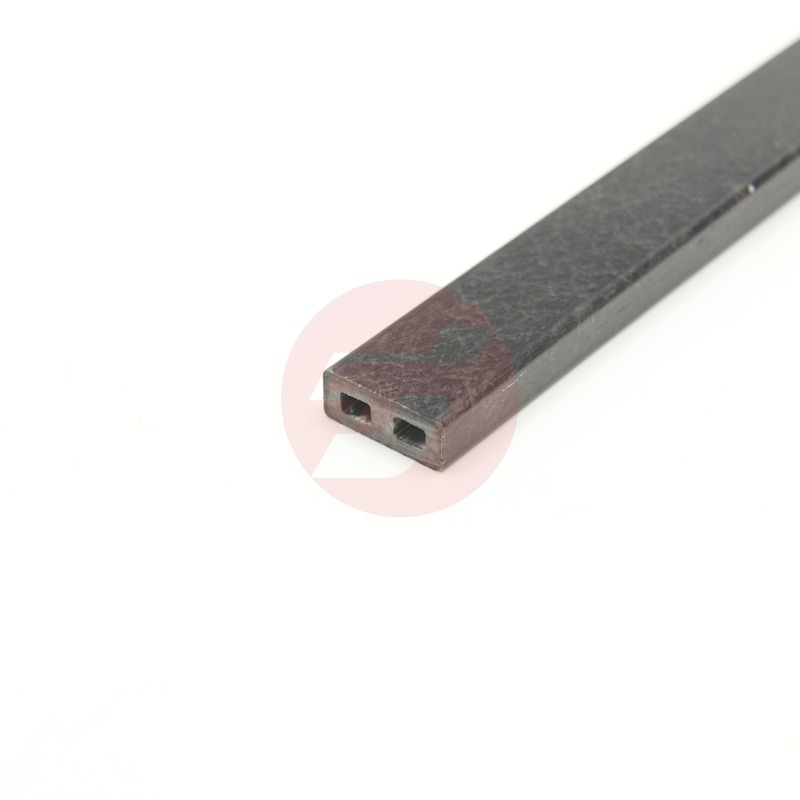
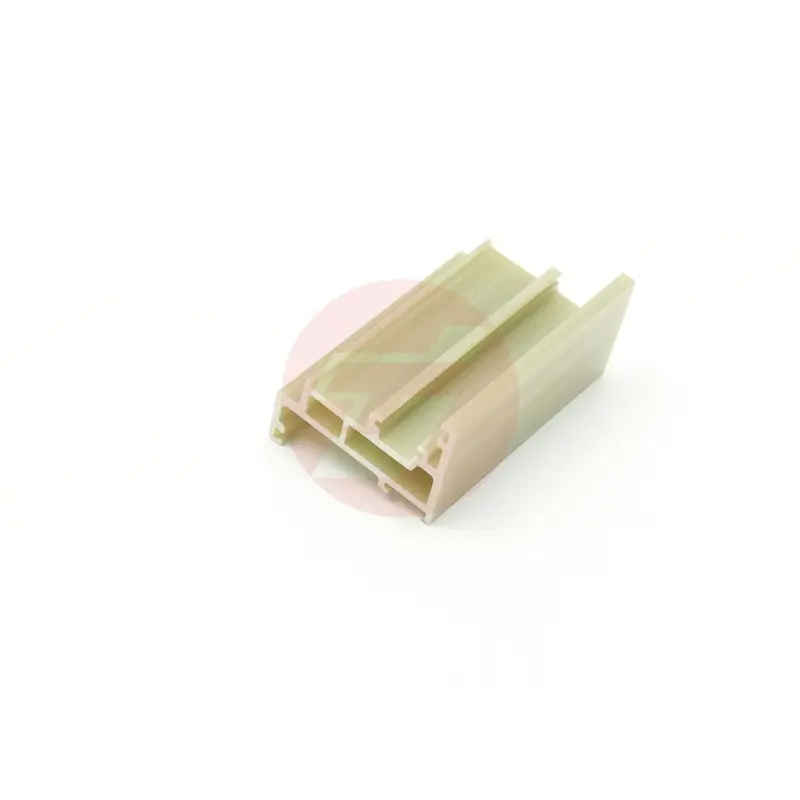
Thermal resistant polyurethane pultrusion components represent a cutting-edge advancement in composite manufacturing technology, combining the superior properties of polyurethane resin systems with the precision of pultrusion processing. These specialized components are engineered to withstand extreme temperature conditions while maintaining structural integrity and performance characteristics. The pultrusion process involves pulling continuous fibers through a heated die filled with polyurethane resin, creating components with consistent cross-sectional profiles and exceptional mechanical properties. The main functions of thermal resistant polyurethane pultrusion components include providing structural support in high-temperature environments, offering electrical insulation properties, and delivering chemical resistance across diverse industrial applications. These components excel in applications where traditional materials fail due to thermal degradation or mechanical stress. The technological features that distinguish thermal resistant polyurethane pultrusion components include advanced polymer chemistry that maintains stability at elevated temperatures, continuous fiber reinforcement that provides directional strength, and precise dimensional control achieved through the pultrusion manufacturing process. The resin formulation incorporates specialized additives and cross-linking agents that enhance thermal stability while preserving flexibility and impact resistance. Applications for thermal resistant polyurethane pultrusion components span multiple industries including automotive, aerospace, construction, and industrial manufacturing. In automotive applications, these components serve as structural elements in engine compartments and exhaust systems where temperature resistance is critical. The aerospace industry utilizes these components for interior panels and structural supports that must withstand temperature variations during flight operations. Construction applications include building facades, window frames, and structural elements that require both thermal performance and weather resistance. Industrial manufacturing employs these components in processing equipment, conveyor systems, and machinery housing where thermal cycling and chemical exposure are common challenges.

 EN
EN