composite mold for wind turbine main beam
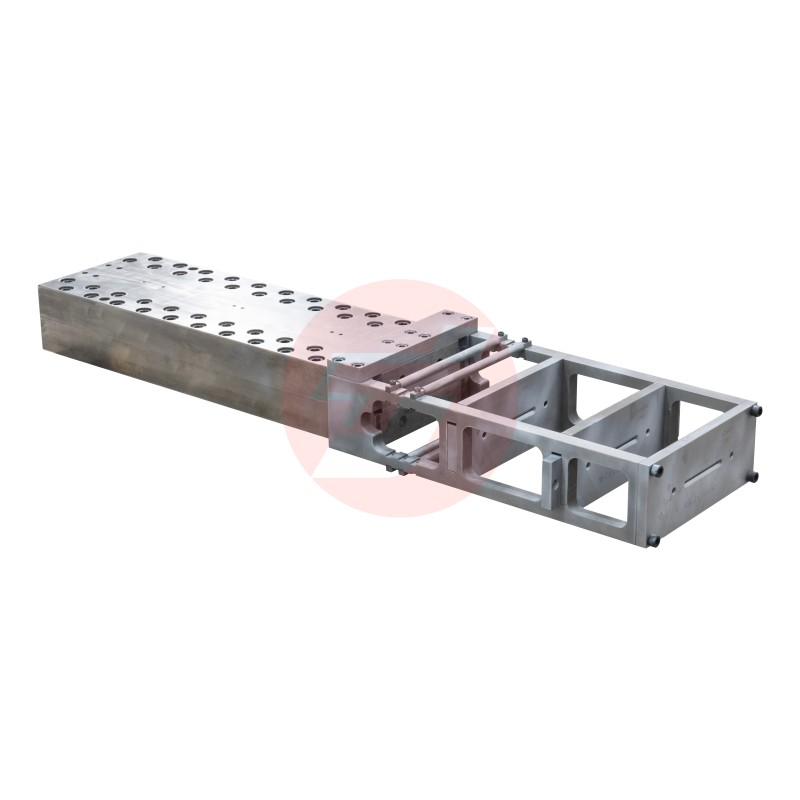
The composite mold for wind turbine main beam represents a revolutionary manufacturing solution that transforms how renewable energy infrastructure is produced. This specialized tooling system serves as the foundation for creating the primary structural components of wind turbine blades, which are critical elements in modern wind energy generation. The composite mold for wind turbine main beam utilizes advanced materials and precision engineering to shape fiber-reinforced polymer composites into the aerodynamic profiles required for optimal wind capture and energy conversion. These molds are specifically designed to handle the complex geometries and substantial dimensions of modern wind turbine blades, which can extend over 100 meters in length. The primary function of the composite mold for wind turbine main beam involves providing a stable, accurate surface against which composite materials are laid up and cured. This process requires maintaining precise dimensional tolerances while withstanding the thermal and mechanical stresses associated with composite curing cycles. The technological features of these molds include temperature-controlled surfaces, vacuum bagging capabilities, and modular construction that allows for easy transport and assembly at manufacturing facilities. Advanced composite mold for wind turbine main beam systems incorporate sophisticated heating elements that ensure uniform temperature distribution throughout the curing process, preventing defects and ensuring consistent material properties. The mold surface itself is typically constructed from materials that provide excellent dimensional stability and chemical resistance to the resins used in blade manufacturing. Applications of the composite mold for wind turbine main beam extend across various segments of the wind energy industry, from small residential turbines to massive offshore installations. These molds enable manufacturers to produce blades with consistent quality, improved aerodynamic performance, and enhanced structural integrity, directly contributing to increased energy output and reduced maintenance requirements for wind installations worldwide.

 EN
EN