Transportation Composite Profiles: Advanced Lightweight Solutions for Modern Vehicle Manufacturing

All Categories

Get a Free Quote

A professional manufacturer of composite material molds.
Email
WhatsApp
Name
Company Name
Message
0/1000
Attachment
Please upload at least an attachment
Up to 3 files,more 30mb,suppor jpg、jpeg、png、pdf、doc、docx、xls、xlsx、csv、txt

transportation composite profiles

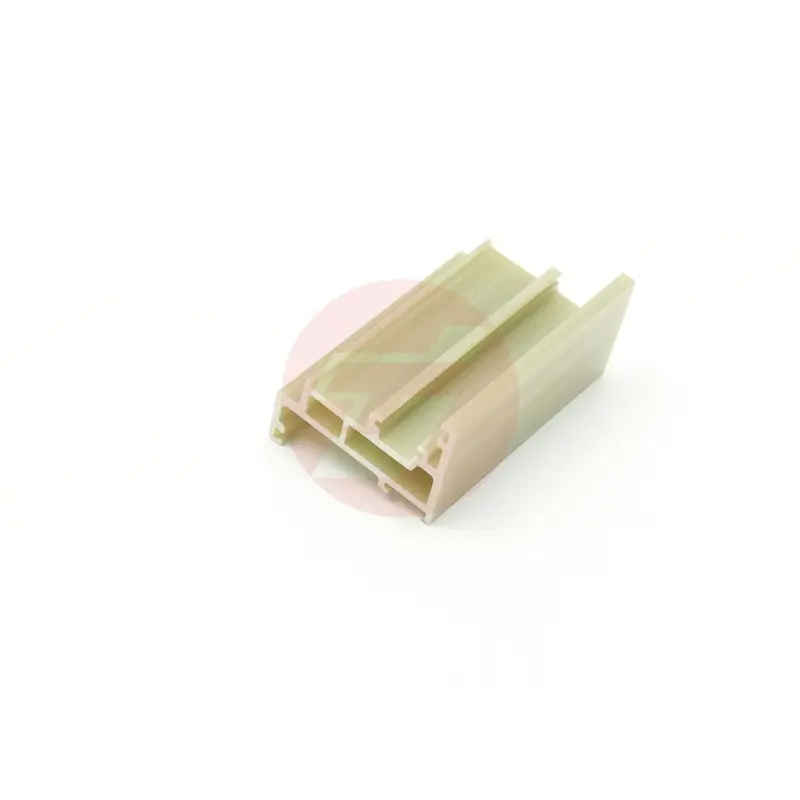
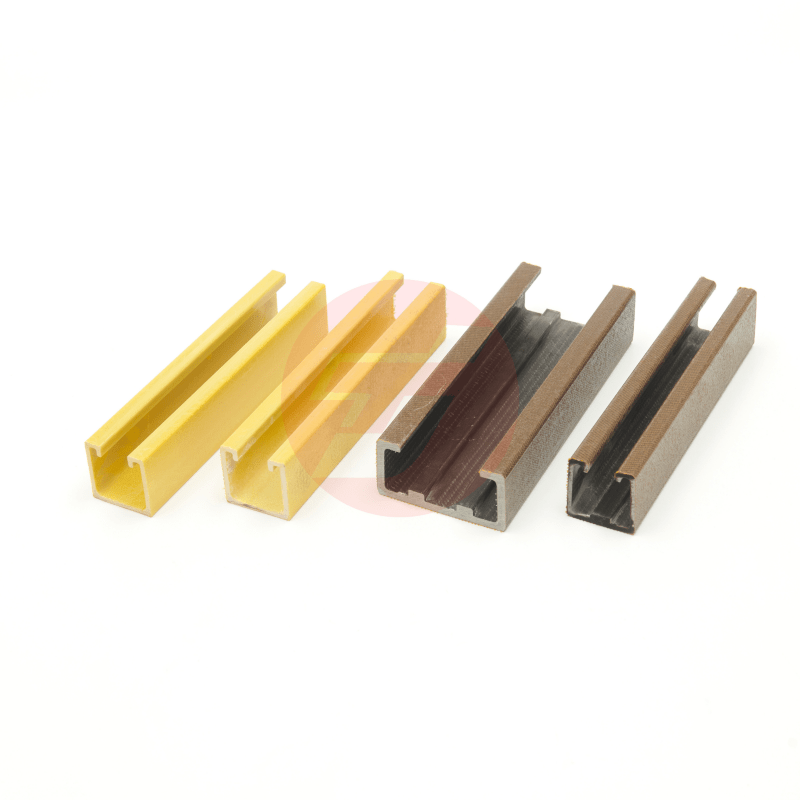
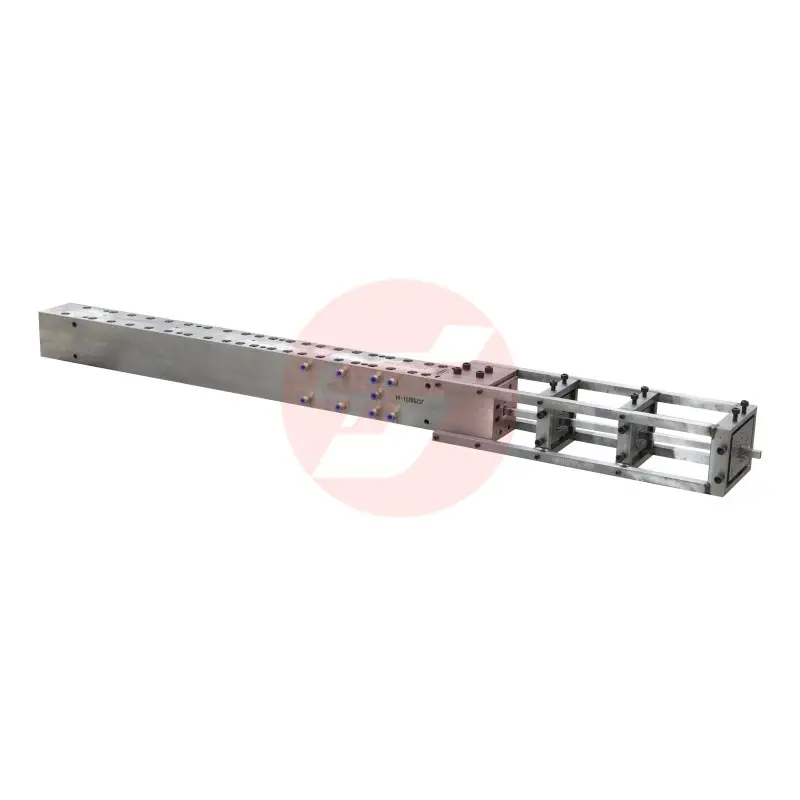
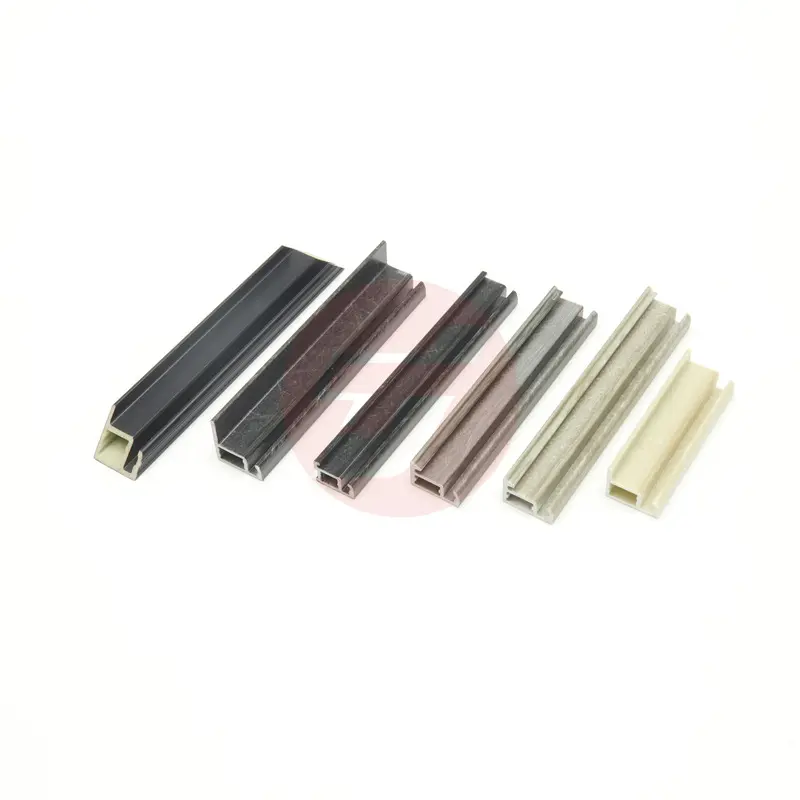
Transportation composite profiles represent a revolutionary advancement in modern vehicle manufacturing, offering engineers and designers unprecedented flexibility in creating lightweight yet durable structural components. These sophisticated materials combine multiple constituent materials, typically including carbon fiber, glass fiber, aramid fiber, or natural fibers embedded within polymer matrices such as epoxy, polyester, or thermoplastic resins. The resulting transportation composite profiles deliver exceptional strength-to-weight ratios that traditional materials simply cannot match. Manufacturing processes for these profiles include pultrusion, filament winding, resin transfer molding, and compression molding techniques, each optimized for specific geometric requirements and performance specifications. The main functions of transportation composite profiles encompass structural reinforcement, weight reduction, vibration dampening, and corrosion resistance across various vehicle platforms. These profiles serve critical roles in automotive chassis components, aircraft fuselage structures, railway car bodies, marine vessel hulls, and commercial truck frames. Technological features include customizable fiber orientations that optimize directional strength properties, integrated electrical conductivity for lightning strike protection in aerospace applications, and flame-retardant formulations meeting stringent safety regulations. Advanced manufacturing techniques enable complex cross-sectional geometries impossible with traditional metallic materials, including hollow sections, multi-chamber designs, and integrated mounting features. Transportation composite profiles excel in applications requiring dimensional stability across extreme temperature ranges, from arctic conditions to high-temperature engine compartments. Their non-magnetic properties prove essential in specialized vehicles requiring electromagnetic compatibility. The profiles demonstrate excellent fatigue resistance under cyclic loading conditions typical in transportation environments, maintaining structural integrity throughout extended service lives while reducing maintenance requirements compared to conventional materials.


New Product Releases

Transportation composite profiles deliver substantial weight savings compared to traditional steel or aluminum components, typically reducing mass by 40-60 percent while maintaining equivalent or superior structural performance. This weight reduction directly translates to improved fuel efficiency in automotive applications, extended flight range in aircraft, and increased payload capacity across all transportation modes. The corrosion resistance properties of these profiles eliminate the need for protective coatings and frequent maintenance schedules associated with metallic components, resulting in significant long-term cost savings for fleet operators. Unlike metals that suffer from galvanic corrosion and environmental degradation, transportation composite profiles maintain their structural properties throughout decades of service without requiring replacement due to material deterioration. The design flexibility offered by composite manufacturing processes allows engineers to create optimized geometries that distribute loads more effectively than traditional materials, enabling lighter structures without compromising safety margins. Transportation composite profiles absorb impact energy more effectively than metals, providing superior crash protection while maintaining structural integrity during collision events. The material damping properties reduce noise and vibration transmission, creating quieter passenger compartments and reducing driver fatigue during extended operations. Manufacturing versatility enables the integration of multiple functions into single components, such as combining structural support with electrical conduits or thermal management features, streamlining assembly processes and reducing part counts. The dimensional stability of transportation composite profiles under thermal cycling prevents the expansion and contraction issues common with metallic components, maintaining precise tolerances and reducing wear in moving assemblies. Production scalability allows manufacturers to adjust material properties and geometries for specific applications without retooling entire manufacturing lines, providing cost-effective customization for diverse transportation requirements. Environmental benefits include reduced material usage during manufacturing, lower energy consumption during vehicle operation due to weight savings, and recyclability options for end-of-life components, supporting sustainable transportation initiatives and meeting increasingly stringent environmental regulations.

Latest News

Why Are Epoxy Pultrusion Products Ideal for High-Strength Applications?

29

Dec

Why Are Epoxy Pultrusion Products Ideal for High-Strength Applications?

Epoxy pultrusion represents a revolutionary manufacturing process that combines the superior strength properties of epoxy resins with the continuous production capabilities of pultrusion technology. This advanced composite manufacturing method has tr...
View More
How Do Carbon Fiber Pultruded Products Improve Structural Strength?

13

Feb

How Do Carbon Fiber Pultruded Products Improve Structural Strength?

Carbon fiber pultruded products represent a revolutionary advancement in structural engineering, offering exceptional strength-to-weight ratios that surpass traditional materials like steel and aluminum. These advanced composite materials are manufac...
View More
What Factors Determine the Lifespan of Carbon Fiber Pultruded Products?

13

Feb

What Factors Determine the Lifespan of Carbon Fiber Pultruded Products?

Carbon fiber pultrusion represents one of the most advanced manufacturing processes for creating high-performance composite materials with exceptional strength-to-weight ratios. This innovative technique produces continuous fiber-reinforced profiles ...
View More
How to Maintain Carbon Fiber Pultrusion Molds for Long-Term Stability?

13

Feb

How to Maintain Carbon Fiber Pultrusion Molds for Long-Term Stability?

Carbon fiber pultrusion molds represent one of the most critical components in manufacturing high-performance composite materials for industries ranging from aerospace to renewable energy. These precision-engineered tools require meticulous maintenan...
View More

Get a Free Quote

A professional manufacturer of composite material molds.
Email
WhatsApp
Name
Company Name
Message
0/1000
Attachment
Please upload at least an attachment
Up to 3 files,more 30mb,suppor jpg、jpeg、png、pdf、doc、docx、xls、xlsx、csv、txt

transportation composite profiles

Superior Strength-to-Weight Performance

Superior Strength-to-Weight Performance

The exceptional strength-to-weight ratio of transportation composite profiles fundamentally transforms vehicle design possibilities, enabling engineers to achieve structural performance targets while dramatically reducing overall system weight. This advantage stems from the directional properties of reinforcing fibers, which can be precisely oriented to resist specific load paths and stress concentrations within the component geometry. Carbon fiber reinforced transportation composite profiles, for example, deliver tensile strengths exceeding 3500 MPa while maintaining densities approximately 75 percent lower than equivalent steel components. This performance characteristic proves particularly valuable in aerospace applications, where every gram of weight reduction translates to measurable fuel savings and increased operational range. Automotive manufacturers leverage these properties to meet increasingly stringent fuel economy standards while maintaining safety performance requirements through strategic placement of high-strength composite elements in critical load-bearing locations. The tailored fiber architectures possible with transportation composite profiles allow designers to optimize material placement exactly where needed, eliminating excess material in low-stress regions while reinforcing high-load areas with additional fiber content. Advanced manufacturing techniques such as automated fiber placement and resin transfer molding enable complex three-dimensional fiber orientations that follow principal stress directions, maximizing structural efficiency. Railway applications benefit from the vibration dampening properties inherent in composite materials, reducing track wear and improving passenger comfort while maintaining the structural integrity required for heavy-duty service. Marine transportation composite profiles resist the harsh saltwater environment that rapidly degrades metallic components, providing decades of reliable service without the maintenance burden associated with traditional materials. The fatigue resistance of properly designed transportation composite profiles exceeds that of metals under cyclic loading conditions, making them ideal for applications subject to repeated stress cycles such as aircraft wing components and automotive suspension elements.
Enhanced Durability and Corrosion Resistance

Enhanced Durability and Corrosion Resistance

Transportation composite profiles offer unparalleled resistance to environmental degradation, chemical attack, and galvanic corrosion that plague traditional metallic components throughout their operational lifespan. The polymer matrix systems used in these profiles create an impermeable barrier against moisture intrusion, salt spray, industrial chemicals, and atmospheric pollutants that cause rapid deterioration in steel and aluminum structures. This corrosion immunity eliminates the need for protective coatings, galvanizing treatments, or cathodic protection systems required by metallic alternatives, reducing both initial costs and ongoing maintenance expenses. Marine applications particularly benefit from this characteristic, as transportation composite profiles maintain their structural properties indefinitely when exposed to saltwater environments that destroy conventional materials within years. The UV resistance of modern composite formulations prevents degradation from solar radiation, maintaining color stability and mechanical properties throughout extended outdoor exposure without requiring periodic refinishing or replacement. Chemical resistance properties make transportation composite profiles ideal for vehicles operating in aggressive industrial environments, including chemical processing facilities, mining operations, and waste management applications where metallic components suffer rapid attack from corrosive substances. The dimensional stability of these profiles under thermal cycling prevents the stress concentrations and fatigue failures common in metal joints subjected to repeated expansion and contraction cycles. Lightning strike protection capabilities integrated into aerospace transportation composite profiles through conductive surface layers or embedded copper mesh provide electrical conductivity without compromising structural performance, meeting aviation safety requirements while maintaining weight advantages. The non-magnetic properties of transportation composite profiles eliminate electromagnetic interference issues in sensitive electronic systems, making them essential for military vehicles and scientific instrumentation platforms. Biological resistance prevents bacterial and fungal growth that can degrade organic materials, ensuring consistent performance in humid tropical environments where traditional materials suffer from microbiological attack.
Design Flexibility and Manufacturing Efficiency

Design Flexibility and Manufacturing Efficiency

The manufacturing versatility of transportation composite profiles enables unprecedented design freedom, allowing engineers to create complex geometries and integrated functionalities impossible with conventional materials and production methods. Pultrusion processes can produce continuous profiles with intricate cross-sectional shapes, incorporating hollow sections, reinforcement ribs, and mounting features within a single manufacturing operation, eliminating the need for secondary machining or assembly processes. This design flexibility extends to the creation of variable cross-sections along profile length, enabling optimized material distribution that places reinforcement exactly where structural loads demand maximum strength while reducing material usage in lower-stress regions. Transportation composite profiles can integrate multiple functions within single components, such as combining structural support with electrical conduits, fluid passages, or thermal management features, dramatically simplifying vehicle assembly and reducing part counts. The moldability of composite materials during manufacturing allows for the creation of complex curved profiles that follow vehicle contours precisely, eliminating the need for multiple straight sections and complex joining methods required with rigid metallic materials. Co-molding capabilities enable the integration of metallic inserts, electrical components, and mounting hardware directly into transportation composite profiles during manufacturing, creating hybrid assemblies that combine the advantages of different materials while streamlining production processes. Rapid prototyping techniques using composite materials allow manufacturers to validate designs quickly and cost-effectively before committing to high-volume production tooling, reducing development timelines and minimizing financial risks associated with new product introductions. The scalability of composite manufacturing processes enables economical production of both high-volume automotive components and low-volume aerospace applications using similar base technologies, providing flexibility to serve diverse market segments. Automated manufacturing systems for transportation composite profiles reduce labor costs while ensuring consistent quality and dimensional accuracy, making these advanced materials cost-competitive with traditional alternatives when lifecycle costs are considered. The ability to embed sensors, heating elements, or other smart technologies directly into transportation composite profiles during manufacturing creates intelligent structures capable of self-monitoring and adaptive response to changing operational conditions.

Get a Free Quote

A professional manufacturer of composite material molds.
Email
WhatsApp
Name
Company Name
Message
0/1000
Attachment
Please upload at least an attachment
Up to 3 files,more 30mb,suppor jpg、jpeg、png、pdf、doc、docx、xls、xlsx、csv、txt