shipbuilding composites
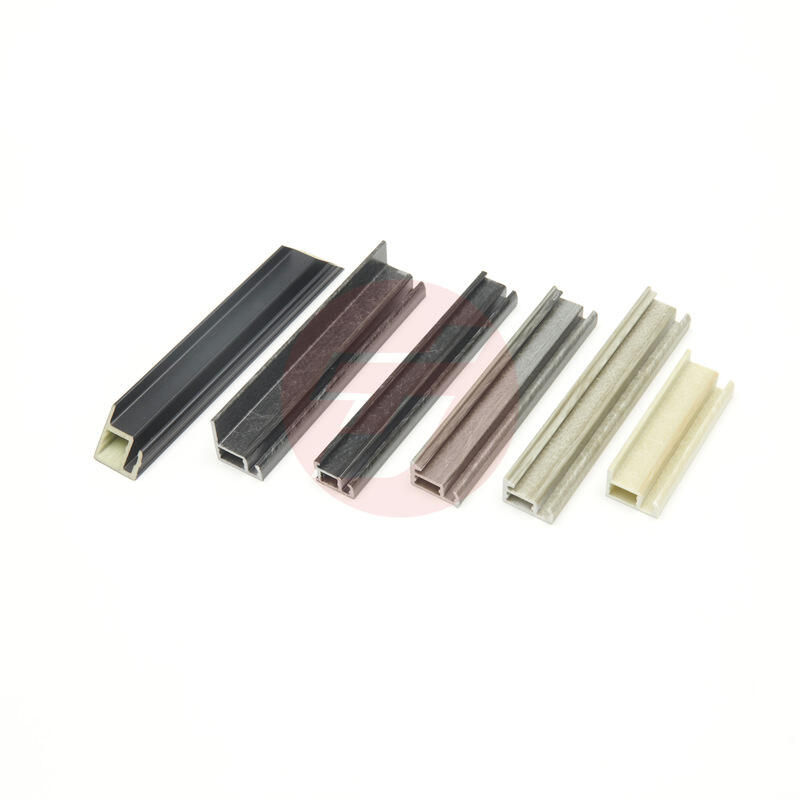
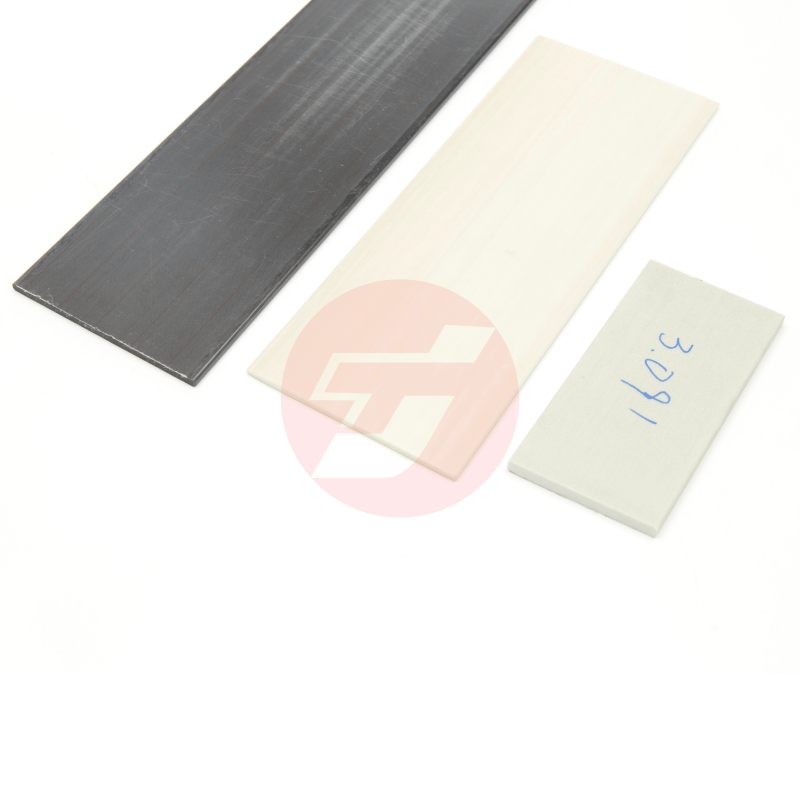
Shipbuilding composites represent a revolutionary advancement in marine vessel construction, fundamentally transforming how modern ships are designed and built. These advanced materials combine multiple components to create structures that significantly outperform traditional materials like steel and aluminum. The main functions of shipbuilding composites include providing exceptional structural integrity while maintaining reduced weight, offering superior corrosion resistance in harsh marine environments, and delivering enhanced durability throughout a vessel's operational lifetime. Technological features of shipbuilding composites encompass sophisticated fiber reinforcement systems, typically utilizing glass, carbon, or aramid fibers embedded within polymer matrices such as epoxy, vinyl ester, or polyester resins. This combination creates materials with exceptional strength-to-weight ratios that can withstand the demanding conditions of maritime operations. The manufacturing process involves advanced techniques including resin transfer molding, vacuum-assisted resin infusion, and hand lay-up methods, allowing for precise control over material properties and structural characteristics. Applications of shipbuilding composites span across various vessel types, from luxury yachts and recreational boats to commercial fishing vessels, naval patrol boats, and specialized maritime equipment. These materials are particularly valuable in constructing hulls, superstructures, masts, and interior components where weight reduction and corrosion resistance are critical factors. The versatility of shipbuilding composites enables manufacturers to create complex geometries and integrated structural elements that would be challenging or impossible with conventional materials. Additionally, these composites offer excellent design flexibility, allowing naval architects to optimize vessel performance through innovative structural solutions that enhance speed, fuel efficiency, and overall operational capabilities while maintaining the highest safety standards required in marine environments.

 EN
EN