Industrial Profile Production: Advanced Manufacturing Solutions for Custom Structural Components

All Categories

Get a Free Quote

A professional manufacturer of composite material molds.
Email
WhatsApp
Name
Company Name
Message
0/1000
Attachment
Please upload at least an attachment
Up to 3 files,more 30mb,suppor jpg、jpeg、png、pdf、doc、docx、xls、xlsx、csv、txt

industrial profile production

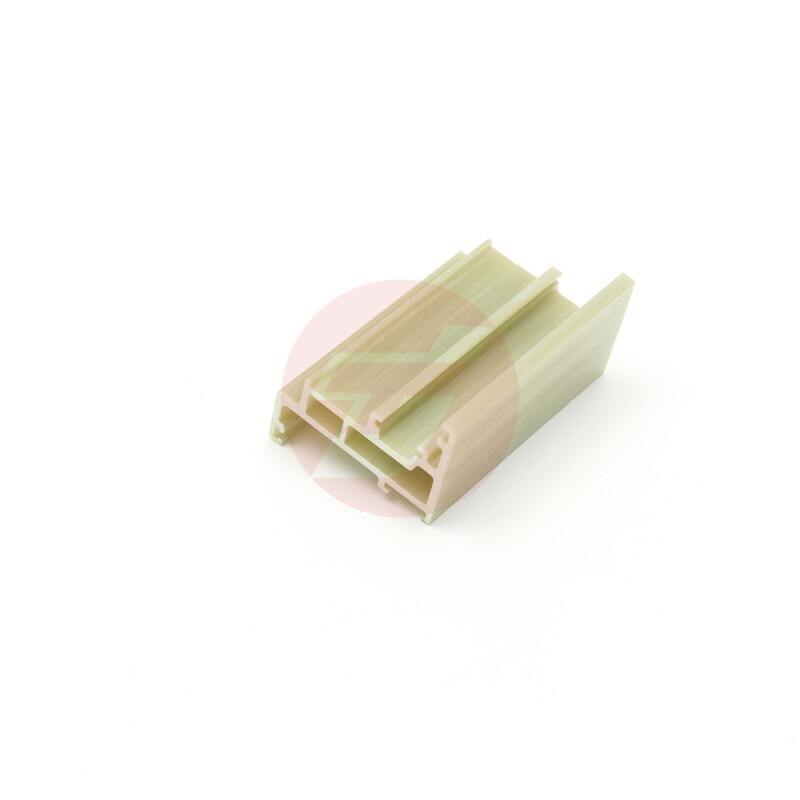
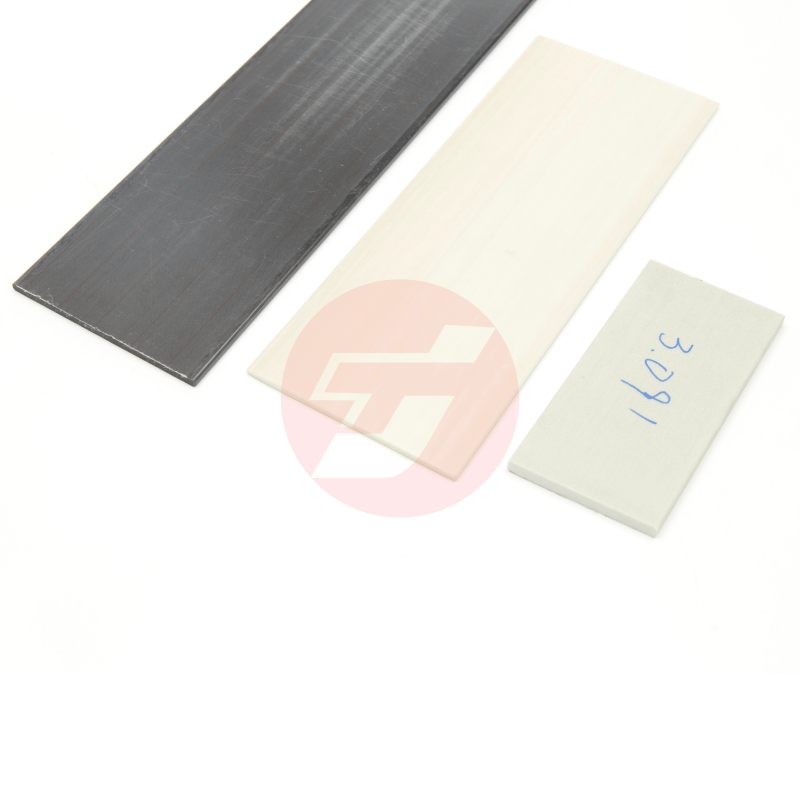
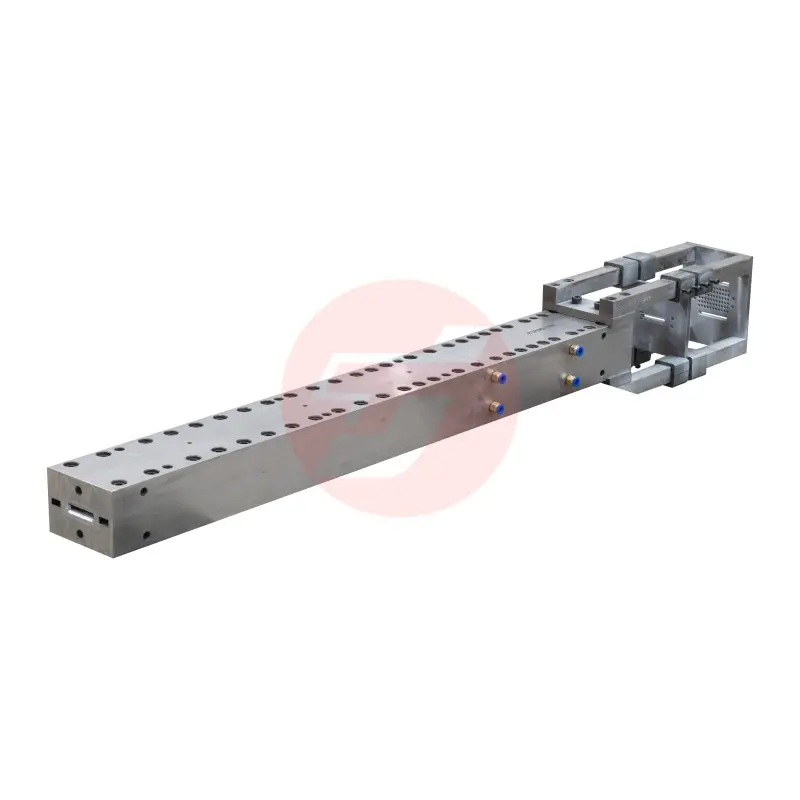
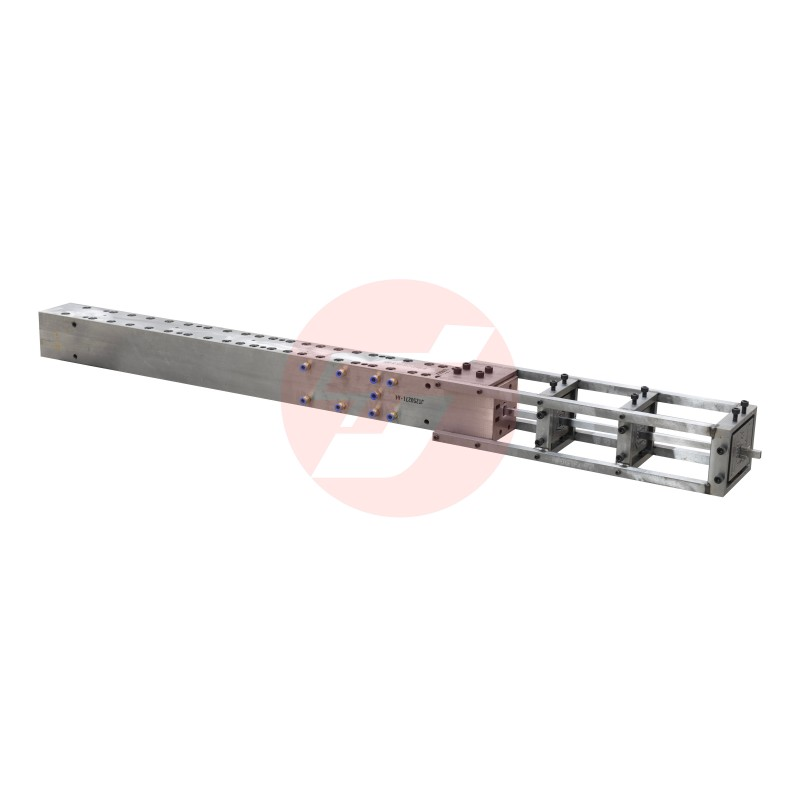
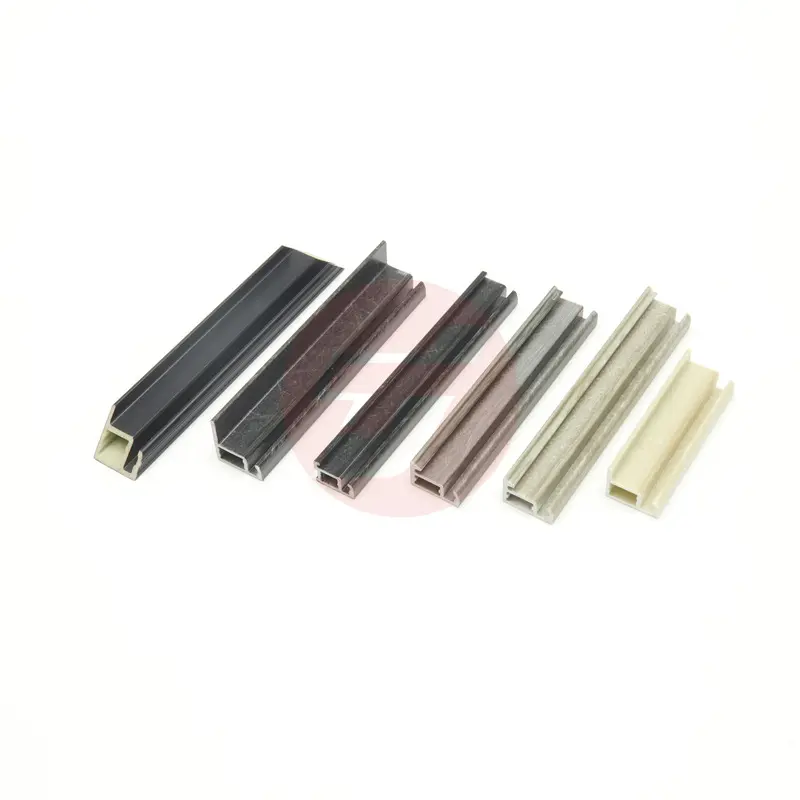
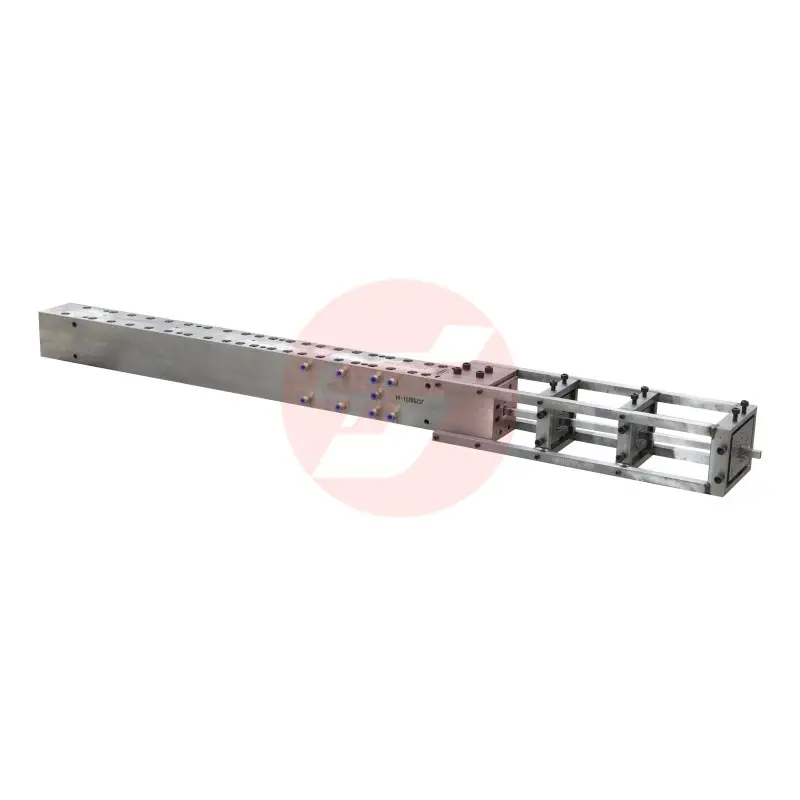
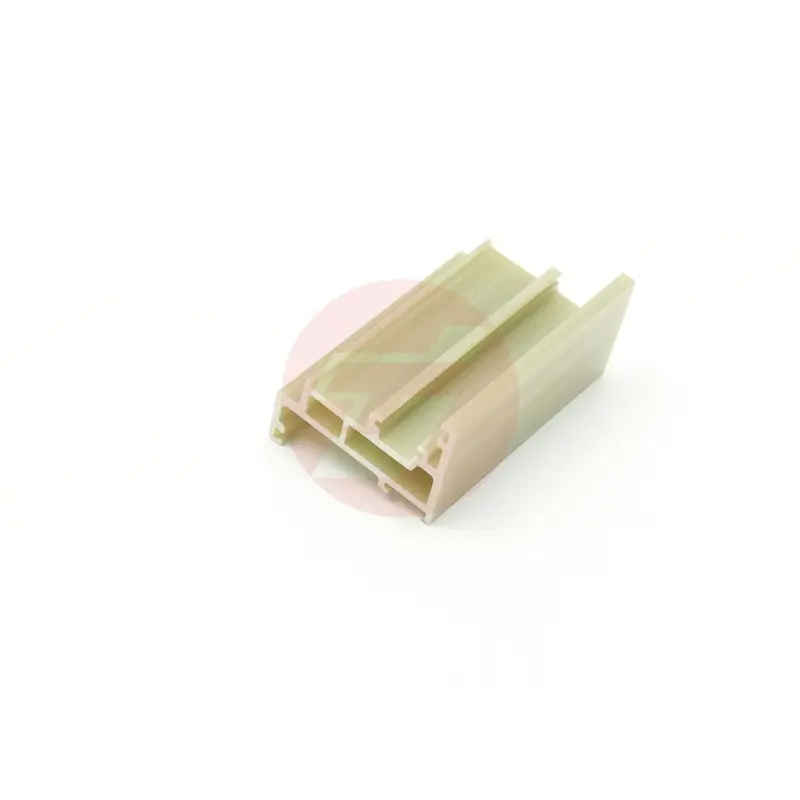
Industrial profile production represents a sophisticated manufacturing process that transforms raw materials into precisely engineered structural components used across diverse sectors. This comprehensive production method encompasses the creation of metal, plastic, and composite profiles through various techniques including extrusion, rolling, pultrusion, and machining. The industrial profile production process begins with material selection, where manufacturers choose appropriate substrates based on specific application requirements, mechanical properties, and environmental considerations. Advanced machinery and computer-controlled systems ensure dimensional accuracy and consistent quality throughout the manufacturing cycle. The production methodology incorporates multiple stages, starting with material preparation, followed by forming processes, surface treatments, and quality control inspections. Modern industrial profile production facilities utilize cutting-edge technology such as automated extrusion lines, precision rolling mills, and sophisticated cooling systems to maintain optimal processing conditions. The technological features of industrial profile production include real-time monitoring systems that track temperature, pressure, and dimensional parameters to guarantee product consistency. Quality assurance protocols involve comprehensive testing procedures, including tensile strength analysis, dimensional verification, and surface finish evaluation. The applications of industrial profile production span numerous industries, from construction and automotive to aerospace and renewable energy sectors. In construction, these profiles serve as structural framework components, window frames, and architectural elements. The automotive industry relies on industrial profile production for chassis components, trim pieces, and lightweight structural elements that enhance fuel efficiency. Aerospace applications demand ultra-precise profiles with exceptional strength-to-weight ratios for aircraft components and satellite structures. The renewable energy sector utilizes specially designed profiles for solar panel frames, wind turbine components, and energy storage systems. Industrial profile production also supports the manufacturing of consumer goods, including furniture frames, appliance housings, and electronic device enclosures, demonstrating its versatility across market segments.

Popular Products

Industrial profile production offers substantial cost reduction benefits that directly impact your bottom line. By utilizing efficient manufacturing processes, companies can produce large quantities of profiles at competitive prices while maintaining superior quality standards. The economies of scale achieved through industrial profile production enable businesses to reduce per-unit costs significantly compared to traditional manufacturing methods. This cost efficiency stems from optimized material usage, reduced waste generation, and streamlined production workflows that maximize throughput while minimizing operational expenses. The precision engineering capabilities inherent in industrial profile production ensure consistent dimensional accuracy that eliminates costly rework and reduces assembly time for end products. Quality control systems integrated throughout the production process prevent defective components from reaching customers, thereby reducing warranty claims and enhancing brand reputation. Industrial profile production provides exceptional design flexibility that allows manufacturers to create custom solutions tailored to specific application requirements. Engineers can modify cross-sectional geometries, material compositions, and surface treatments to achieve desired performance characteristics without significant tooling changes. This adaptability enables rapid prototyping and product development cycles that accelerate time-to-market for new products. The material efficiency achieved through industrial profile production minimizes raw material consumption while maximizing structural performance. Advanced forming techniques optimize material distribution within profile cross-sections, creating lightweight yet robust components that meet or exceed strength requirements. Environmental benefits include reduced carbon footprint through efficient production processes and the ability to incorporate recycled materials into new profiles. The durability and longevity of products manufactured through industrial profile production contribute to sustainable practices by extending service life and reducing replacement frequency. Delivery reliability represents another significant advantage, as established industrial profile production facilities maintain consistent production schedules and inventory management systems that ensure timely fulfillment of customer orders. The scalability of industrial profile production allows manufacturers to adjust production volumes based on market demand without compromising quality or delivery timelines. Technical support and engineering assistance provided by experienced industrial profile production companies help customers optimize their designs and select appropriate materials for specific applications, reducing development costs and improving product performance.

Latest News

What Advantages Do Glass Fiber Pultruded Products Offer in Construction?

29

Dec

What Advantages Do Glass Fiber Pultruded Products Offer in Construction?

Construction professionals are increasingly turning to advanced composite materials to meet the demanding requirements of modern infrastructure projects. Among these innovative solutions, glass fiber pultruded products have emerged as a superior alte...
View More
How Does Polyurethane Enhance Performance in Pultruded Components?

05

Jan

How Does Polyurethane Enhance Performance in Pultruded Components?

The construction and manufacturing industries are constantly seeking materials that deliver superior performance while maintaining cost-effectiveness. Polyurethane pultrusion has emerged as a revolutionary process that combines the excellent properti...
View More
Which Applications Benefit Most From Carbon Fiber Pultruded Components?

13

Feb

Which Applications Benefit Most From Carbon Fiber Pultruded Components?

Carbon fiber pultruded components have revolutionized manufacturing across numerous industries, offering exceptional strength-to-weight ratios and superior durability compared to traditional materials. These advanced composite structures are created ...
View More
How to Maintain Carbon Fiber Pultrusion Molds for Long-Term Stability?

13

Feb

How to Maintain Carbon Fiber Pultrusion Molds for Long-Term Stability?

Carbon fiber pultrusion molds represent one of the most critical components in manufacturing high-performance composite materials for industries ranging from aerospace to renewable energy. These precision-engineered tools require meticulous maintenan...
View More

Get a Free Quote

A professional manufacturer of composite material molds.
Email
WhatsApp
Name
Company Name
Message
0/1000
Attachment
Please upload at least an attachment
Up to 3 files,more 30mb,suppor jpg、jpeg、png、pdf、doc、docx、xls、xlsx、csv、txt

industrial profile production

Advanced Manufacturing Technology Integration

Advanced Manufacturing Technology Integration

Industrial profile production leverages state-of-the-art manufacturing technology that revolutionizes how structural components are created and delivered to market. The integration of computer numerical control systems, automated material handling equipment, and real-time process monitoring creates a manufacturing environment that achieves unprecedented levels of precision and consistency. These technological advancements enable industrial profile production facilities to maintain tolerances measured in thousandths of an inch while processing materials at high speeds and volumes. The sophisticated control systems continuously monitor critical parameters such as temperature distribution, pressure variations, and material flow rates, automatically adjusting process variables to maintain optimal conditions throughout production runs. This level of automation reduces human error, improves workplace safety, and ensures that every profile meets stringent quality specifications. The implementation of Industry 4.0 principles in industrial profile production facilities creates smart manufacturing ecosystems where machines communicate seamlessly with enterprise resource planning systems, enabling real-time production scheduling and inventory optimization. Predictive maintenance algorithms analyze equipment performance data to anticipate potential issues before they impact production schedules, minimizing downtime and maximizing operational efficiency. The integration of additive manufacturing technologies with traditional industrial profile production methods opens new possibilities for creating complex geometries and hybrid structures that were previously impossible to manufacture. Advanced simulation software allows engineers to optimize profile designs and manufacturing parameters before physical production begins, reducing development time and material waste. The technological capabilities of modern industrial profile production extend to post-processing operations, where automated systems apply surface treatments, perform quality inspections, and package finished products according to customer specifications. These integrated manufacturing systems provide complete traceability throughout the production process, enabling manufacturers to track material origins, process parameters, and quality test results for every profile produced. The continuous evolution of manufacturing technology ensures that industrial profile production remains at the forefront of innovation, delivering increasingly sophisticated solutions that meet the demanding requirements of modern applications.
Comprehensive Material Options and Customization

Comprehensive Material Options and Customization

Industrial profile production offers an extensive range of material options and customization capabilities that enable manufacturers to create precisely engineered solutions for virtually any application requirement. The versatility of modern industrial profile production processes accommodates diverse materials including aluminum alloys, steel grades, stainless steel, titanium, copper alloys, thermoplastics, thermosets, and advanced composite materials. Each material category provides unique properties and performance characteristics that can be optimized through careful selection and processing parameter adjustments. Aluminum profiles produced through industrial profile production methods offer excellent corrosion resistance, lightweight construction, and superior thermal conductivity, making them ideal for architectural applications, heat exchangers, and transportation components. Steel profiles provide exceptional strength and durability for structural applications, while specialized alloy compositions can enhance properties such as wear resistance, magnetic permeability, or high-temperature performance. The customization capabilities inherent in industrial profile production extend beyond material selection to include complex cross-sectional geometries, integrated features, and multi-material combinations. Engineers can incorporate channels, ribs, mounting bosses, and other functional elements directly into profile designs, eliminating secondary machining operations and reducing assembly complexity. Surface treatment options available through industrial profile production include anodizing, powder coating, galvanizing, and specialized coatings that provide enhanced corrosion protection, improved aesthetics, or functional properties such as electrical conductivity or thermal insulation. The ability to produce profiles with varying wall thicknesses, hollow sections, and intricate internal geometries enables designers to optimize material distribution and achieve superior strength-to-weight ratios. Industrial profile production facilities can accommodate customer-specific requirements for dimensional tolerances, surface finish specifications, and mechanical properties through precise process control and quality assurance protocols. The flexibility to produce small prototype quantities as well as large-scale production runs makes industrial profile production accessible to companies of all sizes, from startup enterprises developing innovative products to multinational corporations requiring high-volume manufacturing capabilities. Color matching and aesthetic customization options ensure that profiles integrate seamlessly with existing product designs and brand requirements.
Superior Quality Control and Performance Standards

Superior Quality Control and Performance Standards

Industrial profile production maintains exceptionally high quality control standards that ensure consistent performance and reliability across all manufactured components. The comprehensive quality assurance framework begins with incoming material inspection, where advanced testing equipment verifies chemical composition, mechanical properties, and dimensional characteristics of raw materials before they enter the production process. Throughout the manufacturing cycle, multiple inspection points monitor critical quality parameters using sophisticated measurement systems including coordinate measuring machines, optical scanning equipment, and non-destructive testing methods. These quality control measures guarantee that every profile meets or exceeds specified dimensional tolerances, surface finish requirements, and mechanical property standards. The statistical process control systems employed in industrial profile production facilities collect and analyze quality data in real-time, identifying trends and variations that might indicate process drift before they affect product quality. This proactive approach to quality management prevents defective products from reaching customers and maintains the consistent performance standards that industrial applications demand. Mechanical testing protocols validate the strength, stiffness, and durability characteristics of profiles through standardized test methods including tensile testing, fatigue analysis, and impact resistance evaluation. Environmental testing ensures that profiles maintain their performance characteristics under extreme temperature conditions, humidity exposure, and corrosive environments that may be encountered in service. The traceability systems implemented in industrial profile production facilities maintain detailed records of material origins, process parameters, and quality test results for every manufactured profile, enabling rapid identification and resolution of any quality issues that may arise. Certification programs and compliance with international standards such as ISO 9001, AS9100, and industry-specific requirements demonstrate the commitment to quality excellence that characterizes professional industrial profile production operations. Customer-specific quality requirements can be accommodated through customized inspection protocols and testing procedures that validate performance against unique application criteria. The continuous improvement culture fostered within industrial profile production facilities drives ongoing enhancements to quality systems, manufacturing processes, and product performance capabilities. Regular audits and reviews ensure that quality management systems remain effective and aligned with evolving customer expectations and industry best practices.

Get a Free Quote

A professional manufacturer of composite material molds.
Email
WhatsApp
Name
Company Name
Message
0/1000
Attachment
Please upload at least an attachment
Up to 3 files,more 30mb,suppor jpg、jpeg、png、pdf、doc、docx、xls、xlsx、csv、txt