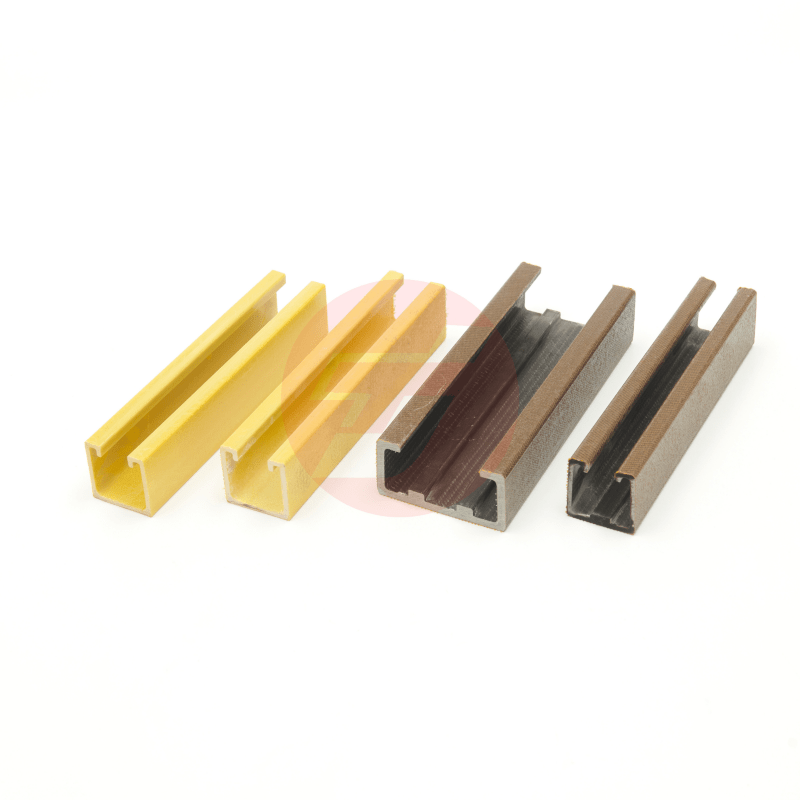
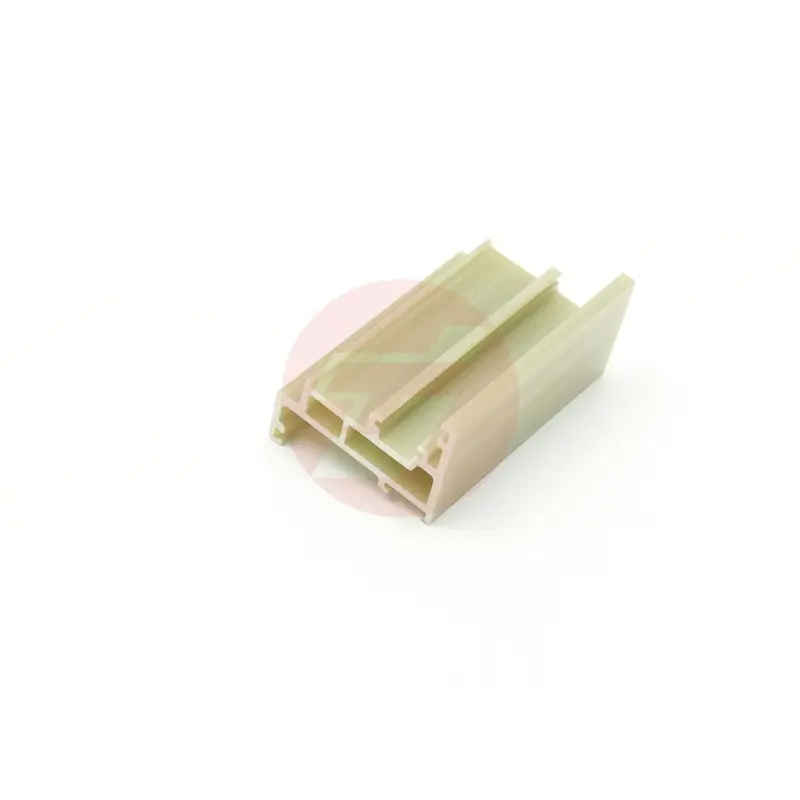
High-Performance Railway Tracks: Durable Steel Rail Infrastructure for Heavy-Duty Transportation Systems

All Categories

Get a Free Quote

A professional manufacturer of composite material molds.
Email
WhatsApp
Name
Company Name
Message
0/1000
Attachment
Please upload at least an attachment
Up to 3 files,more 30mb,suppor jpg、jpeg、png、pdf、doc、docx、xls、xlsx、csv、txt

railway tracks

Railway tracks represent the fundamental infrastructure that enables efficient train transportation across vast distances, serving as the critical foundation for modern rail networks worldwide. These precisely engineered steel pathways consist of parallel rails mounted on wooden, concrete, or steel ties, creating a stable platform for locomotives and rolling stock to traverse safely and efficiently. The primary function of railway tracks extends beyond simple guidance, encompassing load distribution, electrical conductivity for signaling systems, and providing the structural integrity necessary for heavy freight and passenger operations. Railway tracks incorporate sophisticated technological features including continuous welded rails that eliminate joint gaps, advanced fastening systems that secure rails to crossties, and ballast stones that provide drainage and track stability. The gauge width, typically standardized at 1,435 millimeters for most international networks, ensures compatibility between different rail systems and rolling stock. Modern railway tracks utilize high-grade steel alloys specifically designed to withstand extreme weather conditions, heavy loads, and constant friction from train wheels. The rail profile features a specialized shape that optimizes wheel contact, reduces wear, and maintains proper alignment throughout the track's operational lifespan. Applications for railway tracks span multiple industries and transportation needs, from high-speed passenger services connecting major cities to heavy-duty freight corridors transporting coal, grain, and manufactured goods. Urban transit systems rely on specialized railway tracks designed for frequent stops and starts, while industrial applications utilize customized track configurations for mining operations, port facilities, and manufacturing plants. The technological advancement of railway tracks continues to evolve with innovations such as embedded sensors for real-time monitoring, improved materials that extend service life, and enhanced designs that reduce maintenance requirements while maximizing operational efficiency.


Popular Products

Railway tracks deliver exceptional durability that significantly outperforms other transportation infrastructure, providing decades of reliable service with minimal maintenance requirements when properly installed and maintained. The robust construction of modern railway tracks withstands extreme weather conditions, from arctic temperatures to desert heat, ensuring consistent transportation capabilities regardless of environmental challenges. This weather resistance translates directly into reduced operational disruptions and lower long-term costs for transportation companies and freight operators. Railway tracks offer superior load-carrying capacity compared to roadways, enabling single trains to transport equivalent cargo loads of hundreds of trucks, dramatically reducing transportation costs per unit while minimizing environmental impact through reduced fuel consumption and emissions. The precise engineering of railway tracks ensures smooth operation that reduces wear on rolling stock, extending the lifespan of locomotives and railcars while decreasing maintenance expenses for fleet operators. Safety represents another crucial advantage of well-maintained railway tracks, as the guided nature of rail transportation eliminates many variables present in highway transportation, resulting in significantly lower accident rates and enhanced protection for both cargo and passengers. Railway tracks enable higher speeds than most other ground transportation methods, with specialized high-speed rail tracks supporting trains traveling at speeds exceeding 300 kilometers per hour, reducing travel times and improving connectivity between distant locations. The electrical conductivity properties of railway tracks support sophisticated signaling and communication systems that enhance operational efficiency and safety through automated train control, collision avoidance systems, and real-time monitoring capabilities. Energy efficiency stands as a paramount advantage, as trains operating on properly maintained railway tracks consume substantially less fuel per ton-mile compared to trucks or other transportation alternatives, making rail transport the most economical choice for long-distance freight movement. Railway tracks provide exceptional longevity with service lives often exceeding 50 years when constructed with quality materials and proper engineering practices, offering superior return on infrastructure investment compared to highways that require frequent resurfacing and reconstruction. The standardization of railway tracks across regions facilitates seamless interconnection between different rail networks, enabling efficient long-distance transportation without the need for cargo transfer between different transportation modes, reducing handling costs and delivery times for shippers.

Tips And Tricks

What Affects the Dimensional Accuracy of Epoxy Pultruded Products?

05

Jan

What Affects the Dimensional Accuracy of Epoxy Pultruded Products?

The dimensional accuracy of epoxy pultruded products plays a crucial role in determining their performance and suitability for various industrial applications. Manufacturing professionals across aerospace, automotive, and construction industries rely...
View More
Why Are Photovoltaic Frame Pultrusion Molds Key to Panel Stability?

05

Jan

Why Are Photovoltaic Frame Pultrusion Molds Key to Panel Stability?

Solar panel manufacturing requires precision engineering at every stage, particularly when it comes to creating the structural frames that protect and support photovoltaic cells. The photovoltaic frame pultrusion mold represents a critical component ...
View More
Why Do Wind Turbine OEMs Prefer High-Accuracy Carbon Fiber Beam Molds?

05

Jan

Why Do Wind Turbine OEMs Prefer High-Accuracy Carbon Fiber Beam Molds?

The wind energy sector has experienced unprecedented growth as global demand for renewable energy solutions continues to surge. Original Equipment Manufacturers (OEMs) in the wind turbine industry face increasing pressure to deliver high-performance,...
View More
What Factors Determine the Lifespan of Carbon Fiber Pultruded Products?

13

Feb

What Factors Determine the Lifespan of Carbon Fiber Pultruded Products?

Carbon fiber pultrusion represents one of the most advanced manufacturing processes for creating high-performance composite materials with exceptional strength-to-weight ratios. This innovative technique produces continuous fiber-reinforced profiles ...
View More

Get a Free Quote

A professional manufacturer of composite material molds.
Email
WhatsApp
Name
Company Name
Message
0/1000
Attachment
Please upload at least an attachment
Up to 3 files,more 30mb,suppor jpg、jpeg、png、pdf、doc、docx、xls、xlsx、csv、txt

railway tracks

Unmatched Load Capacity and Structural Integrity

Unmatched Load Capacity and Structural Integrity

Railway tracks demonstrate extraordinary load-bearing capabilities that fundamentally distinguish them from other transportation infrastructure, supporting massive freight loads that would be impossible for roadways to accommodate safely or economically. The sophisticated engineering behind modern railway tracks incorporates high-strength steel rails mounted on carefully spaced crossties that distribute weight across a broad foundation, enabling individual freight trains to carry loads equivalent to several hundred truck trailers while maintaining structural integrity throughout the journey. This remarkable load capacity stems from the continuous rail design that spreads dynamic forces over extended distances, preventing concentrated stress points that could compromise track stability or safety. The ballast foundation beneath railway tracks provides additional load distribution while allowing for proper drainage and thermal expansion, ensuring that even the heaviest freight trains can operate safely without causing permanent deformation or damage to the track structure. Railway tracks designed for heavy freight operations incorporate specialized rail profiles and enhanced fastening systems that secure the rails firmly to crossties, preventing lateral movement or gauge spreading even under extreme loading conditions. The continuous welded rail technology used in modern railway tracks eliminates joints that could become failure points under heavy loads, creating seamless pathways that maintain structural integrity while reducing wear on both tracks and rolling stock. This superior load capacity translates into significant economic advantages for freight operators, as single trains operating on properly constructed railway tracks can transport cargo volumes that would require hundreds of individual truck trips, dramatically reducing transportation costs per ton while minimizing road congestion and infrastructure wear. The structural integrity of railway tracks remains consistent across varying terrain and weather conditions, providing reliable transportation capabilities for heavy industries such as mining, agriculture, and manufacturing that depend on moving large quantities of materials efficiently and economically. Quality railway tracks maintain their load-carrying capacity throughout their extended service life, typically lasting decades without significant degradation in structural performance, making them an exceptionally cost-effective infrastructure investment for regions requiring reliable heavy freight transportation capabilities.
Advanced Safety Features and Operational Reliability

Advanced Safety Features and Operational Reliability

Railway tracks incorporate sophisticated safety features that establish rail transportation as one of the safest methods of moving people and freight across long distances, with built-in redundancies and fail-safe mechanisms that protect against accidents and operational failures. The guided nature of railway tracks eliminates many variables present in highway transportation, as trains follow predetermined paths that reduce the possibility of head-on collisions, wrong-way travel, or sudden directional changes that could lead to accidents or derailments. Modern railway tracks include integrated electrical circuits that enable advanced signaling systems to monitor train locations continuously, automatically preventing conflicting movements and maintaining safe distances between trains through sophisticated block signal systems and automatic train control technologies. The standardized construction of railway tracks ensures consistent wheel-to-rail interface characteristics that maintain proper vehicle guidance and stability, preventing derailments caused by track irregularities or incompatible equipment interactions that could compromise safety or operational reliability. Railway tracks designed for high-speed operations incorporate enhanced safety features such as continuous welded rails that eliminate joint impacts, precision alignment systems that maintain exact geometry, and specialized fastening systems that prevent rail movement under dynamic loading conditions. The ballast and subgrade systems supporting railway tracks provide stable foundations that resist settlement and maintain proper track geometry even under extreme weather conditions, ensuring that trains can operate safely regardless of environmental challenges such as heavy rainfall, freeze-thaw cycles, or temperature extremes. Quality control measures during railway track construction and maintenance include regular geometric inspections, ultrasonic testing for internal rail defects, and systematic replacement of worn components before they reach critical wear limits, maintaining safety margins throughout the track's operational life. The inherent stability of railway tracks reduces the risk of cargo shifting or vehicle instability during transportation, protecting both valuable freight and passenger safety while ensuring consistent delivery schedules and operational reliability. Railway tracks enable the implementation of positive train control systems that automatically enforce speed limits, work zone restrictions, and signal compliance, providing additional layers of safety protection that exceed those available in other transportation modes.
Environmental Sustainability and Energy Efficiency

Environmental Sustainability and Energy Efficiency

Railway tracks represent the most environmentally sustainable transportation infrastructure available today, enabling trains to achieve remarkable energy efficiency that significantly reduces carbon emissions and environmental impact compared to highway or air transportation alternatives. The smooth, low-friction interface between steel wheels and steel rails minimizes rolling resistance, allowing trains operating on well-maintained railway tracks to transport massive cargo loads while consuming substantially less fuel per ton-mile than trucks or other freight transportation methods. This exceptional energy efficiency stems from the precise engineering of railway tracks that provides optimal wheel-rail contact geometry, reducing energy losses from vibration, deformation, and unnecessary friction that would otherwise increase fuel consumption and operational costs. Modern railway tracks support electrification systems that enable trains to operate using clean energy sources such as hydroelectric, wind, or solar power, eliminating direct fossil fuel combustion and associated emissions while maintaining high-performance transportation capabilities for both freight and passenger services. The longevity of railway tracks contributes significantly to environmental sustainability, as properly constructed and maintained tracks can provide decades of service without requiring the frequent reconstruction and material replacement necessary for highways, reducing the environmental impact associated with infrastructure maintenance and renewal. Railway tracks enable high-capacity transportation that removes thousands of trucks from highways, reducing traffic congestion, air pollution, and road wear while providing more efficient freight movement that supports economic growth without proportional increases in environmental impact. The space efficiency of railway tracks allows transportation corridors to move substantially more cargo and passengers per unit of land area compared to highways, preserving valuable real estate for other uses while minimizing the environmental footprint of transportation infrastructure. Quality railway tracks require minimal maintenance chemicals or treatments that could harm surrounding ecosystems, as the durable materials and construction methods resist degradation naturally without requiring frequent application of potentially harmful substances. The quiet operation enabled by smooth railway tracks reduces noise pollution in surrounding communities, making rail transportation more compatible with residential and commercial development while maintaining efficient freight and passenger movement capabilities that support economic activity and quality of life.

Get a Free Quote

A professional manufacturer of composite material molds.
Email
WhatsApp
Name
Company Name
Message
0/1000
Attachment
Please upload at least an attachment
Up to 3 files,more 30mb,suppor jpg、jpeg、png、pdf、doc、docx、xls、xlsx、csv、txt