Premium Carbon Fiber Components - Lightweight, Durable Solutions for Industrial Applications

All Categories

Get a Free Quote

A professional manufacturer of composite material molds.
Email
WhatsApp
Name
Company Name
Message
0/1000
Attachment
Please upload at least an attachment
Up to 3 files,more 30mb,suppor jpg、jpeg、png、pdf、doc、docx、xls、xlsx、csv、txt

carbon fiber components

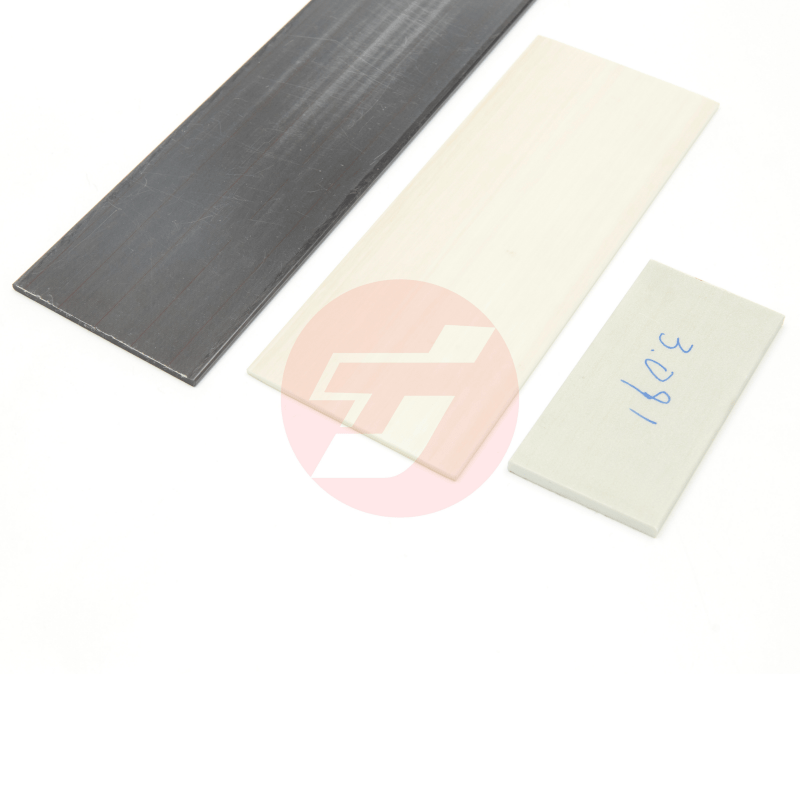
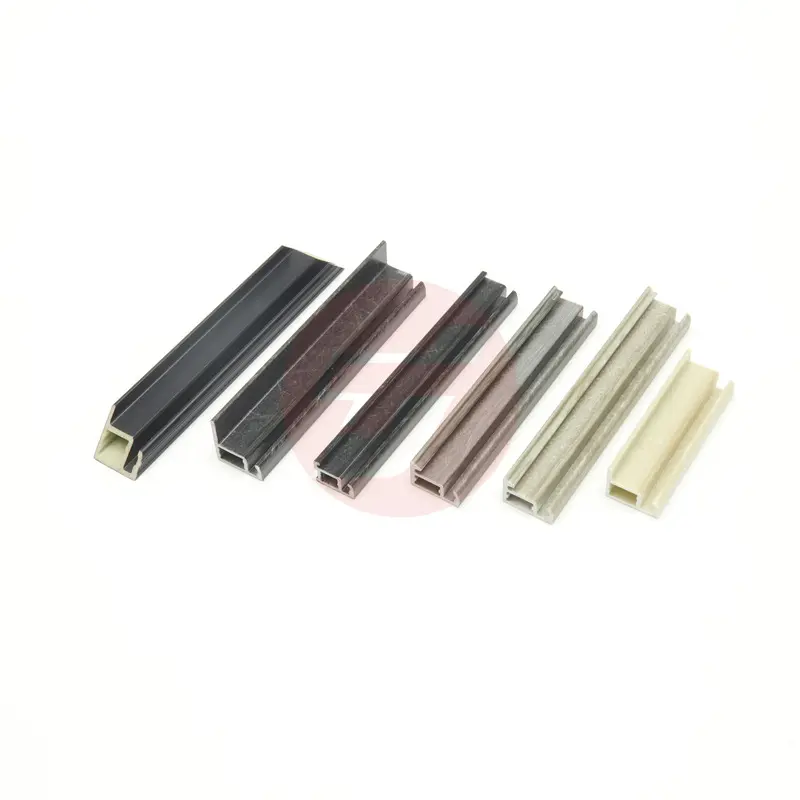
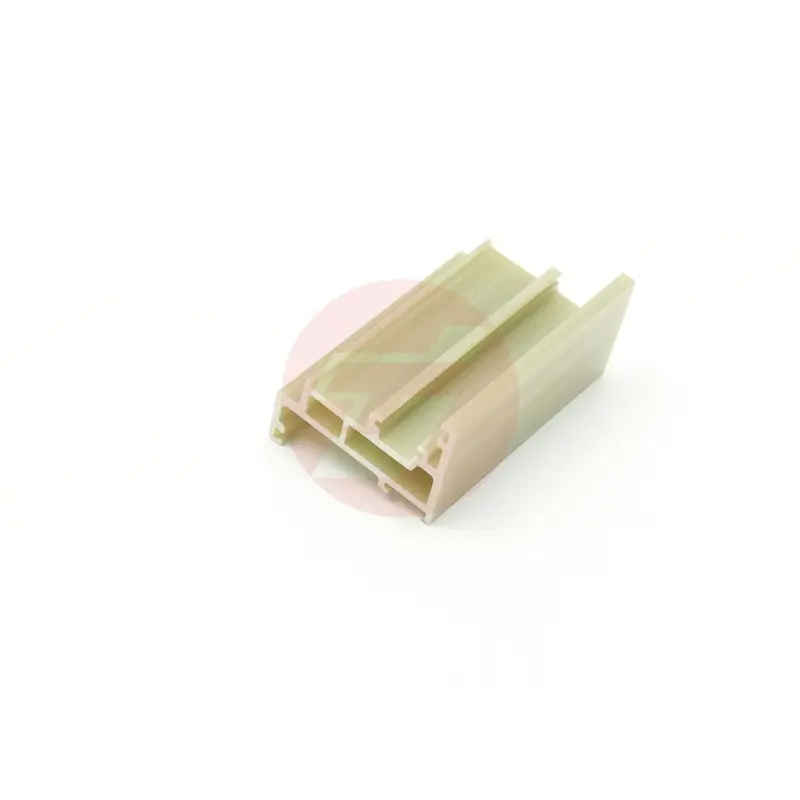
Carbon fiber components represent a revolutionary advancement in modern manufacturing technology, offering unparalleled performance characteristics that have transformed industries ranging from aerospace to automotive. These sophisticated materials consist of thin strands of carbon atoms woven together to create exceptionally strong and lightweight structures. The primary function of carbon fiber components lies in their ability to provide superior strength-to-weight ratios compared to traditional materials like steel or aluminum. Carbon fiber components achieve this through their unique molecular structure, where carbon atoms bond in crystalline formations that distribute stress efficiently across the material. The technological features of carbon fiber components include exceptional tensile strength, outstanding fatigue resistance, and remarkable dimensional stability under varying temperature conditions. These components maintain their structural integrity even when subjected to extreme mechanical stress, making them ideal for demanding applications. Carbon fiber components also exhibit excellent corrosion resistance, eliminating the need for protective coatings that add weight and maintenance requirements. The manufacturing process involves precise layering techniques where carbon fiber sheets are combined with resin systems to create components tailored for specific performance requirements. Applications for carbon fiber components span multiple industries, including aerospace where they reduce aircraft weight while maintaining safety standards, automotive sectors where they enhance fuel efficiency without compromising crash protection, and sporting goods where they provide competitive advantages through improved performance characteristics. Marine applications utilize carbon fiber components for their resistance to saltwater corrosion and reduced maintenance needs. Industrial equipment manufacturers increasingly incorporate carbon fiber components to reduce operational costs and improve equipment longevity. The versatility of carbon fiber components allows for customization in thickness, weave patterns, and resin systems to meet precise engineering specifications.

New Product Recommendations

Carbon fiber components deliver substantial practical benefits that directly impact operational efficiency and cost-effectiveness for businesses across various industries. The most significant advantage lies in weight reduction, where carbon fiber components can achieve up to 70 percent weight savings compared to equivalent steel components while maintaining superior structural performance. This weight reduction translates into immediate fuel savings for transportation applications, reduced operational costs for machinery, and enhanced portability for equipment requiring frequent relocation. Carbon fiber components provide exceptional durability that extends product lifecycles significantly beyond traditional materials, reducing replacement frequency and associated downtime costs. The corrosion resistance of carbon fiber components eliminates expensive maintenance procedures required for metal components, particularly in harsh environmental conditions or chemical exposure scenarios. This resistance saves thousands of dollars annually in protective treatments, inspections, and premature replacements. Carbon fiber components offer superior vibration damping properties that reduce noise levels and mechanical stress on surrounding systems, leading to smoother operation and extended component life throughout entire assemblies. The precision manufacturing capabilities of carbon fiber components enable tight tolerances and consistent quality that improves overall system performance and reduces assembly complications. Temperature stability ensures carbon fiber components maintain their performance characteristics across wide operating ranges without expansion or contraction issues that plague traditional materials. This stability eliminates costly recalibration procedures and maintains system accuracy over extended periods. Carbon fiber components provide design flexibility that allows engineers to create complex shapes and integrated features impossible with conventional materials, reducing part counts and assembly complexity. The electromagnetic transparency of carbon fiber components benefits electronic applications by eliminating interference issues common with metallic alternatives. Energy absorption capabilities make carbon fiber components ideal for safety applications where controlled failure modes protect valuable equipment or personnel. The fatigue resistance of carbon fiber components ensures consistent performance under repetitive loading conditions, preventing unexpected failures that could result in costly shutdowns or safety incidents. Manufacturing efficiency improves through the moldable nature of carbon fiber components, enabling single-piece construction that replaces multiple welded or bolted assemblies.

Latest News

How Can Carbon Fiber Pultrusion Reduce Manufacturing Costs for B2B Buyers?

29

Dec

How Can Carbon Fiber Pultrusion Reduce Manufacturing Costs for B2B Buyers?

Manufacturing costs continue to challenge B2B buyers across industries, driving the need for innovative production methods that deliver superior performance while maintaining economic efficiency. Carbon fiber pultrusion has emerged as a transformativ...
View More
What Affects the Dimensional Accuracy of Epoxy Pultruded Products?

05

Jan

What Affects the Dimensional Accuracy of Epoxy Pultruded Products?

The dimensional accuracy of epoxy pultruded products plays a crucial role in determining their performance and suitability for various industrial applications. Manufacturing professionals across aerospace, automotive, and construction industries rely...
View More
Why Are Photovoltaic Frame Pultrusion Molds Key to Panel Stability?

05

Jan

Why Are Photovoltaic Frame Pultrusion Molds Key to Panel Stability?

Solar panel manufacturing requires precision engineering at every stage, particularly when it comes to creating the structural frames that protect and support photovoltaic cells. The photovoltaic frame pultrusion mold represents a critical component ...
View More
Which Applications Benefit Most From Carbon Fiber Pultruded Components?

13

Feb

Which Applications Benefit Most From Carbon Fiber Pultruded Components?

Carbon fiber pultruded components have revolutionized manufacturing across numerous industries, offering exceptional strength-to-weight ratios and superior durability compared to traditional materials. These advanced composite structures are created ...
View More

Get a Free Quote

A professional manufacturer of composite material molds.
Email
WhatsApp
Name
Company Name
Message
0/1000
Attachment
Please upload at least an attachment
Up to 3 files,more 30mb,suppor jpg、jpeg、png、pdf、doc、docx、xls、xlsx、csv、txt

carbon fiber components

Revolutionary Strength-to-Weight Performance

Revolutionary Strength-to-Weight Performance

Carbon fiber components achieve extraordinary structural performance through their unique material properties that fundamentally change how engineers approach design challenges. The strength-to-weight ratio of carbon fiber components exceeds steel by approximately 5:1, meaning these components can support the same loads while weighing significantly less. This remarkable characteristic stems from the carbon atom arrangement within the fiber matrix, where covalent bonds create incredibly strong chains that resist tensile forces more effectively than metallic structures. Carbon fiber components distribute loads across their entire surface area rather than concentrating stress at specific points, preventing the crack propagation that commonly leads to catastrophic failures in traditional materials. The lightweight nature of carbon fiber components reduces inertial forces during operation, decreasing wear on bearings, motors, and support structures throughout mechanical systems. This weight reduction becomes particularly valuable in rotating applications where carbon fiber components can achieve higher speeds with lower energy consumption and reduced centrifugal stress on mounting hardware. The strength characteristics of carbon fiber components allow for thinner cross-sections that provide design freedom impossible with heavier materials, enabling engineers to optimize aerodynamics, reduce material usage, and improve aesthetic appeal simultaneously. Carbon fiber components maintain their strength properties across temperature ranges where metals begin to lose structural integrity, ensuring consistent performance in extreme environments. The predictable failure mode of carbon fiber components provides safety advantages, as these materials exhibit progressive degradation rather than sudden catastrophic failure, allowing for preventive maintenance and avoiding unexpected shutdowns. Manufacturing processes for carbon fiber components can be tailored to optimize fiber orientation for specific loading conditions, creating components that perform exactly as required for their intended applications. The high strength characteristics eliminate the need for additional reinforcement structures, simplifying designs and reducing overall system complexity while maintaining superior performance standards.
Exceptional Durability and Longevity

Exceptional Durability and Longevity

Carbon fiber components demonstrate remarkable resistance to environmental degradation and mechanical wear that extends service life far beyond conventional materials, providing exceptional value through reduced replacement cycles and maintenance requirements. Unlike metals that succumb to oxidation and corrosion, carbon fiber components maintain their structural integrity indefinitely when properly manufactured and installed. This corrosion immunity becomes particularly valuable in marine environments, chemical processing facilities, and outdoor applications where traditional materials require expensive protective measures and frequent maintenance interventions. Carbon fiber components resist ultraviolet radiation damage that degrades many plastics and composite materials, maintaining their appearance and performance characteristics even after years of direct sunlight exposure. The fatigue resistance of carbon fiber components surpasses metals significantly, withstanding millions of stress cycles without developing the micro-cracks that eventually lead to component failure. This exceptional fatigue performance makes carbon fiber components ideal for applications involving repetitive loading, vibration, or thermal cycling where traditional materials would require frequent inspection and replacement. Temperature stability ensures carbon fiber components maintain their dimensional accuracy across wide operating ranges, eliminating thermal stress that causes premature failure in multi-material assemblies. Carbon fiber components resist impact damage through energy absorption mechanisms that prevent crack propagation, allowing these components to survive impacts that would permanently damage metallic alternatives. The chemical resistance of carbon fiber components extends to most acids, bases, and solvents commonly encountered in industrial environments, eliminating compatibility concerns that limit material selection options. Manufacturing quality control processes for carbon fiber components include advanced testing methods that identify potential weaknesses before components enter service, ensuring consistent reliability and performance throughout their extended service life. The non-magnetic properties of carbon fiber components prevent interference with sensitive electronic equipment while eliminating concerns about magnetic particle contamination in precision applications. Carbon fiber components maintain their surface finish throughout their service life, reducing aesthetic maintenance and preserving professional appearance in visible applications where traditional materials might require refinishing or replacement for cosmetic reasons.
Design Flexibility and Manufacturing Precision

Design Flexibility and Manufacturing Precision

Carbon fiber components offer unprecedented design freedom that enables engineers to create optimized solutions impossible with traditional materials, while advanced manufacturing techniques ensure precise dimensional control and consistent quality across production runs. The moldable nature of carbon fiber components allows for complex three-dimensional shapes that integrate multiple functions into single components, eliminating joints, fasteners, and potential failure points common in assembled structures. This integration capability reduces part counts dramatically, simplifying supply chains, inventory management, and assembly processes while improving overall reliability through fewer interconnections. Carbon fiber components can incorporate varying thickness profiles within single parts, providing reinforcement exactly where needed while minimizing weight in areas with lower stress requirements. Manufacturing processes for carbon fiber components accommodate embedded features such as mounting points, cable channels, and sensor locations that eliminate secondary machining operations and improve dimensional accuracy. The directional properties of carbon fiber components can be tailored during manufacturing to optimize performance for specific loading conditions, creating components that excel in their intended applications while maintaining efficiency in material usage. Precision tooling for carbon fiber components enables tight tolerances that improve fit and function in critical applications, reducing assembly time and ensuring consistent performance across production quantities. The curing process for carbon fiber components can be controlled to achieve specific surface textures and finishes, eliminating secondary operations while maintaining professional appearance standards. Design optimization software specifically developed for carbon fiber components allows engineers to analyze stress distributions and optimize fiber orientations before manufacturing begins, ensuring optimal performance while minimizing material usage and production costs. Rapid prototyping capabilities for carbon fiber components enable quick design validation and iteration, accelerating product development timelines and reducing engineering costs. Manufacturing scalability allows carbon fiber components to be produced efficiently in quantities ranging from single prototypes to high-volume production runs, maintaining quality standards and cost-effectiveness regardless of order size. The compatibility of carbon fiber components with various resin systems enables customization of chemical resistance, temperature performance, and mechanical properties to match specific application requirements precisely.

Get a Free Quote

A professional manufacturer of composite material molds.
Email
WhatsApp
Name
Company Name
Message
0/1000
Attachment
Please upload at least an attachment
Up to 3 files,more 30mb,suppor jpg、jpeg、png、pdf、doc、docx、xls、xlsx、csv、txt