Premium Reinforced Polyurethane Molds - Durable Industrial Molding Solutions

All Categories

Get a Free Quote

A professional manufacturer of composite material molds.
Email
WhatsApp
Name
Company Name
Message
0/1000
Attachment
Please upload at least an attachment
Up to 3 files,more 30mb,suppor jpg、jpeg、png、pdf、doc、docx、xls、xlsx、csv、txt

reinforced polyurethane molds

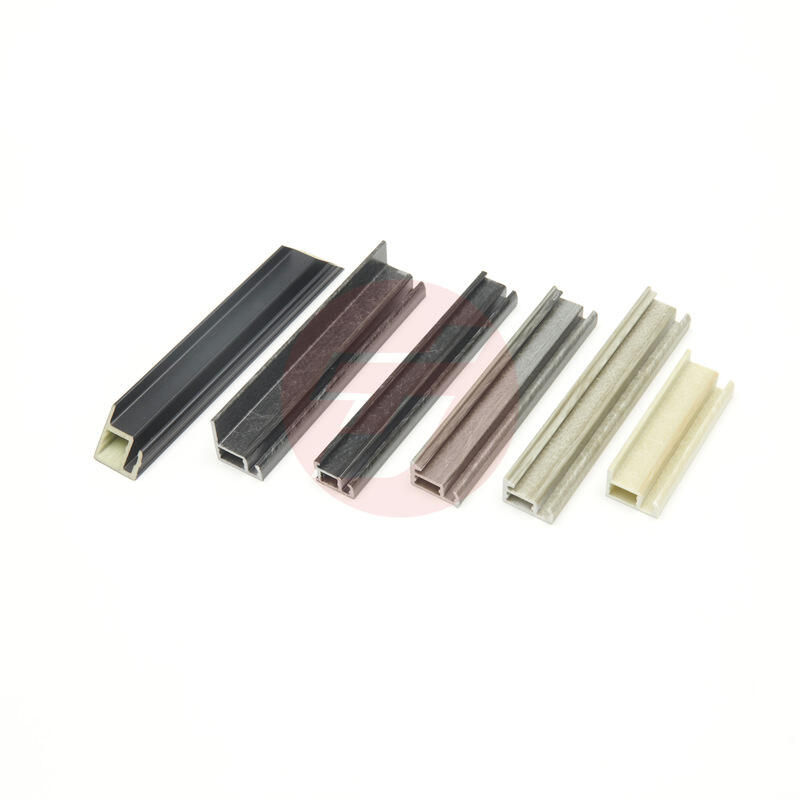
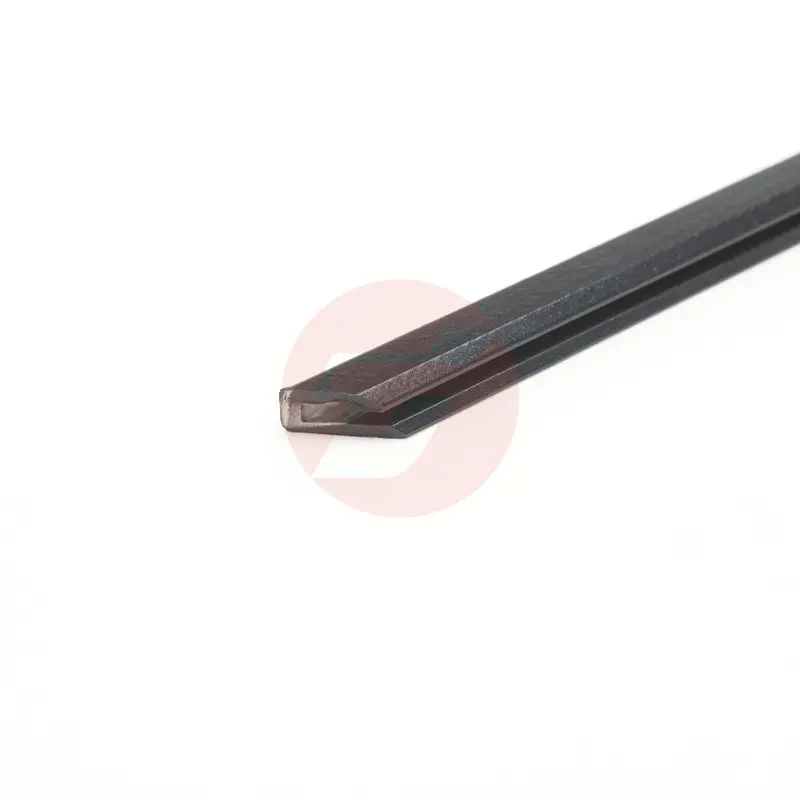
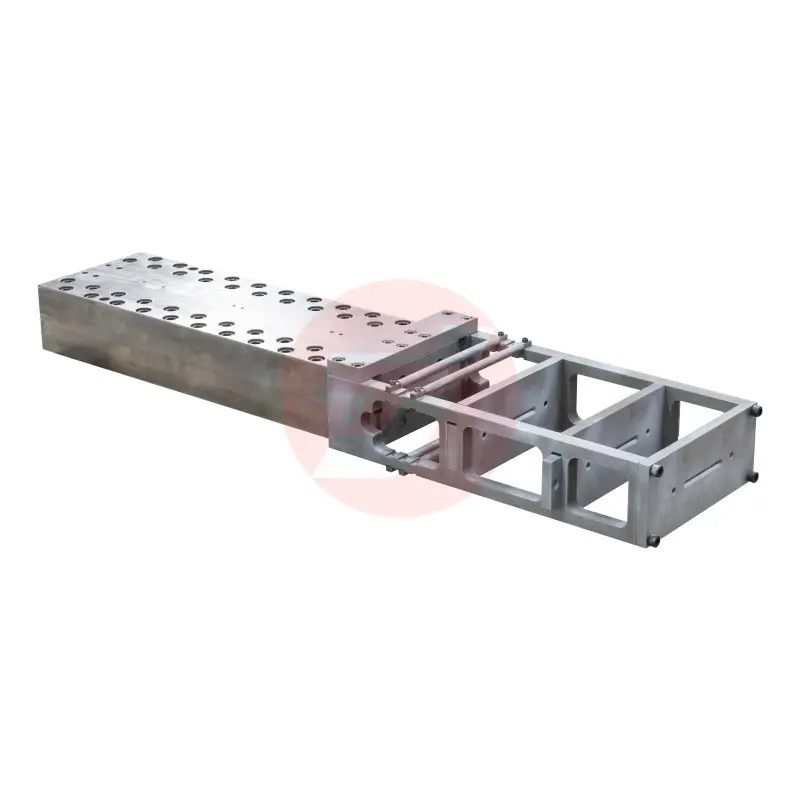
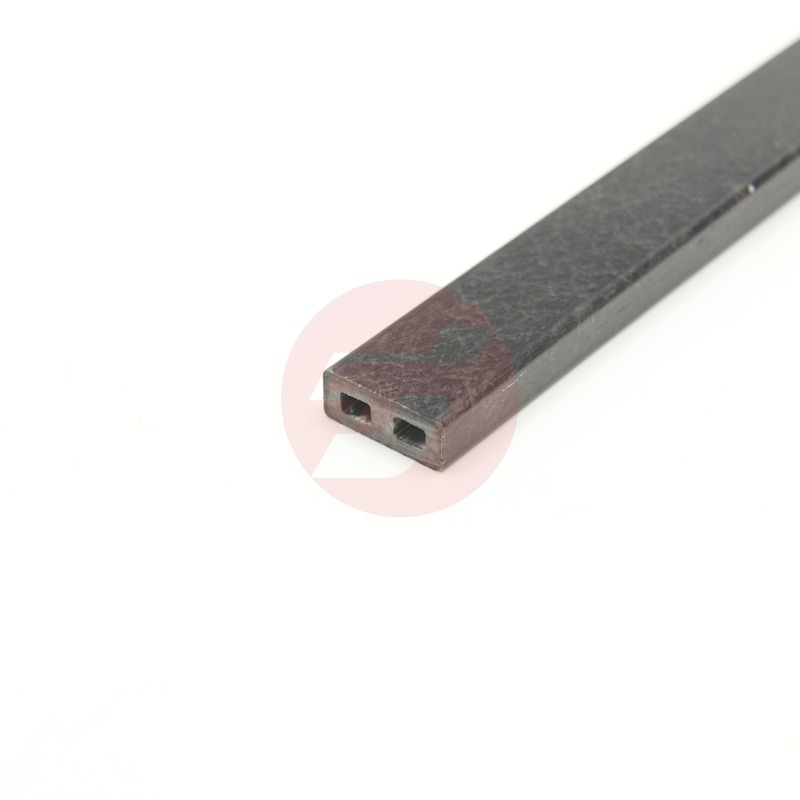
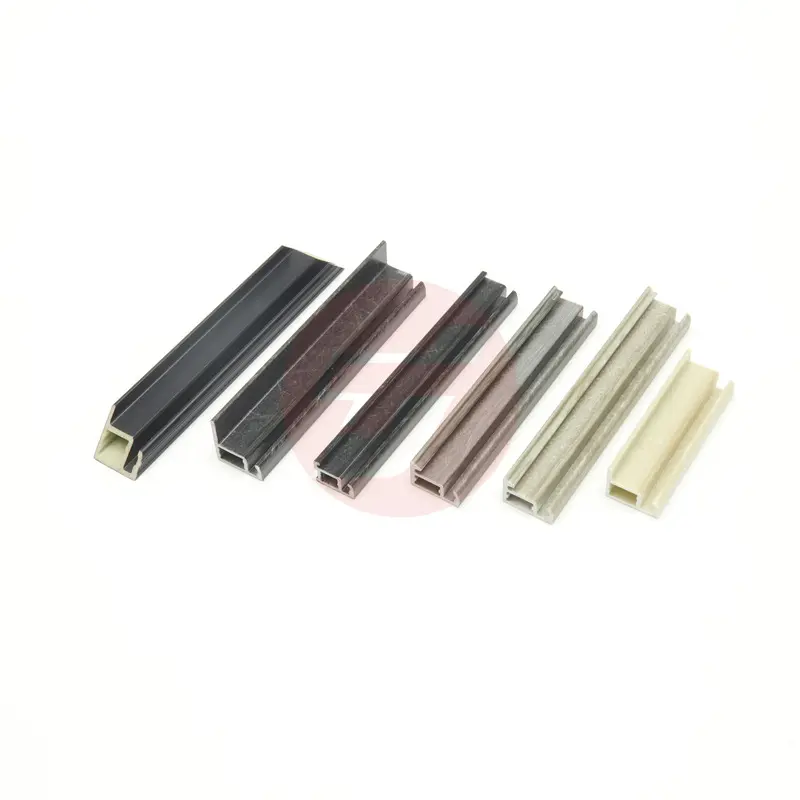
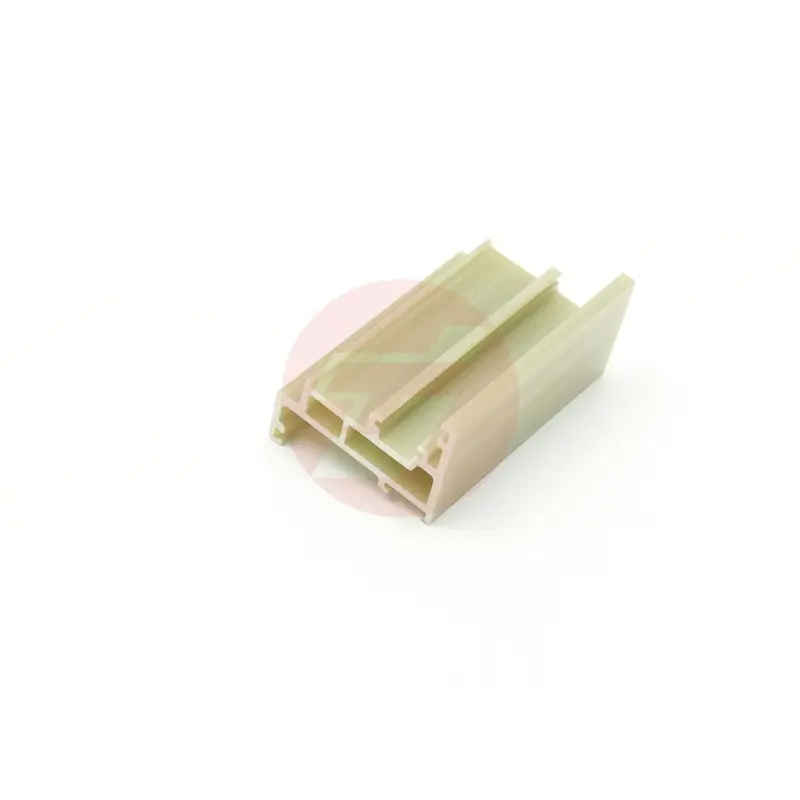
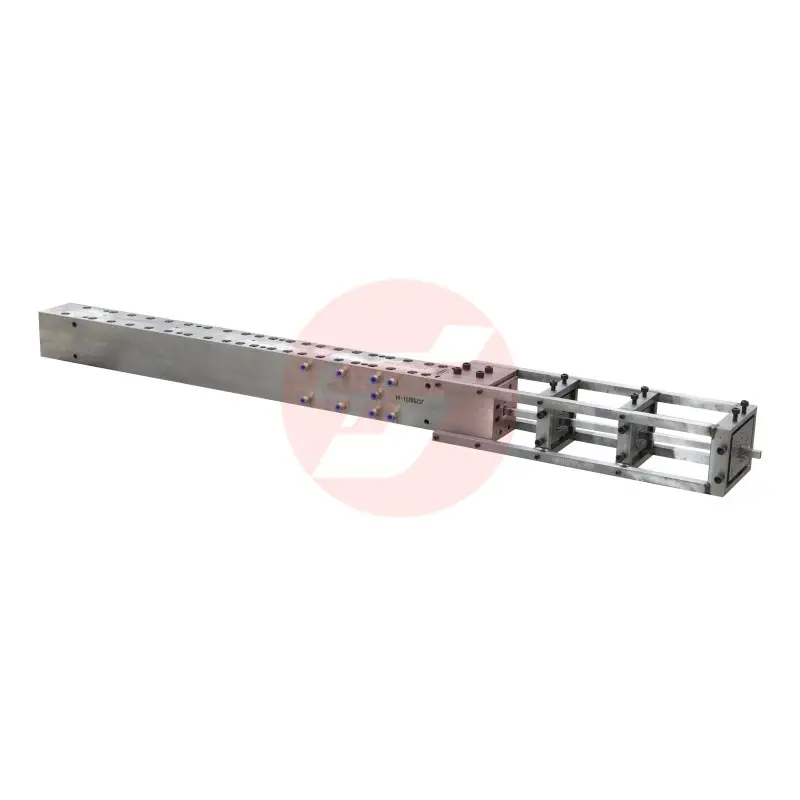
Reinforced polyurethane molds represent a revolutionary advancement in industrial manufacturing technology, combining the flexibility of polyurethane with enhanced structural integrity through strategic reinforcement techniques. These specialized molds serve as critical tools in various production processes, offering manufacturers superior performance compared to traditional molding solutions. The main functions of reinforced polyurethane molds encompass creating precise replicas of complex shapes, facilitating mass production of consistent products, and enabling cost-effective manufacturing across diverse industries. Their technological features include exceptional dimensional stability, remarkable durability under repeated use cycles, and outstanding resistance to chemical degradation. The reinforcement materials, typically consisting of fiberglass, carbon fiber, or metal inserts, significantly enhance the mold's structural properties while maintaining the inherent advantages of polyurethane. These molds excel in applications requiring intricate detail reproduction, from automotive components and aerospace parts to architectural elements and consumer goods. The manufacturing process involves carefully embedding reinforcement materials within the polyurethane matrix, creating a composite structure that maximizes strength while preserving flexibility. Advanced formulations of reinforced polyurethane molds incorporate specialized additives that improve heat resistance, extend service life, and enhance surface finish quality. The versatility of these molds makes them indispensable in industries such as construction, where they produce decorative concrete elements, and in manufacturing sectors requiring rapid prototyping capabilities. Their ability to capture fine surface textures and complex geometries while withstanding industrial production demands has established reinforced polyurethane molds as preferred solutions for manufacturers seeking reliable, long-lasting tooling options that deliver consistent results across extended production runs.


New Products

Reinforced polyurethane molds deliver exceptional cost-effectiveness by significantly reducing tooling expenses compared to traditional metal molds while providing superior performance over standard rubber alternatives. The enhanced durability of these molds translates directly into longer service life, allowing manufacturers to produce thousands of parts before replacement becomes necessary, substantially lowering per-unit production costs. Their lightweight construction facilitates easy handling and transportation, reducing labor requirements and improving workplace safety during mold changes and maintenance procedures. The remarkable flexibility of reinforced polyurethane molds enables them to release complex shapes effortlessly, including undercuts and intricate details that would challenge rigid molding systems, eliminating the need for costly multi-piece mold designs. These molds demonstrate superior chemical resistance against various casting materials, including concrete, resins, and plastics, ensuring consistent performance across diverse applications without degradation or contamination issues. The excellent dimensional accuracy achieved with reinforced polyurethane molds ensures tight tolerances and consistent part quality throughout production runs, reducing waste and improving overall manufacturing efficiency. Their rapid production capability allows for shorter lead times compared to machined metal molds, enabling faster project completion and improved customer satisfaction. The thermal stability of reinforced polyurethane molds permits use with moderately heated materials while maintaining shape integrity, expanding their application range beyond room-temperature processes. Easy customization options allow manufacturers to modify existing molds or create entirely new designs with minimal investment, providing flexibility to adapt to changing product requirements or market demands. The excellent surface finish quality achieved with reinforced polyurethane molds often eliminates secondary finishing operations, reducing production time and associated labor costs while improving final product appearance. Environmental benefits include reduced material waste during production and the potential for mold recycling at end-of-life, supporting sustainable manufacturing practices. Their versatility across multiple industries makes reinforced polyurethane molds valuable investments that can serve various production needs, maximizing return on tooling investments while providing reliable performance across extended service periods.

Practical Tips

How to Evaluate the Quality of Glass Fiber Pultrusion Molds?

29

Dec

How to Evaluate the Quality of Glass Fiber Pultrusion Molds?

Manufacturing high-quality composite products requires precise tooling, and glass fiber pultrusion molds serve as the foundation for successful pultrusion processes. These specialized molds determine the dimensional accuracy, surface finish, and over...
View More
Why Do Wind Turbine OEMs Prefer High-Accuracy Carbon Fiber Beam Molds?

05

Jan

Why Do Wind Turbine OEMs Prefer High-Accuracy Carbon Fiber Beam Molds?

The wind energy sector has experienced unprecedented growth as global demand for renewable energy solutions continues to surge. Original Equipment Manufacturers (OEMs) in the wind turbine industry face increasing pressure to deliver high-performance,...
View More
How Do Carbon Fiber Pultruded Products Improve Structural Strength?

13

Feb

How Do Carbon Fiber Pultruded Products Improve Structural Strength?

Carbon fiber pultruded products represent a revolutionary advancement in structural engineering, offering exceptional strength-to-weight ratios that surpass traditional materials like steel and aluminum. These advanced composite materials are manufac...
View More
Which Industries Rely Most on Glass Fiber Pultruded Profiles?

13

Feb

Which Industries Rely Most on Glass Fiber Pultruded Profiles?

Modern manufacturing across diverse industries increasingly depends on advanced composite materials that deliver exceptional strength, durability, and versatility. Glass fiber pultruded profiles have emerged as a cornerstone solution for applications...
View More

Get a Free Quote

A professional manufacturer of composite material molds.
Email
WhatsApp
Name
Company Name
Message
0/1000
Attachment
Please upload at least an attachment
Up to 3 files,more 30mb,suppor jpg、jpeg、png、pdf、doc、docx、xls、xlsx、csv、txt

reinforced polyurethane molds

Exceptional Durability and Extended Service Life

Exceptional Durability and Extended Service Life

The exceptional durability of reinforced polyurethane molds stems from their innovative composite construction that combines the inherent flexibility of polyurethane with the structural strength of embedded reinforcement materials. This unique combination creates molds capable of withstanding thousands of production cycles without significant wear or dimensional changes, providing manufacturers with reliable tooling solutions that deliver consistent results over extended periods. The reinforcement materials, carefully selected based on specific application requirements, create a protective framework within the polyurethane matrix that distributes stress evenly throughout the mold structure, preventing localized failures and extending overall service life. Unlike traditional rubber molds that may deteriorate rapidly under demanding production conditions, reinforced polyurethane molds maintain their dimensional accuracy and surface quality throughout their operational lifetime, ensuring consistent part quality from the first casting to the last. The chemical resistance properties of these molds prevent degradation when exposed to various casting materials, including aggressive chemicals and solvents commonly used in industrial applications, further extending their usable life and maintaining production consistency. Advanced polyurethane formulations incorporated into these molds include UV stabilizers and antioxidants that protect against environmental factors that could otherwise cause premature aging or deterioration. The superior tear resistance of reinforced polyurethane molds allows them to handle complex geometries and sharp details without damage, while their excellent abrasion resistance ensures that repeated demolding operations do not compromise surface quality or dimensional integrity. This durability translates into significant cost savings for manufacturers, as the extended service life reduces mold replacement frequency and associated downtime, while maintaining consistent production quality that minimizes waste and rework. The robust construction of reinforced polyurethane molds also enables their use in automated production systems where reliable performance under continuous operation is essential for maintaining production schedules and meeting delivery commitments.
Superior Flexibility and Complex Shape Reproduction

Superior Flexibility and Complex Shape Reproduction

The superior flexibility of reinforced polyurethane molds revolutionizes complex shape reproduction by enabling the successful molding of intricate geometries that would be impossible or extremely costly with rigid molding systems. This remarkable flexibility allows the molds to deform during part removal without permanent damage, accommodating undercuts, deep recesses, and complex contours that would require expensive multi-piece mold designs in traditional metallic systems. The controlled flexibility achieved through precise reinforcement placement ensures that the mold maintains dimensional accuracy while providing sufficient give to release challenging shapes, eliminating the need for draft angles in many applications and enabling the production of parts with true-to-design specifications. The elastic memory properties of reinforced polyurethane molds ensure that they return to their original shape after each demolding cycle, maintaining consistent cavity dimensions throughout the production run and ensuring uniform part quality from first to last casting. This flexibility advantage becomes particularly valuable in architectural applications where complex decorative elements require detailed texture reproduction and sharp edge definition that rigid molds cannot achieve without compromising design integrity. The ability to capture fine surface details while maintaining structural integrity makes reinforced polyurethane molds ideal for applications requiring high-fidelity reproduction of textures, patterns, and intricate features that define product aesthetics and functionality. Advanced formulations of these molds can be tailored to provide specific flexibility characteristics based on application requirements, allowing manufacturers to optimize performance for particular shapes or production conditions. The flexibility advantage extends beyond shape complexity to include the ability to accommodate slight dimensional variations in master patterns or prototypes, providing tolerance for imperfections that might otherwise require costly pattern modifications. This adaptability makes reinforced polyurethane molds particularly valuable in prototype development and small-batch production where design iterations are common and tooling flexibility prevents costly delays. The combination of flexibility and strength in reinforced polyurethane molds enables manufacturers to explore innovative product designs that were previously limited by molding constraints, opening new possibilities for creative solutions and competitive differentiation in the marketplace.
Cost-Effective Manufacturing Solution with Rapid Production

Cost-Effective Manufacturing Solution with Rapid Production

Reinforced polyurethane molds represent the ultimate cost-effective manufacturing solution by delivering exceptional value through reduced tooling costs, accelerated production timelines, and minimized operational expenses compared to traditional molding alternatives. The manufacturing process for these molds requires significantly lower investment than machined metal molds while providing superior performance and longevity compared to basic elastomeric alternatives, creating an optimal balance between initial cost and long-term value. The rapid production capability of reinforced polyurethane molds enables manufacturers to move from concept to production in days rather than weeks or months required for traditional tooling, reducing time-to-market and improving competitive positioning in fast-moving industries. This speed advantage becomes particularly valuable in industries where rapid prototyping and quick design iterations are essential for product development success, allowing multiple design concepts to be evaluated quickly and cost-effectively. The versatility of reinforced polyurethane molds eliminates the need for multiple specialized tools by accommodating various materials and production techniques within a single mold system, reducing tooling inventory and associated storage costs while simplifying production planning and scheduling. Labor cost reductions achieved through the lightweight and easy-handling characteristics of these molds improve overall production efficiency by reducing setup times, minimizing operator fatigue, and enabling faster mold changes that maximize productive uptime. The excellent release properties of reinforced polyurethane molds eliminate the need for expensive release agents in many applications, reducing material costs and simplifying production procedures while improving workplace safety by eliminating exposure to potentially hazardous chemicals. Energy cost savings result from the excellent thermal properties of these molds, which require less heating or cooling energy to maintain optimal production temperatures, contributing to overall operational efficiency and environmental sustainability. The reduced maintenance requirements of reinforced polyurethane molds minimize downtime and associated costs while extending productive capacity, allowing manufacturers to meet demanding production schedules without compromising quality or increasing overtime expenses. Quality consistency achieved with these molds reduces waste and rework costs while improving customer satisfaction through reliable delivery of products meeting specifications, creating additional value through enhanced reputation and repeat business opportunities.

Get a Free Quote

A professional manufacturer of composite material molds.
Email
WhatsApp
Name
Company Name
Message
0/1000
Attachment
Please upload at least an attachment
Up to 3 files,more 30mb,suppor jpg、jpeg、png、pdf、doc、docx、xls、xlsx、csv、txt