epoxy pultrusion products and molds
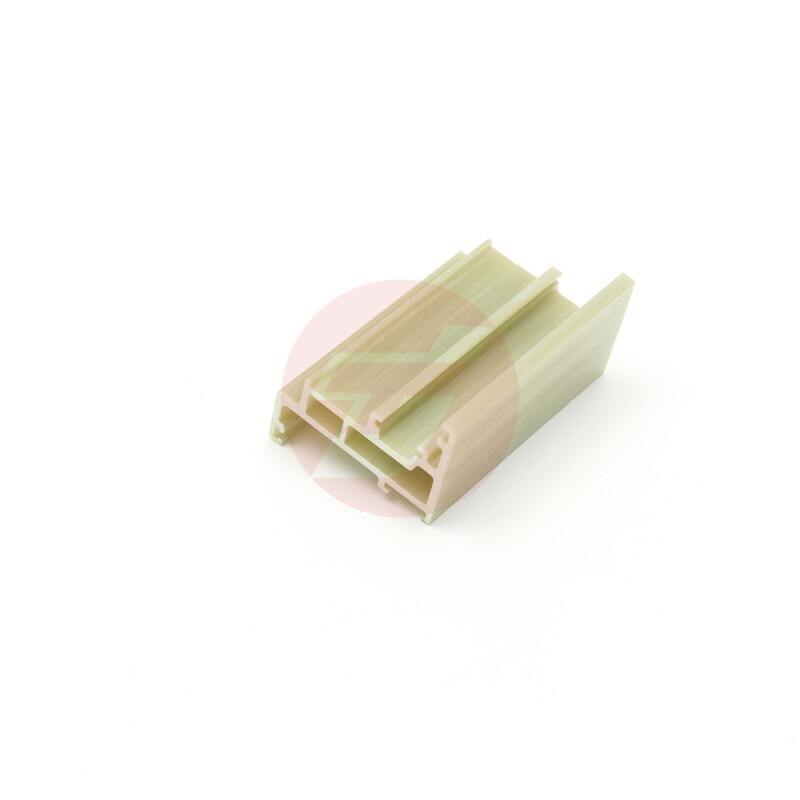
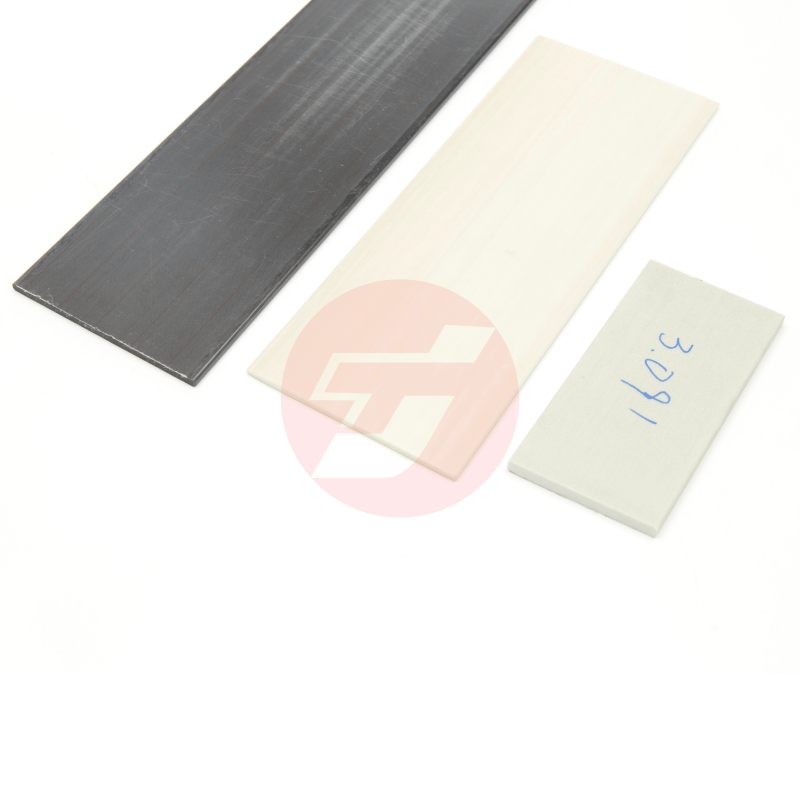
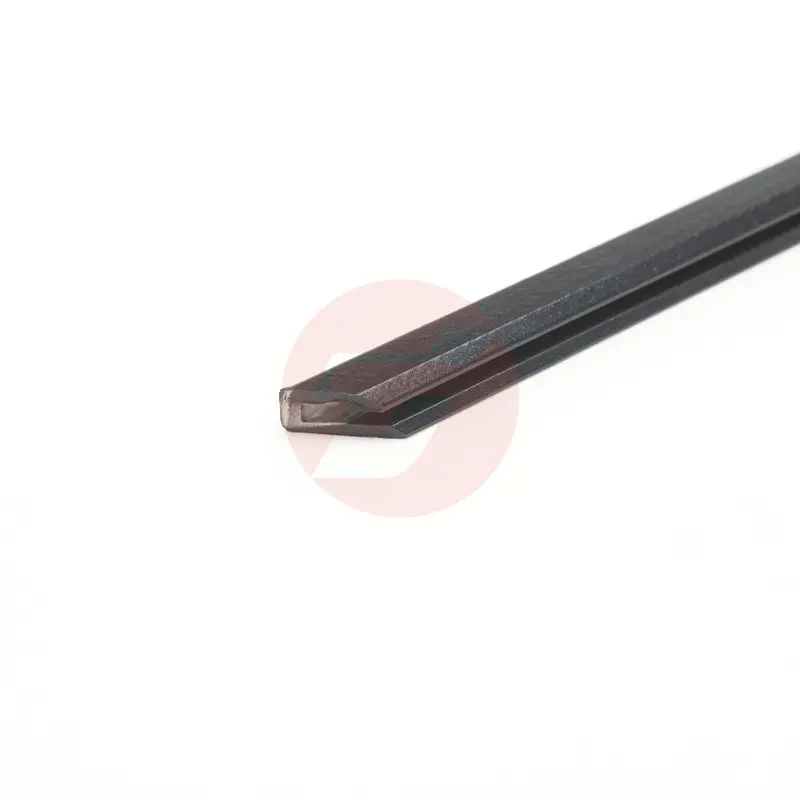
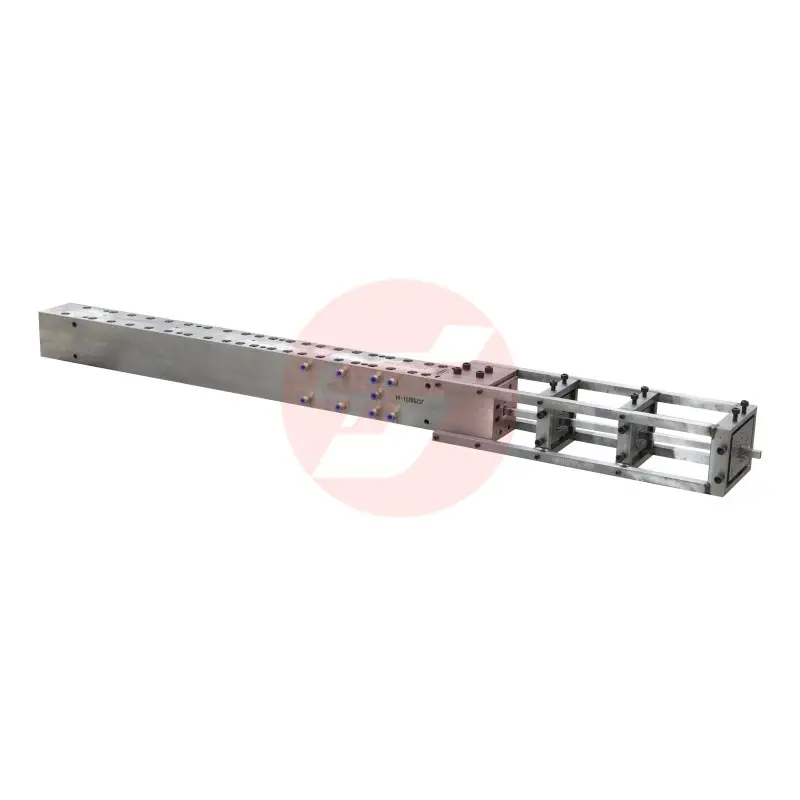
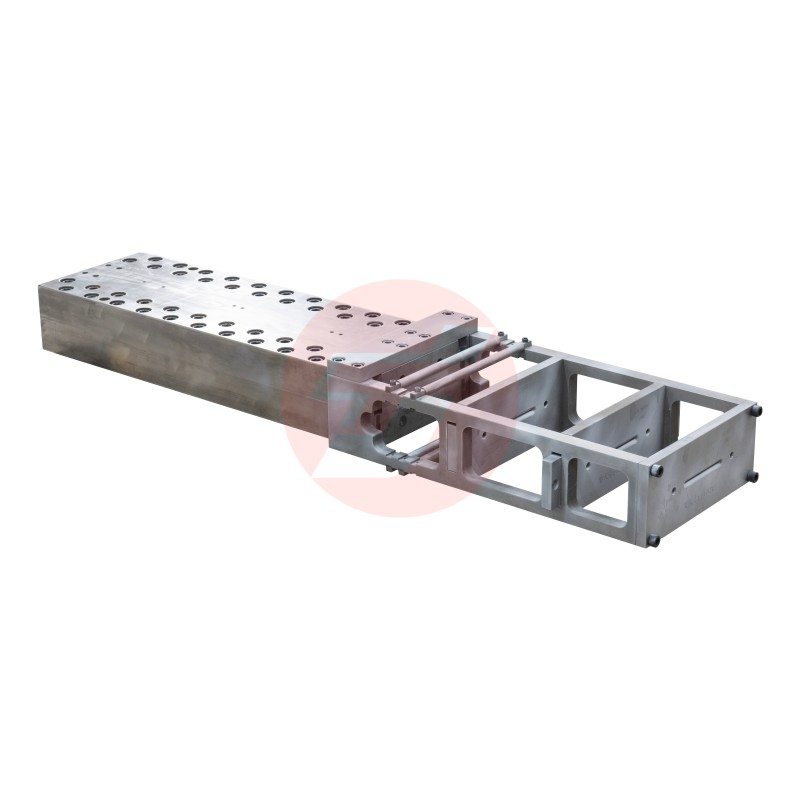
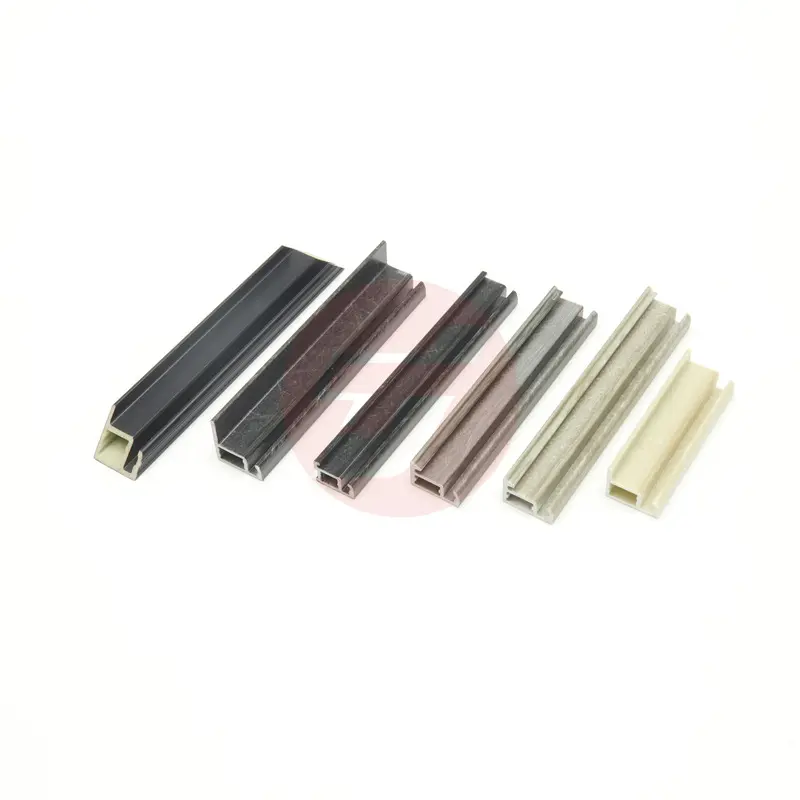
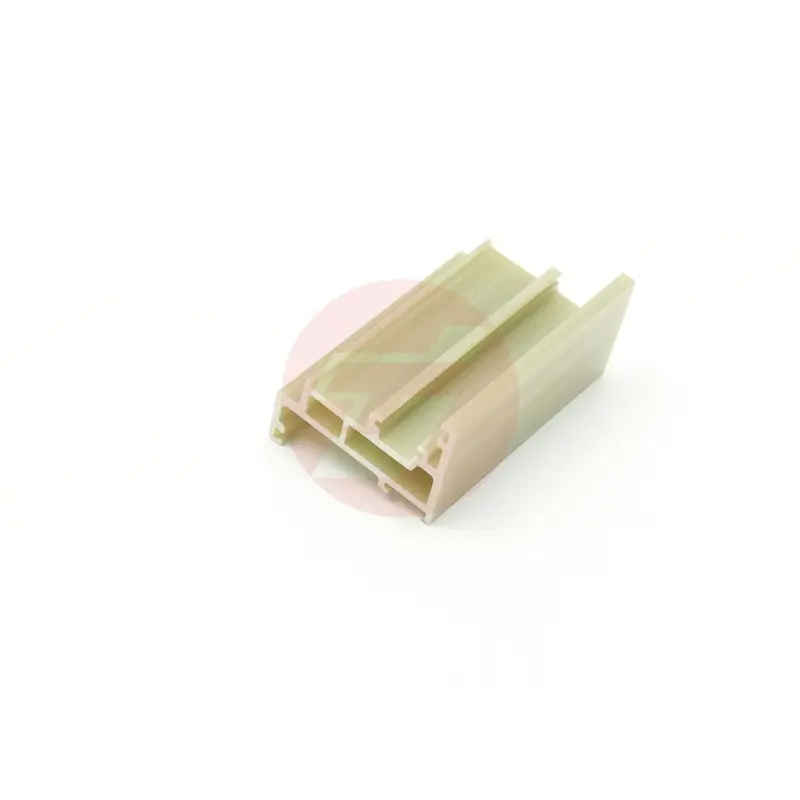
Epoxy pultrusion products and molds represent a cutting-edge manufacturing solution that combines advanced composite materials with precision engineering to create high-performance structural components. This innovative process involves pulling continuous reinforcing fibers through a heated die containing epoxy resin, resulting in products with exceptional strength-to-weight ratios and superior dimensional accuracy. The epoxy pultrusion products and molds technology enables manufacturers to produce consistent, high-quality profiles with complex cross-sectional geometries that would be difficult or impossible to achieve through traditional manufacturing methods. The main functions of epoxy pultrusion products and molds include creating structural beams, channels, tubes, rods, and custom profiles for various industrial applications. These products excel in environments where traditional materials like steel or aluminum fall short, offering superior corrosion resistance, electrical insulation properties, and thermal stability. The technological features of epoxy pultrusion products and molds encompass precise temperature control systems, automated pulling mechanisms, and sophisticated resin injection systems that ensure uniform fiber wet-out and optimal cure cycles. Advanced monitoring systems track critical parameters such as line speed, temperature profiles, and resin viscosity to maintain consistent product quality. The pultrusion process utilizes specially designed molds that shape the final product while the epoxy resin cures under controlled heat and pressure conditions. Applications for epoxy pultrusion products and molds span across multiple industries including construction, transportation, energy, and infrastructure development. In construction, these products serve as structural reinforcement elements, bridge decking, and architectural components. The transportation sector utilizes epoxy pultrusion products and molds for manufacturing lightweight yet strong components in automotive, marine, and aerospace applications. Energy infrastructure benefits from these products through utility poles, cable trays, and wind energy components that require long-term durability and weather resistance.

 EN
EN