Premium Thermoset Composite Pultrusion Molds - Advanced Manufacturing Solutions

All Categories

Get a Free Quote

A professional manufacturer of composite material molds.
Email
WhatsApp
Name
Company Name
Message
0/1000
Attachment
Please upload at least an attachment
Up to 3 files,more 30mb,suppor jpg、jpeg、png、pdf、doc、docx、xls、xlsx、csv、txt

thermoset composite pultrusion molds

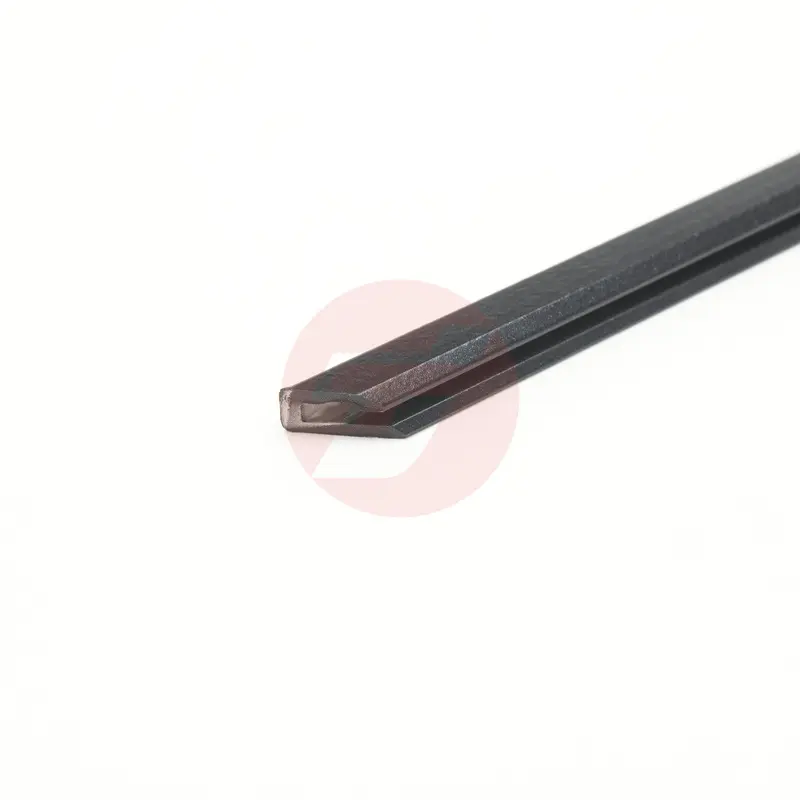
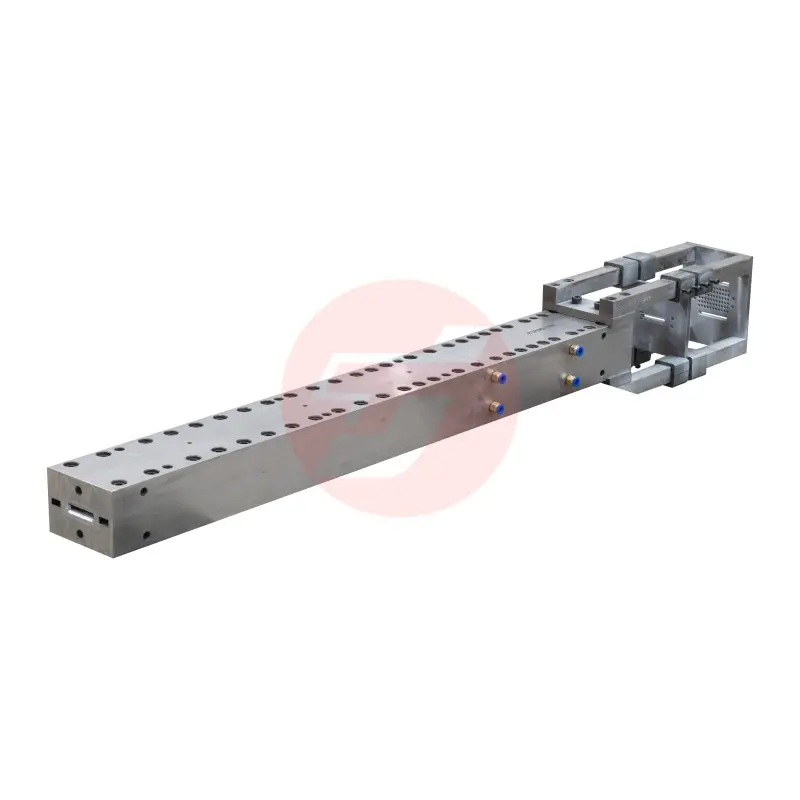
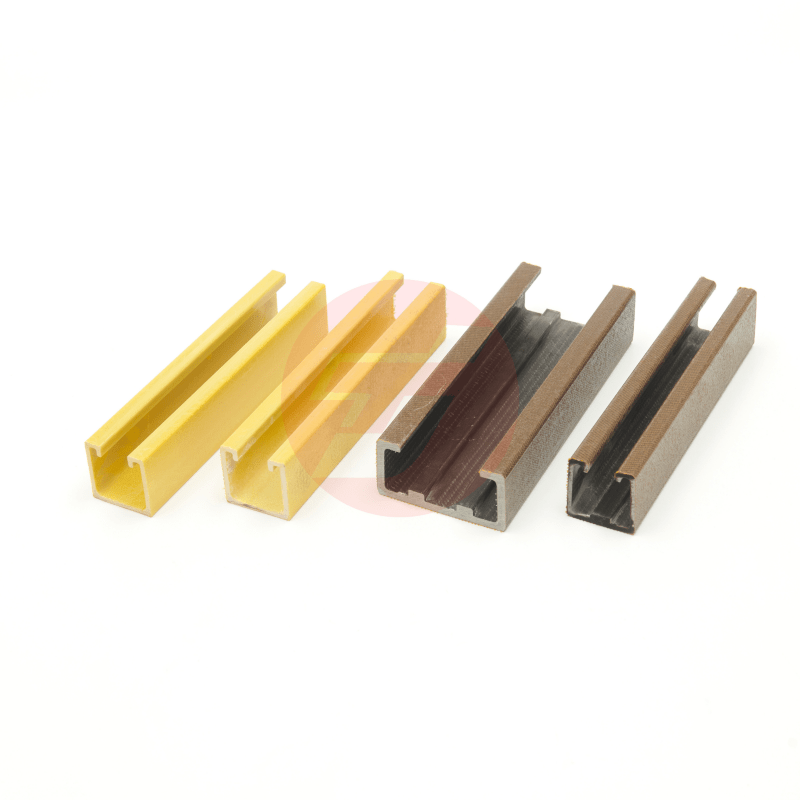
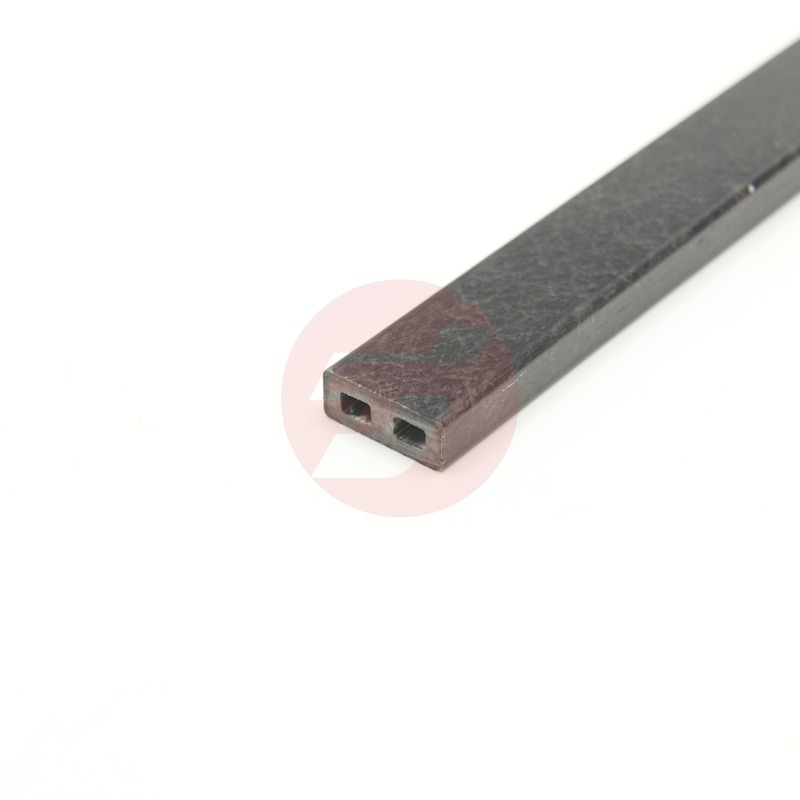
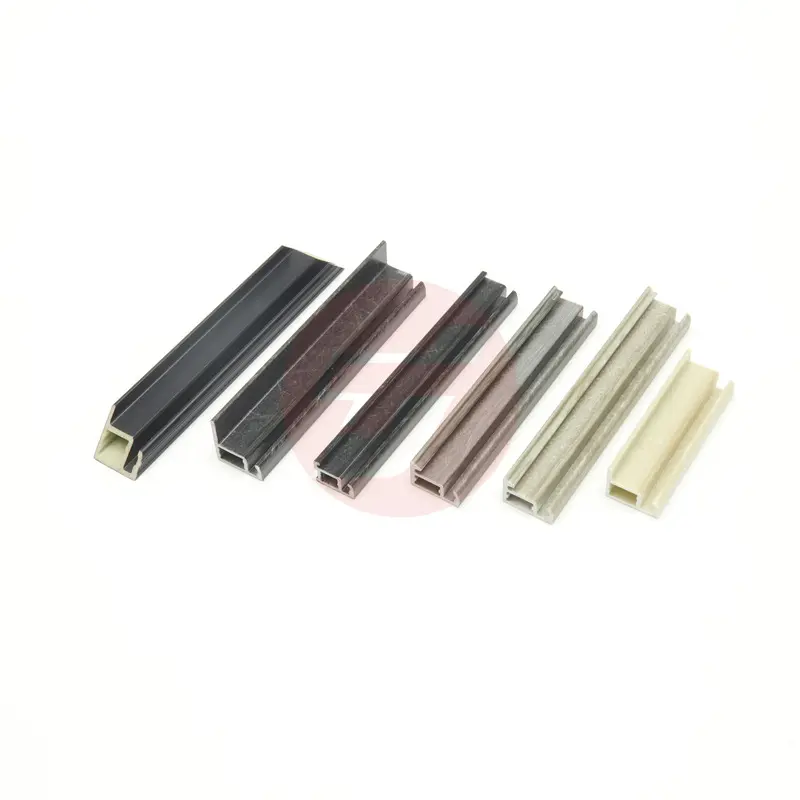
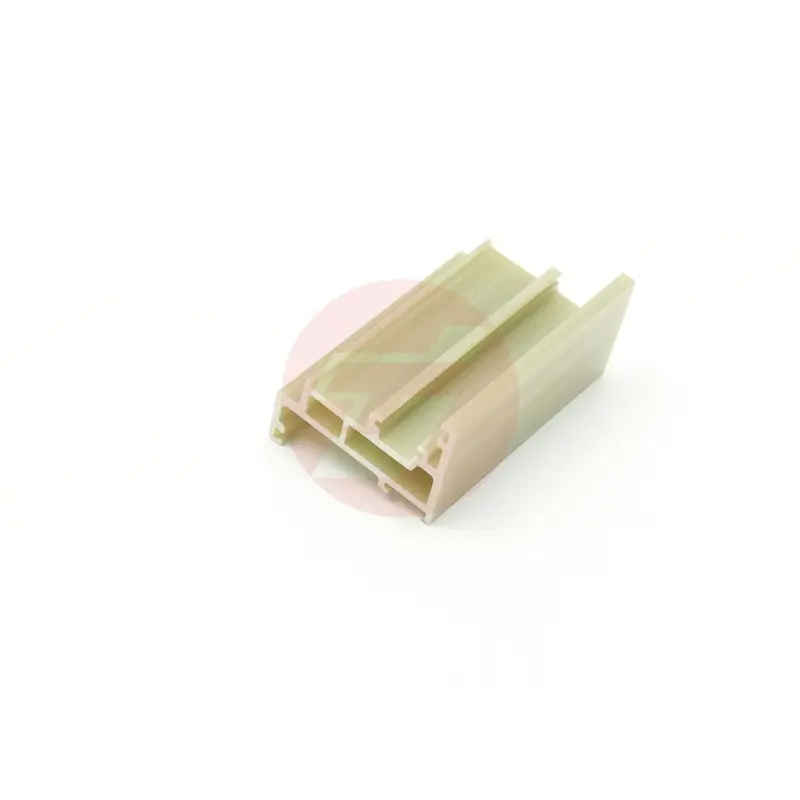
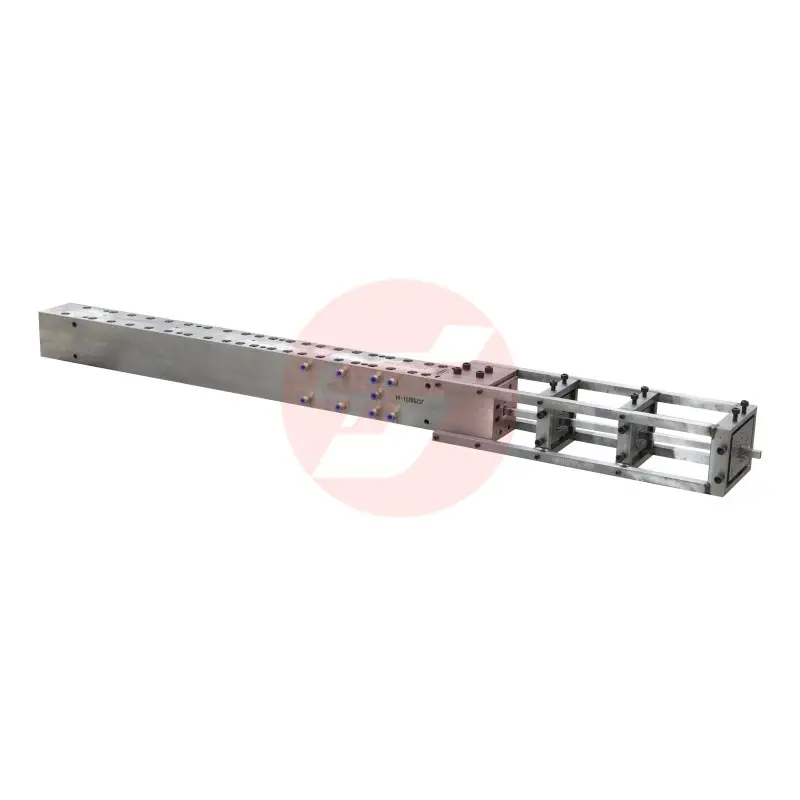
Thermoset composite pultrusion molds represent a revolutionary manufacturing technology that transforms raw composite materials into high-strength, lightweight structural components through a continuous automated process. These specialized molds serve as the foundation for creating consistent, dimensionally accurate profiles used across multiple industries. The pultrusion process involves pulling reinforcing fibers through a resin bath, then through the heated thermoset composite pultrusion molds where curing occurs under controlled temperature and pressure conditions. This technology produces structural elements with exceptional mechanical properties, including superior tensile strength, corrosion resistance, and thermal stability. The main functions of thermoset composite pultrusion molds include shaping the composite material into precise cross-sectional geometries, maintaining dimensional accuracy throughout the production cycle, and ensuring uniform heat distribution for optimal curing. These molds incorporate advanced heating systems that maintain consistent temperatures ranging from 120°C to 200°C, enabling complete polymerization of the thermosetting resin matrix. Technological features include precision-machined cavities, integrated heating elements, temperature monitoring systems, and specialized release coatings that prevent material adhesion. The molds are typically constructed from high-grade tool steels or specialized alloys that withstand repeated thermal cycling without dimensional distortion. Applications span numerous sectors including construction, where thermoset composite pultrusion molds produce structural beams, reinforcement bars, and architectural elements. In transportation, these molds create lightweight components for automotive, marine, and aerospace applications. Infrastructure projects utilize pultruded profiles for bridges, walkways, and utility structures. The electrical industry relies on these molds for producing non-conductive components such as insulators and cable trays. Chemical processing facilities use pultruded elements created by these molds for their excellent chemical resistance properties. The versatility of thermoset composite pultrusion molds enables manufacturers to produce complex geometries with consistent quality, making them indispensable for modern composite manufacturing operations.


New Product Releases

Thermoset composite pultrusion molds deliver exceptional manufacturing efficiency that significantly reduces production costs while maintaining superior product quality. These molds enable continuous production processes that operate 24 hours daily, maximizing output and minimizing labor requirements compared to traditional manufacturing methods. The automated nature of pultrusion using these specialized molds eliminates many manual handling steps, reducing human error and ensuring consistent product specifications across entire production runs. Material waste decreases substantially because the process uses precise amounts of resin and reinforcement, with minimal trimming required after molding. The excellent dimensional accuracy achieved through thermoset composite pultrusion molds means finished products require little to no secondary machining operations, further reducing manufacturing costs and delivery times. Energy efficiency represents another significant advantage, as these molds maintain optimal curing temperatures with minimal energy consumption through advanced insulation and heating technologies. The durability of properly maintained thermoset composite pultrusion molds extends operational life significantly, often exceeding 10,000 production cycles before requiring major maintenance. This longevity translates into lower tooling costs per unit produced, improving overall manufacturing economics. Quality consistency stands out as a primary benefit, with thermoset composite pultrusion molds producing identical profiles that meet stringent dimensional tolerances repeatedly. Surface finish quality remains uniform across production runs, eliminating the variations common in hand-layup or other manual composite manufacturing processes. The molds accommodate various fiber orientations and resin systems, providing flexibility to optimize material properties for specific applications. Temperature control precision ensures complete cure throughout the cross-section, eliminating weak spots or uncured regions that could compromise structural integrity. Maintenance requirements remain minimal due to the robust construction of thermoset composite pultrusion molds, with routine cleaning and periodic heating element inspection being the primary maintenance tasks. Production scalability becomes straightforward, as additional molds can be integrated into existing production lines without major equipment modifications. The consistent output quality reduces inspection requirements and rejection rates, improving overall manufacturing efficiency while maintaining customer satisfaction through reliable product delivery.

Practical Tips

What Affects the Dimensional Accuracy of Epoxy Pultruded Products?

05

Jan

What Affects the Dimensional Accuracy of Epoxy Pultruded Products?

The dimensional accuracy of epoxy pultruded products plays a crucial role in determining their performance and suitability for various industrial applications. Manufacturing professionals across aerospace, automotive, and construction industries rely...
View More
How Does Polyurethane Enhance Performance in Pultruded Components?

05

Jan

How Does Polyurethane Enhance Performance in Pultruded Components?

The construction and manufacturing industries are constantly seeking materials that deliver superior performance while maintaining cost-effectiveness. Polyurethane pultrusion has emerged as a revolutionary process that combines the excellent properti...
View More
What Factors Determine the Lifespan of Carbon Fiber Pultruded Products?

13

Feb

What Factors Determine the Lifespan of Carbon Fiber Pultruded Products?

Carbon fiber pultrusion represents one of the most advanced manufacturing processes for creating high-performance composite materials with exceptional strength-to-weight ratios. This innovative technique produces continuous fiber-reinforced profiles ...
View More
Which Industries Rely Most on Glass Fiber Pultruded Profiles?

13

Feb

Which Industries Rely Most on Glass Fiber Pultruded Profiles?

Modern manufacturing across diverse industries increasingly depends on advanced composite materials that deliver exceptional strength, durability, and versatility. Glass fiber pultruded profiles have emerged as a cornerstone solution for applications...
View More

Get a Free Quote

A professional manufacturer of composite material molds.
Email
WhatsApp
Name
Company Name
Message
0/1000
Attachment
Please upload at least an attachment
Up to 3 files,more 30mb,suppor jpg、jpeg、png、pdf、doc、docx、xls、xlsx、csv、txt

thermoset composite pultrusion molds

Advanced Temperature Control Systems for Optimal Curing Performance

Advanced Temperature Control Systems for Optimal Curing Performance

The sophisticated temperature control systems integrated within thermoset composite pultrusion molds represent a breakthrough in composite manufacturing precision, delivering unparalleled curing consistency that directly impacts final product quality and performance characteristics. These advanced systems utilize multiple heating zones strategically positioned throughout the mold cavity, ensuring uniform heat distribution across complex cross-sectional geometries. Each heating zone operates independently with precision temperature controllers that maintain setpoints within ±2°C, eliminating hot spots or cold zones that could compromise material properties. The temperature control systems employ various heating technologies including electric cartridge heaters, circulation heating, and induction heating depending on specific application requirements. Thermal monitoring occurs through strategically placed thermocouples and infrared sensors that provide real-time feedback to automated control systems. This continuous monitoring enables immediate adjustments to maintain optimal curing conditions throughout production cycles. The benefits extend beyond simple temperature maintenance, as these systems optimize cure profiles to match specific resin chemistries and fiber reinforcement types. Different thermosetting resins require distinct temperature ramp rates and hold times to achieve maximum cross-linking density and mechanical properties. The advanced control systems in thermoset composite pultrusion molds accommodate these varying requirements through programmable cure cycles that automatically adjust heating parameters based on material specifications. Energy efficiency improvements result from precise temperature control, as the systems heat only to required levels without overshooting setpoints that waste energy and potentially damage materials. The thermal uniformity achieved prevents internal stresses that could lead to warping, cracking, or delamination in finished products. Quality assurance benefits include reduced scrap rates, improved mechanical properties, and enhanced surface finish consistency. Manufacturing flexibility increases significantly, as operators can quickly transition between different material systems by simply adjusting temperature profiles through user-friendly control interfaces. The robust design of these temperature control systems ensures reliable operation in demanding industrial environments, with backup systems and fail-safes protecting against equipment failures that could interrupt production or damage expensive tooling.
Precision Engineering for Dimensional Accuracy and Surface Quality

Precision Engineering for Dimensional Accuracy and Surface Quality

Precision engineering capabilities within thermoset composite pultrusion molds establish new standards for dimensional accuracy and surface quality in composite manufacturing, addressing critical customer requirements for consistent, high-quality finished products. These molds undergo extensive machining processes using advanced CNC equipment that achieves surface finishes measured in microinches, resulting in composite profiles with exceptional dimensional stability and superior aesthetic appeal. The precision engineering process begins with detailed computer-aided design that optimizes mold geometries for specific applications while accounting for material shrinkage, thermal expansion, and processing variables. Advanced manufacturing techniques including electrical discharge machining, precision grinding, and multi-axis milling create complex internal geometries with tolerances measured in thousandths of inches. Surface treatments applied to thermoset composite pultrusion molds include specialized release coatings, chrome plating, and proprietary surface texturing that enhance product release while imparting desired surface characteristics to finished composites. The engineering precision extends to cooling channels, venting systems, and reinforcement integration points that optimize processing conditions while maintaining structural integrity. Dimensional accuracy benefits include consistent cross-sectional dimensions that eliminate assembly problems and ensure proper fit-up in structural applications. Surface quality improvements manifest as reduced surface roughness, elimination of fiber print-through, and consistent gloss levels that often eliminate secondary finishing operations. The precision engineering approach enables complex geometries including hollow sections, integrated fastening features, and variable wall thicknesses that would be impossible with traditional manufacturing methods. Quality control measures during mold fabrication include coordinate measuring machine inspection, surface roughness verification, and dimensional certification that ensures each thermoset composite pultrusion mold meets specified tolerances before entering production service. Maintenance benefits result from precision engineering, as properly finished surfaces resist wear, corrosion, and material buildup that could compromise product quality over time. The investment in precision engineering pays dividends through extended mold life, reduced maintenance requirements, and consistent product quality that enhances customer satisfaction and reduces warranty claims.
Versatile Material Compatibility and Production Flexibility

Versatile Material Compatibility and Production Flexibility

The exceptional material compatibility and production flexibility offered by thermoset composite pultrusion molds enables manufacturers to address diverse market demands while optimizing production efficiency across multiple product lines and material systems. These versatile molds accommodate various thermosetting resin systems including polyester, vinyl ester, epoxy, and specialized formulations, allowing manufacturers to select optimal materials for specific performance requirements and cost targets. Reinforcement compatibility extends to glass fibers, carbon fibers, aramid fibers, and natural fiber reinforcements in multiple forms including continuous rovings, woven fabrics, unidirectional tapes, and random chopped strands. The flexibility to combine different reinforcement types within single profiles enables designers to optimize mechanical properties while managing material costs effectively. Processing parameter adjustments through advanced control systems allow thermoset composite pultrusion molds to accommodate materials with varying cure characteristics, viscosity profiles, and processing windows without requiring tooling modifications. Temperature ranges from 120°C to 200°C cover virtually all commercial thermosetting systems, while adjustable pull speeds enable optimization for different material combinations and cross-sectional complexities. Production flexibility manifests through quick changeover capabilities that minimize downtime when transitioning between different products or material systems. Modular mold designs allow section modifications without complete tooling replacement, enabling manufacturers to adapt existing thermoset composite pultrusion molds for new applications or design variations. The capability to process multiple product configurations using single mold sets maximizes equipment utilization while reducing capital investment requirements. Color and additive compatibility ensures consistent processing of pigmented systems, flame retardant formulations, and specialty additives without compromising cure quality or dimensional accuracy. Surface treatment options including gel coats, in-mold coatings, and co-pultrusion capabilities expand product possibilities and eliminate secondary operations. Quality benefits include consistent mechanical properties across different material systems, uniform distribution of additives and reinforcements, and reliable processing of both standard and custom formulations. The versatility reduces inventory requirements as manufacturers can utilize fewer mold sets to produce broader product ranges, improving return on investment while maintaining production flexibility to respond quickly to changing market demands and customer specifications.

Get a Free Quote

A professional manufacturer of composite material molds.
Email
WhatsApp
Name
Company Name
Message
0/1000
Attachment
Please upload at least an attachment
Up to 3 files,more 30mb,suppor jpg、jpeg、png、pdf、doc、docx、xls、xlsx、csv、txt