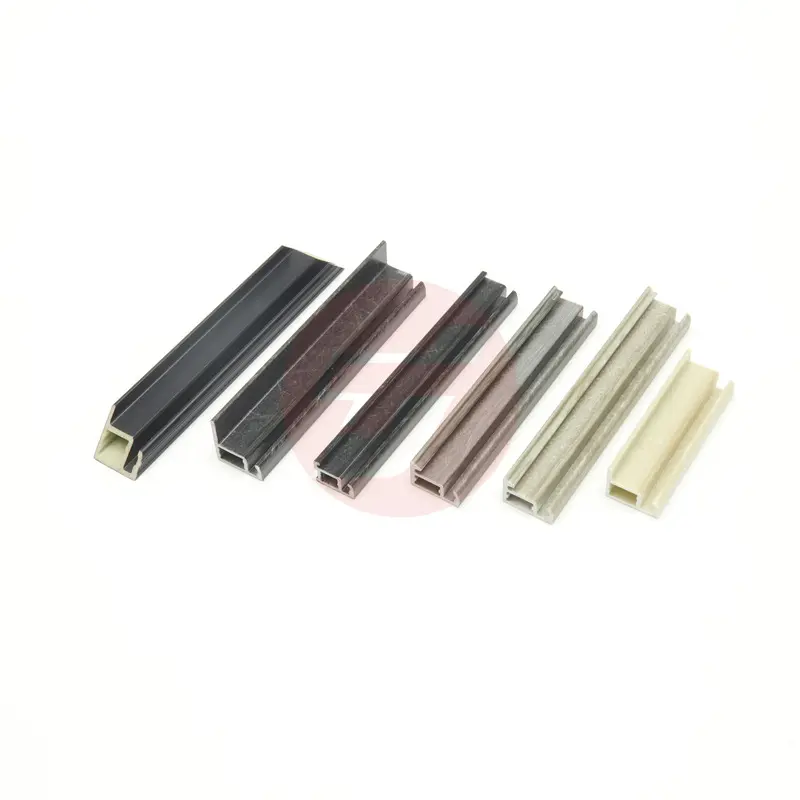
Precision Pultrusion Molds for Photovoltaic Frames - Advanced Solar Manufacturing Solutions

All Categories

Get a Free Quote

A professional manufacturer of composite material molds.
Email
WhatsApp
Name
Company Name
Message
0/1000
Attachment
Please upload at least an attachment
Up to 3 files,more 30mb,suppor jpg、jpeg、png、pdf、doc、docx、xls、xlsx、csv、txt

precision pultrusion mold for photovoltaic frames

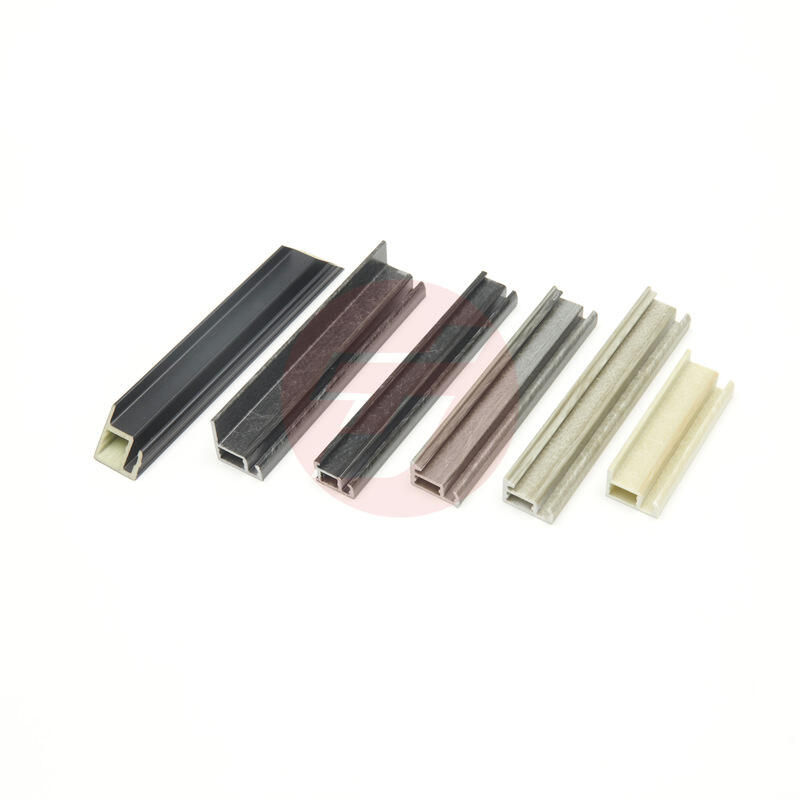
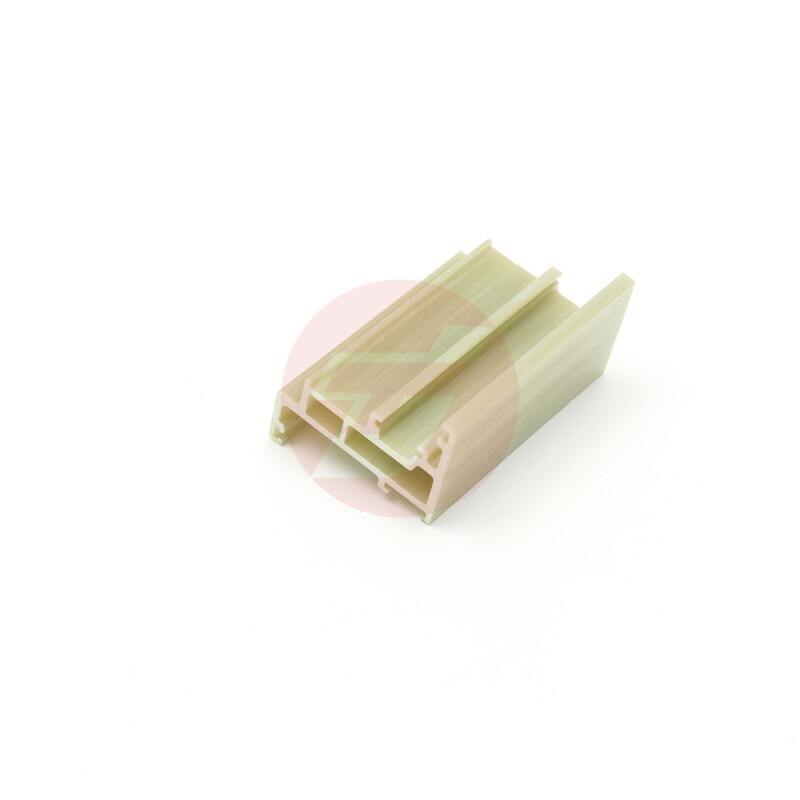
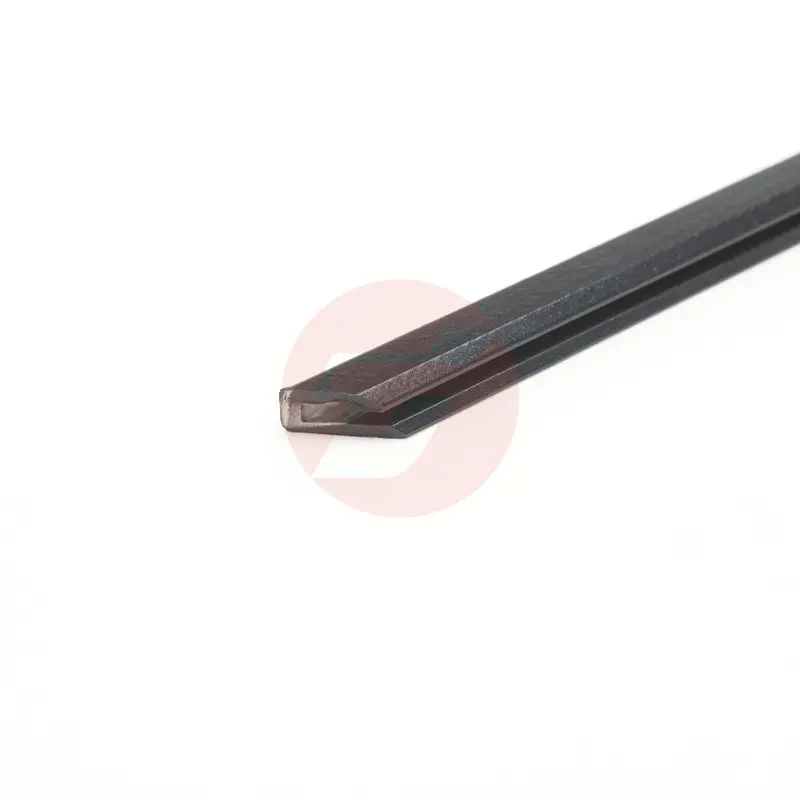
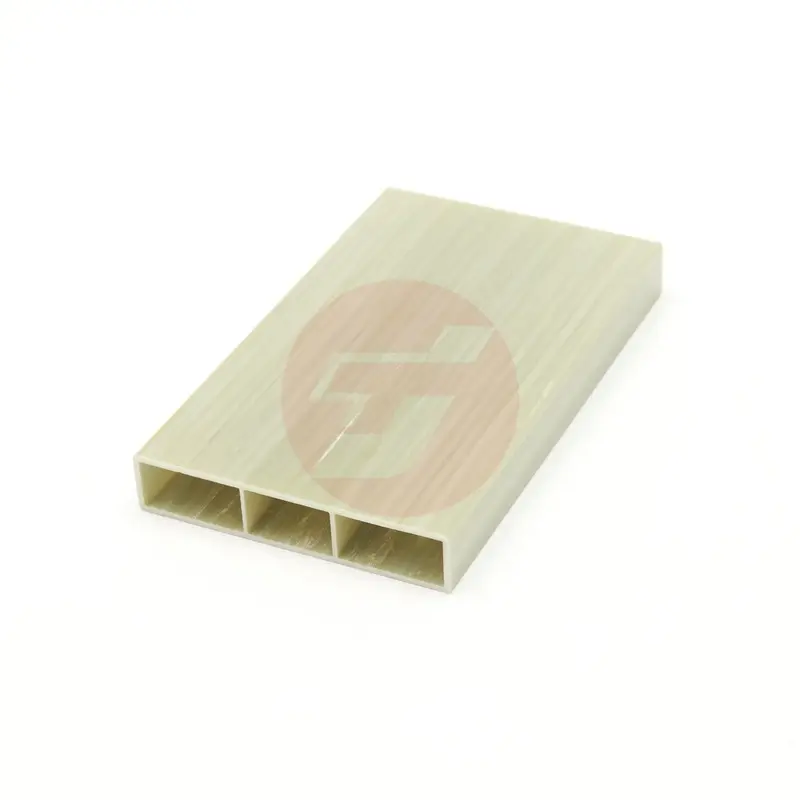
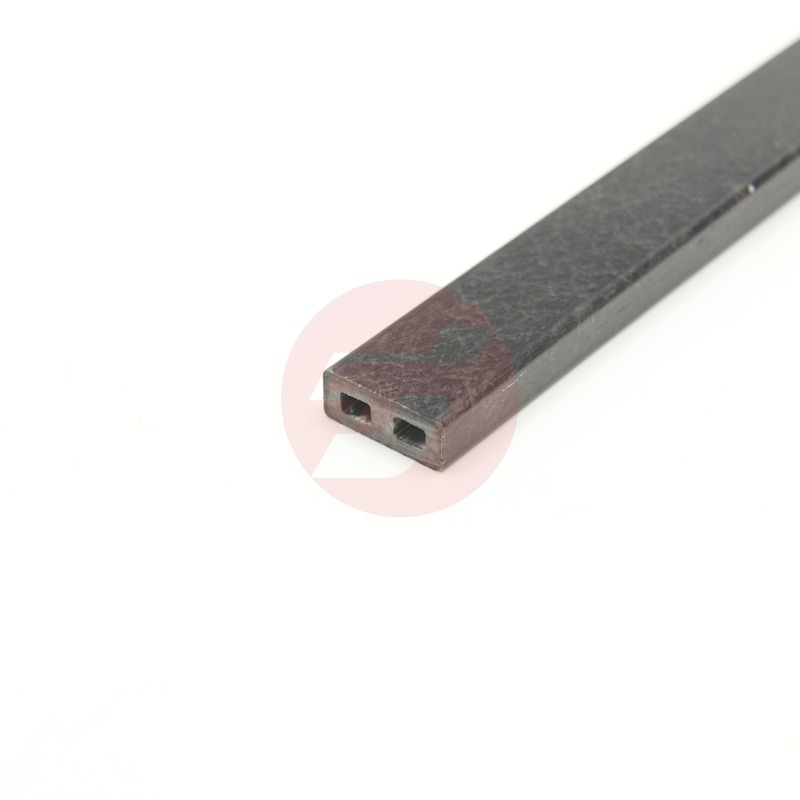
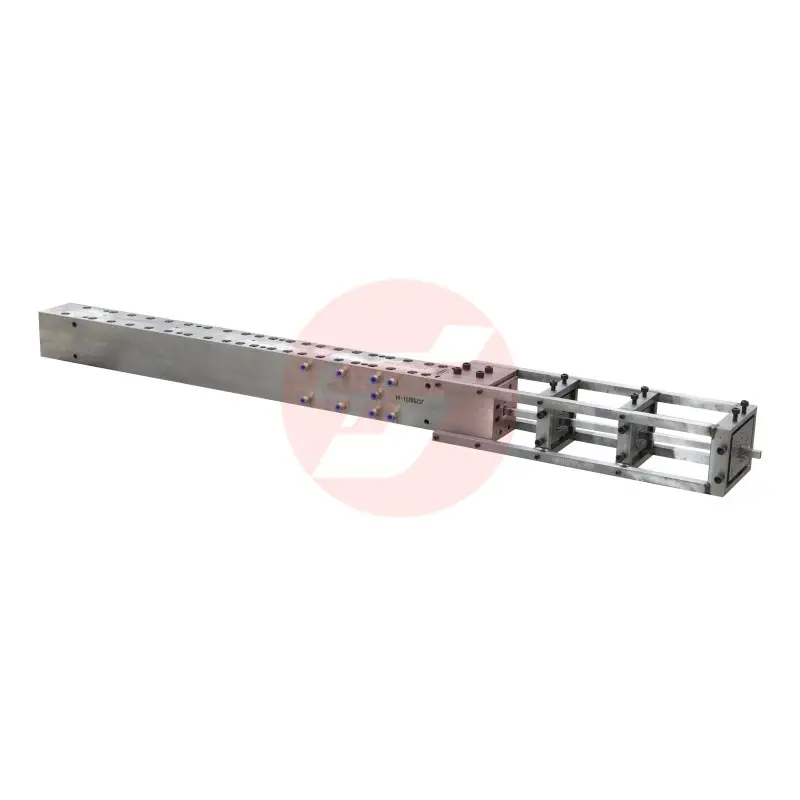
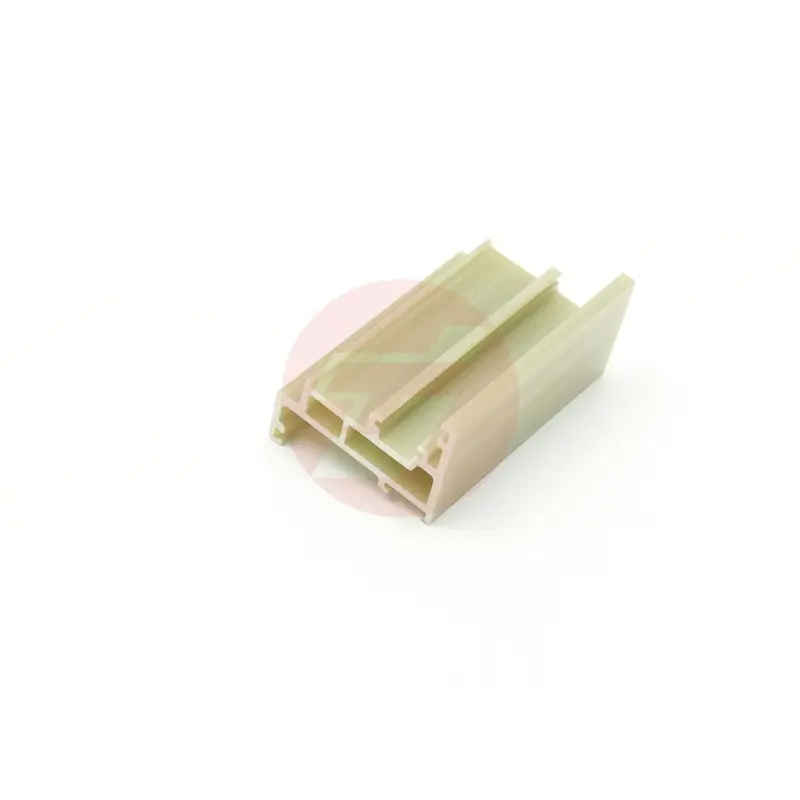
Precision pultrusion molds for photovoltaic frames represent a cornerstone technology in renewable energy manufacturing, specifically designed to create high-quality structural components for solar panel installations. These sophisticated manufacturing tools utilize advanced pultrusion processes to produce continuous fiber-reinforced composite profiles with exceptional dimensional accuracy and surface finish quality. The precision pultrusion mold for photovoltaic frames operates through a controlled heating and pulling mechanism that transforms raw materials into precisely shaped aluminum or composite frame sections essential for solar module assembly. The main functions of these specialized molds include maintaining consistent cross-sectional geometry throughout the production run, ensuring proper material consolidation, controlling temperature distribution across the die cavity, and delivering superior surface quality that meets stringent photovoltaic industry standards. Technological features of precision pultrusion molds encompass advanced heating systems with multiple temperature zones, precision-machined die cavities manufactured from high-grade tool steels, integrated cooling channels for optimal thermal management, and sophisticated monitoring systems that track production parameters in real-time. The mold design incorporates specialized entry and exit zones that facilitate smooth material flow while preventing fiber distortion or matrix cracking. Surface treatments and coatings enhance mold longevity while reducing friction during the pultrusion process. Applications for precision pultrusion molds extend across various photovoltaic frame configurations, including residential solar panel frames, commercial installation systems, utility-scale mounting structures, and specialized architectural solar applications. These molds enable manufacturers to produce lightweight yet robust frame components that withstand environmental challenges while maintaining structural integrity throughout decades of service life. The precision achieved through these manufacturing tools ensures proper panel fit and alignment, critical factors in maximizing solar energy capture efficiency and system reliability in diverse installation environments worldwide.


Popular Products

Precision pultrusion molds for photovoltaic frames deliver substantial cost savings through streamlined manufacturing processes that eliminate secondary machining operations and reduce material waste significantly. These advanced molds enable continuous production runs with minimal operator intervention, dramatically increasing throughput while maintaining consistent quality standards that meet or exceed industry specifications. Manufacturers benefit from reduced labor costs as the automated nature of the pultrusion process requires fewer skilled operators compared to traditional fabrication methods. Energy efficiency improvements result from optimized heating systems that minimize power consumption while maintaining precise temperature control throughout the production cycle. The precision pultrusion mold for photovoltaic frames ensures exceptional dimensional accuracy, eliminating costly rework and rejection rates that plague conventional manufacturing approaches. Quality consistency represents another major advantage, as these molds produce identical frame profiles batch after batch, ensuring reliable assembly processes and predictable performance characteristics in field installations. Material utilization reaches optimal levels through precise control of resin-to-fiber ratios and elimination of excess material trimming, directly impacting production economics. Faster production cycles enable manufacturers to meet increasing market demand for solar installations while maintaining competitive pricing structures. Durability benefits extend product lifecycles as precision-molded frames exhibit superior resistance to environmental stressors including temperature fluctuations, moisture exposure, and ultraviolet radiation that typically degrade inferior frame materials. Maintenance requirements decrease substantially due to robust construction and precise tolerances that prevent premature wear in critical connection points. Design flexibility allows manufacturers to accommodate various frame geometries and specifications without extensive tooling modifications, enabling rapid response to evolving market requirements. Quality assurance becomes more manageable as the controlled manufacturing environment reduces variability and enables comprehensive testing protocols. Environmental benefits include reduced scrap generation and lower energy consumption compared to alternative manufacturing methods, supporting sustainability initiatives while improving overall production efficiency. Customer satisfaction increases through reliable product performance and consistent delivery schedules made possible by streamlined manufacturing processes enabled by precision pultrusion molds for photovoltaic frames.

Latest News

What Advantages Do Glass Fiber Pultruded Products Offer in Construction?

29

Dec

What Advantages Do Glass Fiber Pultruded Products Offer in Construction?

Construction professionals are increasingly turning to advanced composite materials to meet the demanding requirements of modern infrastructure projects. Among these innovative solutions, glass fiber pultruded products have emerged as a superior alte...
View More
How to Evaluate the Quality of Glass Fiber Pultrusion Molds?

29

Dec

How to Evaluate the Quality of Glass Fiber Pultrusion Molds?

Manufacturing high-quality composite products requires precise tooling, and glass fiber pultrusion molds serve as the foundation for successful pultrusion processes. These specialized molds determine the dimensional accuracy, surface finish, and over...
View More
How Do Pultrusion Molds Enhance Durability in Solar Frame Manufacturing?

05

Jan

How Do Pultrusion Molds Enhance Durability in Solar Frame Manufacturing?

Solar frame manufacturing has undergone significant technological advancement in recent years, with pultrusion molds emerging as a critical component in producing durable, high-performance photovoltaic frames. The integration of advanced pultrusion t...
View More
Which Industries Rely Most on Glass Fiber Pultruded Profiles?

13

Feb

Which Industries Rely Most on Glass Fiber Pultruded Profiles?

Modern manufacturing across diverse industries increasingly depends on advanced composite materials that deliver exceptional strength, durability, and versatility. Glass fiber pultruded profiles have emerged as a cornerstone solution for applications...
View More

Get a Free Quote

A professional manufacturer of composite material molds.
Email
WhatsApp
Name
Company Name
Message
0/1000
Attachment
Please upload at least an attachment
Up to 3 files,more 30mb,suppor jpg、jpeg、png、pdf、doc、docx、xls、xlsx、csv、txt

precision pultrusion mold for photovoltaic frames

Advanced Temperature Control Technology

Advanced Temperature Control Technology

The precision pultrusion mold for photovoltaic frames incorporates state-of-the-art temperature control systems that revolutionize manufacturing consistency and product quality in solar frame production. This sophisticated thermal management technology features multiple independently controlled heating zones that maintain optimal processing temperatures throughout the entire mold length, ensuring uniform material curing and preventing thermal stress concentrations that could compromise frame integrity. The advanced heating elements utilize ceramic or cartridge heaters strategically positioned to create precise temperature gradients that optimize resin flow characteristics while preventing premature gelation or incomplete curing cycles. Integrated temperature sensors provide real-time feedback to programmable logic controllers that automatically adjust heating parameters based on production speed variations and ambient conditions. This intelligent thermal management system eliminates hot spots and cold zones that traditionally plagued pultrusion operations, resulting in superior surface finish quality and dimensional stability across all produced frame sections. The precision temperature control enables manufacturers to process advanced composite materials with narrow processing windows, expanding material options beyond conventional aluminum extrusions to include high-performance fiber-reinforced composites that offer superior strength-to-weight ratios. Cooling zones integrated within the mold design provide controlled solidification rates that optimize mechanical properties while preventing internal stresses that could lead to warping or cracking during service life. The thermal control system reduces energy consumption through efficient heat distribution and recovery mechanisms that capture waste heat for preheating incoming materials. This technology enables processing of complex cross-sectional geometries that require varying temperature profiles across different mold regions, accommodating intricate frame designs with integrated cable management channels or mounting features. Maintenance intervals extend significantly due to reduced thermal cycling stress on mold components, while consistent temperature control eliminates the need for frequent calibration adjustments that interrupt production schedules in conventional systems.
Precision Machining and Surface Excellence

Precision Machining and Surface Excellence

Precision pultrusion molds for photovoltaic frames achieve unprecedented dimensional accuracy through advanced machining technologies and surface engineering techniques that establish new industry standards for frame component quality. The mold cavities undergo precision CNC machining operations utilizing multi-axis equipment capable of maintaining tolerances within micrometers across complex three-dimensional geometries essential for proper solar panel assembly alignment. Surface finishing processes employ specialized grinding and polishing techniques that create mirror-like finishes reducing friction coefficients and preventing fiber damage during the pultrusion process. Advanced coating technologies protect mold surfaces from corrosive resins while enhancing release characteristics that minimize production downtime for cleaning cycles. The precision machining process incorporates coordinate measuring machine verification at multiple stages ensuring cavity dimensions match design specifications exactly, eliminating variations that could propagate into finished frame components. Specialized tool paths optimize surface integrity by minimizing machining marks and achieving consistent surface roughness parameters that directly influence product quality and mold longevity. Edge radius control throughout critical transition zones prevents stress concentrations that could initiate crack propagation in finished frames subjected to thermal expansion cycles in field installations. The surface excellence achieved through these precision machining techniques enables production of frames with superior aesthetic qualities suitable for architectural solar applications where visual appearance significantly impacts market acceptance. Micro-texture patterns strategically applied to specific mold surfaces enhance resin-fiber bonding while facilitating air bubble removal during the consolidation process. Quality control protocols verify surface characteristics using advanced metrology equipment including white light interferometry and surface profilometry to ensure consistent results across production runs. The combination of precision machining and surface excellence reduces downstream processing requirements, eliminating secondary operations that increase production costs and extend manufacturing lead times. This technological approach enables manufacturers to achieve tight geometric tolerances essential for automated assembly processes while maintaining the surface quality required for premium photovoltaic frame applications in competitive solar markets worldwide.
Durability and Longevity Engineering

Durability and Longevity Engineering

The precision pultrusion mold for photovoltaic frames incorporates advanced durability engineering principles that ensure extended operational life while maintaining production quality standards throughout millions of manufacturing cycles. Material selection utilizes premium tool steels with enhanced wear resistance properties and specialized heat treatment processes that optimize hardness distribution and dimensional stability under continuous thermal cycling conditions. Advanced surface treatments including nitriding, coating applications, and specialized polishing techniques create protective barriers against corrosive resin systems while reducing friction and wear rates during high-volume production operations. Stress analysis and finite element modeling optimize mold geometry to minimize stress concentrations in critical areas, preventing premature failure modes that interrupt production schedules and increase manufacturing costs. The robust construction methodology incorporates reinforcement strategies in high-stress regions while maintaining precise tolerances essential for quality frame production throughout the mold's operational lifecycle. Preventive maintenance protocols developed specifically for precision pultrusion molds enable predictive monitoring of wear patterns and performance degradation, allowing scheduled maintenance interventions that prevent unexpected downtime. Modular design concepts facilitate component replacement and refurbishment without complete mold reconstruction, significantly extending overall service life while reducing total ownership costs. Advanced cooling channel designs maintain optimal operating temperatures that prevent thermal degradation of mold materials while ensuring consistent processing conditions throughout extended production runs. The durability engineering approach includes fatigue resistance optimization through careful attention to geometry transitions and surface finish quality that eliminates crack initiation sites. Quality retention characteristics ensure that frames produced after millions of cycles maintain the same dimensional accuracy and surface quality as initial production runs, providing consistent performance that meets stringent photovoltaic industry requirements. Corrosion resistance properties protect against aggressive chemical environments encountered with advanced resin systems, while specialized venting designs prevent pressure buildup that could damage mold components. This comprehensive durability approach delivers exceptional return on investment through extended operational life, reduced maintenance requirements, and consistent production quality that enables manufacturers to meet demanding delivery schedules while maintaining competitive cost structures in the rapidly expanding solar energy market.

Get a Free Quote

A professional manufacturer of composite material molds.
Email
WhatsApp
Name
Company Name
Message
0/1000
Attachment
Please upload at least an attachment
Up to 3 files,more 30mb,suppor jpg、jpeg、png、pdf、doc、docx、xls、xlsx、csv、txt