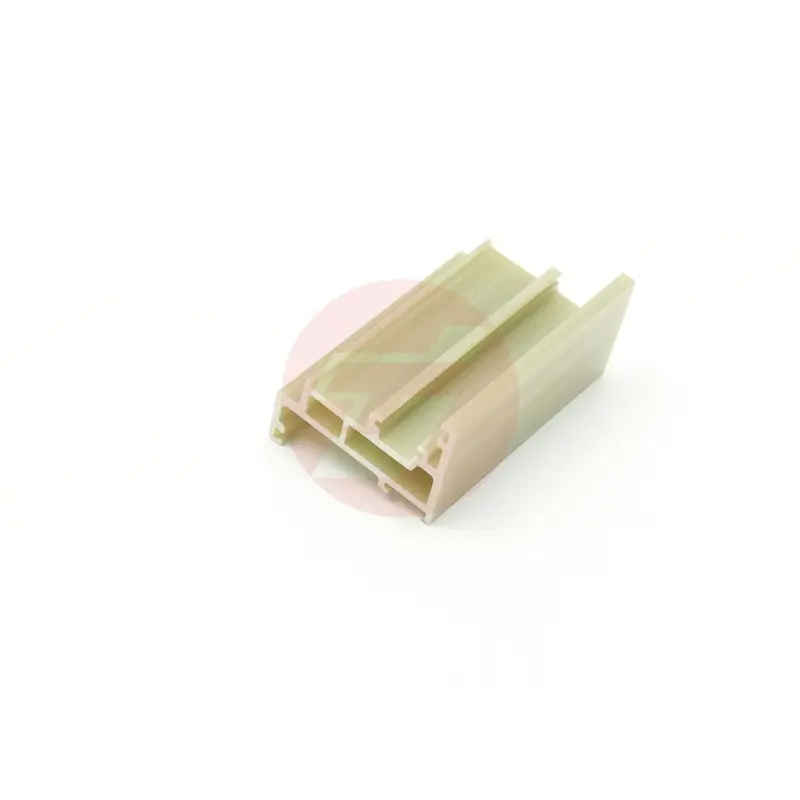
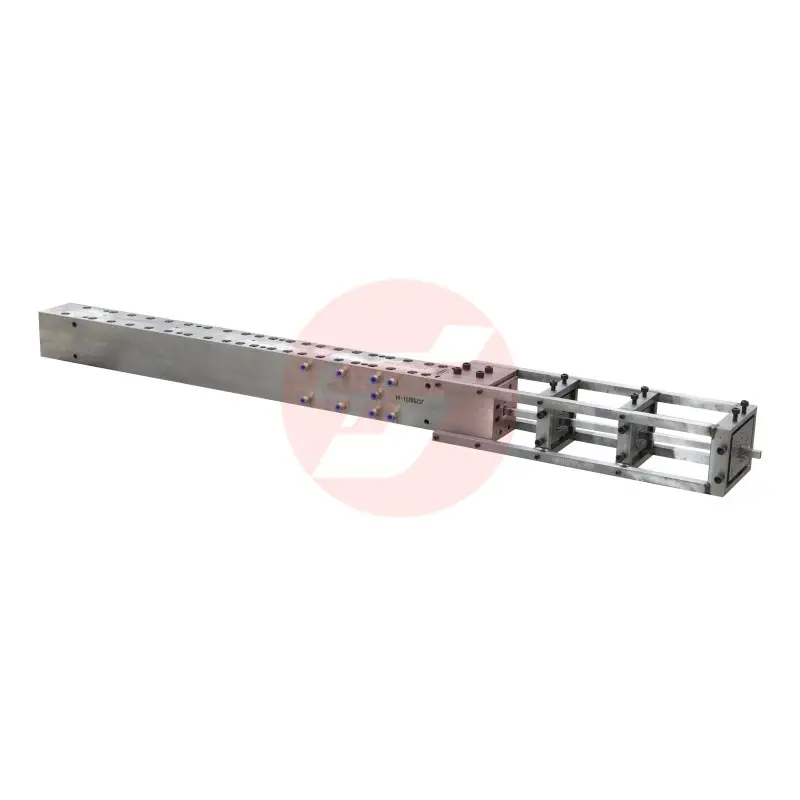
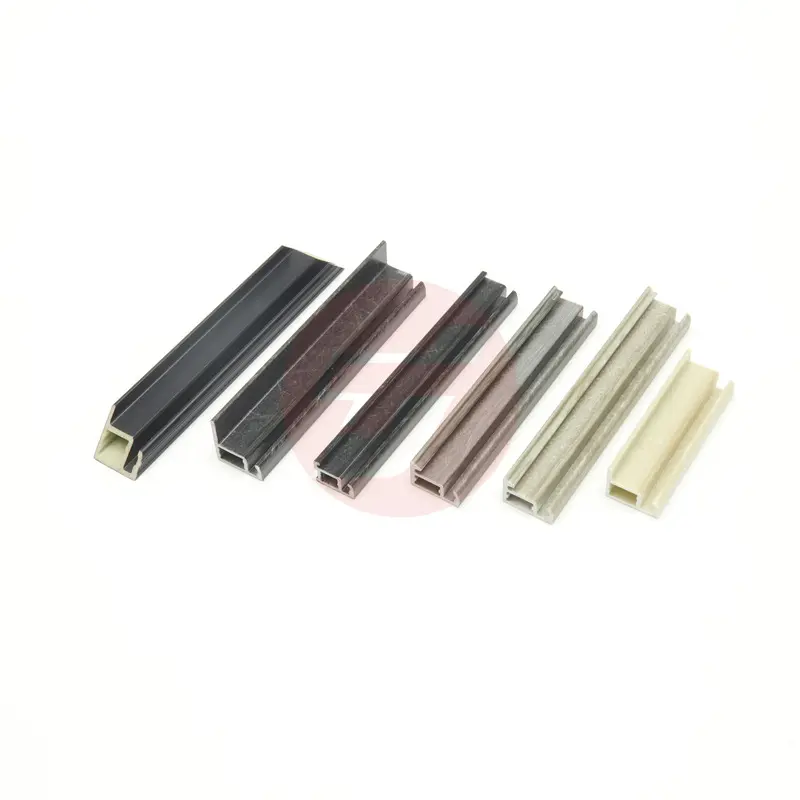
composite photovoltaic frame mold
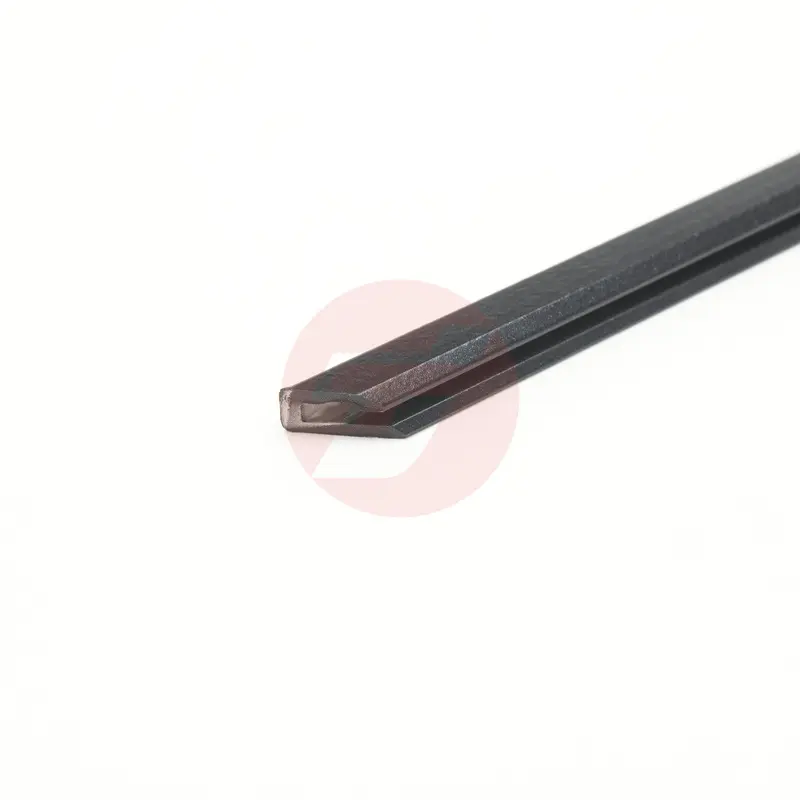
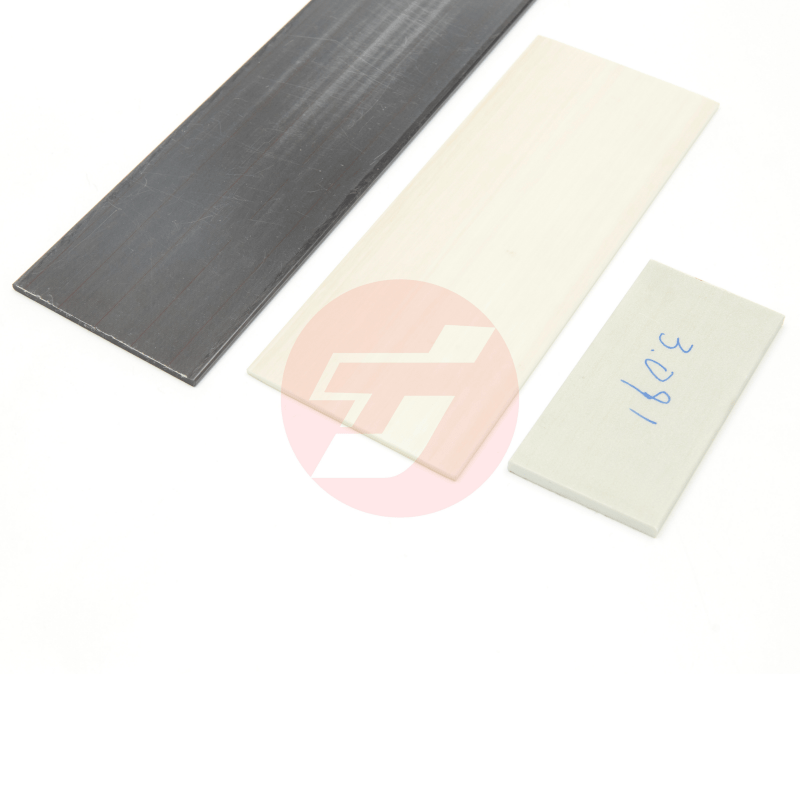
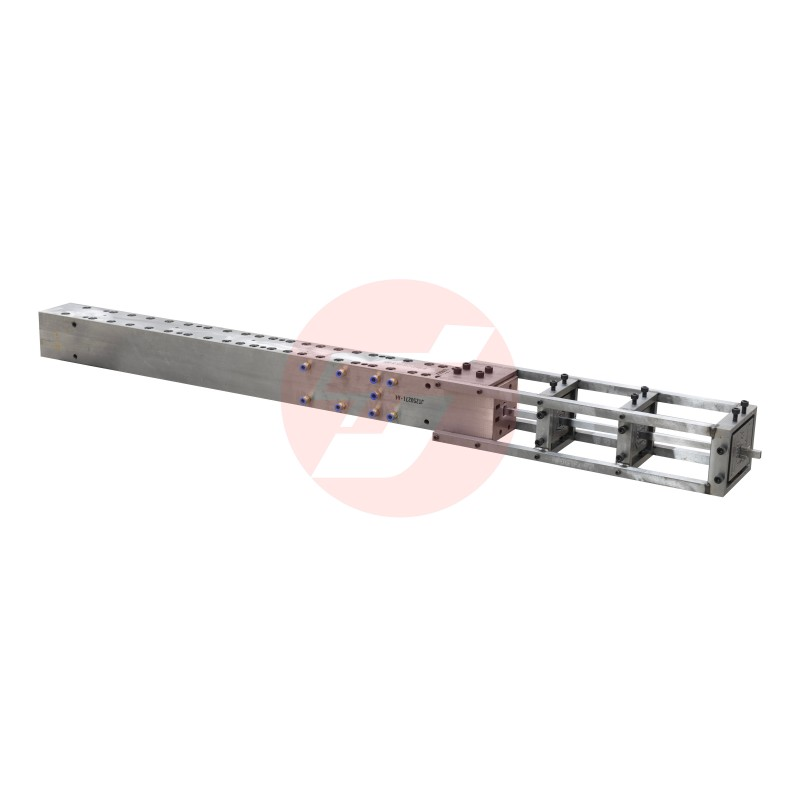
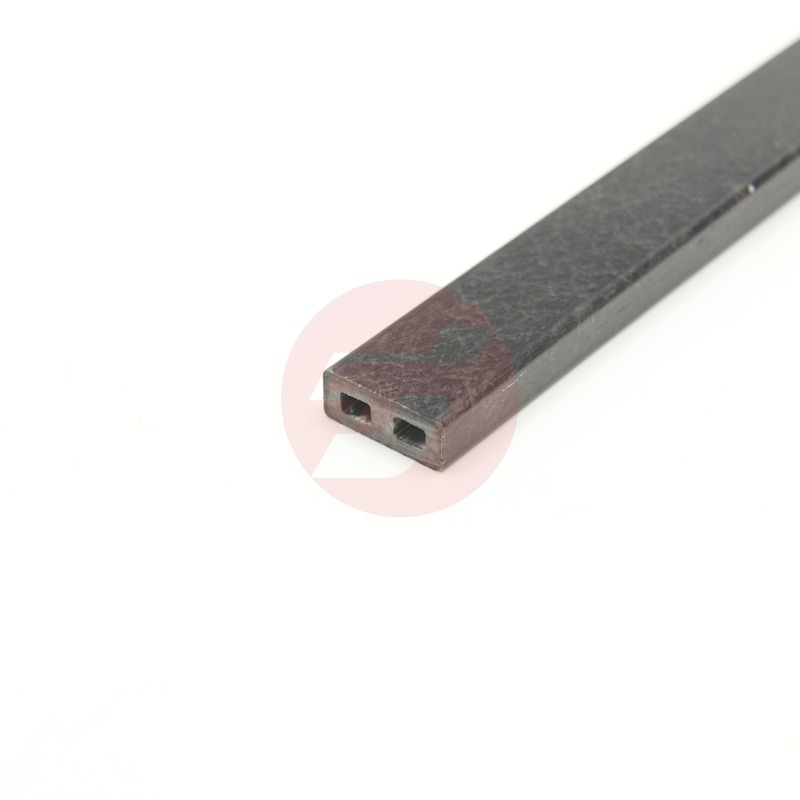
The composite photovoltaic frame mold represents a revolutionary advancement in solar panel manufacturing technology, specifically designed to create durable and lightweight frames that support photovoltaic modules. This specialized molding system combines advanced composite materials with precision engineering to produce frames that meet the demanding requirements of modern solar installations. The composite photovoltaic frame mold utilizes a unique blend of carbon fiber, fiberglass, and high-performance resins to create frames that offer superior strength-to-weight ratios compared to traditional aluminum alternatives. The primary function of this innovative molding system centers on producing frames that provide structural integrity for solar panels while minimizing overall system weight. These molds incorporate sophisticated temperature control systems that ensure consistent curing of composite materials, resulting in frames with uniform properties throughout their structure. The technological features of the composite photovoltaic frame mold include automated material placement systems, precise pressure distribution mechanisms, and advanced heating elements that maintain optimal processing conditions. The mold design incorporates multiple cavities that allow for simultaneous production of multiple frame components, significantly increasing manufacturing efficiency. Advanced sensors monitor temperature, pressure, and curing progress throughout the molding cycle, ensuring consistent quality output. The applications for frames produced by composite photovoltaic frame molds span across residential, commercial, and utility-scale solar installations. These frames excel in harsh environmental conditions where traditional materials might fail or require frequent maintenance. The composite construction provides excellent resistance to corrosion, UV degradation, and thermal cycling, making them ideal for coastal installations, desert environments, and regions with extreme temperature variations. The manufacturing process enabled by these molds supports sustainable energy production by creating components that last longer and require less maintenance than conventional alternatives.

 EN
EN