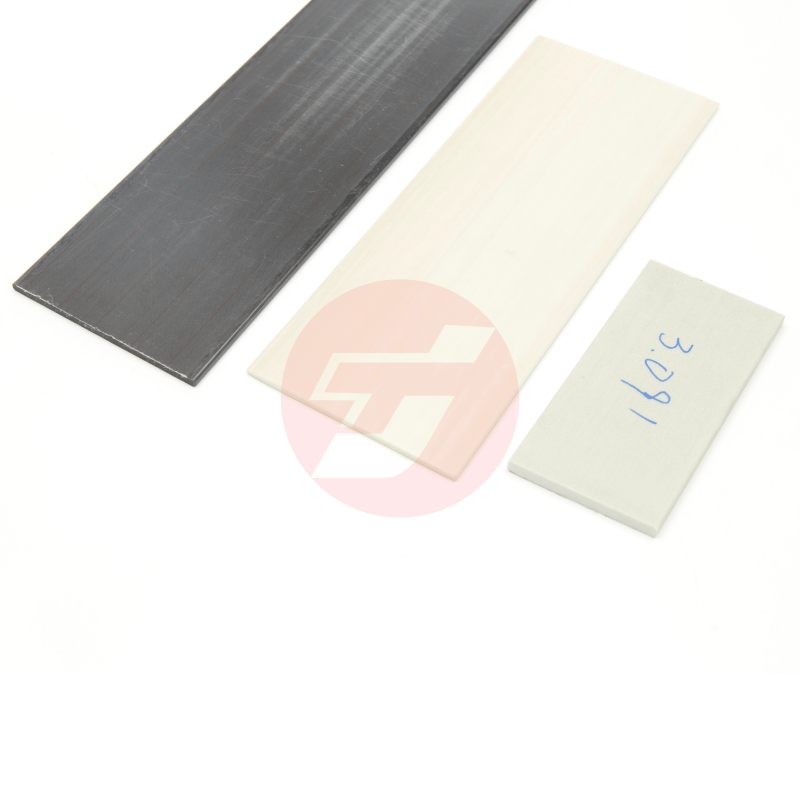
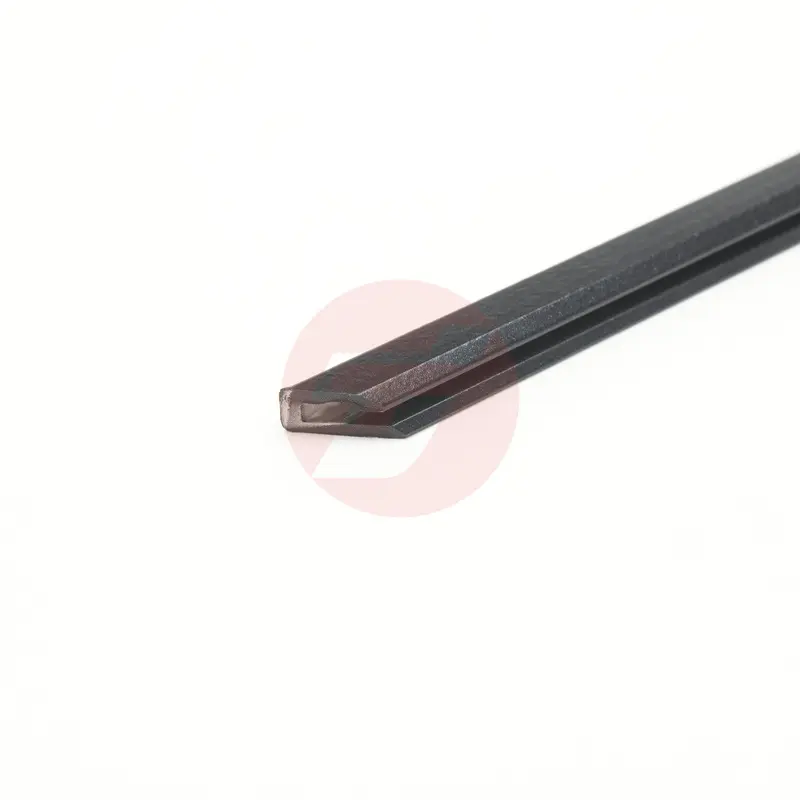
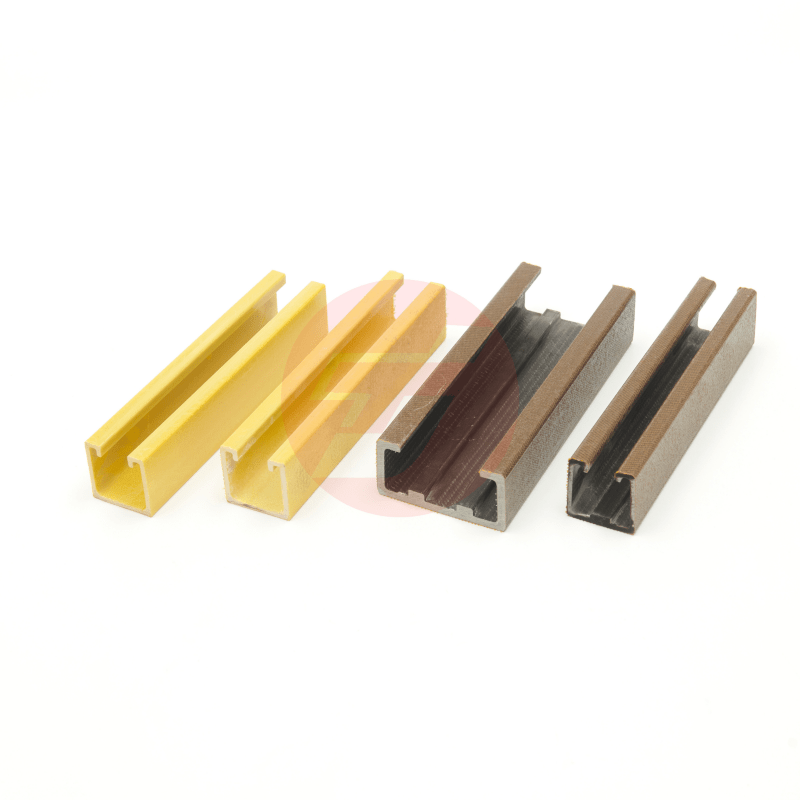
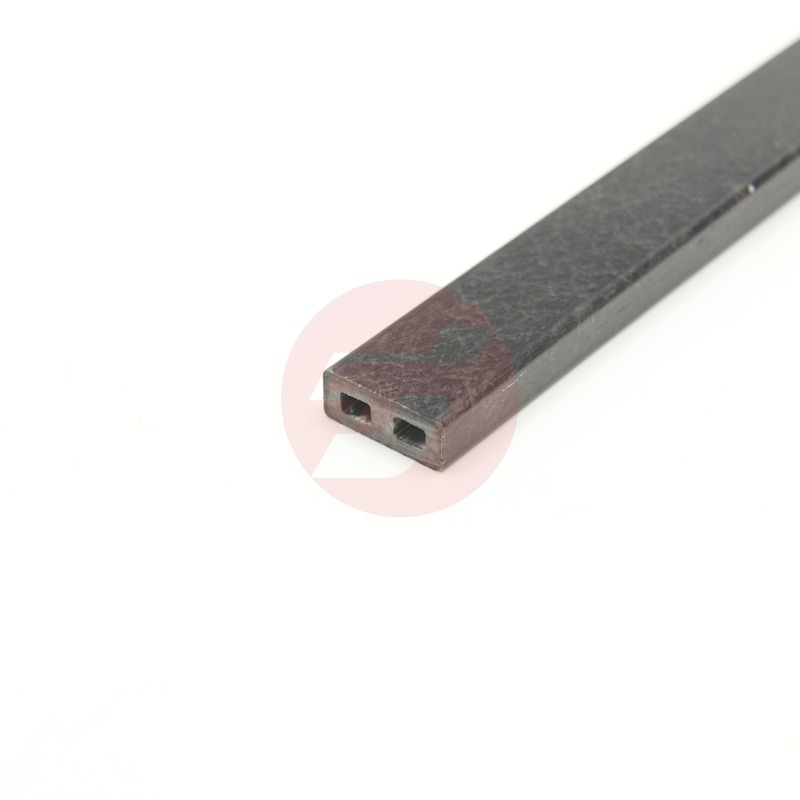
curtain wall profiles
Curtain wall profiles represent a revolutionary approach to modern building construction, serving as the backbone of non-structural exterior wall systems that define contemporary architecture. These specialized aluminum or steel profiles create the framework that supports glass panels, insulation materials, and weatherproofing components in high-rise buildings, commercial complexes, and institutional structures. The primary function of curtain wall profiles extends beyond mere structural support, encompassing thermal performance, weather resistance, and aesthetic appeal. These engineered systems transfer building loads directly to the floor structure or columns rather than bearing the weight themselves, allowing for greater design flexibility and expansive glass surfaces that maximize natural light penetration. Technologically, curtain wall profiles incorporate advanced materials science, featuring thermal breaks that prevent heat transfer, precision-engineered connections that accommodate building movement, and integrated drainage systems that manage moisture effectively. The profiles utilize sophisticated manufacturing processes including extrusion, anodizing, and powder coating to achieve optimal performance characteristics. Modern curtain wall profiles integrate smart building technologies, accommodating sensors, automated shading systems, and energy management components. Applications span diverse sectors including office towers, hospitals, educational facilities, retail centers, and residential high-rises. The versatility of curtain wall profiles enables architects to achieve dramatic visual effects while maintaining structural integrity and environmental performance. These systems support various glazing options from standard insulated glass units to advanced photovoltaic panels and electrochromic smart glass. Installation efficiency represents another crucial aspect, as modular curtain wall profiles allow for faster construction schedules and reduced labor costs. Quality control measures ensure consistent performance across different climate conditions, with rigorous testing protocols validating structural capacity, air infiltration resistance, water penetration protection, and thermal performance standards that meet international building codes and energy efficiency requirements.

 EN
EN