Industrial Composite Molds: Advanced Manufacturing Solutions for High-Performance Components

All Categories

Get a Free Quote

A professional manufacturer of composite material molds.
Email
WhatsApp
Name
Company Name
Message
0/1000
Attachment
Please upload at least an attachment
Up to 3 files,more 30mb,suppor jpg、jpeg、png、pdf、doc、docx、xls、xlsx、csv、txt

industrial composite mold

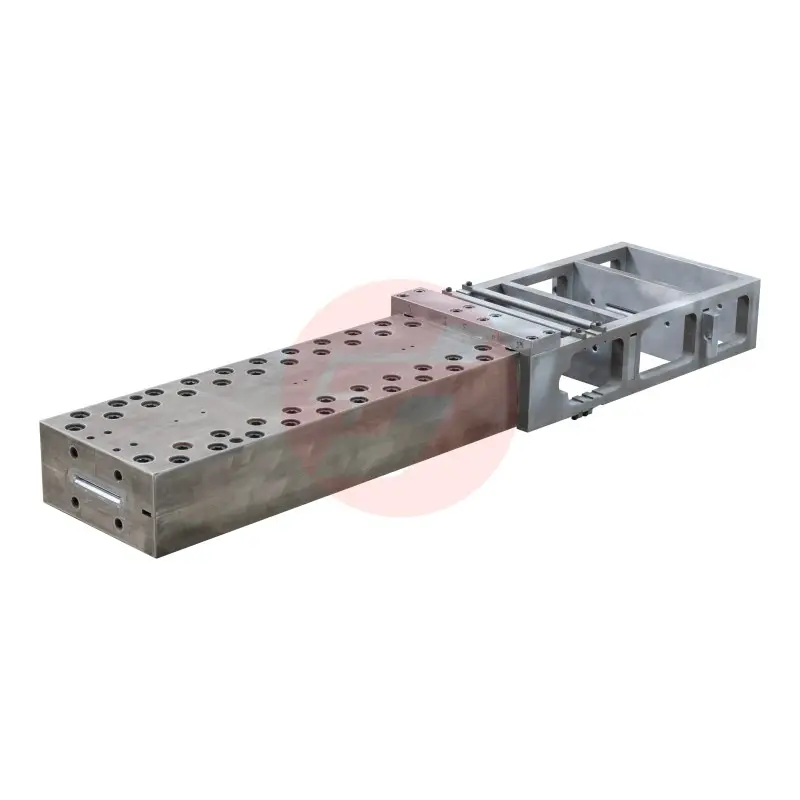
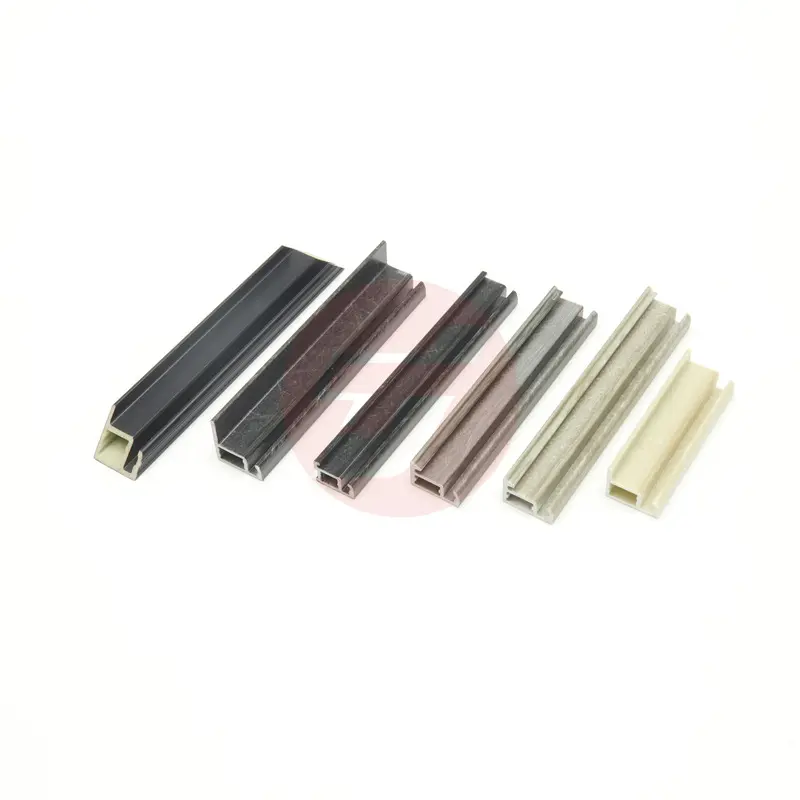
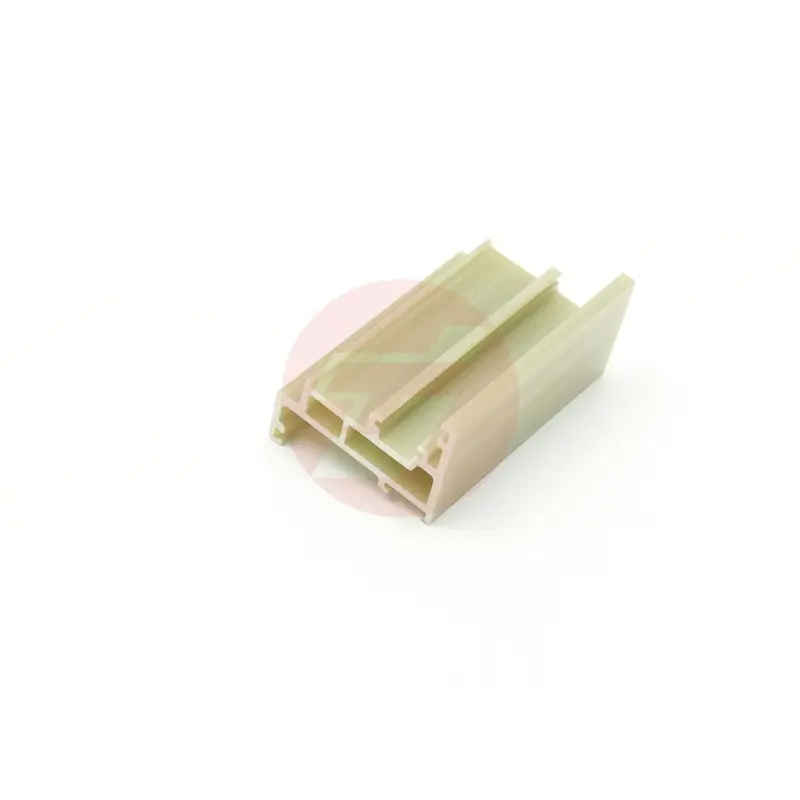
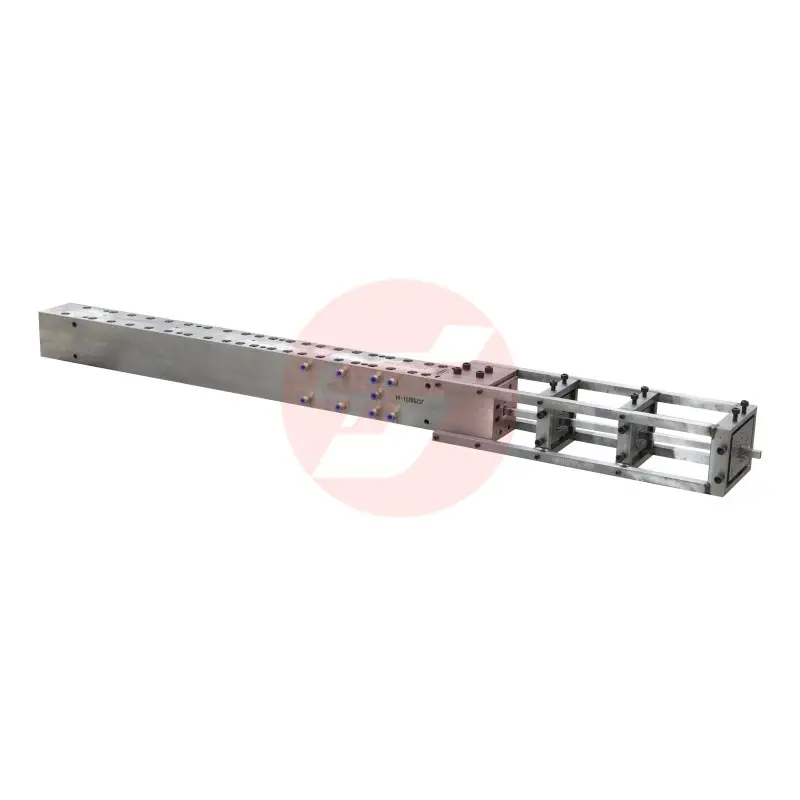
Industrial composite molds represent cutting-edge manufacturing tools designed to create high-performance composite parts across multiple sectors. These sophisticated molds combine advanced materials and precision engineering to deliver exceptional results in composite manufacturing processes. An industrial composite mold serves as the foundation for producing lightweight, durable components that meet stringent quality standards while maintaining cost-effectiveness throughout production cycles. The primary function of an industrial composite mold involves shaping raw composite materials into finished products through controlled heating, pressure application, and curing processes. These molds accommodate various composite materials including carbon fiber, fiberglass, aramid, and hybrid composites, enabling manufacturers to create parts with specific mechanical properties tailored to application requirements. The technological features of modern industrial composite molds include temperature control systems, vacuum capabilities, and pressure monitoring equipment that ensure consistent part quality. Advanced surface treatments and coatings enhance mold release properties while extending operational lifespan. Precision machining techniques create smooth surface finishes that translate directly to final part quality, reducing secondary finishing operations and associated costs. Industrial composite mold applications span aerospace, automotive, marine, construction, and renewable energy sectors. In aerospace manufacturing, these molds produce aircraft components requiring exceptional strength-to-weight ratios. Automotive applications include body panels, structural components, and interior elements that contribute to vehicle weight reduction and fuel efficiency improvements. Marine industry applications encompass hull sections, deck components, and superstructure elements that withstand harsh environmental conditions. Construction sector utilization includes architectural panels, bridge components, and infrastructure elements requiring durability and weather resistance. Renewable energy applications feature wind turbine blades, solar panel frames, and energy storage components. The versatility of industrial composite molds enables manufacturers to produce complex geometries with consistent dimensional accuracy, supporting both prototype development and high-volume production requirements across diverse industrial applications.


New Products

Industrial composite molds deliver significant manufacturing advantages that directly impact production efficiency and product quality. These molds reduce material waste through precise cavity dimensions that eliminate excess material usage during forming processes. The controlled environment within an industrial composite mold ensures consistent temperature distribution, resulting in uniform curing and enhanced mechanical properties throughout finished parts. This temperature control capability prevents defects such as resin-rich areas, dry spots, and incomplete curing that compromise structural integrity. Cost reduction represents a major advantage of industrial composite molds through extended service life and reduced maintenance requirements compared to traditional forming methods. The durable construction materials and protective coatings resist wear, corrosion, and thermal cycling damage, maintaining dimensional accuracy over thousands of production cycles. This longevity translates to lower per-part tooling costs and improved return on investment for manufacturing operations. Production speed improvements result from optimized heating and cooling cycles that reduce overall cure times while maintaining part quality standards. Modern industrial composite molds incorporate rapid heating systems and efficient cooling channels that accelerate production throughput without sacrificing dimensional precision or surface finish quality. The ability to process multiple parts simultaneously through multi-cavity designs further enhances productivity and reduces labor costs per component. Quality consistency emerges as a critical advantage through repeatable processing conditions that eliminate human error variables. Automated control systems monitor temperature, pressure, and cure time parameters, ensuring each part meets identical specifications regardless of operator skill level or environmental conditions. This consistency reduces quality control inspection time and minimizes rejection rates, improving overall manufacturing efficiency. Flexibility advantages include the ability to modify processing parameters for different materials and part requirements without extensive retooling. The same industrial composite mold can accommodate various resin systems, fiber types, and layup configurations, supporting product development initiatives and custom applications. Environmental benefits include reduced energy consumption through efficient heating systems and improved material utilization that minimizes waste generation. These advantages combine to create compelling value propositions for manufacturers seeking to improve their composite production capabilities while reducing operational costs and environmental impact.

Latest News

How to Select Carbon Fiber Pultruded Profiles for Engineering Projects?

29

Dec

How to Select Carbon Fiber Pultruded Profiles for Engineering Projects?

Carbon fiber pultruded profiles represent one of the most advanced composite materials available for modern engineering applications. These lightweight yet incredibly strong structural components have revolutionized industries ranging from aerospace ...
View More
What Advantages Do Glass Fiber Pultruded Products Offer in Construction?

29

Dec

What Advantages Do Glass Fiber Pultruded Products Offer in Construction?

Construction professionals are increasingly turning to advanced composite materials to meet the demanding requirements of modern infrastructure projects. Among these innovative solutions, glass fiber pultruded products have emerged as a superior alte...
View More
What Affects the Dimensional Accuracy of Epoxy Pultruded Products?

05

Jan

What Affects the Dimensional Accuracy of Epoxy Pultruded Products?

The dimensional accuracy of epoxy pultruded products plays a crucial role in determining their performance and suitability for various industrial applications. Manufacturing professionals across aerospace, automotive, and construction industries rely...
View More
What Factors Determine the Lifespan of Carbon Fiber Pultruded Products?

13

Feb

What Factors Determine the Lifespan of Carbon Fiber Pultruded Products?

Carbon fiber pultrusion represents one of the most advanced manufacturing processes for creating high-performance composite materials with exceptional strength-to-weight ratios. This innovative technique produces continuous fiber-reinforced profiles ...
View More

Get a Free Quote

A professional manufacturer of composite material molds.
Email
WhatsApp
Name
Company Name
Message
0/1000
Attachment
Please upload at least an attachment
Up to 3 files,more 30mb,suppor jpg、jpeg、png、pdf、doc、docx、xls、xlsx、csv、txt

industrial composite mold

Advanced Temperature Control Technology

Advanced Temperature Control Technology

The sophisticated temperature control technology integrated into industrial composite molds represents a revolutionary advancement in composite manufacturing precision. This advanced system utilizes distributed heating elements strategically positioned throughout the mold structure to achieve uniform temperature distribution across all surface areas. The technology incorporates multiple temperature zones that can be independently controlled, allowing manufacturers to create specific thermal profiles tailored to different composite materials and part geometries. This zoning capability ensures optimal curing conditions for complex parts with varying thickness sections, preventing overcuring in thin areas while ensuring complete polymerization in thicker regions. The precision temperature control system features rapid response heating elements that can achieve target temperatures quickly and maintain stability within tight tolerances throughout the entire curing cycle. This rapid heating capability significantly reduces cycle times compared to conventional heating methods, improving production throughput while maintaining consistent part quality. The integrated cooling systems work in conjunction with heating elements to provide controlled cooling rates that prevent thermal shock and minimize residual stresses in finished parts. Advanced sensors continuously monitor temperature conditions at multiple points within the industrial composite mold, providing real-time feedback to automated control systems that make instantaneous adjustments to maintain optimal processing conditions. This monitoring capability prevents temperature excursions that could result in part defects or dimensional variations. The thermal management system also includes insulation packages that improve energy efficiency by reducing heat loss to the surrounding environment. This insulation not only reduces operating costs but also creates safer working conditions by minimizing external surface temperatures. The programmable control interface allows operators to store multiple temperature profiles for different materials and applications, enabling quick changeovers between production runs without manual parameter adjustments. This automation reduces setup time and eliminates potential human errors in parameter selection. The temperature control technology also features data logging capabilities that record all thermal parameters throughout each production cycle, creating comprehensive process documentation for quality assurance and troubleshooting purposes. This documentation proves invaluable for process optimization and regulatory compliance requirements in aerospace and automotive applications where traceability is essential.
Superior Surface Quality and Precision

Superior Surface Quality and Precision

Industrial composite molds deliver exceptional surface quality and dimensional precision that directly translate to superior finished part characteristics and reduced secondary processing requirements. The precision machining processes used to create these molds achieve surface finishes measured in microinches, ensuring that every detail transfers accurately to the composite part surface. This exceptional surface quality eliminates the need for extensive post-processing operations such as sanding, filling, or coating applications that add time and cost to the manufacturing process. The smooth surface finish also contributes to improved part performance by reducing stress concentration points that could lead to premature failure in service applications. Advanced surface treatments applied to industrial composite molds include specialized coatings that enhance release properties while maintaining dimensional stability over extended service life. These coatings prevent resin adhesion that could damage part surfaces during demolding operations while ensuring consistent surface texture reproduction across thousands of production cycles. The coating systems also resist chemical attack from aggressive resin systems and cleaning solvents, maintaining surface integrity throughout the mold's operational lifetime. Precision dimensional control achieved through advanced machining and measurement techniques ensures that finished parts meet tight tolerances required for assembly operations. The industrial composite mold maintains these dimensions throughout temperature cycling and pressure applications, preventing dimensional drift that could compromise part fit and function. Sophisticated measurement systems verify mold dimensions at regular intervals, ensuring continued accuracy and identifying any wear patterns before they affect part quality. The superior surface quality also contributes to improved aesthetic appearance in visible applications, eliminating surface defects that would require cosmetic repairs or rejection of finished parts. This quality level proves particularly important in automotive exterior panels and architectural applications where appearance standards are critical. The precision manufacturing processes create consistent parting line quality that minimizes flash formation and reduces trimming operations. Clean parting lines also improve part strength by eliminating stress concentration areas that could propagate cracks during service loading. Advanced cavity design techniques optimize material flow patterns during forming operations, ensuring complete cavity filling while minimizing fiber displacement or orientation changes that could affect mechanical properties. The precision cavity geometry also accommodates controlled fiber placement requirements for parts requiring specific strength directions or performance characteristics.
Exceptional Durability and Cost-Effectiveness

Exceptional Durability and Cost-Effectiveness

The exceptional durability characteristics of industrial composite molds deliver outstanding cost-effectiveness through extended service life and minimal maintenance requirements that significantly reduce total ownership costs. These molds utilize advanced materials and construction techniques that resist wear, thermal cycling damage, and chemical attack from aggressive composite materials and processing environments. The robust construction typically enables production of tens of thousands of parts before requiring major refurbishment or replacement, creating favorable economics for both high-volume production and specialized applications. The durability advantages begin with material selection that prioritizes thermal stability, dimensional accuracy retention, and resistance to processing chemicals. Advanced steel alloys and surface treatments create mold surfaces that maintain dimensional precision throughout extended service life while resisting corrosion and wear from repeated part removal operations. This material durability prevents the gradual dimensional changes that could compromise part quality over time, ensuring consistent production throughout the mold's operational life. The cost-effectiveness extends beyond initial purchase considerations to encompass reduced maintenance expenses, minimal downtime requirements, and consistent production output that supports reliable delivery schedules. Predictable maintenance intervals allow for planned shutdowns that minimize production disruptions while ensuring optimal mold performance. The standardized maintenance procedures typically involve surface cleaning, inspection protocols, and minor adjustments rather than extensive repairs or component replacements. Energy efficiency contributions to cost-effectiveness include optimized thermal mass that reduces heating and cooling energy requirements while maintaining temperature stability. The efficient thermal design minimizes energy consumption during production cycles, reducing operational costs and supporting sustainability initiatives. Advanced insulation systems further improve energy efficiency while creating safer working environments through reduced external surface temperatures. The long-term cost benefits also include reduced training requirements due to standardized operation procedures and automated control systems that minimize operator skill requirements. This standardization reduces labor costs while improving production consistency and quality outcomes. The industrial composite mold design accommodates future modifications and upgrades that extend service life and adapt to changing production requirements without complete mold replacement. This adaptability protects capital investments while supporting product development initiatives and market changes. Comprehensive warranty coverage and technical support services further enhance cost-effectiveness by providing expert assistance for optimization, troubleshooting, and maintenance planning that maximizes mold performance throughout its operational lifetime.

Get a Free Quote

A professional manufacturer of composite material molds.
Email
WhatsApp
Name
Company Name
Message
0/1000
Attachment
Please upload at least an attachment
Up to 3 files,more 30mb,suppor jpg、jpeg、png、pdf、doc、docx、xls、xlsx、csv、txt