Advanced Composite Tooling Solutions - Precision Manufacturing Tools for Enhanced Production Efficiency

All Categories

Get a Free Quote

A professional manufacturer of composite material molds.
Email
WhatsApp
Name
Company Name
Message
0/1000
Attachment
Please upload at least an attachment
Up to 3 files,more 30mb,suppor jpg、jpeg、png、pdf、doc、docx、xls、xlsx、csv、txt

composite tooling solutions

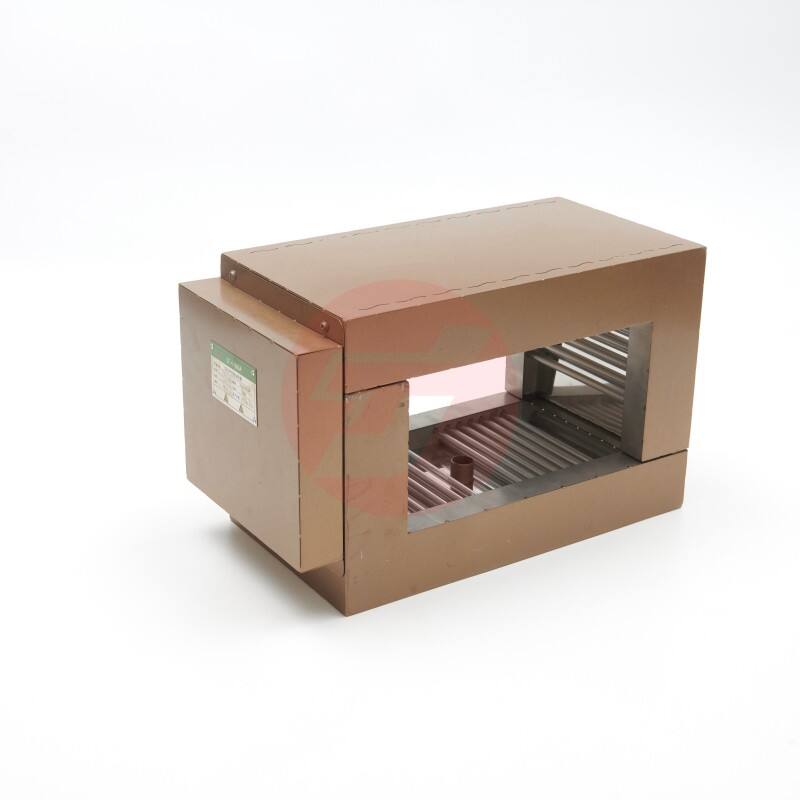
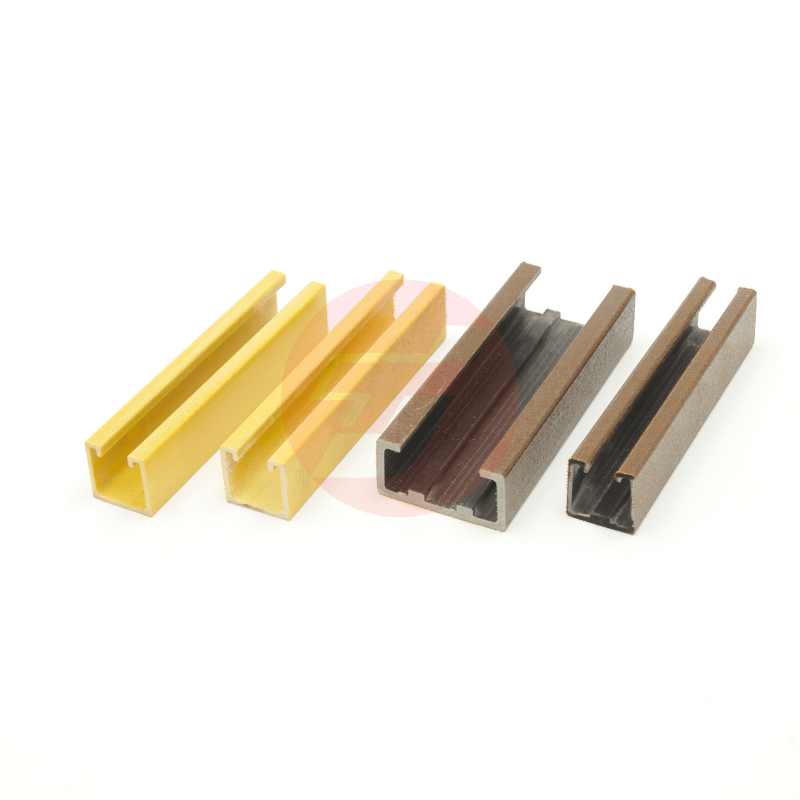
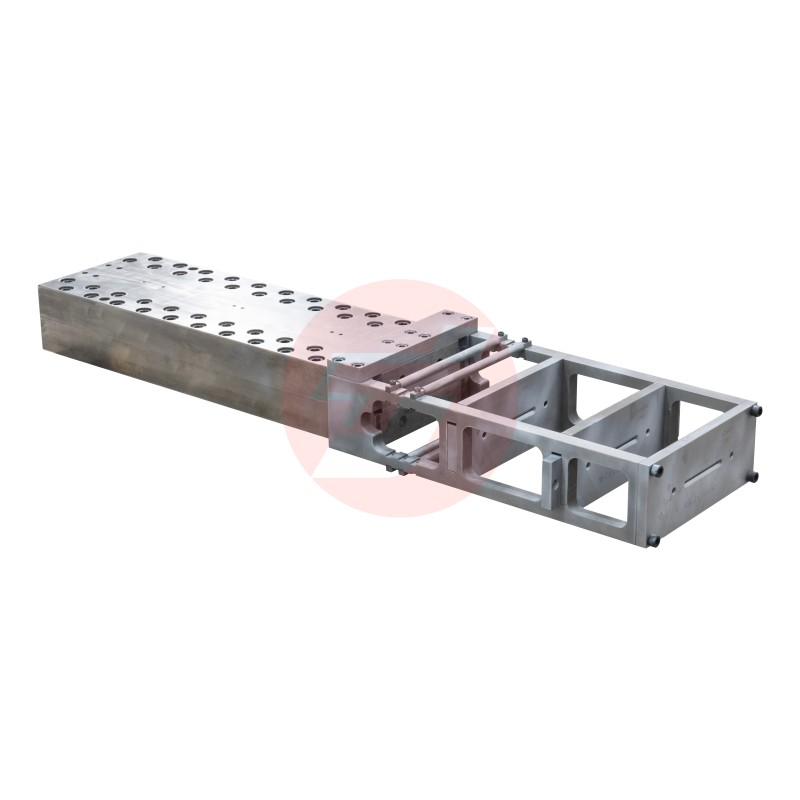
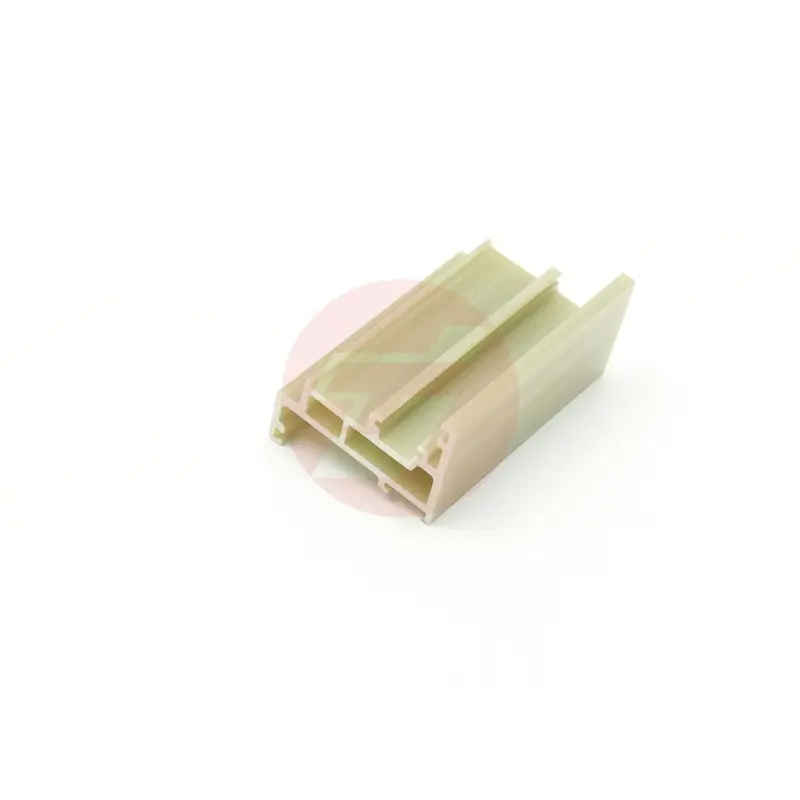
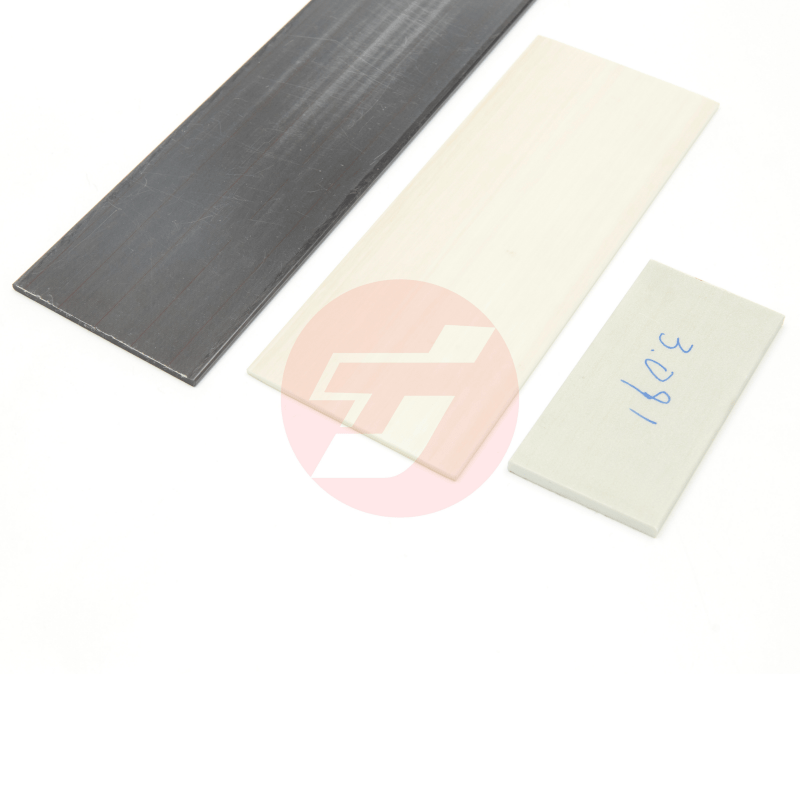
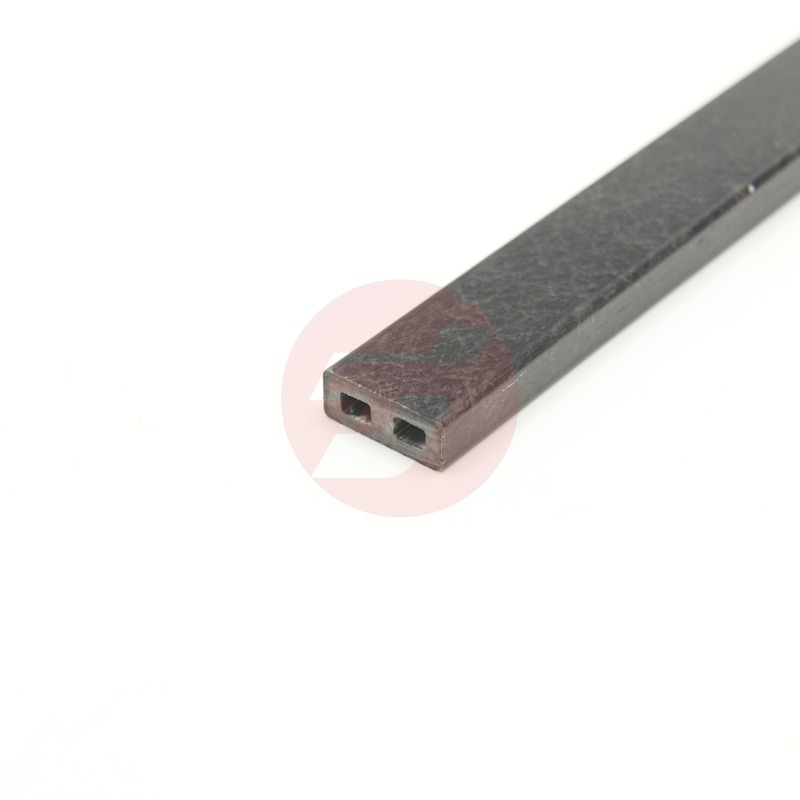
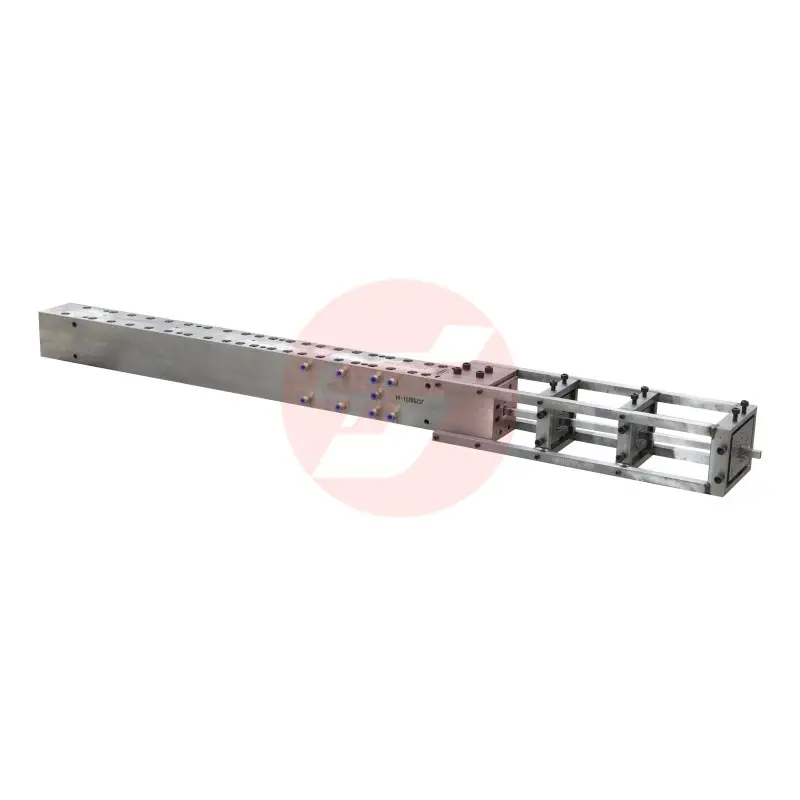
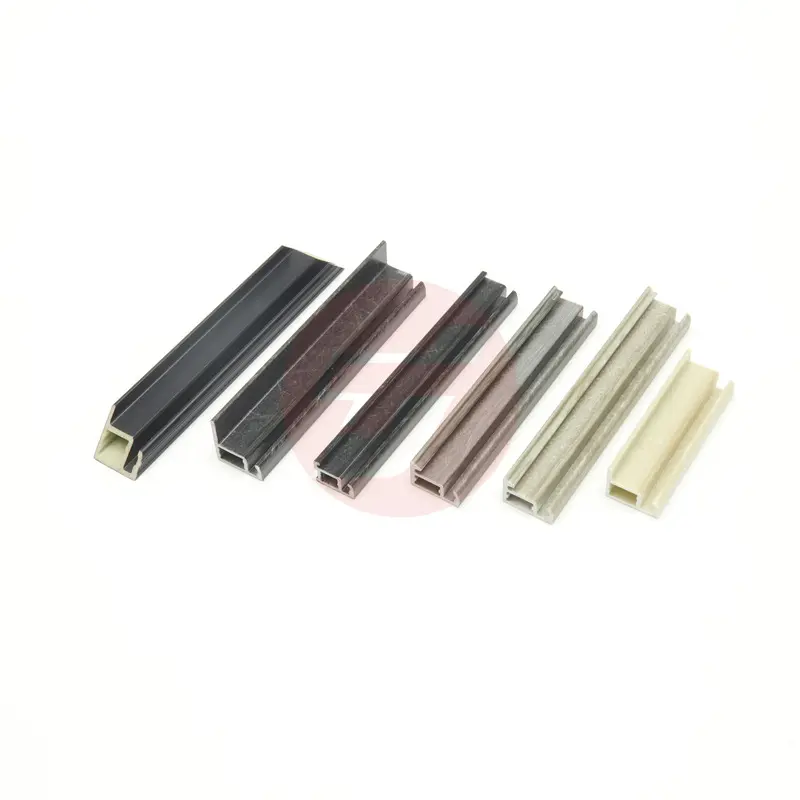
Composite tooling solutions represent a revolutionary approach to manufacturing precision tools and fixtures used in advanced production environments. These innovative systems combine multiple materials and technologies to create highly efficient, durable, and versatile tooling options that significantly enhance manufacturing processes across various industries. The main functions of composite tooling solutions encompass precision forming, structural support, dimensional accuracy maintenance, and enhanced production efficiency. These systems serve as the backbone for creating complex geometries, maintaining tight tolerances, and ensuring consistent quality throughout manufacturing cycles. The technological features of composite tooling solutions include advanced material integration, where carbon fiber, fiberglass, epoxy resins, and metal reinforcements work together to create superior performance characteristics. Temperature resistance capabilities allow these tools to withstand extreme heat cycles without compromising structural integrity or dimensional stability. The modular design approach enables customization and adaptability to specific manufacturing requirements, while computer-aided design integration ensures optimal performance and precision. Smart sensor integration capabilities provide real-time monitoring of tool performance, temperature variations, and wear patterns, enabling predictive maintenance and optimal production scheduling. Applications for composite tooling solutions span aerospace manufacturing, where precision and weight reduction are critical factors, automotive production lines requiring high-volume consistency, marine industry applications demanding corrosion resistance, and renewable energy sector implementations where durability and environmental resistance are essential. Electronics manufacturing benefits from the precision capabilities, while medical device production relies on the sterile and precise nature of these advanced tooling systems. The versatility of composite tooling solutions makes them suitable for prototyping, low-volume specialized production, and high-volume manufacturing environments, providing manufacturers with flexible options that can adapt to changing production requirements and market demands.


New Product Releases

Composite tooling solutions deliver exceptional value through enhanced durability that significantly extends tool life compared to traditional alternatives. These advanced systems resist wear, corrosion, and thermal degradation, reducing replacement costs and minimizing production downtime. The lightweight nature of composite tooling solutions makes handling easier for operators while reducing machine load requirements, leading to improved energy efficiency and reduced operational costs. Manufacturers benefit from faster setup times due to the ergonomic design and modular construction features built into modern composite tooling solutions. The superior dimensional stability ensures consistent product quality throughout extended production runs, eliminating the need for frequent adjustments and reducing waste generation. Cost-effectiveness becomes apparent through reduced maintenance requirements, as composite tooling solutions require less frequent servicing compared to conventional steel or aluminum alternatives. The thermal management properties help maintain consistent temperatures during processing, improving product quality and reducing cycle times. Flexibility in design allows manufacturers to create custom configurations that meet specific production requirements without the constraints imposed by traditional tooling materials. Environmental benefits include reduced material waste due to longer tool life and improved energy efficiency during operation. Composite tooling solutions offer excellent chemical resistance, making them suitable for aggressive manufacturing environments where traditional materials would deteriorate rapidly. The precision capabilities enable tighter tolerances and improved surface finishes, reducing secondary operations and associated costs. Scalability advantages allow manufacturers to start with smaller implementations and expand their composite tooling solutions as production demands increase. Integration capabilities with existing manufacturing systems minimize disruption during implementation while maximizing return on investment. Quality improvements result from the stable performance characteristics of composite tooling solutions, leading to reduced rejection rates and improved customer satisfaction. The technology enables manufacturers to take on more complex projects that would be challenging or impossible with traditional tooling methods. Long-term reliability ensures consistent performance over extended periods, providing predictable production costs and scheduling. These practical benefits make composite tooling solutions an intelligent investment for forward-thinking manufacturers seeking competitive advantages in their respective markets.

Latest News

How Can Carbon Fiber Pultrusion Reduce Manufacturing Costs for B2B Buyers?

29

Dec

How Can Carbon Fiber Pultrusion Reduce Manufacturing Costs for B2B Buyers?

Manufacturing costs continue to challenge B2B buyers across industries, driving the need for innovative production methods that deliver superior performance while maintaining economic efficiency. Carbon fiber pultrusion has emerged as a transformativ...
View More
Why Are Epoxy Pultrusion Products Ideal for High-Strength Applications?

29

Dec

Why Are Epoxy Pultrusion Products Ideal for High-Strength Applications?

Epoxy pultrusion represents a revolutionary manufacturing process that combines the superior strength properties of epoxy resins with the continuous production capabilities of pultrusion technology. This advanced composite manufacturing method has tr...
View More
Which Applications Benefit Most From Carbon Fiber Pultruded Components?

13

Feb

Which Applications Benefit Most From Carbon Fiber Pultruded Components?

Carbon fiber pultruded components have revolutionized manufacturing across numerous industries, offering exceptional strength-to-weight ratios and superior durability compared to traditional materials. These advanced composite structures are created ...
View More
Which Industries Rely Most on Glass Fiber Pultruded Profiles?

13

Feb

Which Industries Rely Most on Glass Fiber Pultruded Profiles?

Modern manufacturing across diverse industries increasingly depends on advanced composite materials that deliver exceptional strength, durability, and versatility. Glass fiber pultruded profiles have emerged as a cornerstone solution for applications...
View More

Get a Free Quote

A professional manufacturer of composite material molds.
Email
WhatsApp
Name
Company Name
Message
0/1000
Attachment
Please upload at least an attachment
Up to 3 files,more 30mb,suppor jpg、jpeg、png、pdf、doc、docx、xls、xlsx、csv、txt

composite tooling solutions

Advanced Material Engineering Excellence

Advanced Material Engineering Excellence

The foundation of superior composite tooling solutions lies in advanced material engineering that combines the best properties of multiple materials to create tools that outperform traditional alternatives in every measurable category. This sophisticated approach utilizes carbon fiber reinforcement for exceptional strength-to-weight ratios, while incorporating epoxy resin matrices that provide excellent chemical resistance and dimensional stability. The engineering process involves precise fiber orientation control, ensuring optimal load distribution and stress management throughout the tool structure. Temperature-resistant additives enable these composite tooling solutions to maintain their properties across wide temperature ranges, from cryogenic applications to high-heat processing environments. The layered construction technique allows engineers to customize material properties at different depths within the tool, creating gradient performance characteristics that match specific application requirements. Advanced surface treatments provide enhanced wear resistance and improved release properties, extending tool life while maintaining consistent product quality. The material engineering approach includes integration of smart materials that can respond to environmental changes, providing self-monitoring capabilities and early warning systems for potential issues. Quality control processes ensure consistent material properties throughout each tool, while advanced curing techniques optimize the molecular structure for maximum performance. The engineering excellence extends to joint design and connection methods, ensuring seamless integration between different material layers and components. Thermal expansion matching capabilities prevent stress concentrations that could lead to premature failure, while acoustic dampening properties reduce noise levels in production environments. Environmental resistance features protect against UV degradation, moisture absorption, and chemical attack, ensuring long-term reliability in challenging operating conditions. The advanced material engineering approach enables the creation of complex internal geometries that would be impossible with traditional manufacturing methods, opening new possibilities for innovative tool designs. These engineering achievements translate directly into tangible benefits for manufacturers, including reduced operating costs, improved product quality, enhanced safety, and increased production efficiency that drives competitive advantage in demanding markets.
Precision Manufacturing Integration

Precision Manufacturing Integration

Composite tooling solutions excel through seamless precision manufacturing integration that revolutionizes production processes by combining advanced design capabilities with cutting-edge manufacturing technologies. The integration begins with sophisticated computer-aided design systems that enable engineers to optimize tool geometry for specific applications while predicting performance characteristics before physical production begins. Advanced simulation capabilities allow for virtual testing of composite tooling solutions under various operating conditions, identifying potential issues and optimizing designs for maximum efficiency and longevity. The manufacturing integration includes automated fiber placement systems that ensure consistent material distribution and orientation, critical factors in achieving predictable performance from composite tooling solutions. Quality control integration utilizes real-time monitoring systems that track temperature, pressure, and curing parameters throughout the manufacturing process, ensuring each tool meets exact specifications. Dimensional accuracy capabilities extend beyond traditional tolerances, with composite tooling solutions achieving precision levels that enable manufacturers to produce parts with exceptional consistency and quality. The integration approach includes modular design principles that allow for easy customization and modification of existing tools, reducing lead times for new product introductions and design changes. Manufacturing flexibility enables rapid prototyping of composite tooling solutions, allowing manufacturers to test and refine designs before committing to full production volumes. Integration with existing production equipment minimizes disruption during implementation while maximizing the benefits of advanced composite technology. Process monitoring capabilities provide valuable data for continuous improvement initiatives, helping manufacturers optimize their use of composite tooling solutions over time. The precision manufacturing integration extends to maintenance procedures, with designed-in access points and diagnostic capabilities that simplify service requirements and reduce downtime. Calibration procedures ensure ongoing accuracy throughout the tool's operational life, while predictive maintenance capabilities help prevent unexpected failures. The integration approach supports lean manufacturing principles by reducing waste, improving efficiency, and enabling just-in-time production strategies. These integrated precision manufacturing capabilities enable users to achieve superior results while reducing complexity and improving overall operational effectiveness in competitive manufacturing environments.
Versatile Application Adaptability

Versatile Application Adaptability

The remarkable versatile application adaptability of composite tooling solutions enables manufacturers across diverse industries to leverage advanced tooling technology regardless of their specific production requirements or operational constraints. This adaptability stems from the fundamental design philosophy that prioritizes flexibility without compromising performance, allowing composite tooling solutions to excel in aerospace applications requiring extreme precision and weight optimization, automotive manufacturing demanding high-volume consistency, marine environments necessitating corrosion resistance, and medical device production requiring sterile processing capabilities. The modular architecture of modern composite tooling solutions supports rapid reconfiguration for different product lines, enabling manufacturers to maximize their tooling investment while minimizing changeover times and associated costs. Scalability features allow implementation to begin with small-scale applications and expand systematically as production requirements grow, providing a risk-managed approach to technology adoption. Environmental adaptability ensures reliable performance across temperature extremes, humidity variations, and chemical exposure conditions that would challenge traditional tooling materials. The versatile application adaptability extends to compatibility with various manufacturing processes, including compression molding, resin transfer molding, vacuum forming, and advanced composite manufacturing techniques. Size flexibility accommodates both precision small-component production and large-scale structural manufacturing, while load capacity variations support everything from delicate electronics assembly to heavy industrial applications. Process integration capabilities enable composite tooling solutions to work effectively with existing quality control systems, production scheduling software, and maintenance protocols. Customization options include surface textures, release coatings, heating elements, cooling channels, and sensor integration, allowing manufacturers to tailor tools precisely to their specific needs. Industry-specific adaptations address unique requirements such as food-grade compliance, cleanroom compatibility, explosive atmosphere certification, and regulatory compliance standards. The adaptability includes economic flexibility, with options ranging from standard configurations for cost-sensitive applications to fully customized solutions for specialized requirements. Training and support adaptability ensures successful implementation regardless of existing technical expertise levels, while documentation and integration support facilitate smooth transitions from traditional tooling methods. This comprehensive versatile application adaptability makes composite tooling solutions an ideal choice for manufacturers seeking future-proof tooling investments that can evolve with changing market demands and technological advancement.

Get a Free Quote

A professional manufacturer of composite material molds.
Email
WhatsApp
Name
Company Name
Message
0/1000
Attachment
Please upload at least an attachment
Up to 3 files,more 30mb,suppor jpg、jpeg、png、pdf、doc、docx、xls、xlsx、csv、txt