High-Performance SMC Compression Molding Parts - Advanced Composite Solutions

All Categories

Get a Free Quote

A professional manufacturer of composite material molds.
Email
WhatsApp
Name
Company Name
Message
0/1000
Attachment
Please upload at least an attachment
Up to 3 files,more 30mb,suppor jpg、jpeg、png、pdf、doc、docx、xls、xlsx、csv、txt

smc compression molding parts

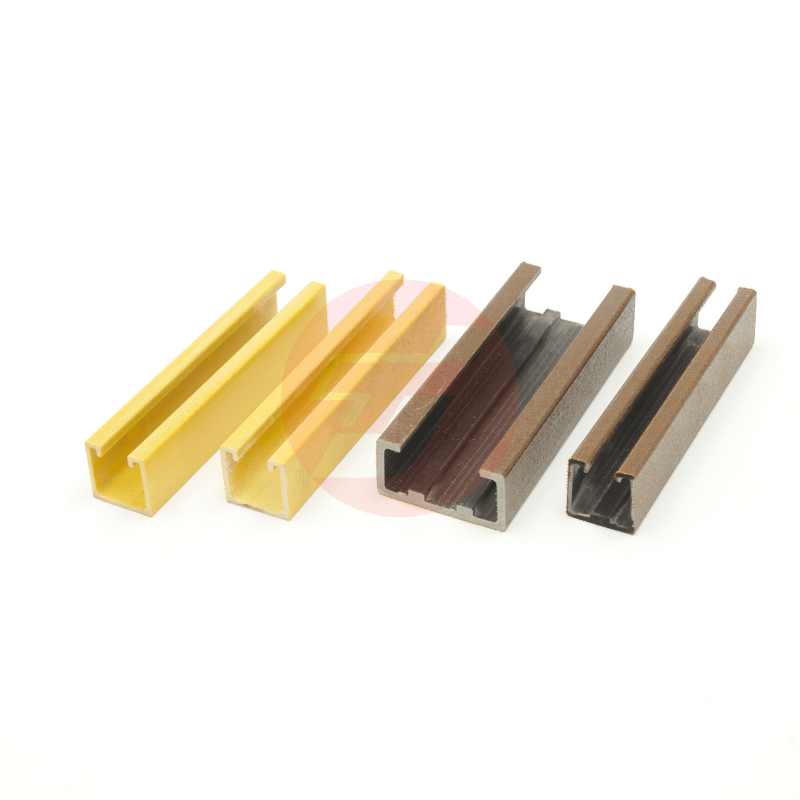
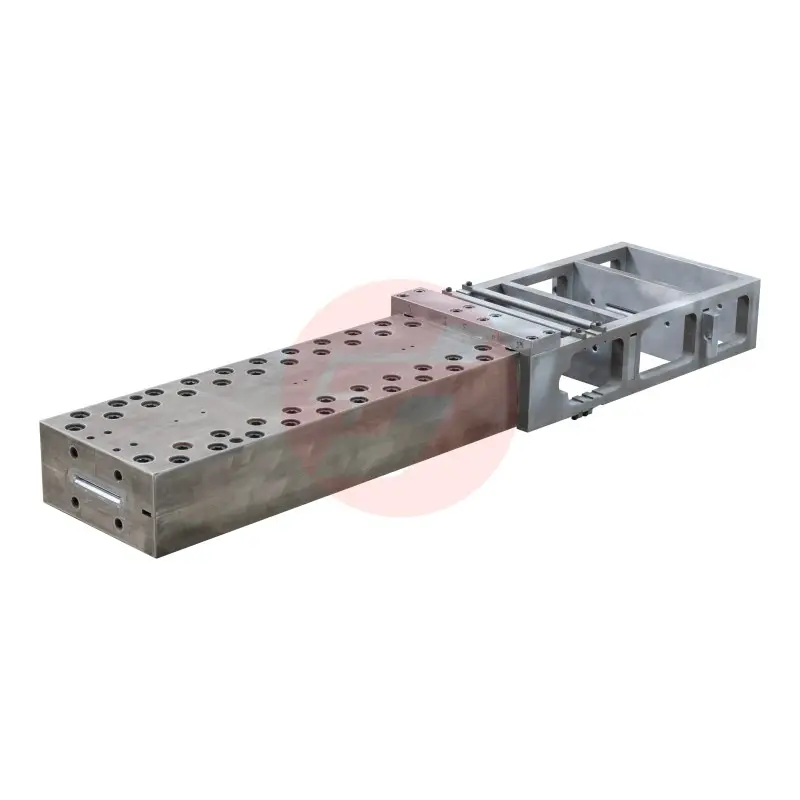
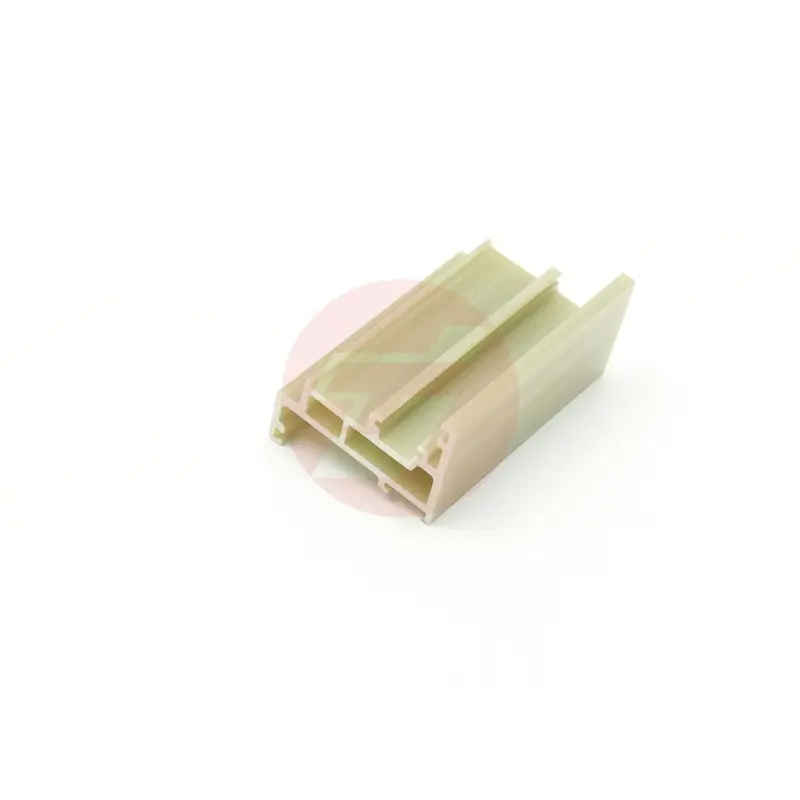
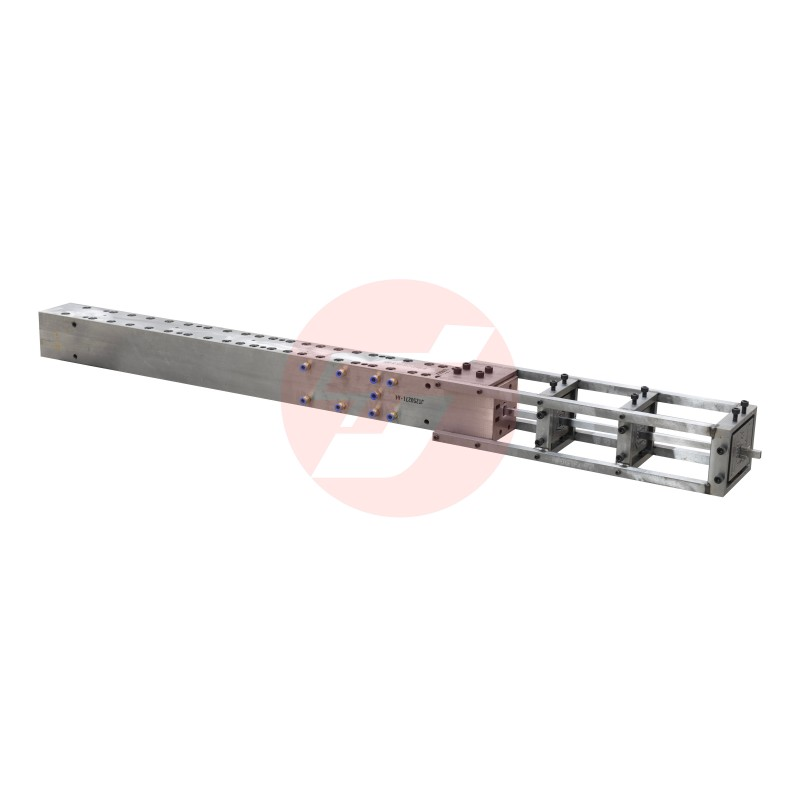
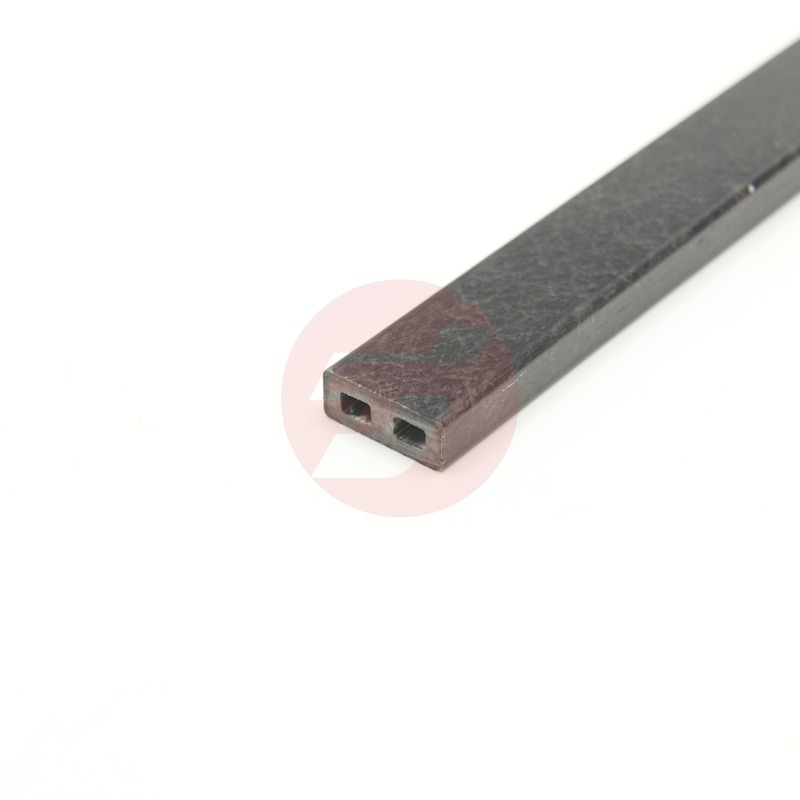
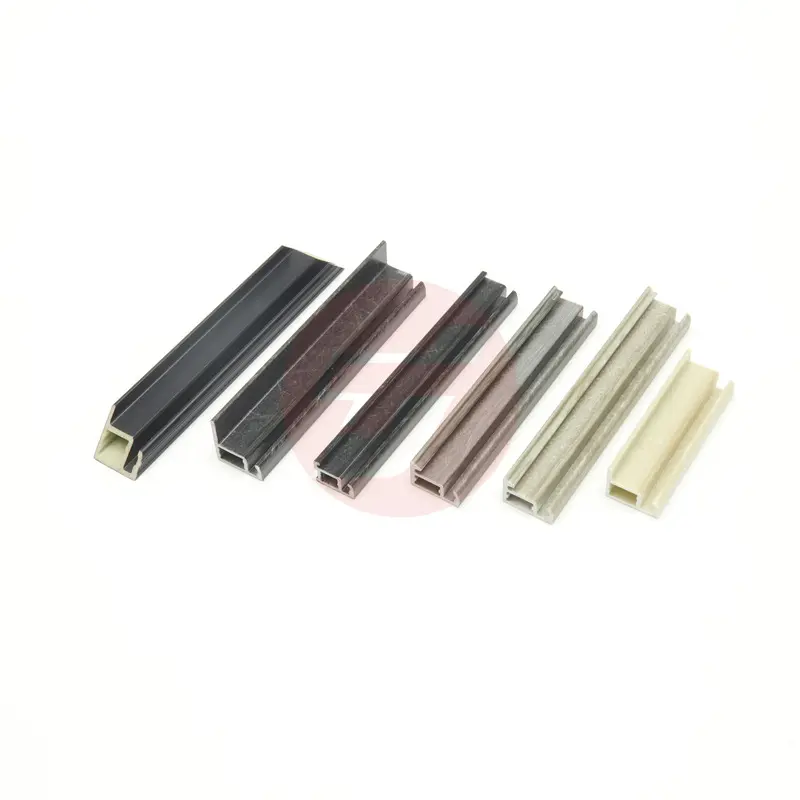
SMC compression molding parts represent a sophisticated manufacturing solution that combines Sheet Molding Compound technology with precision compression molding techniques. These advanced components are created through a carefully controlled process where SMC material, consisting of chopped glass fibers, thermosetting resin, fillers, and various additives, is placed into heated molds and subjected to high pressure and temperature. The resulting smc compression molding parts exhibit exceptional dimensional accuracy, surface quality, and structural integrity that make them ideal for demanding industrial applications. The compression molding process ensures uniform material distribution throughout the component, eliminating common defects such as air pockets, uneven thickness, or inconsistent fiber orientation. This manufacturing method produces parts with excellent mechanical properties, including high strength-to-weight ratios, superior impact resistance, and remarkable durability under stress. SMC compression molding parts find extensive use across multiple industries, particularly in automotive manufacturing where they serve as body panels, structural components, and under-hood parts that must withstand extreme temperatures and mechanical loads. The aerospace sector also relies heavily on these components for interior panels, fairings, and secondary structures where weight reduction without compromising strength is critical. Electrical and electronic industries utilize smc compression molding parts for housings, enclosures, and insulating components that require excellent dielectric properties and flame resistance. The construction industry benefits from these parts in applications such as architectural panels, infrastructure components, and building facades where weather resistance and long-term performance are essential. The technological features of smc compression molding parts include their ability to incorporate complex geometries, integrated mounting points, and multiple functional elements within a single component, reducing assembly time and overall system complexity while maintaining superior performance characteristics.


New Product Releases

The advantages of smc compression molding parts extend far beyond traditional manufacturing methods, offering customers tangible benefits that directly impact their bottom line and product performance. These components deliver exceptional cost-effectiveness through reduced material waste, lower tooling costs compared to metal stamping, and streamlined production processes that minimize labor requirements. The inherent properties of smc compression molding parts provide superior corrosion resistance, eliminating the need for expensive protective coatings and reducing long-term maintenance costs significantly. Weight reduction stands as a primary advantage, with these parts typically weighing 20-30% less than comparable metal components while maintaining equivalent or superior strength characteristics. This weight savings translates directly into improved fuel efficiency for automotive applications, reduced shipping costs, and easier installation procedures. The design flexibility offered by smc compression molding parts allows engineers to create complex shapes and integrate multiple functions into single components, reducing part count and assembly complexity. This consolidation leads to fewer potential failure points, reduced inventory requirements, and simplified quality control processes. Manufacturing efficiency reaches new heights with smc compression molding parts due to shorter cycle times, consistent part quality, and minimal secondary operations required. The dimensional stability of these components ensures precise fit and finish across production runs, reducing reject rates and warranty claims. Temperature resistance capabilities allow smc compression molding parts to perform reliably in extreme environments, from sub-zero conditions to high-temperature engine compartments, without degradation or performance loss. The electrical properties of these parts make them ideal for applications requiring insulation or electromagnetic shielding, providing additional functionality without separate components. Surface finish quality eliminates the need for extensive post-processing, with parts coming out of the mold ready for painting or final assembly. Environmental benefits include recyclability options and reduced energy consumption during production compared to traditional metal forming processes. The consistent quality achieved through compression molding ensures reliable performance and reduces field failures, protecting brand reputation and customer satisfaction while minimizing warranty costs and service requirements.

Latest News

How to Select Carbon Fiber Pultruded Profiles for Engineering Projects?

29

Dec

How to Select Carbon Fiber Pultruded Profiles for Engineering Projects?

Carbon fiber pultruded profiles represent one of the most advanced composite materials available for modern engineering applications. These lightweight yet incredibly strong structural components have revolutionized industries ranging from aerospace ...
View More
Why Are Epoxy Pultrusion Products Ideal for High-Strength Applications?

29

Dec

Why Are Epoxy Pultrusion Products Ideal for High-Strength Applications?

Epoxy pultrusion represents a revolutionary manufacturing process that combines the superior strength properties of epoxy resins with the continuous production capabilities of pultrusion technology. This advanced composite manufacturing method has tr...
View More
How to Maintain Carbon Fiber Pultrusion Molds for Long-Term Stability?

13

Feb

How to Maintain Carbon Fiber Pultrusion Molds for Long-Term Stability?

Carbon fiber pultrusion molds represent one of the most critical components in manufacturing high-performance composite materials for industries ranging from aerospace to renewable energy. These precision-engineered tools require meticulous maintenan...
View More
Which Industries Rely Most on Glass Fiber Pultruded Profiles?

13

Feb

Which Industries Rely Most on Glass Fiber Pultruded Profiles?

Modern manufacturing across diverse industries increasingly depends on advanced composite materials that deliver exceptional strength, durability, and versatility. Glass fiber pultruded profiles have emerged as a cornerstone solution for applications...
View More

Get a Free Quote

A professional manufacturer of composite material molds.
Email
WhatsApp
Name
Company Name
Message
0/1000
Attachment
Please upload at least an attachment
Up to 3 files,more 30mb,suppor jpg、jpeg、png、pdf、doc、docx、xls、xlsx、csv、txt

smc compression molding parts

Superior Strength-to-Weight Performance

Superior Strength-to-Weight Performance

The remarkable strength-to-weight ratio achieved by smc compression molding parts represents a fundamental advantage that transforms product design possibilities and operational efficiency across multiple industries. These components utilize advanced fiber reinforcement technology where chopped glass fibers are precisely distributed throughout the thermosetting resin matrix, creating a composite structure that rivals traditional materials while offering significant weight savings. The compression molding process ensures optimal fiber orientation and complete resin impregnation, resulting in parts that exhibit tensile strengths comparable to steel while weighing substantially less. This exceptional performance characteristic stems from the controlled manufacturing environment where temperature, pressure, and cure time are precisely managed to achieve maximum fiber-to-resin bonding and eliminate potential weak points. The three-dimensional fiber network created during compression molding distributes loads evenly throughout the component, preventing stress concentrations that could lead to premature failure. Engineering teams benefit enormously from this strength-to-weight advantage as it allows for aggressive lightweighting initiatives without compromising structural integrity or safety margins. In automotive applications, smc compression molding parts enable vehicle manufacturers to reduce overall weight while maintaining crash performance standards, directly contributing to improved fuel economy and reduced emissions. The aerospace industry leverages this advantage to create interior components and secondary structures that meet strict weight requirements while providing necessary strength and durability. Construction applications benefit from easier handling and installation of large architectural panels that maintain structural performance despite reduced weight. The economic implications of this strength-to-weight ratio extend beyond material savings to include reduced transportation costs, lower installation expenses, and decreased foundation requirements for structural applications. Quality consistency remains exceptional across production runs, ensuring that every smc compression molding part delivers the same reliable strength-to-weight performance that engineers specify in their designs.
Exceptional Design Flexibility and Integration

Exceptional Design Flexibility and Integration

The design flexibility inherent in smc compression molding parts opens unprecedented opportunities for product innovation and manufacturing efficiency that traditional materials and processes cannot match. This advantage stems from the moldable nature of SMC material during the compression molding process, allowing designers to create complex three-dimensional shapes, integrate multiple functional elements, and incorporate features that would require separate operations or components with conventional manufacturing methods. The compression molding process accommodates intricate geometries including ribs, bosses, mounting points, channels, and complex curved surfaces within a single molding cycle, eliminating assembly steps and reducing potential failure points. Design engineers can integrate snap-fit connections, threaded inserts, gasket channels, and alignment features directly into smc compression molding parts during the molding process, significantly reducing assembly time and improving overall product reliability. This integration capability extends to incorporating different material properties within the same component through selective reinforcement or localized thickness variations that optimize performance while minimizing material usage. The mold design flexibility allows for rapid prototyping and design iteration, enabling faster product development cycles and reduced time-to-market compared to traditional tooling approaches. Complex undercuts, internal features, and multi-level geometries become achievable through advanced mold designs and the flow characteristics of SMC material during compression. Color integration throughout the material eliminates painting operations in many applications, while textured surfaces can be molded directly to achieve desired aesthetic or functional properties. The ability to create thin-wall sections in non-critical areas while maintaining thick sections for structural requirements optimizes material distribution and component performance. Designers can incorporate functional elements such as living hinges, flexible sections, and integrated sealing surfaces that would require multiple materials and assembly operations with traditional approaches. This design freedom translates directly into reduced part counts, simplified assemblies, and improved product reliability while enabling innovative solutions that differentiate products in competitive markets.
Outstanding Environmental and Chemical Resistance

Outstanding Environmental and Chemical Resistance

The exceptional environmental and chemical resistance properties of smc compression molding parts provide long-term performance advantages that significantly reduce maintenance costs and extend service life in challenging operational conditions. These components demonstrate remarkable stability when exposed to ultraviolet radiation, temperature cycling, moisture, and aggressive chemical environments that would rapidly degrade conventional materials. The cross-linked thermoset resin matrix formed during compression molding creates a dense, impermeable structure that resists chemical penetration and prevents degradation from environmental exposure. This molecular structure remains stable across wide temperature ranges, maintaining mechanical properties and dimensional accuracy from sub-zero conditions to elevated operating temperatures exceeding 150°C. The inherent UV stability of properly formulated smc compression molding parts eliminates the need for protective coatings in outdoor applications, reducing initial costs and ongoing maintenance requirements while ensuring consistent appearance over extended service periods. Chemical resistance extends to exposure to fuels, oils, hydraulic fluids, cleaning solvents, and industrial chemicals commonly encountered in automotive, aerospace, and industrial applications. The non-porous surface of smc compression molding parts prevents contamination absorption and facilitates easy cleaning with standard industrial solvents or detergents. Moisture absorption remains minimal even in high-humidity environments, preventing dimensional changes, delamination, or property degradation that affects other composite materials. The compression molding process creates a uniform cross-link density throughout the component, ensuring consistent environmental resistance properties regardless of part thickness or geometry complexity. Salt spray resistance meets stringent automotive and marine application requirements, making these parts suitable for coastal installations and vehicle undercarriage applications where corrosion protection is critical. Fungal and bacterial resistance properties prevent biological degradation in humid environments or applications involving organic material exposure. The thermal stability of smc compression molding parts allows continuous operation in elevated temperature environments without softening, creep, or thermal degradation that affects thermoplastic alternatives. This environmental resistance translates into predictable service life, reduced warranty claims, and lower total cost of ownership for end users across diverse application environments.

Get a Free Quote

A professional manufacturer of composite material molds.
Email
WhatsApp
Name
Company Name
Message
0/1000
Attachment
Please upload at least an attachment
Up to 3 files,more 30mb,suppor jpg、jpeg、png、pdf、doc、docx、xls、xlsx、csv、txt